





 Portuguese
  English
  Spanish
 4 min of reading


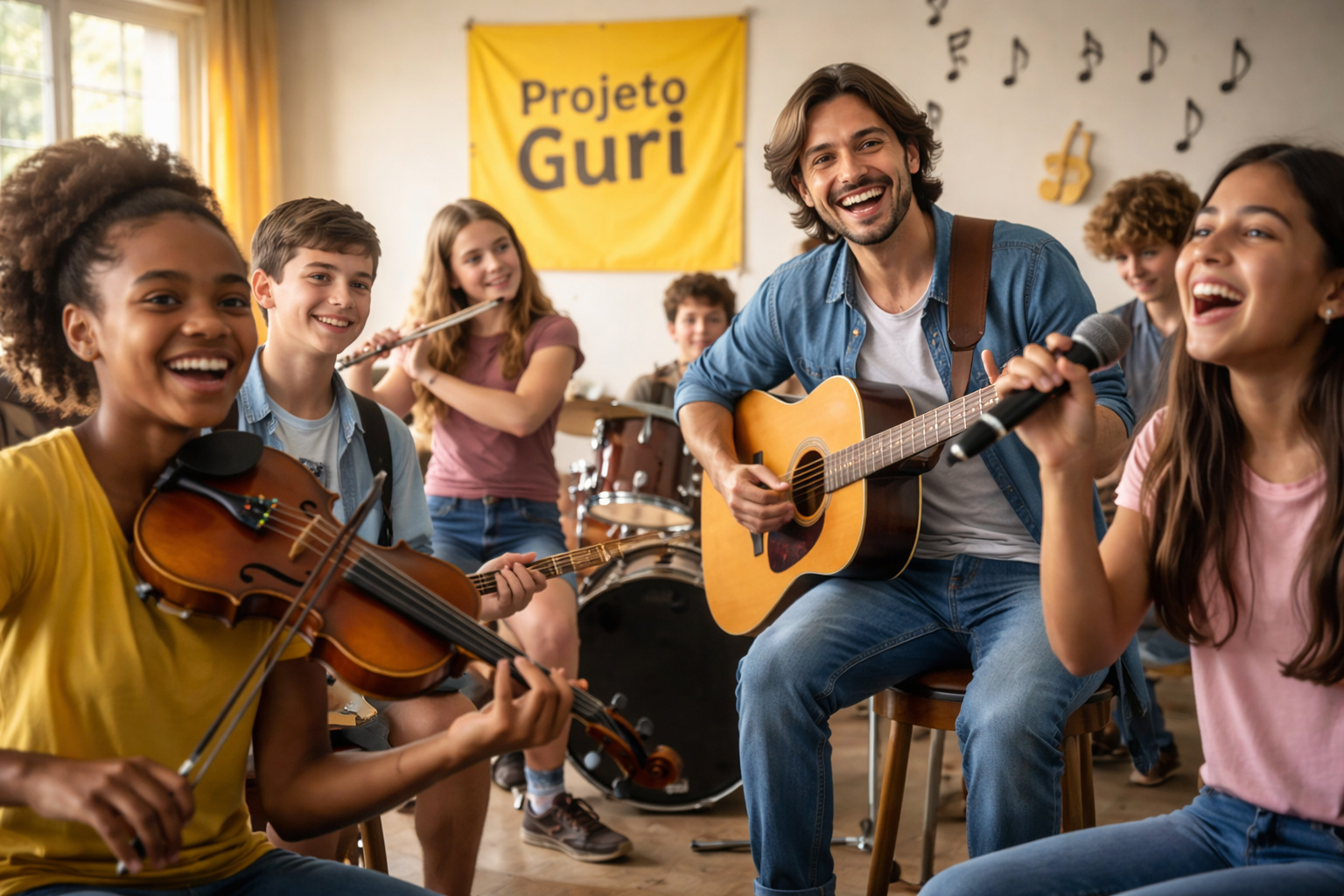
The Job Search Has Changed in Recent Years. Today, It Involves More Than Just Formal Selection Processes. Increasingly, Professional Qualification Has Become a Decisive Factor in Expanding Opportunities in the Job Market.
In this scenario, free courses stand out. They serve as gateways to new professional trajectories. Therefore, public initiatives attract attention when they connect education and employability.
According to a report published by G1 on February 9, 2026, the Guri Project opened more than 15,000 spots for free music courses. The initiative serves cities in the Vale do Paraíba region.
These spots do not represent direct jobs. Still, they create concrete pathways to future job vacancies in cultural, educational, and creative fields.
-
Federal Institute opens over 700 vacancies in free technical courses in Civil Engineering, Mechanics, Electrotechnics, Computer Science, and Nursing; see how to enroll and study at IFPB.
-
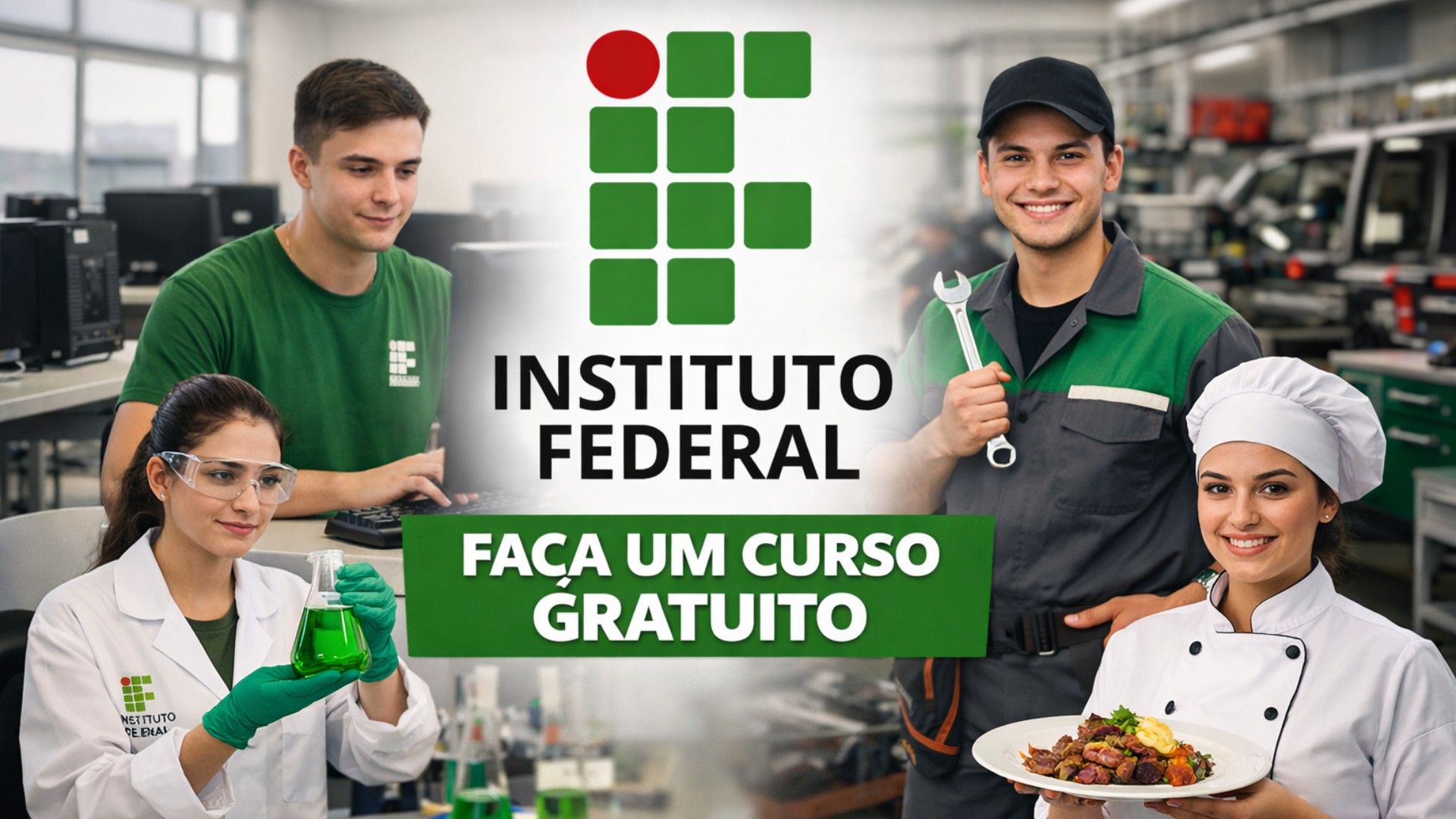
Become a professional in logistics, mechanics, computer science, chemistry, or gastronomy at the Federal Institute: Ifes opens more than 1,000 spots in free technical courses with selection without an exam.
-
Take a 100% online and free course at Itaú: Foundation releases 156 options with certificates, registrations open for all of Brazil, unlimited access, areas such as technology, education, and management, and a flexible schedule without tutoring.
-
Senai will pay up to R$ 700 per month for those who take free technical courses: there are 12,000 open positions across Brazil and training with access to the technology market.

The Guri Project and Its Relationship with Job Vacancies
The Guri Project has been active since 1995 in the state of São Paulo. Its main focus is musical education with social impact. Over the years, the program has trained thousands of students.
From the beginning, the proposal went beyond artistic teaching. The project also promotes discipline, collective living, and the development of social skills. These factors are increasingly valued in the job market.
Although they are not formal contracts, these spots serve as a foundation for future job vacancies. Many former students pursue careers as musicians, teachers, or cultural producers.
Open Enrollment and Free Access to Courses
Enrollment for the courses is free. It follows the schedule released by the Guri Project itself. The process is simple and accessible.
According to G1, the spots cater to different age groups. Additionally, they do not require prior knowledge of music. This expands the social reach of the initiative.
This model facilitates access to education. At the same time, it strengthens professional qualification. Thus, the courses serve as a first step towards future job vacancies.
The decentralization of units also contributes to regional impact. Cities outside major centers become part of the cultural and educational policy.
Musical Education and Professional Opportunities Throughout History
Musical education has always played a significant role in human development. Since the 19th century, schools and conservatories have used music as a pedagogical tool.
In Brazil, public policies aimed at culture gained strength starting in the 20th century. However, access remained unequal for decades.
With the advancement of public programs, this situation began to change. Initiatives like the Guri Project expanded access to free musical education.
This movement directly impacts the cultural market. With more qualified individuals, new possibilities for job vacancies arise in the creative sector.
Free Courses as a Gateway to the Job Market
Well-structured free courses generate concrete effects. They strengthen resumes and expand professional repertoires.
In the case of music, the benefits go beyond technique. Students develop discipline, teamwork, and creativity. These skills are valued in various fields.
Moreover, musical education interacts with education, events, audiovisual, and technology. Therefore, the courses increase access to diverse job vacancies.
According to data cited by G1, the demand for courses has grown in recent years. This growth reflects the search for accessible qualification.
Social and Economic Impact of the Offered Vacancies
The impact of the Guri Project goes beyond the individual. Entire communities benefit from the initiative. Music strengthens social and cultural bonds.
At the same time, education generates economic prospects. Many students turn their learning into professions. Others use the experience as a professional differentiator.
This effect creates a positive cycle. Education generates qualification. Qualification expands job vacancies. Work strengthens the local creative economy.
Additionally, the program contributes to cognitive and emotional development. These factors influence school and professional performance throughout life.
Transparency and Good Institutional Practices
For courses to produce real results, management must be clear. Transparency and communication are essential.
According to G1, the Guri Project publishes public notices, dates, and participation criteria. This information is available on official channels.
This practice strengthens public trust. Moreover, it facilitates participants’ planning. Thus, education connects more directly to future job vacancies.
Qualification as a Strategy for the Future of Work
The current job market values multiple skills. Creativity, communication, and collaboration are among the most sought-after.
Musical education directly contributes to this profile. It develops technical and socio-emotional competencies. Therefore, it broadens professional possibilities.
In this context, educational programs become strategic. They connect learning and employability. This way, they help to reduce inequalities in access to job vacancies.
Job Vacancies and Education as a Sustainable Path
Free education serves as a foundation for solid professional trajectories, thus, by investing in qualification, the program expands access to job vacancies in the medium and long term.
Thus, initiatives like this show that culture, education, and work go hand in hand. In an increasingly competitive market, education remains the main differentiator.








-

Uma pessoa reagiu a isso.