





 Portuguese
  English
  Spanish
  3 min of reading
  0 comments



Parliamentarians Advocate New Rules for the Air Miles Market, With Minimum Validity, Transparency, and Succession Rights to Protect Consumers
The air miles market moves billions of reais in Brazil, but continues to operate without a clear regulatory framework. Estimates indicate that consumers lose about R$ 40 billion per year just in expired points, without any compensation or legal protection. This scenario has led Congress to analyze a series of bills aimed at limiting abuses, ensuring transparency, and transforming accrued points into actual assets.
The lack of solid rules has already shown its effects. The collapse of 123 Milhas in 2023, affecting thousands of injured customers, exposed the vulnerability of consumers in the face of loyalty programs that unilaterally change rules and cancel benefits without adequate notice. Now, lawmakers are proposing changes ranging from minimum validity periods to inheritance of miles, aiming for greater predictability and fairness in consumer relations.
Why Air Miles Have Become a Regulation Topic in Congress
Loyalty programs have ceased to be just a marketing strategy and have become a profitable parallel business for banks, airlines, and digital platforms.
-
Havan buys historic football land in Blumenau for a million-dollar amount protected by a confidentiality clause and is already planning to change even the layout of streets to build a megastore in half-timbered style costing 80 million reais.

-
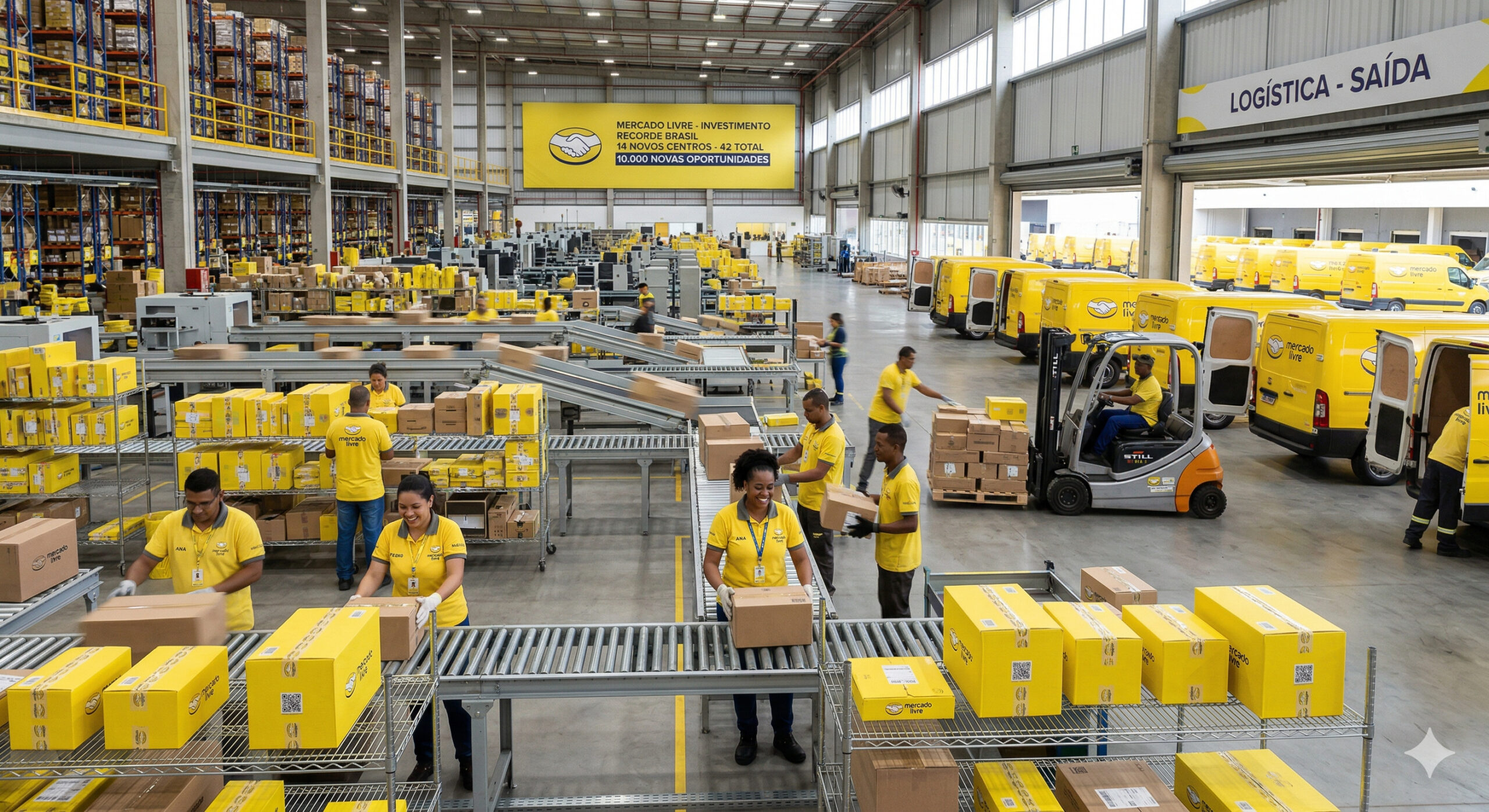
Mercado Livre “opens the vault” and announces a record investment of R$ 57 billion in Brazil in 2026, a value 50% higher than the previous year, with an expansion plan that includes 14 new logistics centers, totaling 42 units in the country and hiring an additional 10,000 employees.
-
How investment in technology can revolutionize the national economy and enhance industrial gains, according to a study that highlights the direct impact on productivity, innovation, and wealth retention within Brazil.

-
The largest food company on the planet, JBS, has just opened a 4,000 square meter laboratory in Florianópolis to develop customized proteins that modulate muscle mass gain, immune response, and metabolic performance.


The problem is that the lack of legislation allows points to expire quickly or rules to be changed without prior notice.
According to lawmakers, this legal gap results in billion-dollar losses for millions of Brazilians.
The justification is simple: if a consumer buys tickets, products, or services to accumulate points, those points represent real economic value and cannot be treated as mere courtesy.
Bills That Aim to Change Air Miles Rules
The PL 2767/2023, by Amom Mandel (Cidadania-AM) and José Guimarães (PT-CE), creates basic parameters, such as minimum validity of three years, a six-month advance notice obligation regarding expiration, and a limit on the adjustment of the number of points required for ticket issuance.
Another highlight is the PL 4880/2023, by Celso Russomanno (Republicanos-SP) and Odair Cunha (PT-MG), which goes further: it completely prohibits the expiration of air miles.
For the authors, accrued points are a financial asset, not a promotional giveaway.
Meanwhile, the PL 4934/2023, originating from the CPI of Financial Pyramids, seeks to curb fraud.
It establishes that changes in rules cannot harm already accumulated points, guarantees partial refunds on direct purchases, and prohibits the sale of packages based on future promises of ticket issuance—a practice that led to the collapse of 123 Milhas.
Inheritance of Miles: Assets That Can Be Transferred
The PL 5601/2023, by Saulo Pedroso (PSD-SP), addresses the inheritance of air miles.
The proposal stipulates that the holder designates beneficiaries, with automatic transfer at no cost in the event of death.
Currently, companies can simply cancel the accrued balance, a practice considered abusive by experts, as points represent consumer assets.
Other texts seek to amend the Consumer Defense Code, prohibiting drastic changes in loyalty programs and requiring minimum validity periods for contractual rules.
Beyond Tickets: Miles and Cashbacks Under the Same Umbrella
The debate also reaches cashback programs, which return part of the amount spent on purchases.
The PL 2654/2025, by José Guimarães (PT-CE), addresses both air miles and cashback balances, recognizing both as consumer assets.
The project also calls for oversight by the Central Bank, separation of funds into specific accounts, and greater clarity about conversion into reais.
Expected Impact and Next Steps
For companies in the sector, regulation may restrict management flexibility and increase costs.
For lawmakers and consumer advocacy groups, the change is urgent to prevent further billion-dollar losses.
If approved, the proposals could radically transform the way Brazilians deal with air miles, ensuring greater predictability and valuing the consumer as the true owner of this digital asset.
The process, however, still depends on analyses in committees and a vote in plenary.
In your opinion, should air miles have a minimum validity or never expire? And have you ever lost accumulated points due to lack of notice or confusing rules? Share your experience in the comments—your story can show the real extent of this issue.








Seja o primeiro a reagir!