





 Portuguese
  English
  Spanish
  3 min of reading


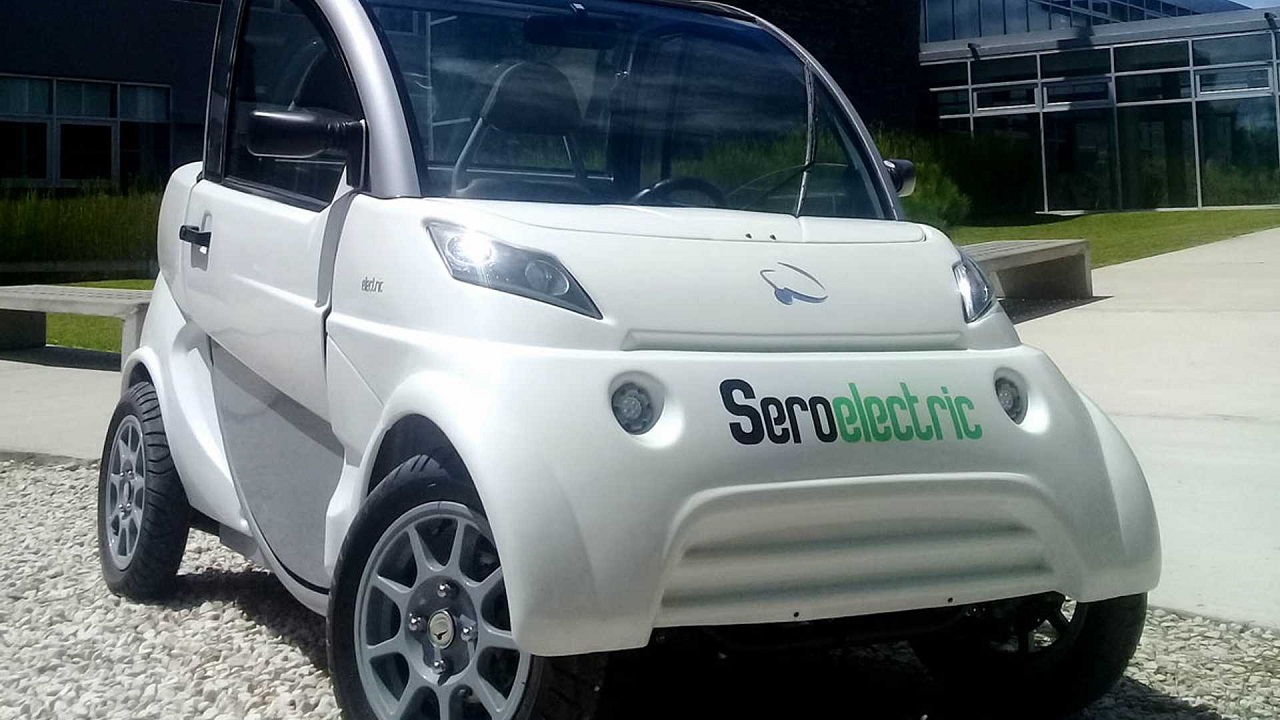
Sero Electric, an Electric Car Company from Argentina, Plans to Set Base in Brazil and Manufacture Its Electric Microcar. With an Attractive Price, the Idea is for the Model to be a Cost-Effective Option.
After several years in development, the Sero Electric project was unveiled in La Matanza, Argentina. It is an electric microcar that was initially designed for use in enclosed spaces. Later in 2019, the first approved electric car produced in Argentina was launched in the industrial park of Morón.
Sero Electric Speaks Out on Electric Cars in Argentina
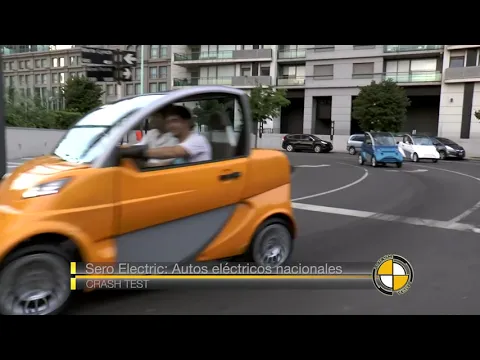

Sero Electric has also been at the forefront of launching the patent for green plates aimed at approved models in the L7 and L6 categories, that is, vehicles with Restricted Circulation. According to the president and founder of Sero Electric, Pablo Naya, the company has 4 versions of electric cars, and all have their LCM: Sero Cargo High, Sero Sedan, Sero Cargo Low Long, and Sero Cargo Van.
Of the 700 parts that the car has, only 10 are imported and are not provided by suppliers in Argentina, making almost 80% local. The lithium cells of the electric microcar are imported; however, the batteries are assembled by the company according to the customer’s autonomy demands.
-
A French brand placed a car on four huge red balloons to prove that its suspension made the vehicle “float,” and the surreal scene became one of the most iconic and unusual images in automotive history.
-
Jeep Avenger begins production in Brazil, debuting as the brand’s new entry-level SUV and inaugurating an unprecedented phase by becoming the first national Jeep manufactured outside of Goiana, as part of a R$ 3 billion plan.
-
Costing R$ 12,490, the new Shineray Urban Lite 150 “cheap one” arrives in Brazil with a CVT transmission, digital dashboard, and LED lights, making it more affordable than the Biz and targeting those who want to abandon the bus.
-
Ducati brings to Brazil the Superleggera V4 Centenario: 228 hp that become 247 with a track kit, carbon fiber and carbon-ceramic brakes, estimated price between R$ 1.5 and 2 million, deliveries only in 2027.

Regarding battery recycling, Naya states that the company is still discussing this with the supplier, considering that it does not yet have electric car batteries that have reached the end of their useful life. The goal is to create a second-life battery bank for homes. So far, the company has 100 electric cars across all versions.
The demand is gradually expanding as the public becomes more aware of electric mobility. A large portion of the customers are companies. Sero has already sold 90 units, and some have not been patented because they are sold to various companies that use them internally, such as YPF, Loma Negra, Aluar, and Techint.
New Launches
The executive of the Argentine company emphasizes that the company has not been able to export despite the demand. With the official dollar, it was impossible, given that it is not stable anywhere. At the end of this month, the company launched a 4-seater vehicle that does not yet have a name.
The company intends to produce 20 electric cars this year, which have already been sold at a price of 4.5 million pesos, to be used in airports and for tourism. Sero is conducting tests that will be approved by the LCM, and the intention was to present them this year.
Next year, it will be the turn of the restyling electric microcar of the entire range, which will be presented between March and April. In terms of design, it has been significantly modernized, and the company is incorporating technology and equipment such as central locking, mobile phone connectivity, and more. The electric microcar was developed for short trips, with a maximum range of 100 km.
Sero Electric Will Move to Brazil
The company’s executive states its plans to leave Argentina, considering that it is impossible to operate, as the company is forced not to produce and there are no clear rules as to why. It is very difficult for a small company to achieve what Toyota does, for instance, balancing its import/export operations, let alone on a small scale.
Pablo emphasizes that he has been tempted to move to Brazil. The company that distributes its brand has asked to set up here, given that they grant credit in two minutes once you settle in, which does not exist in Argentina, according to him.
A company that cannot operate while paying off credit at an interest rate of 100% is impossible. Therefore, the executive emphasizes that what is concrete is that in 2023, the electric microcar will be produced in Brazil.
Source: Insideevs/UOL









Seja o primeiro a reagir!