





 Portuguese
  English
  Spanish
  4 min of reading
  0 comments


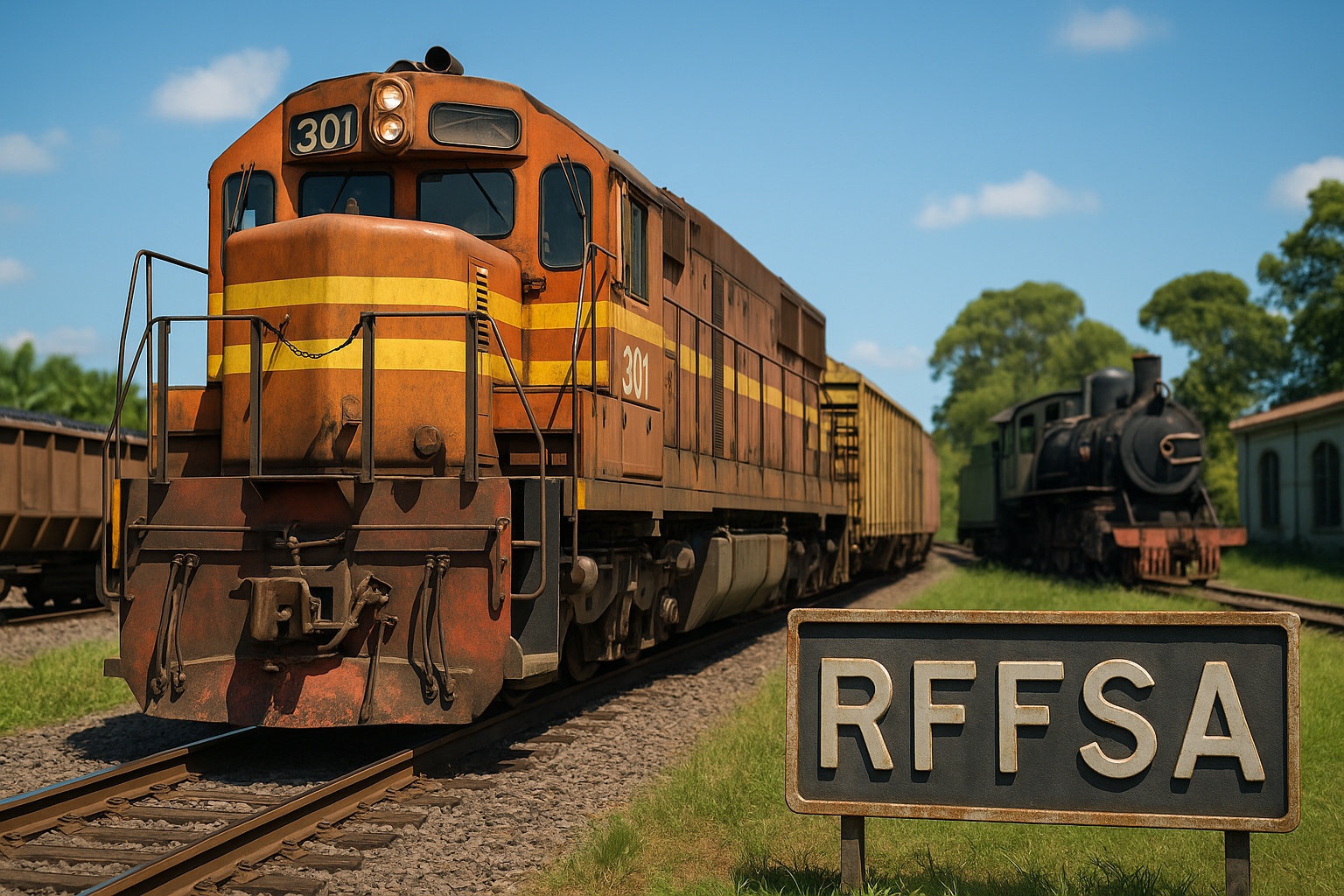
The Diesel Locomotives of RFFSA Marked 50 Years of History in Brazil, Hauled Millions of Tons, and Now Survive in Museums After the Network’s Cessation.
In 1957, the Federal Railroad Network S.A. (RFFSA) was born, created to unify dozens of regional railway companies that had been operating fragmented throughout Brazil. The new state-owned company aimed to modernize rail transport, integrate isolated regions, and turn the tracks into a driver of economic development.
At the heart of this transformation were the diesel-electric locomotives, which gradually replaced the old steam engines. More powerful, economical, and capable of covering long distances with less maintenance, these locomotives became the symbol of Brazilian railway modernization.
For nearly 50 years, until the extinction of RFFSA in 2007, they hauled millions of tons of ore, grains, fuels, and industrial products, sustaining the country’s industrialization and economic growth.
-
Retired trains leave European tracks and become tons of steel, aluminum, and copper in dismantling yards where recycling exceeds 90%, but batteries, composites, and electronics create a new frontier of railway waste.

-
The strategic railway of Santa Catarina will receive R$ 608 million, will undergo historic modernization, and could transform logistics between Mafra and the Port of São Francisco do Sul.
-
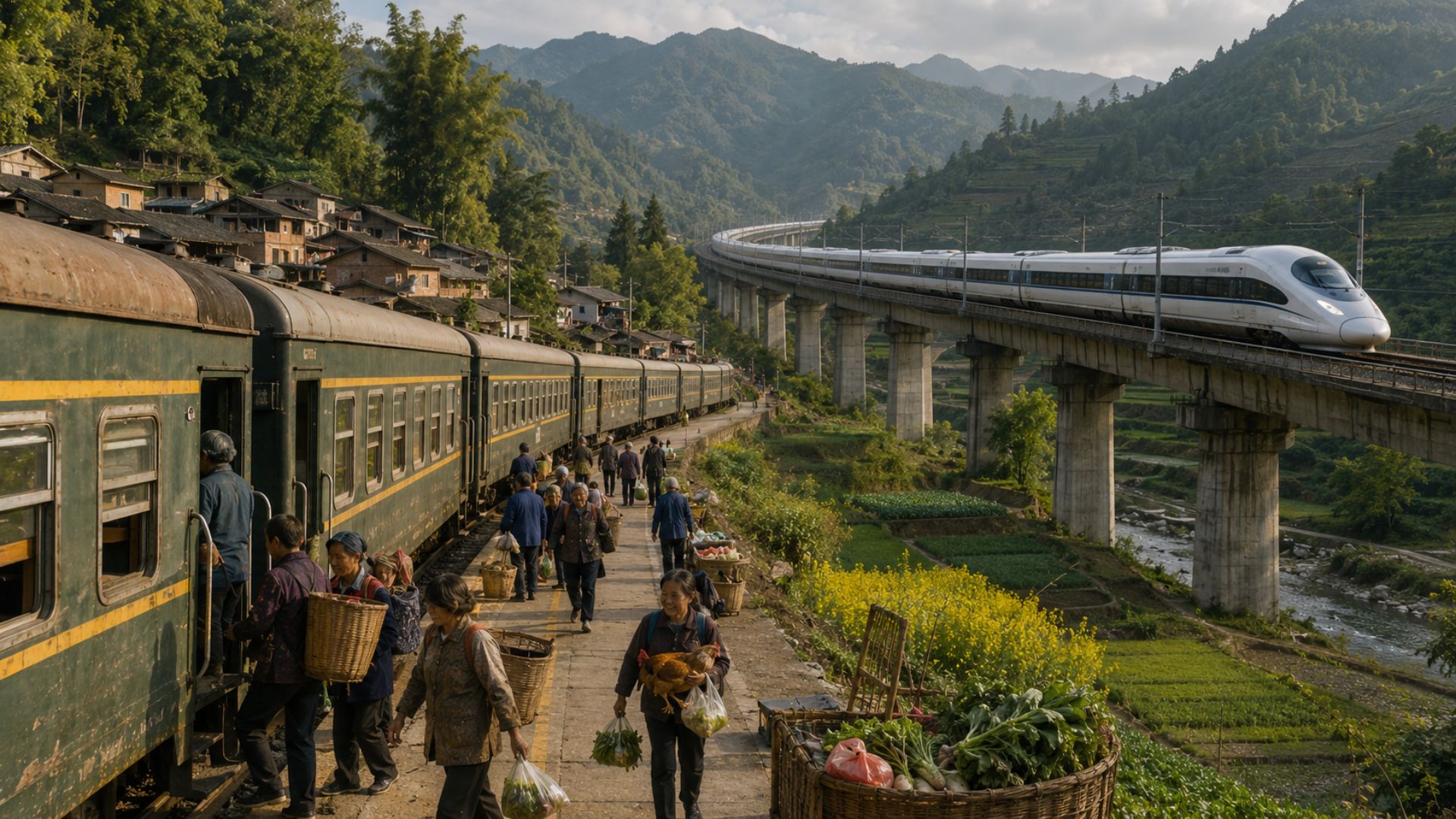
While showcasing bullet trains traveling at over 300 km/h, China maintains about 81 slow train lines that travel at 40 km/h, charge less than R$ 2 for a ticket, and cross remote villages carrying residents, students, and even chickens and vegetables to the market.

-
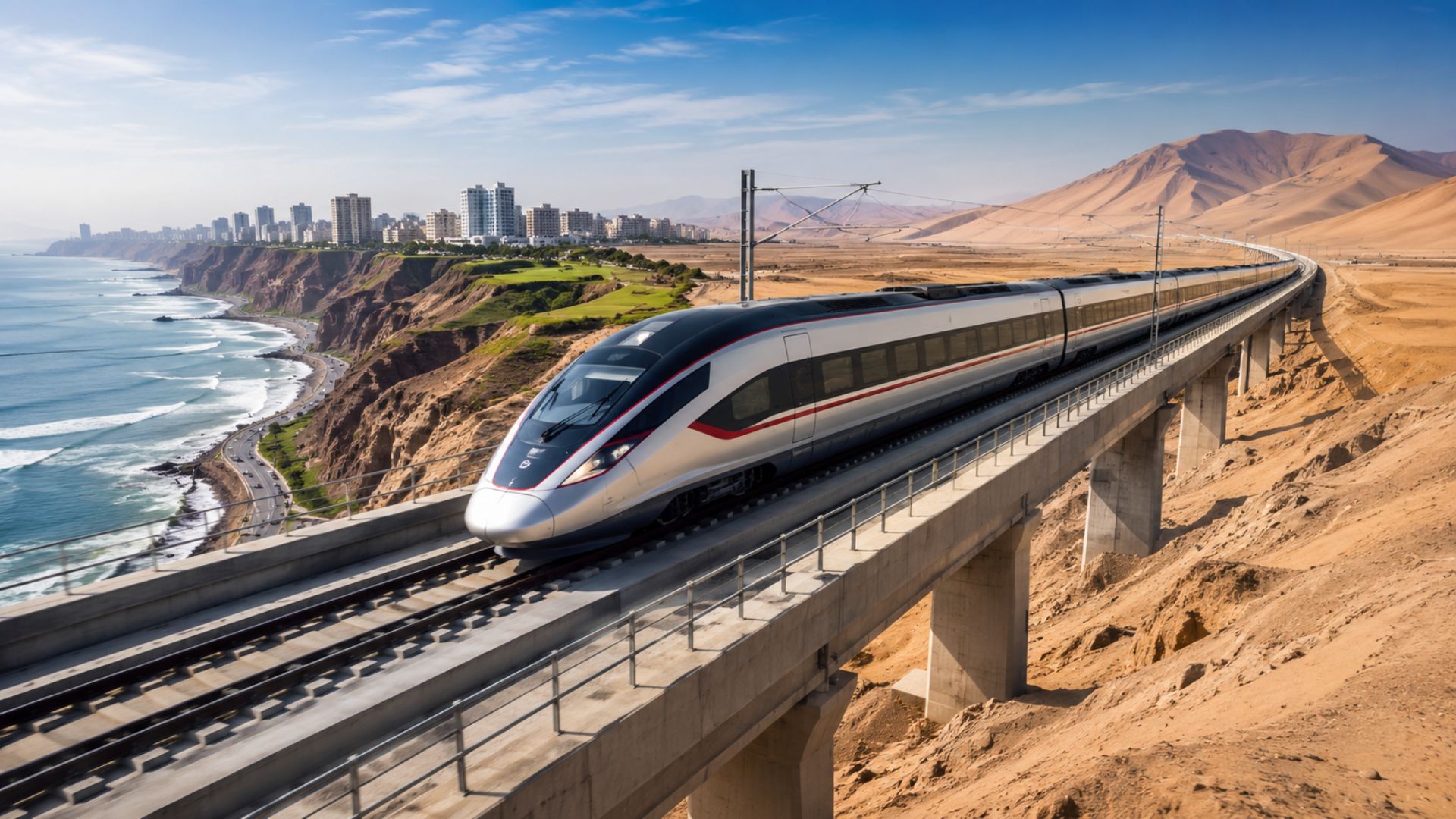
Peru plans to build, with Chinese technology and capital, what is intended to be the fastest train in South America, a high-speed line between Lima and Ica at up to 200 km/h, but the $6.5 billion project is only expected to be completed around 2032.


From Steam Smoke to Diesel Power
Until the 1950s, Brazilian railroads were still dominated by steam locomotives, dependent on coal and wood. This model, besides being costly and polluting, required a large workforce for operation and maintenance.

With the creation of RFFSA, Brazil joined the global movement to transition to diesel-electric locomotives, which combined combustion engines and electric traction.
Manufacturers such as General Electric (GE), General Motors (GM – EMD), and Alco began to supply models for the network, which became a constant presence on national tracks.
Among the icons were locomotives such as the GE U20C, nicknamed the “U-boat,” and the GM SD38 and SD40, which pulled trains of up to 100 cars loaded with ore or soybeans. These machines were responsible for transforming Brazilian rail transport into a synonym of strength and productivity.
The Backbone of the Economy
For decades, RFFSA locomotives were the backbone of heavy freight transport in Brazil.
- In the Southeast, they connected Minas Gerais to Rio de Janeiro and São Paulo, transporting millions of tons of iron ore from Companhia Vale do Rio Doce (now Vale) to the export ports.
- In the South, they ensured the flow of grains, wood, and coal to serve the industry and the external market.
- In the Northeast, they integrated agricultural production centers and supplied the growing urban areas.
Reports from the 1980s indicate that RFFSA transported an average of about 100 million tons of freight per year, consolidating its role as one of the main logistical pillars of the country.
Passengers and Emotional Memory
RFFSA locomotives were not only responsible for the transport of goods. Millions of Brazilians also had their lives marked by the passenger trains pulled by these machines.
From the traditional night trains linking São Paulo to Rio de Janeiro to regional trains crossing the northeastern hinterlands, RFFSA was for decades the main means of long-distance travel.
For many Brazilians, especially the older generation, the image of the diesel locomotive pulling dozens of passenger cars is synonymous with childhood, family trips, and the beginning of the country’s modernization.
The Decline and Extinction of RFFSA
From the 1980s onwards, the Brazilian railway model entered a crisis. Lack of investment in maintenance, road expansion driven by truck transport lobbying, and poor state management led to the loss of competitiveness of the railways.
In 1996, the federal government began the process of privatization and concession of the railway network, transferring sections of RFFSA to private companies. In 2007, the state-owned company was officially extinguished.
Many of the locomotives that still operated were incorporated into concessions, but hundreds ended up scrapped or abandoned in railway yards. However, some survived and were preserved in railway museums scattered across Brazil, such as the Train Museum in São Leopoldo (RS) and the Railway Museum of Araraquara (SP).
From Hard Work to Cultural Memory
Today, RFFSA locomotives are exhibited as cultural heritage and a reminder of an era when the tracks were synonymous with progress. Many are in perfect preservation, operating in tourist trains such as the Maria Fumaça de Tiradentes (MG) or the tourist train from Morretes (PR), even though they operate on short routes with tourist purposes.
These locomotives are more than pieces of iron and steel: they represent the period when Brazil bet on railroads as a driving force for development. They tell the story of workers, engineers, and entire communities that grew around the rail lines.
The Legacy for the Future
With the increasing discussion on sustainability and efficient logistics, railroads have returned to the agenda of national development. Projects like the Northern-Southern Railway, the West-East Integration Railway (FIOL), and the planned Ferrogrão show that rail transport is still vital for Brazil.
Modern locomotives, much more powerful and cleaner, are direct descendants of those RFFSA machines. The legacy of half a century from these locomotives lies in the know-how that paved the way for current expansion, but also in the warning: without maintenance and planning, the railway may lose ground to other modes.
From Engine of Growth to National Relic
The diesel locomotives of RFFSA were protagonists in a story that spanned half a century. They hauled millions of tons of ore and grains, transported millions of passengers, and marked the memory of generations.
Their farewell, after the network’s extinction in 2007, also marked the end of an era when the tracks were synonymous with national integration.
Today, as museum pieces or in tourist trains, they remain as symbols of a Brazil that sought to modernize with each locomotive whistle. They are memories of iron and diesel oil from a time when the railway was the guiding line of progress.







Be the first to react!