





 Portuguese
  English
  Spanish
  3 min of reading
  0 comments


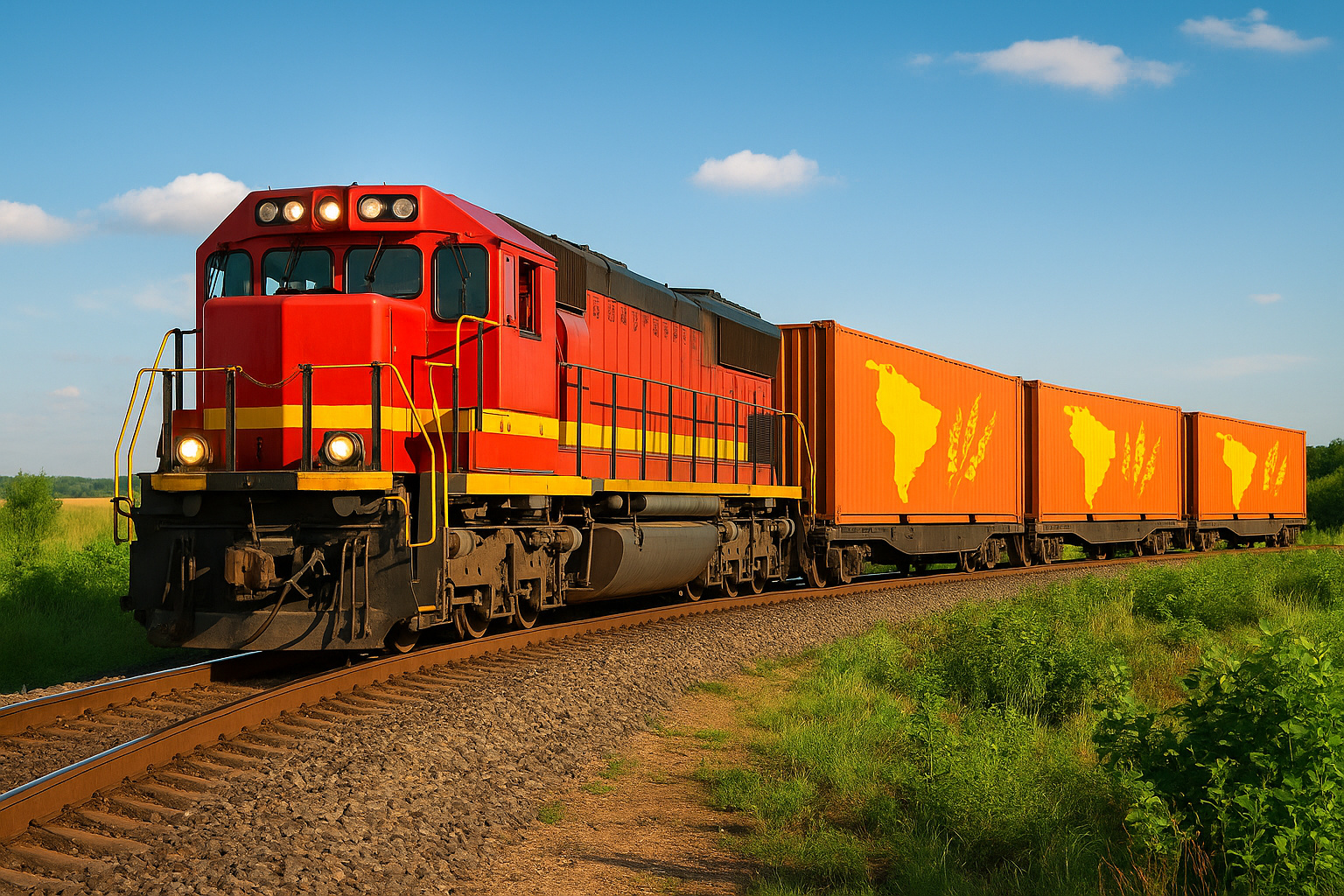
New Route Strengthens Competitiveness and Opens Doors to Asian Markets
The signing of the agreement between Brazil and China took place on July 7, 2025.
The construction of the intercontinental railway promises to completely transform the export logistics of Rondônia.
This connection is expected to significantly increase the competitiveness of products such as soy, corn, cotton, leather, fish, and beef.
The measure strengthens the local agribusiness and opens doors to new markets.
With this new route to the port of Chancay in Peru, the flow to Asia will be faster and more cost-effective.
This directly impacts the so-called “Brazil cost”, which hampers the competitiveness of the region.
Expansion of Agricultural Production Gains Momentum
The railway will start in Bahia and pass through Goiás, Mato Grosso, Rondônia, and Acre before reaching Peru.
It is expected to consolidate Rondônia as an exporting hub.
Regional products such as leather and tambaqui, already exported to Peru, should gain more space in the international market.
Producers will be able to expand their planting and breeding areas in the coming years.
The railway modal will bring economy and efficiency compared to road transport.
Today, Rondônia mainly relies on BR-364 to export its production.
Still in 2025, the government estimates that feasibility studies will define the final costs of the work.


Cost Reduction and New Market Opportunities
With rail transport, the shipping of goods is expected to become cheaper for producers in the North region.
This will facilitate access to Asian countries, especially China, the main destination for Brazilian agricultural production.
According to Leonardo Ribeiro, National Secretary of Rail Transport, this step represents an important strategy to bring continents closer.
The measure reinforces long-term partnerships between Brazil and China.
The agreement reached between the teams aims to deepen logistical studies to integrate railways, waterways, and highways.
This integration ensures economic and environmental sustainability.
Between 2015 and 2016, similar projects did not advance due to infrastructure limitations.
Now, the scenario is more favorable, as Ribeiro highlights, due to logistical development.
-
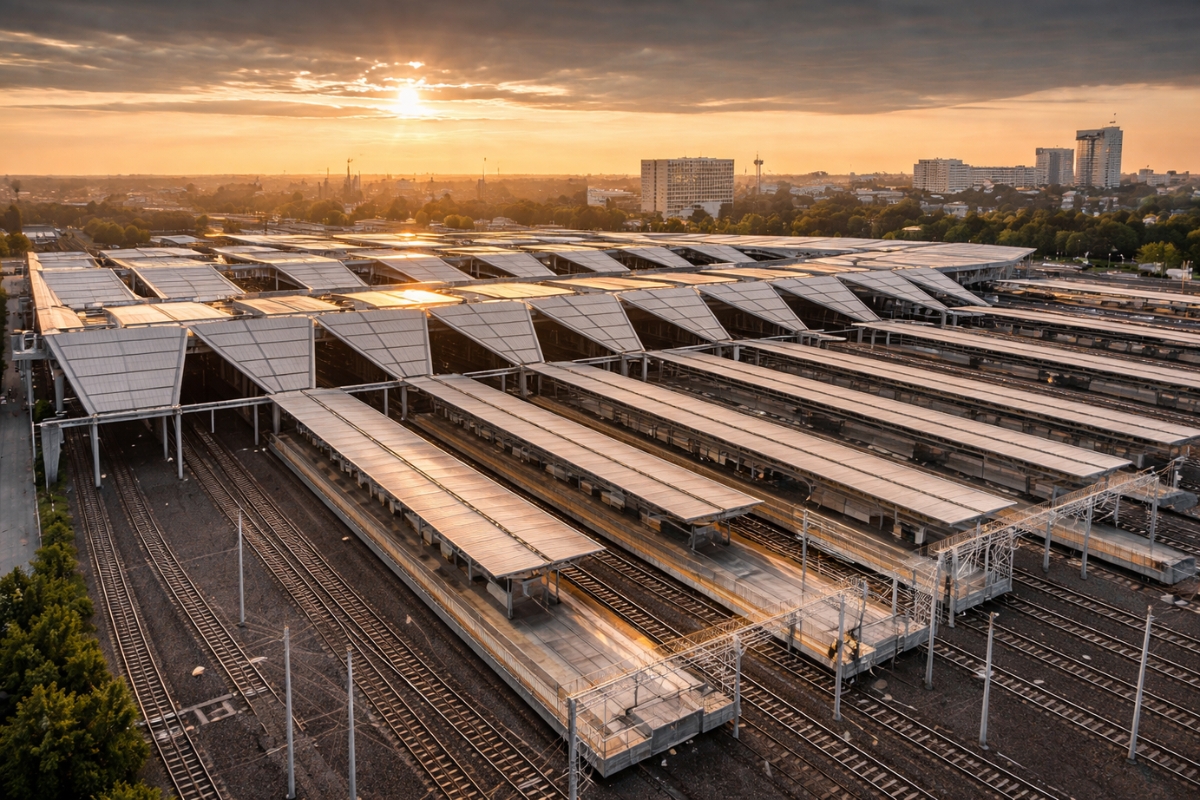
In A European City, The Country’s Largest Railway Junction Was Modernized Without Closing Its Doors, Kept Trains Running During Years Of Construction, Now Serves Up To 60,000 Passengers Per Day, And Installed Solar Panels That Generate About 30% Of Its Energy
-
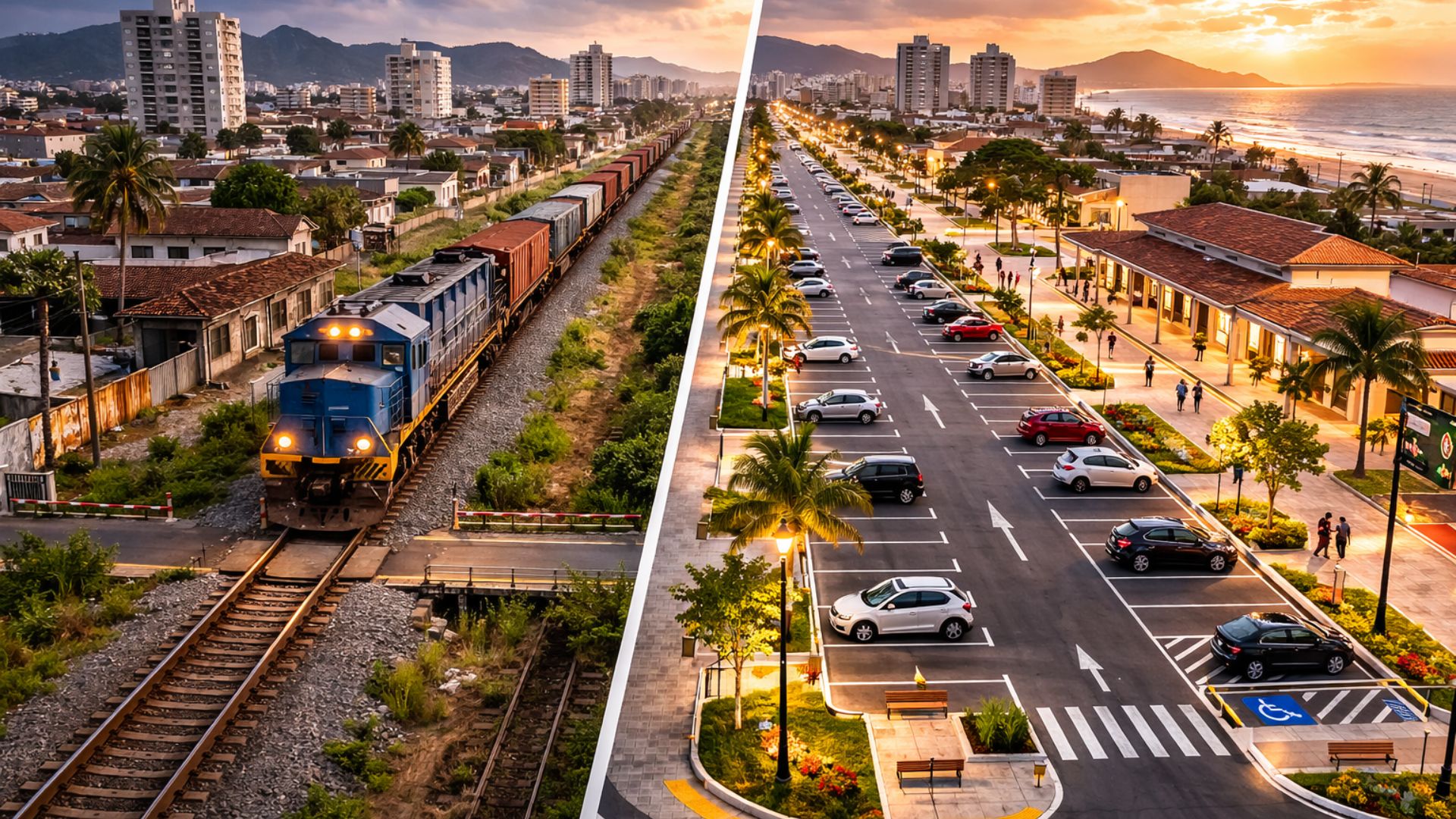
Famous Brazilian Railway May Become a Parking Lot
-
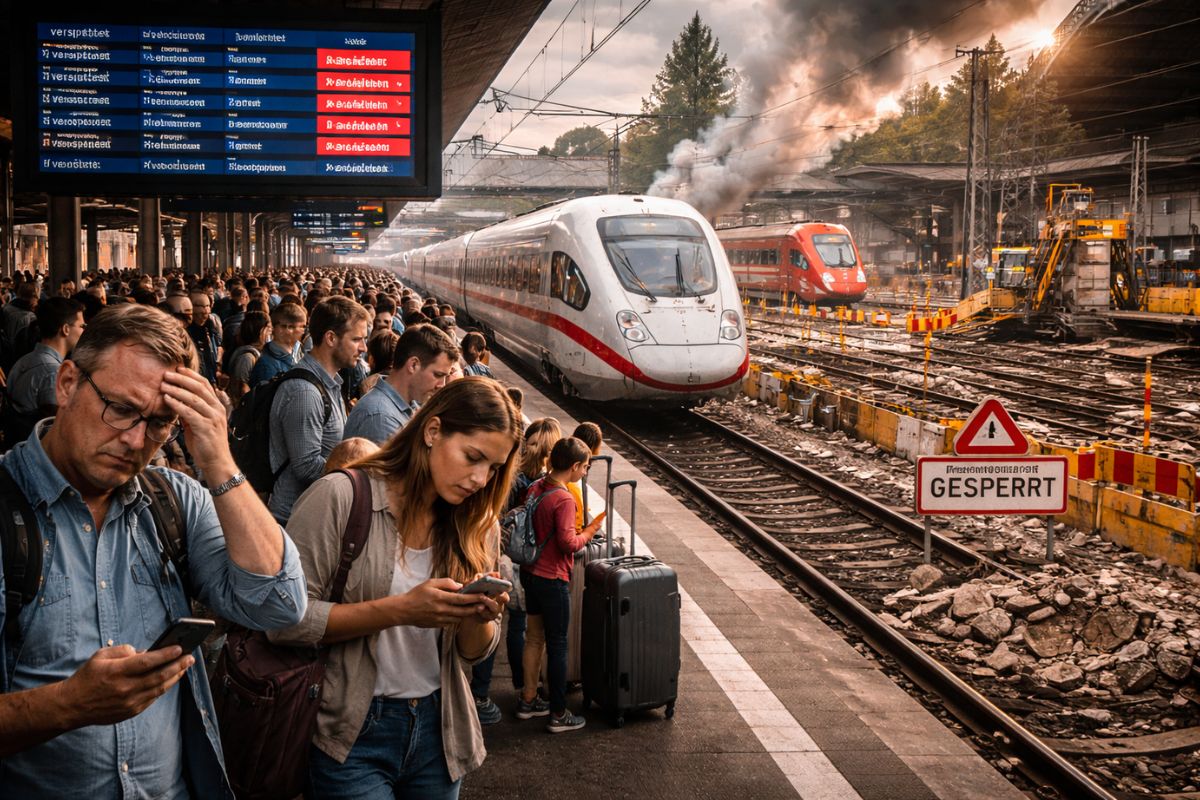
The Country of “Punctual As a Train” Admits It Has Lost Control: High-Speed Trains Delay, Stop, Disappear from the Map and Turn 6-Hour Trips into 10, While Deutsche Bahn Promises Restructuring in 2026 But Faces 19th Century Infrastructure, Staff Shortages and Sections Closed for Months
-
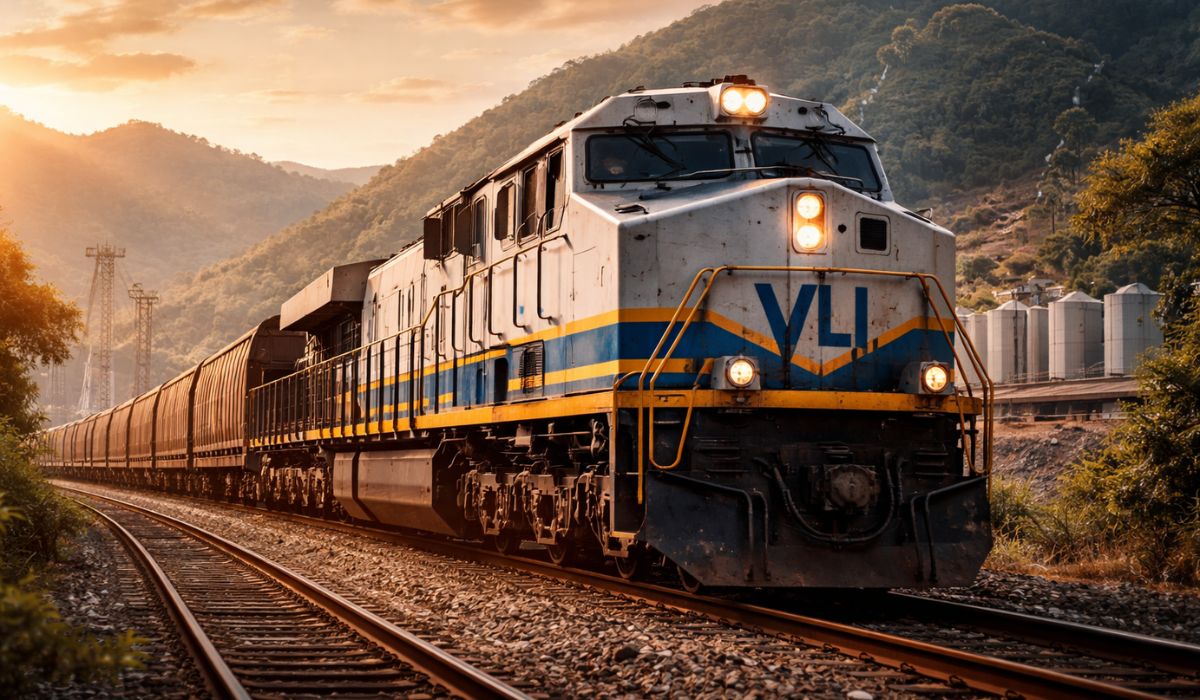
With an Investment of R$ 700 Million in One of the Country’s Main Rail Networks, VLI Reinforces Infrastructure, Receives 8 New Locomotives, and Expands the Corridor Connecting 7 States, Boosting Jobs and the Transportation of Grains, Ore, and Oil Products to the Port of Santos

Strategic Municipalities Are Expected to Generate Jobs
In addition to the impacts on production, the railway will create jobs in strategic points of Rondônia.
Cities like Vilhena, Cacoal, Jaru, Ariquemes, and Porto Velho are expected to benefit from stop terminals.
These cargo and unloading centers will help to boost the local economy.
These logistical stops will drive hiring in the transportation and storage sectors.
In the long term, the project could stimulate the emergence of new urban centers in Rondônia.
This phenomenon has already been observed in states like São Paulo and Paraná during railway expansions.
Rondônia could experience a population growth aligned with the strengthening of agribusiness.
Strategic Partnership Projects A New Phase for National Logistics
The agreement has an initial duration of five years; additionally, there is the possibility of extension.
Moreover, it reinforces the goal of reducing distances between South America and Asia.
Therefore, this diplomatic and technical initiative represents an important logistical advance for Brazil.
Consequently, the railway brings the country closer to efficient intermodal solutions.
Likewise, it should support sustainable development, as it interconnects different transport modes.
Thus, producers, exporters, and local communities will benefit from a more modern and secure system.
With this, more jobs, new infrastructure, and expanded access to markets will make Rondônia a protagonist in Brazil’s logistical future.








Seja o primeiro a reagir!