





 Portuguese
  English
  Spanish
  3 min of reading
  0 comments


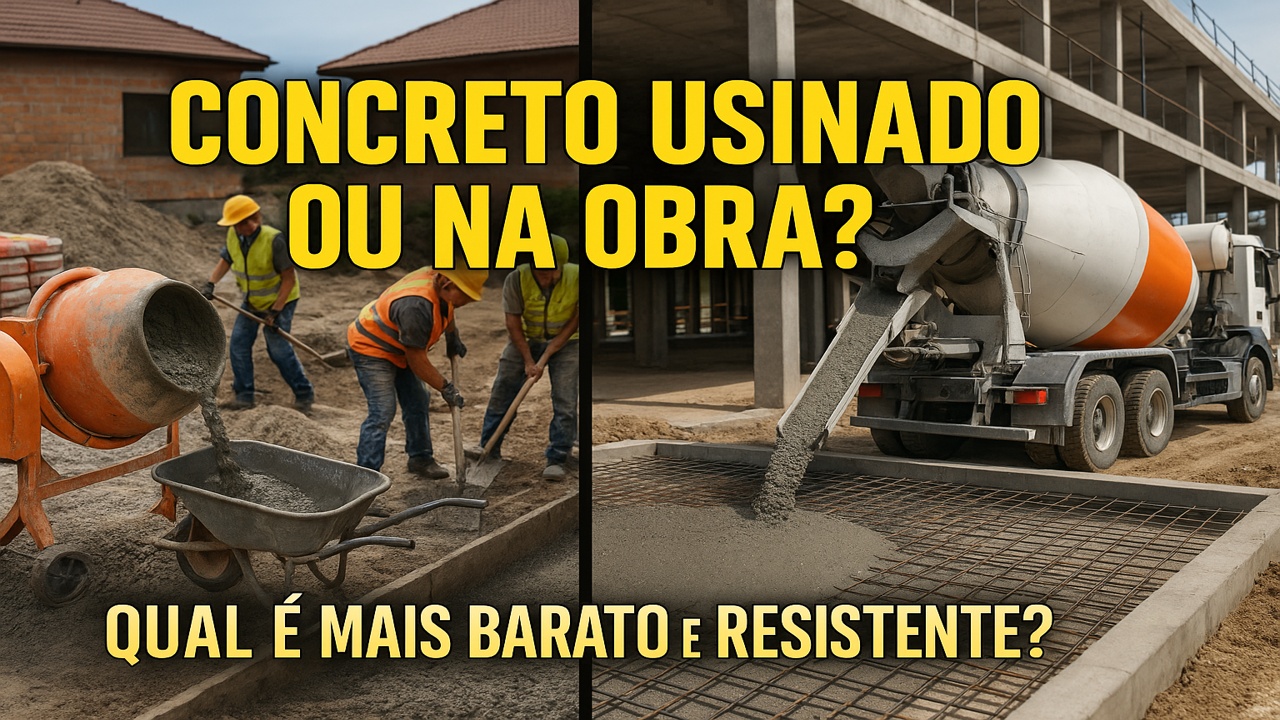
Ready-Mixed Concrete or On-Site Concrete? See the Real Comparison of Cost per m³, Strength, Waste, Productivity, Timelines, and Structural Risks.
In theory, making concrete on-site seems cheaper. In practice, the decision between ready-mixed concrete and on-site mixed concrete simultaneously defines the final cost of the structure, the risk of future failures, and the real timeline of construction. It’s a choice that can represent immediate savings or generate silent losses that only appear many years later.
Concrete does not forgive mistakes. Unlike finishes and coverings, it cannot simply be redone. If it starts weak, the entire structure pays that price over decades.
What Does Each Type of Concrete Really Cost per Cubic Meter?
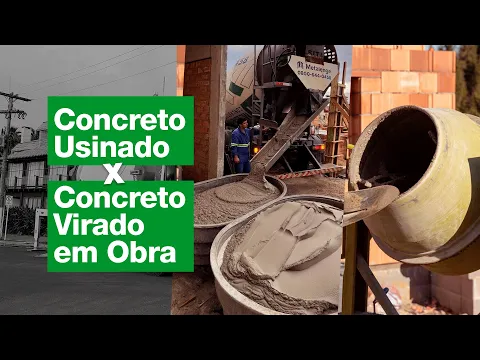
Today, in Brazil, the price of ready-mixed concrete averages between R$ 380 and R$ 650 per cubic meter. On-site mixed concrete ranges between R$ 300 and R$ 550 per cubic meter. On paper, manual concrete appears to have an advantage.
-
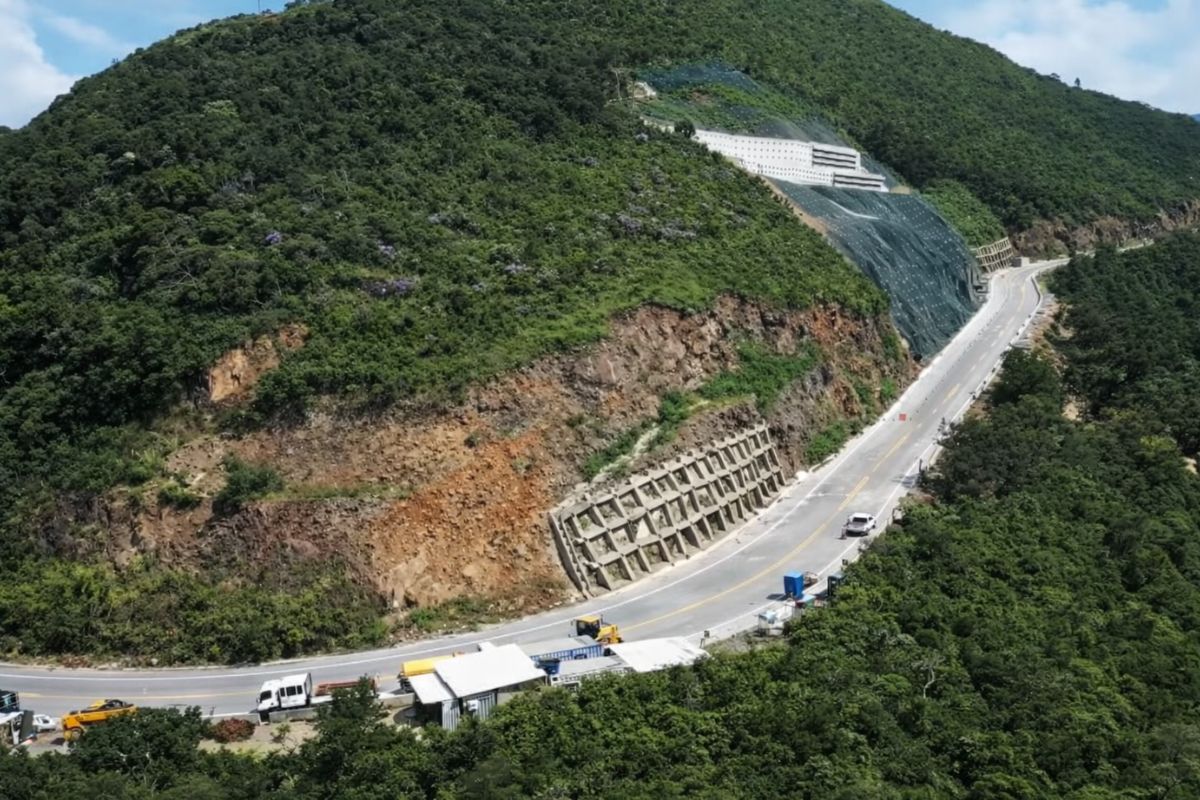
The section of Serra da Rocinha on BR-285 is now open in Timbé do Sul: 50 m tensioned curtains and top-down technique stabilize the slope, with a stairway duct controlling the water.
-
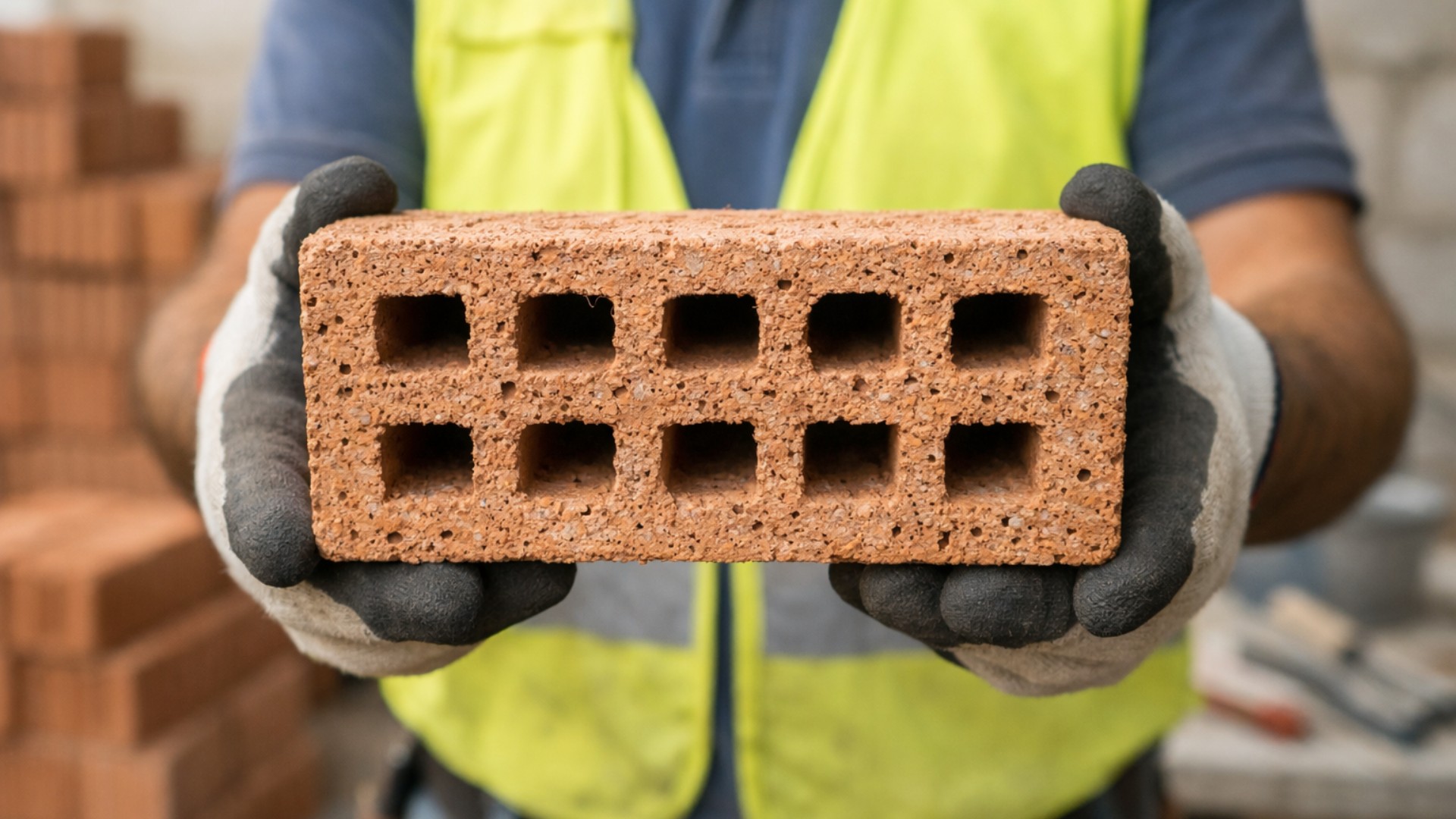
Scientists use sawdust mixed with clay to create a lighter brick, promising efficient thermal insulation and impressing by transforming waste into a solution for construction.
-
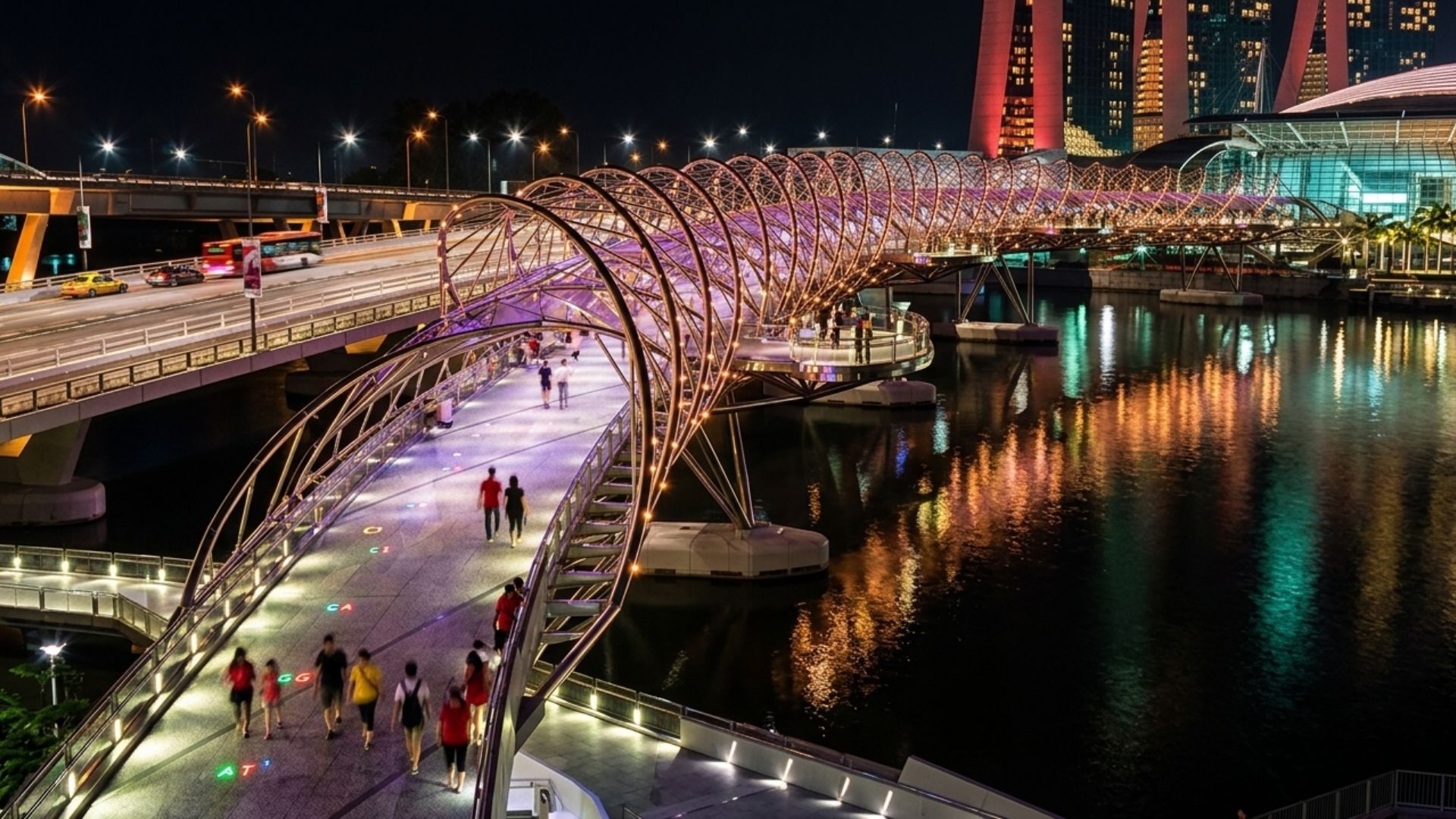
With a DNA shape, this bridge in Singapore draws attention in modern architecture and surprises tourists by transforming a simple crossing into an unforgettable visual experience in the urban heart.
-
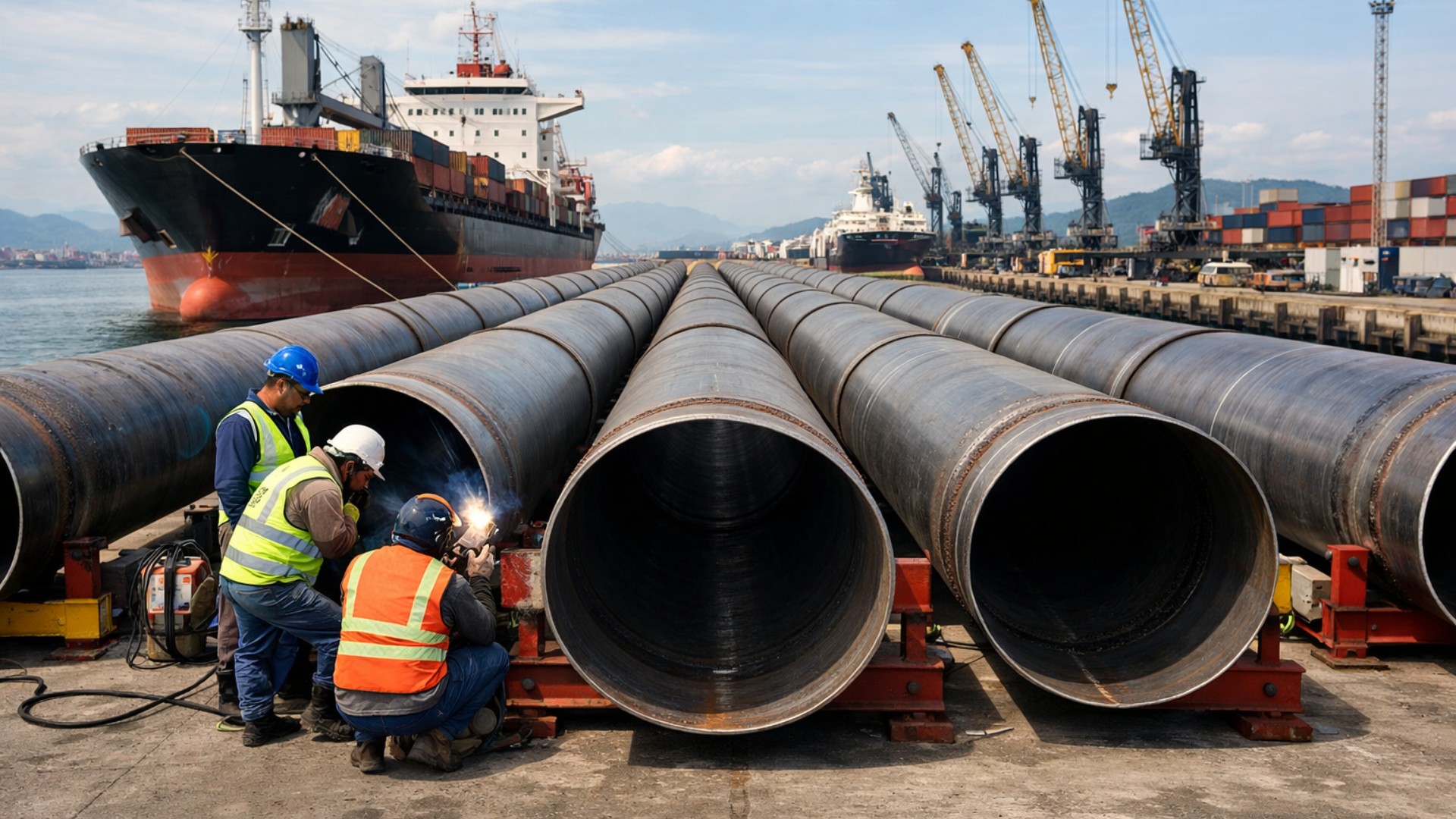
Giant underwater pipeline begins to take shape with a R$ 134.7 million project at the Port of Santos: the 1.7 km structure uses 12-meter and 700 mm pipes to supply water to 450,000 people in Guarujá.



The problem is that this lower price almost never accurately includes material waste, mixing errors, hardened leftovers, rework, unproductive time, and actual variation in cement consumption. When these factors are factored in, especially above 15 to 20 m³, on-site concrete often approaches or even surpasses the price of ready-mixed concrete.
Strength Control: Where the Greatest Risk in Construction Lies
With ready-mixed concrete, the strength is guaranteed by a lab. The material arrives with a defined FCK, whether 20, 25, or 30 MPa, accompanied by technical reports.
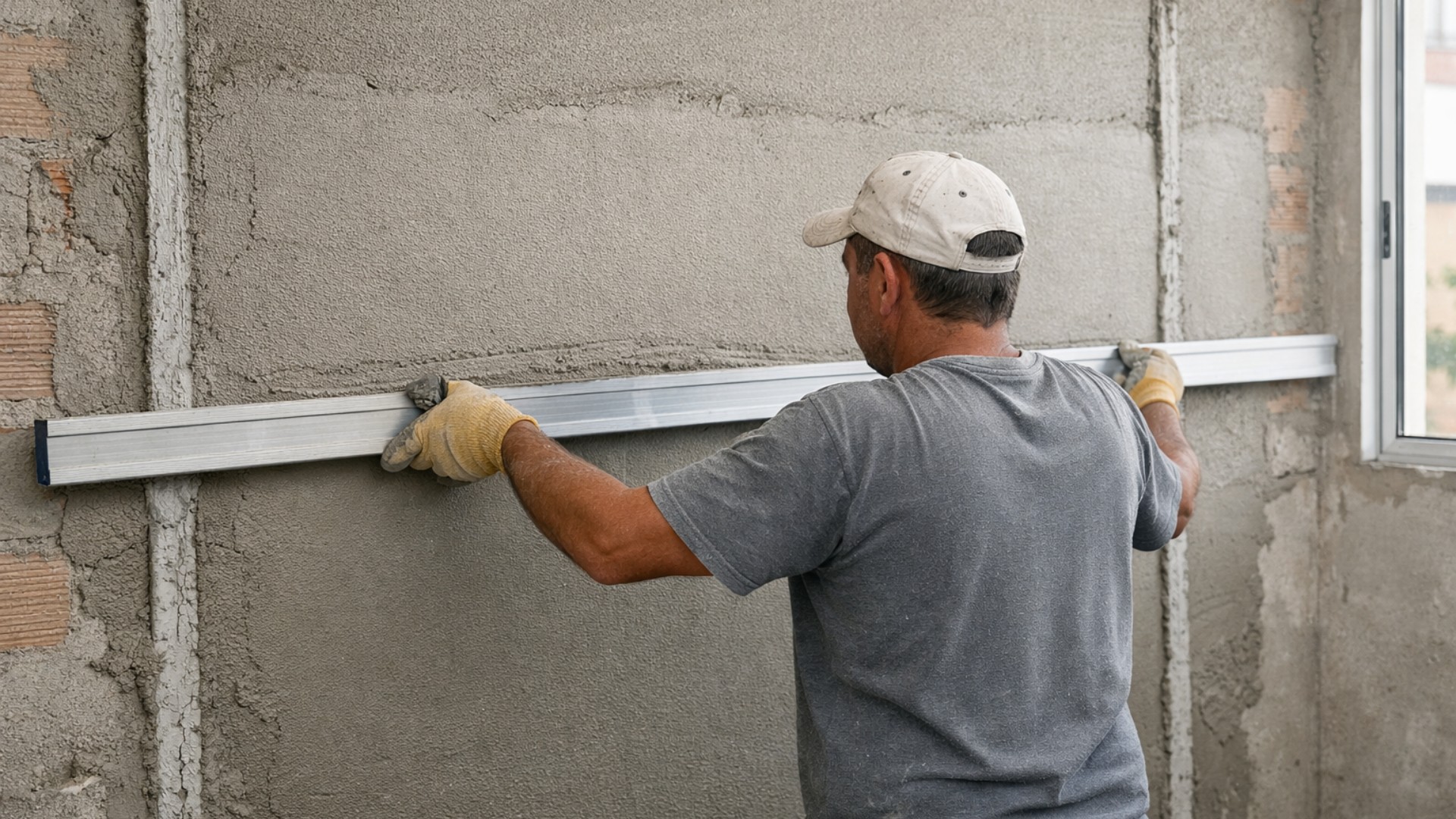
On-site, the strength depends on the correct proportion of cement, sand, gravel, and water, the actual moisture of the sand, consistency of the mix, and the operator’s experience. A simple variation of extra water can drop the strength by over 20%, without any immediate visual sign. This type of error appears years later in the form of cracks, settlement, and deformations.
Construction Timeline: Where Ready-Mixed Concrete Takes the Lead
With ready-mixed concrete, a slab of 25 to 30 m³ can be poured in less than an hour. With manual concrete, the same slab can take an entire day, with a greater risk of cold joints, exhausted teams, and variations in the mix during placement.
In practice, this means more labor days, more delays in the schedule, and higher indirect costs with the project remaining open for longer.
With on-site concrete, part of the money literally turns into debris. Hardened leftovers in the mixer, material lost in transport, and dosage errors create waste that easily exceeds 10% of the total volume. With ready-mixed concrete, the volume is almost exact with minimal excess.
Homogeneity of the Structure and Risk of Weak Points
Ready-mixed concrete is homogeneous from the first to the last cubic meter. In contrast, with on-site mixed concrete, there is often variation within the same structure. This generates weaker columns, uneven beams, and slabs with irregular behavior, increasing the risk of localized cracks and differential deformations.
When On-Site Concrete Still Makes Sense
Manual concrete can still be used when the volume is small, when truck access is impossible, when there is no pump available, or when the project is extremely simple and not structurally critical.
In sidewalks, small footings, and simple floor casts, it may still be viable if there is strict control.
The Wrong Decision Costs Little at First but Much Later
The greatest danger of this choice is that the losses from poorly made concrete do not appear in the initial budget. They emerge later in the form of cracks, settlements, expensive structural reinforcements, and, in the most severe cases, compromising the safety of the building. Structure does not accept improvisation. If you make a mistake with the concrete, the error stays frozen within the project.
If the priority is structural safety, short timelines, and quality control, ready-mixed concrete is clearly superior. If the priority is only the lowest initial expenditure on small projects, on-site concrete can still be used with extreme caution. The larger and more technical the project, the less room there is for improvisation.









-

-

-

-

-

-

14 pessoas reagiram a isso.