





 Portuguese
  English
  Spanish
  2 min of reading
  0 comments


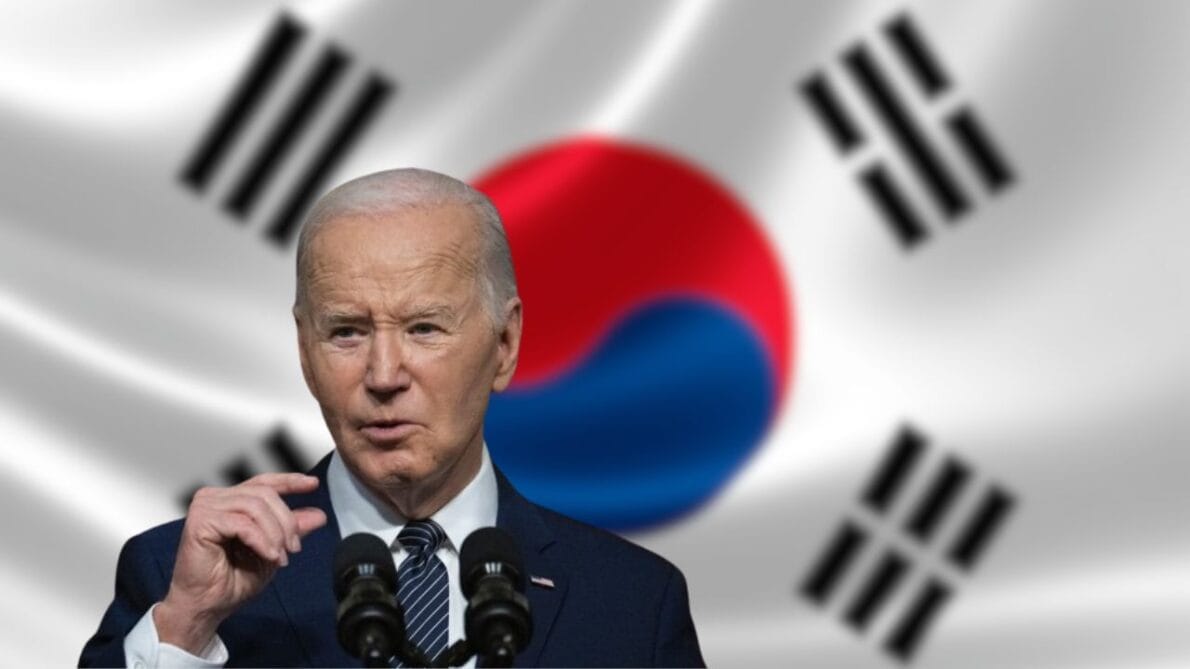
Nuclear Submarines Are Giant Silent Sea Monsters, Capable of Patrolling the Oceans With Unmatched Power. But What Makes Them So Special? And Why Did the United States Give an Ultimatum to South Korea About These Submarines?
A nuclear submarine, an innovation from the United States, is a vessel equipped with a nuclear reactor that provides power to propel the submarine and operate all its onboard systems, including electronics, life support systems, and armaments. What sets a nuclear submarine apart from conventional submarines is the nuclear reactor, which allows the submarine to operate for long periods without the need for refueling, unlike diesel-electric submarines.
With the growing threats from North Korea, the nuclear submarine program is essential for South Korea’s defense. However, South Korea relied on the help of the United States to develop these submarines. Something changed, and the United States issued an ultimatum that dashed South Korea’s hopes.
During a Security Summit in Singapore, US Defense Secretary Lloyd Austin Ruled Out the Possibility of Including South Korea in the AUKUS Agreement


The Pentagon stated that, due to AUKUS commitments with Australia, it would be unlikely for the United States to assist South Korea in building nuclear submarines at this time. When asked how he would respond to a direct request from South Korea, Austin said it would be “very, very difficult” to accommodate that demand beyond what is already being done. He mentioned that AUKUS is a good addition to regional security.
-
With 74% of companies facing difficulties in hiring, technicians and engineers in renewable energy are becoming scarce in Brazil and are essential to support the expansion of solar, wind, and green hydrogen projects.

-
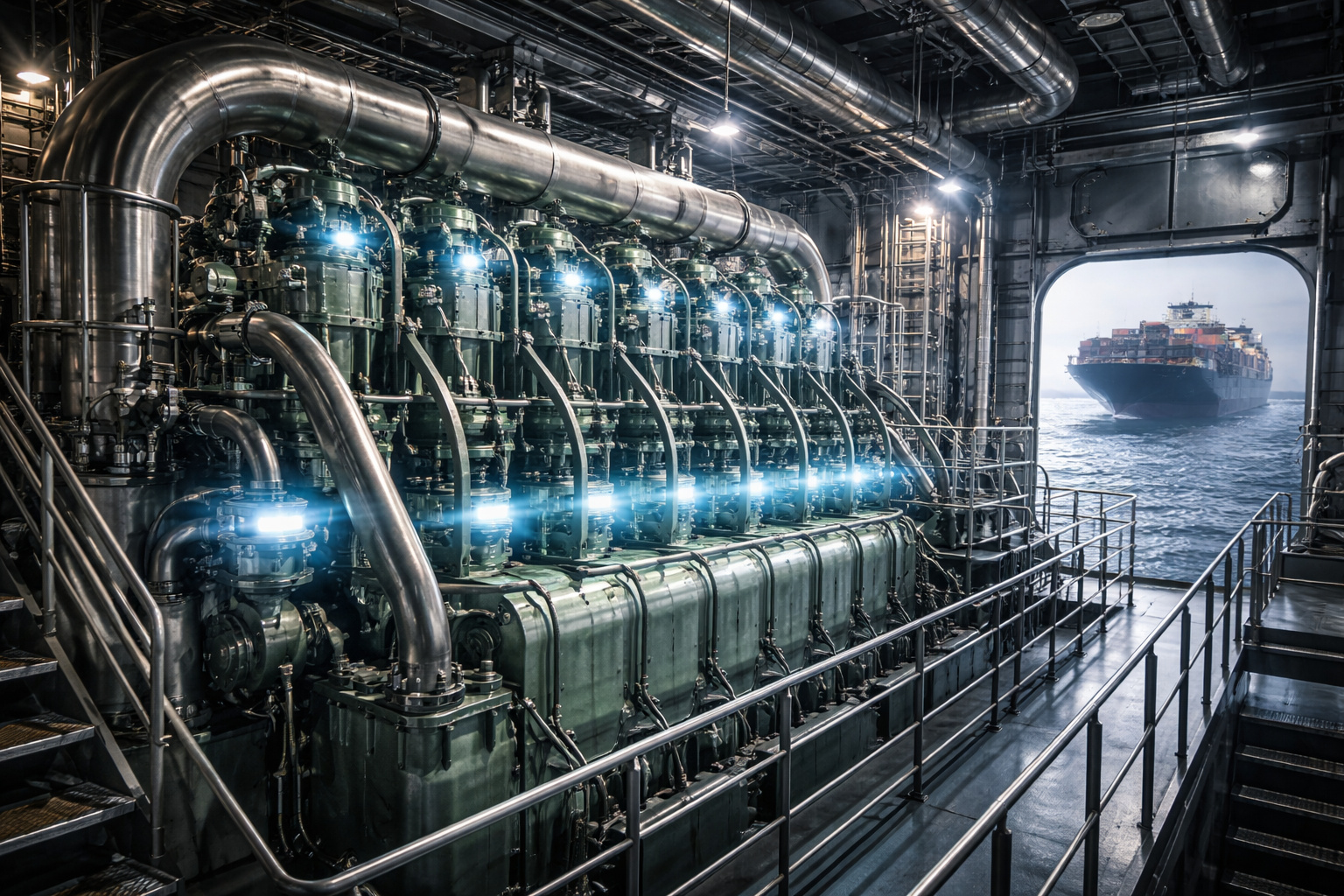
Europe is trying to create an ammonia-powered marine engine without auxiliary fuel, which could unlock the race for giant emission-free ships. The technology aims to eliminate one of the biggest obstacles to clean maritime propulsion.
-
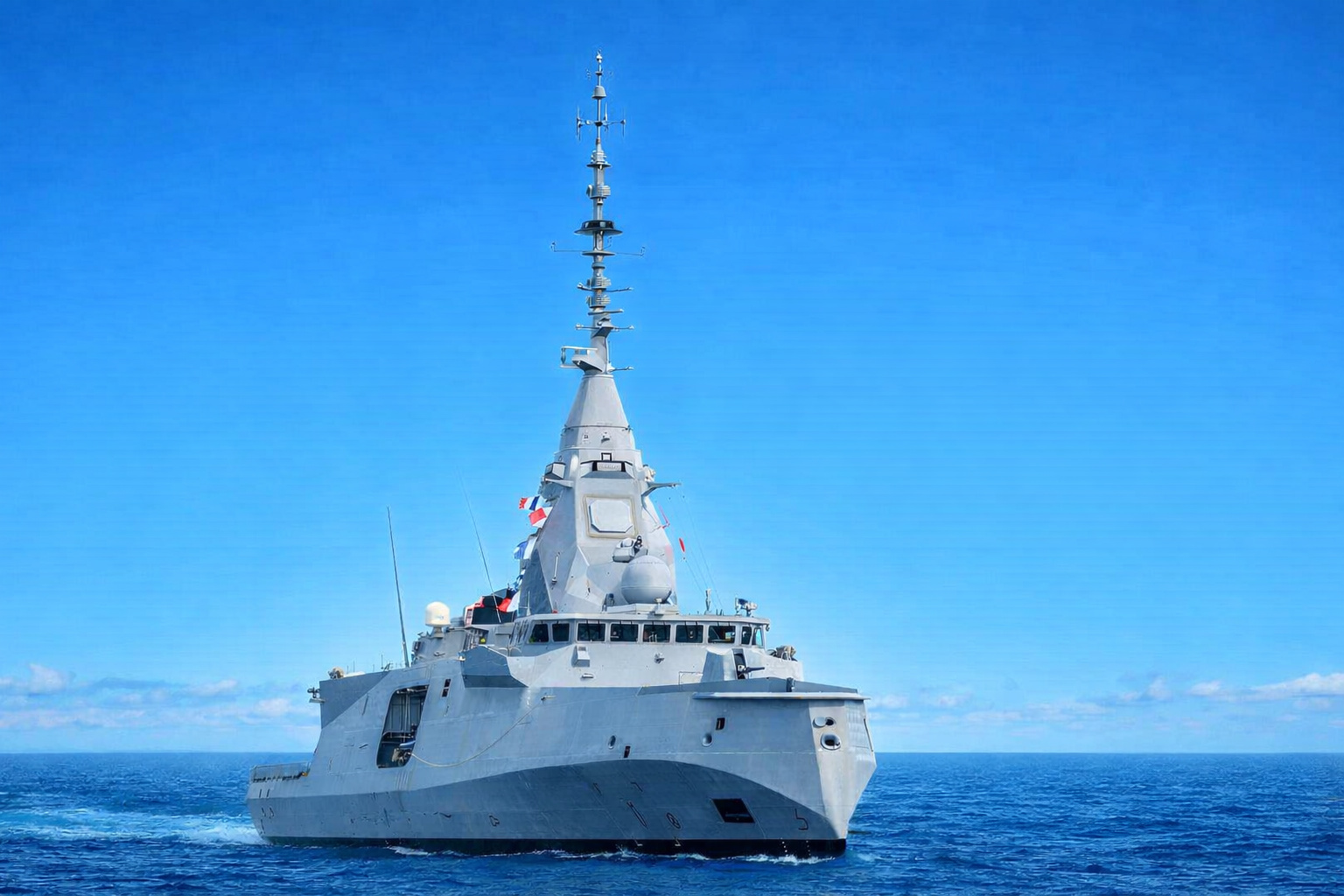
A 4,500-ton frigate with just over 100 crew members, state-of-the-art radar, and cruise missiles is being touted as the new standard of naval warfare in the 21st century.
-
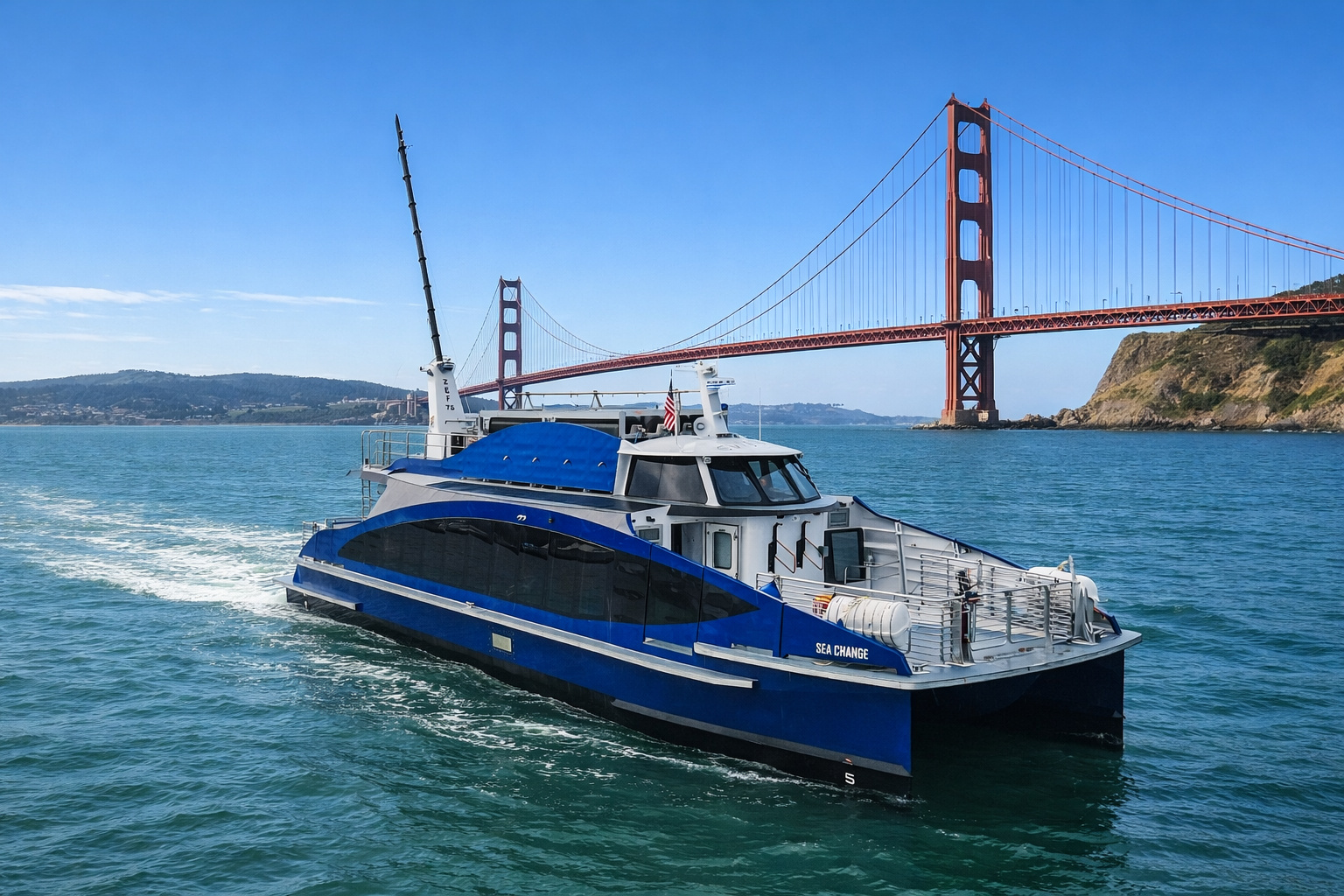
The first commercial hydrogen-powered ferry enters operation in the U.S., eliminates the use of diesel, uses fuel cells to generate clean energy on board, and transforms San Francisco Bay into a landmark of the new era of emission-free navigation.

In 2021, the United States signed the AUKUS pact with the United Kingdom and Australia to share nuclear submarine technology and sell at least three Virginia-class submarines to Australia in the 2030s. South Korea expressed interest in getting involved in the project, but the priority for the United States is to neutralize China’s growing power in the Asia-Pacific region.
This security pact in two phases is the first time Washington has shared nuclear propulsion technology since doing so with the United Kingdom in the 1950s. The United States’ decision not to include South Korea in AUKUS could have significant impacts on regional security and the relationship between the two countries.








Seja o primeiro a reagir!