





 Portuguese
  English
  Spanish
  5 min of reading
  0 comments


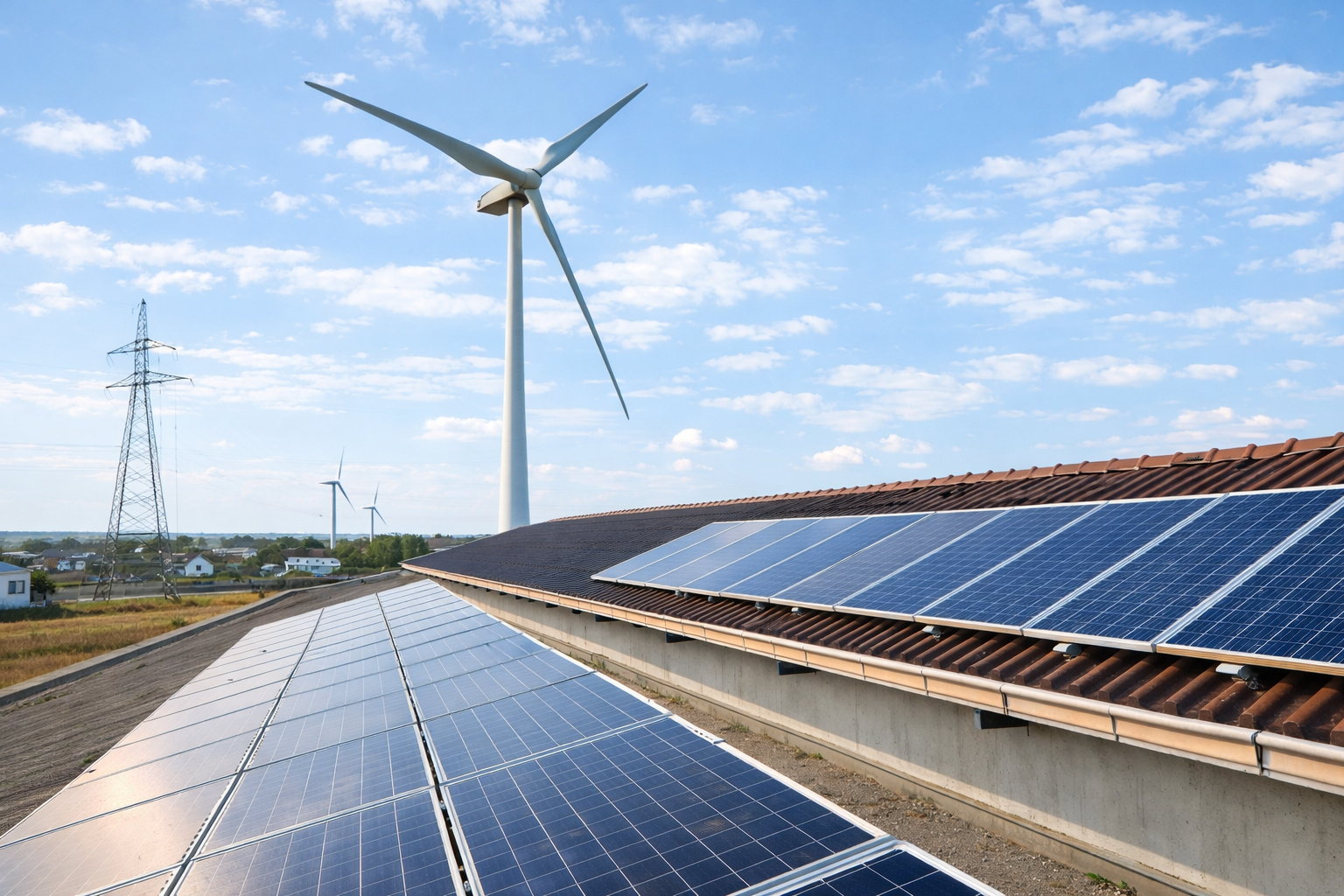
How The Reduction Of Dependence On Oil Advances With The Expansion Of Solar, Wind, And Hydropower
The reduction of dependence on oil is advancing in Brazil as solar, wind, and hydropower increase their participation in the energy matrix and drive job creation. Moreover, investments in renewable sources strengthen energy security and reduce exposure to fluctuations in the international market.
In this context, experts point out that the country has strategic natural conditions to accelerate the energy transition. Therefore, the growth of renewables is already impacting the economy, industry, and job market.
At the same time, governments and businesses seek alternatives to decrease vulnerability caused by global crises in the oil sector. Thus, diversifying the energy matrix gains prominence.
-
The Brazilian state accelerates industrial competitiveness with a focus on the extraction of strategic minerals to boost the energy transition in Goiás.

-
A Canadian retiree creates a hydroelectric system on a real river, generating energy continuously throughout the day and demonstrating how the power of water can supply a house with stability even in a simple structure.

-
Petrobras reaffirms its commitment to the market and ensures that it will carry out the energy transition safely to maintain national sovereignty.

-
Researchers discover a possible hydrogen deposit of up to 46 million tons beneath an ancient coal basin, and the volume could exceed half of the entire global production.


Solar Energy Grows And Expands Job Opportunities
Brazil has a high solar irradiation index throughout the year. Thus, companies are investing in large-scale solar plants and distributed generation systems.
Additionally, homes and businesses are installing photovoltaic panels to reduce electricity costs. Therefore, the solar sector has recorded constant growth over the past decade.
In this scenario, the production chain involves equipment manufacturers, installers, engineers, technicians, and maintenance companies. Thus, solar energy directly contributes to the creation of skilled jobs.
At the same time, new projects attract national and international investments. Thus, the expansion of photovoltaic generation strengthens the regional economy, especially in the Northeast and Southeast states.
On the other hand, reducing dependence on oil also decreases the need for imported fossil fuels for thermal energy generation. Thus, the country reduces costs and increases energy autonomy.
Wind Energy Transforms Regions And Strengthens The Economy
Brazil holds a prominent position in wind energy generation. Constant and high-speed winds favor the installation of wind farms, especially in the Northeast.
Moreover, companies are expanding offshore projects that use turbines installed at sea. This movement opens up new job opportunities and requires specialized labor.
In this context, wind energy helps reduce dependence on oil by replacing thermal sources powered by fossil fuels. Therefore, the electrical system gains more stability and sustainability.
At the same time, municipalities that host wind farms report increased revenue and local development. Thus, the activity generates direct and indirect jobs, from construction to the operation of turbines.
Furthermore, the domestic industry is beginning to manufacture components such as towers, blades, and electrical systems. Thus, the sector stimulates industrial production and enhances the country’s competitiveness.
Hydropower Maintains Strategic Role In The Brazilian Matrix
Hydropower represents a significant portion of the Brazilian electrical matrix. Large hydroelectric plants ensure continuous supply and low operational costs.
Moreover, small hydropower plants expand generation capacity in specific regions. Therefore, the country maintains a strong presence of this renewable source.
In this scenario, the combination of hydroelectric, solar, and wind allows for greater balance in the system. When there is less sunlight or wind, hydropower reservoirs help compensate for production.
Thus, reducing dependence on oil occurs in an integrated manner, with multiple renewable sources acting simultaneously.
At the same time, modernization projects for existing plants generate jobs in engineering, maintenance, and technology.
Economic Impact Of The Energy Transition
The reduction of dependence on oil affects not only the energy sector. It influences the entire economy.
Firstly, the country reduces spending on fuel imports. Additionally, energy diversification protects against sharp fluctuations in barrel prices.
In this context, companies can plan costs with more predictability. Therefore, the industry gains competitiveness.
At the same time, investors see opportunities in sustainable projects. Thus, national and international funds direct resources to clean energy.
Moreover, the expansion of renewables stimulates technological innovation. Startups develop solutions in energy storage, smart grids, and energy efficiency.
Thus, the country strengthens its innovation ecosystem and creates jobs in strategic areas.
Job Creation At Different Qualification Levels
The energy transition creates jobs for professionals with different qualifications.
Engineers, electrical technicians, solar panel installers, turbine operators, and environmental specialists find expanding opportunities.
Additionally, universities and technical institutions are expanding courses focused on renewable energy. Therefore, young people are entering fields with high future demand.
At the same time, workers who were in traditional sectors can migrate to new functions with proper training.
In this scenario, reducing dependence on oil also contributes to professional retraining and productive inclusion.
Sustainability And Environmental Commitment
The expansion of solar, wind, and hydropower reduces greenhouse gas emissions. Thus, the country advances in meeting climate goals.
Moreover, companies adopt environmental commitments and invest in clean sources to improve reputation and meet market demands.
In this context, consumers value brands aligned with sustainability. Therefore, the energy transition also connects to market behavior.
At the same time, public policies encourage projects with lower environmental impact. Thus, the renewable sector gains institutional support.
Challenges Of Reducing Dependence On Oil
Despite the progress, the country faces significant challenges.
The expansion of transmission lines requires robust investments. Moreover, energy storage still presents high costs.
In this scenario, governments and businesses need to plan for the efficient integration of renewable sources.
On the other hand, technological development tends to reduce costs over time. Thus, solutions in batteries and green hydrogen gain traction.
Meanwhile, the private sector maintains growing interest in sustainable projects, especially in light of global pressure for decarbonization.
Brazil Can Become A Global Reference
Brazil holds natural and structural competitive advantages. It has abundant sunlight, constant winds, and great hydropower potential.
Moreover, it has established experience in hydropower generation and biofuels.
In this context, reducing dependence on oil can position the country as a global reference in clean energy.
At the same time, developing new technologies strengthens exports and expands Brazil’s presence in international production chains.
Thus, the energy transition represents not only an environmental change but also a long-term economic strategy.
What To Expect In The Coming Years?
Experts project continuous growth in the installed capacity of solar and wind energy. Additionally, new energy auctions are expected to stimulate investments and expand infrastructure.
In this scenario, the reduction of dependence on oil is likely to gradually intensify. At the same time, consumers should adopt solutions such as self-generation and electric vehicles.
Thus, the country consolidates a more diversified, sustainable, and resilient energy model. The reduction of dependence on oil advances with the strengthening of solar, wind, and hydropower in Brazil.
Moreover, the growth of renewable sources generates jobs, attracts investments, and stimulates innovation. Therefore, the energy transition consolidates as an essential strategy to ensure security, sustainability, and economic development.
Meanwhile, the country expands its position on the global stage and transforms natural resources into real opportunities for millions of Brazilians.











Seja o primeiro a reagir!