





 Portuguese
  English
  Spanish
  4 min of reading
  0 comments


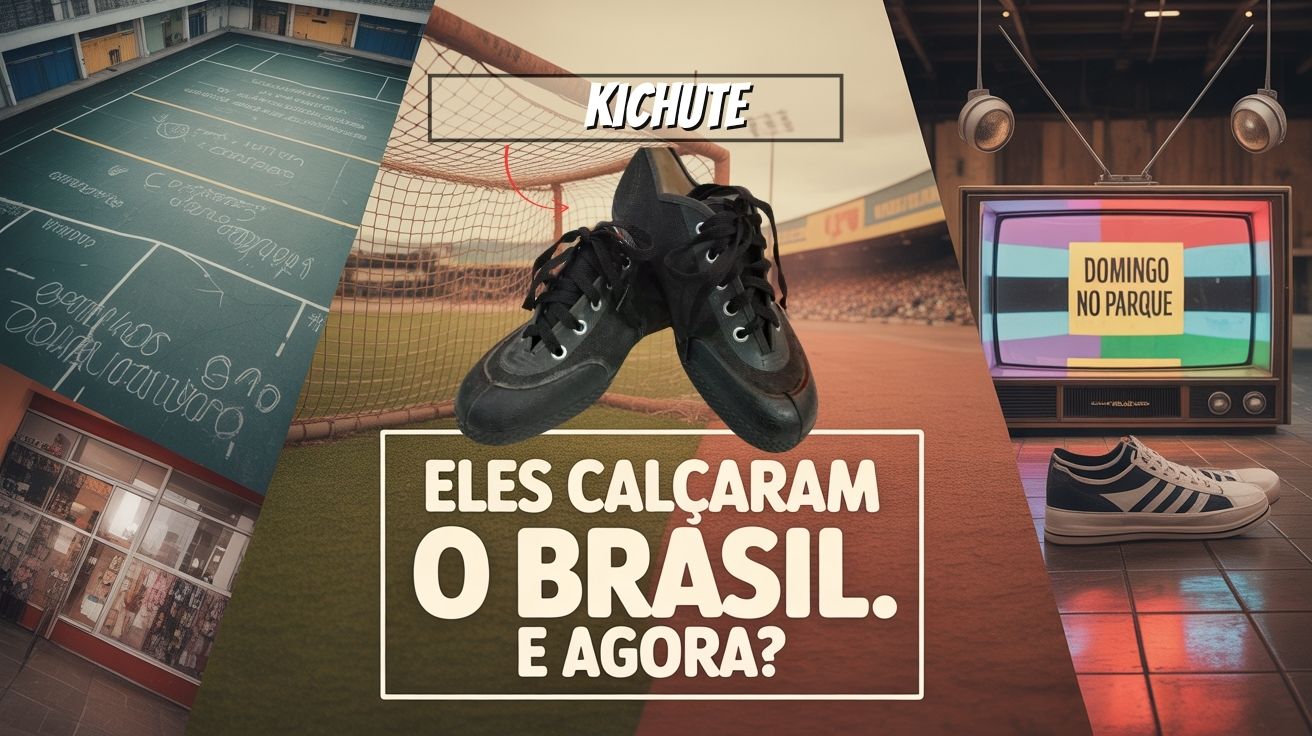


They Dominated the Feet of Brazilian Children in the 70s and 80s, Disappeared in the 90s, and Now They Have Returned as Disputed Rarities. The Value Surprises Those Who Keep Childhood Memories—But Nostalgia Can Cost More Than It Seems.
One of the most iconic shoes of Brazilian childhood in the 1970s and 1980s has once again caught attention.
The Kichute sneaker, which marked generations of children on soccer fields and in public schools, has today become a collector’s item—and on platforms like Mercado Livre and OLX, its value can exceed R$ 500, depending on the condition and size.
The Bamba model, equally popular at the time, has also begun to attract the interest of nostalgics and collectors.
-
He started running at 66 years old, broke records at 82, and is now a subject of study for having a metabolic age comparable to that of a 20-year-old, in a case that is intriguing scientists and inspiring the world.

-
Oldest tree on the planet reappears after 130 years of searches: Wattieza, 385 million years old, was 10 meters tall and had no leaves or seeds; Gilboa fossils in New York solved the mystery in 2007.

-
A 48-square-meter house assembled in hours with 4,000 bricks made of recycled plastic that does not absorb moisture, has natural thermal insulation, and costs less than 90,000 reais in a complete kit.

-
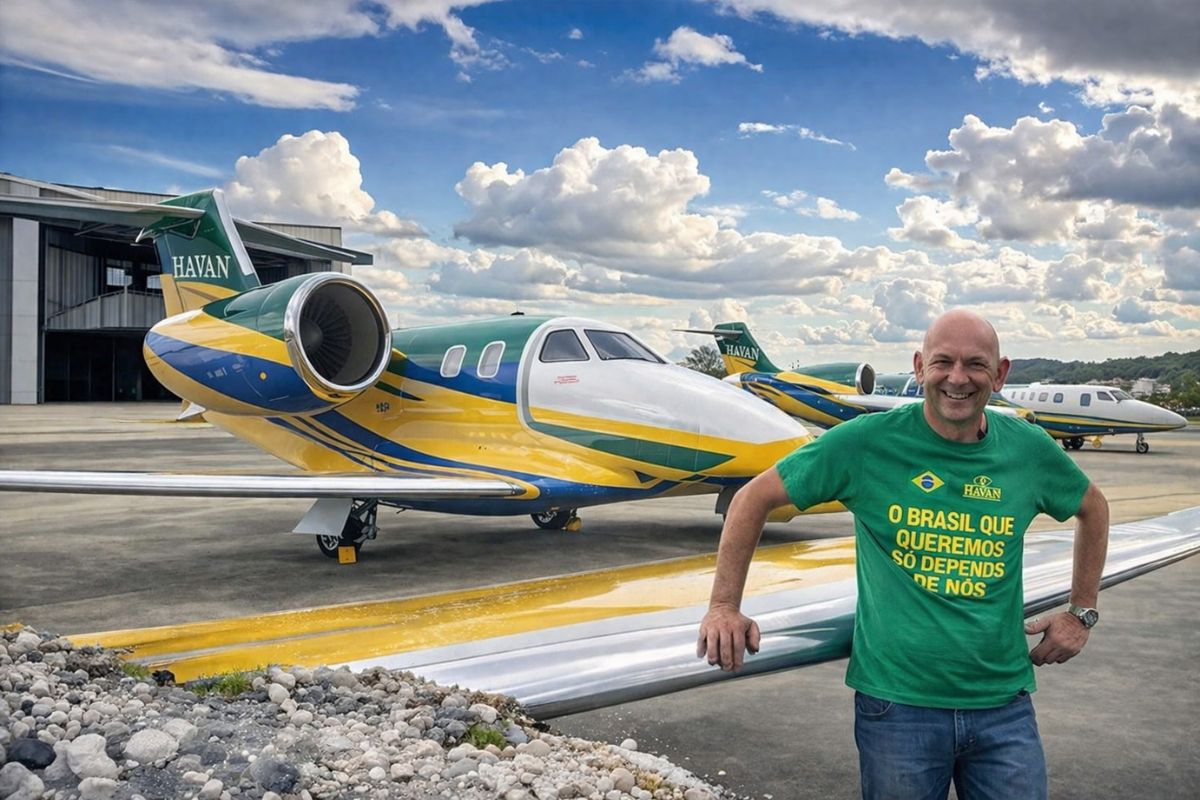
Luciano Hang revealed that Havan’s air fleet has already accumulated more than 20,000 landings, 10,000 flight hours, and 6 million kilometers traveled, and he says that without the planes, the company would never have grown so quickly.

The History of the Kichute Sneaker in Brazil
The Kichute was launched on June 15, 1970, by Alpargatas, the same company responsible for the traditional Havaianas sandals.
With a tractor sole, a design that mimicked soccer shoes, and laces that extended up to the ankle, the sneaker quickly became popular among children and teenagers.
Made with black canvas and durable rubber, it adapted to both informal sports activities and school use.
It became a symbol of urban Brazilian childhood, especially among the lower classes.

The Bamba Sneaker and Its Importance in Schools
On the other hand, the Bamba sneaker, created in 1961, rose as a practical, comfortable, and durable alternative for everyday use.
With a more discreet design and a style close to “All Star” models, the Bamba was widely used by students across the country.
Its appeal lay in its affordable price and durability, as well as its strong association with school life at the time.
Kichute Sold More Than 9 Million Pairs a Year
During its peak popularity, from the late 1970s to the mid-1980s, the Kichute reached the mark of over 9 million pairs sold per year.
Alpargatas even launched advertising campaigns featuring figures like the soccer star Zico.
These actions reinforced the emotional bond between the sneaker and soccer—especially in a country where passion for the sport transcends generations.
The slogan “Kichute, Wear This Strength” echoed in TV commercials and fueled the consumer dreams of millions of children.
The Decline with the Arrival of International Brands
With the opening of the Brazilian market to international sports brands in the 1990s, Alpargatas faced strong competition.
The company ultimately ceased Kichute production in 1996. The Bamba, in turn, had its manufacturing discontinued in 1992.
The entry of giants like Nike, Adidas, and Reebok changed the national consumption pattern, and the former bestsellers were relegated to a nostalgic past.
Kichute and Bamba Sneakers Return as Relics
But fashion is cyclical, and the feeling of nostalgia has proven to be a strong fuel for consumption.
In recent years, both the Kichute sneaker and the Bamba sneaker have once again sparked interest.
Original models in good condition have begun to be sought after in marketplaces and antique fairs.
Some pairs are sold for prices ranging from R$ 248 to R$ 698, depending on the degree of preservation, the rarity of the model, and the size.

Reissues and the Strength of the Retro Market
The retro market has also driven reissues inspired by classic models.
Alpargatas has even tested special editions with designs similar to the original.
These reissues are aimed at consumers who want to relive the aesthetics of past decades.
However, there is still no official forecast for large-scale return of these shoes.
This scarcity increases their symbolic and financial value.
Nostalgia and Affective Memory
The appreciation of both models is not limited to their appearance.
For many Brazilians, the Kichute and the Bamba represent a time marked by street play, improvised soccer games, strict school hours, and a less connected lifestyle.
It is precisely this emotional weight that transforms the sneakers into relics: more than just shoes, they carry stories.
Both models are part of the collective imagination of a generation that grew up amid a transforming Brazil.
Accelerated urbanization, the emergence of new media, and an unstable economy formed the backdrop of that time.
In this context, affordable and durable products like the Kichute and the Bamba gained space in everyday life.
Decades later, they have become testimonies of a past that still resonates in the memories of many.
Collectors Dispute Classic Models
In collector forums and social media groups dedicated to national relics, discussions about authenticity, model variations, and reissues are frequent.
Some people seek the sneakers for personal use. Others only to keep them on shelves as pieces of home museum.
Did you have a pair of Kichute? What is the most significant memory that this sneaker brings back for you?







Tive sim,kitchute e Bamba. Os dois eram muito bons para correr e jogar ****.