





 Portuguese
  English
  Spanish
  5 min of reading
  0 comments


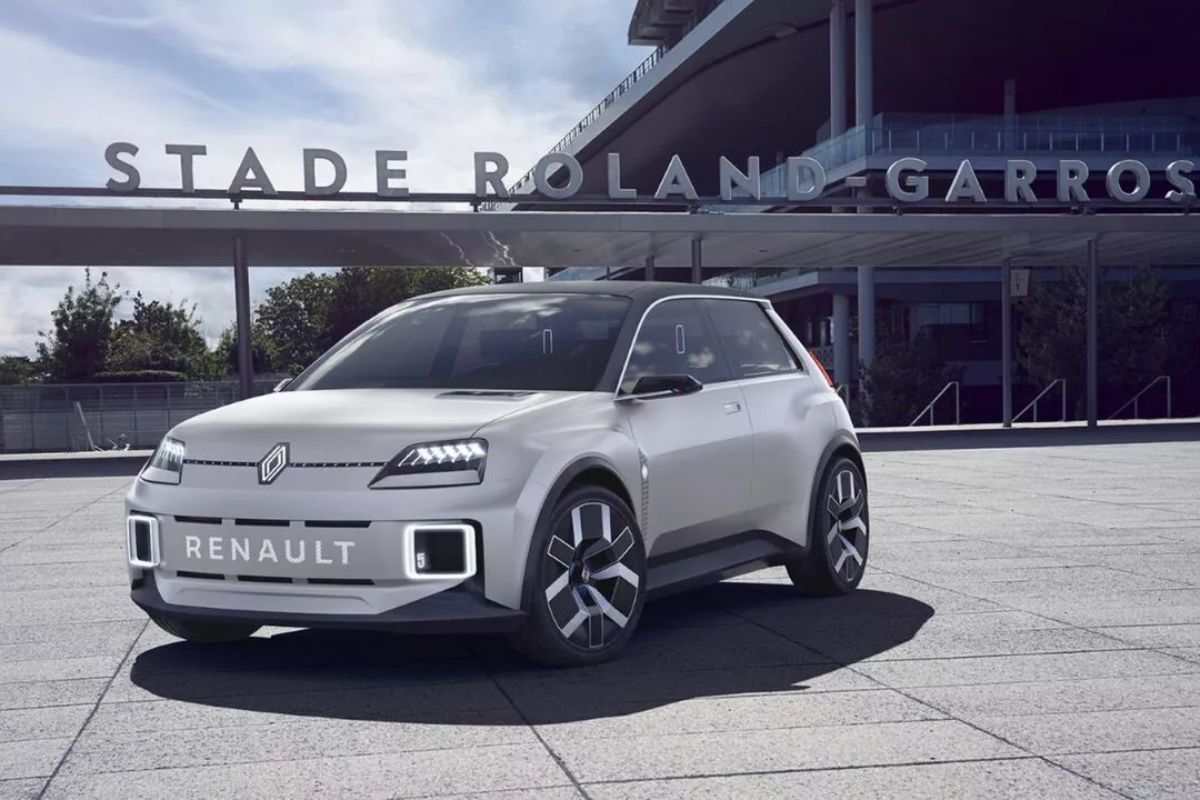
In 2025, Renault Solidifies Three Consecutive Years of Global Growth, Sells 1.628 Million Vehicles, and Shows That the Shift to Electric and Hybrid Is Already a Real Business, Not Just Marketing Talk
The Renault finished 2025 on a firm growth path, with 1,628,030 vehicles sold worldwide and a 10% increase in passenger car sales compared to the previous year. This is the third consecutive year that the brand has advanced, a direct result of a well-calibrated product offensive for each market and a strategy more focused on value than pure volume.
At the same time, the brand climbed a rung in the European ranking and ended the year as 2nd in passenger cars and light commercial vehicles, propelled by a strong pivot towards electrification: in the region, 60% of passenger cars sold are now battery electric, full hybrids, or plug-in hybrids, helping to keep average emissions below 90 g of CO₂.
Consistent Global Growth and Focus on Value
In 2025, Renault’s global sales grew by 3.2% in the sum of passenger cars and light commercial vehicles, but the big driver was indeed the passenger segment, with a 10% increase and 1,292,000 units sold.
-
A French brand placed a car on four huge red balloons to prove that its suspension made the vehicle “float,” and the surreal scene became one of the most iconic and unusual images in automotive history.

-
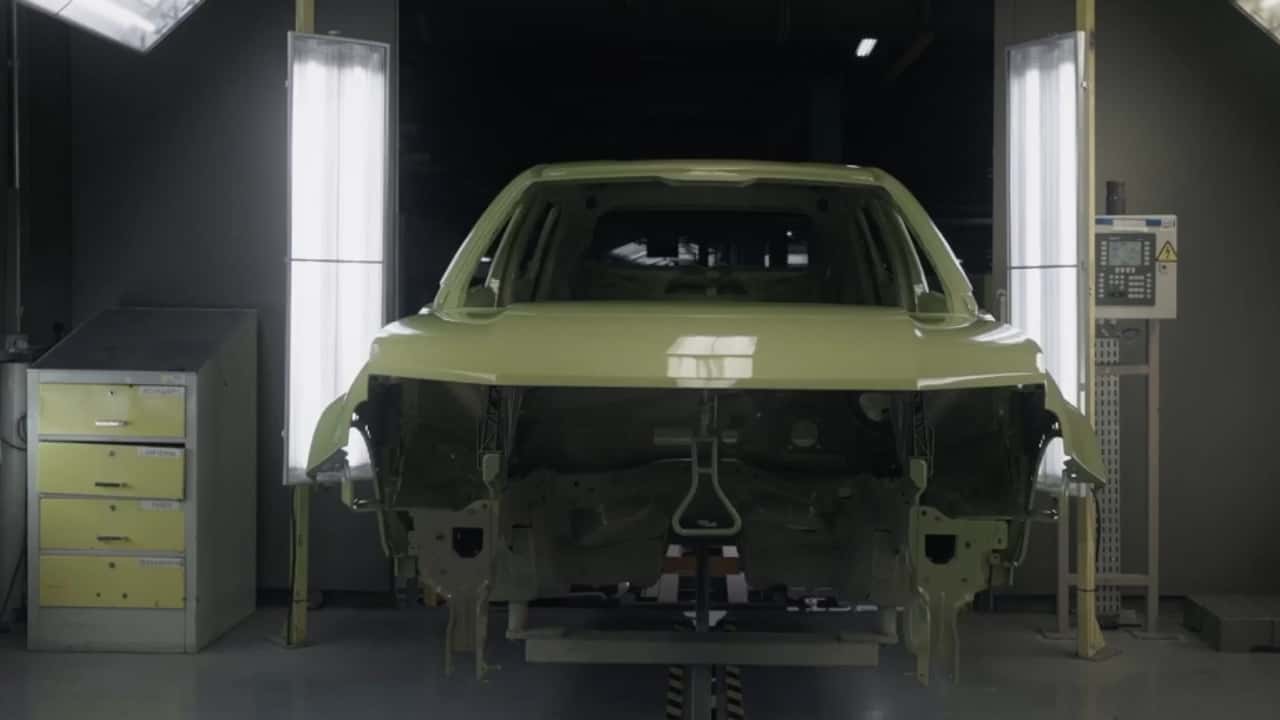
Jeep Avenger begins production in Brazil, debuting as the brand’s new entry-level SUV and inaugurating an unprecedented phase by becoming the first national Jeep manufactured outside of Goiana, as part of a R$ 3 billion plan.
-
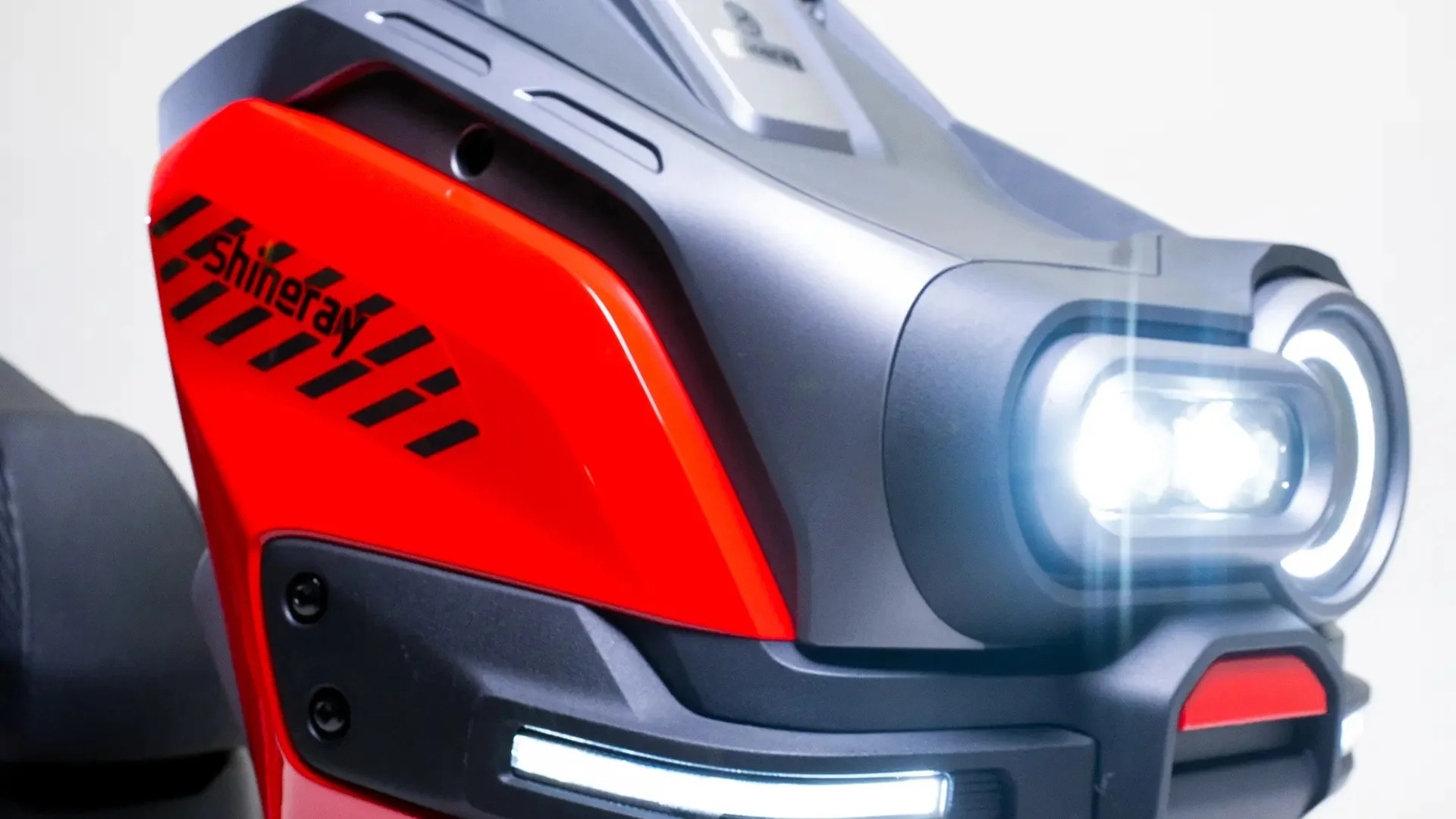
Costing R$ 12,490, the new Shineray Urban Lite 150 “cheap one” arrives in Brazil with a CVT transmission, digital dashboard, and LED lights, making it more affordable than the Biz and targeting those who want to abandon the bus.
-
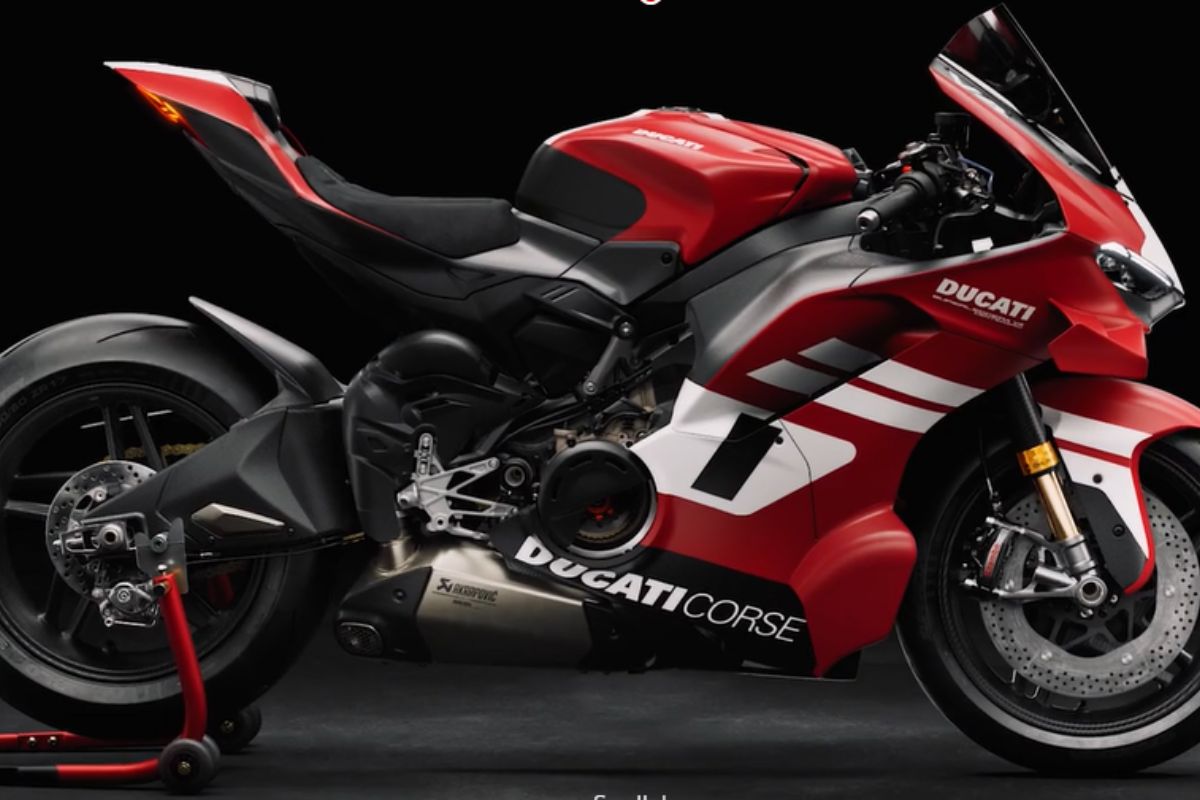
Ducati brings to Brazil the Superleggera V4 Centenario: 228 hp that become 247 with a track kit, carbon fiber and carbon-ceramic brakes, estimated price between R$ 1.5 and 2 million, deliveries only in 2027.

The brand shows that it was not an “isolated peak”: the pace was stable throughout the year, with a rise of 2.7% in the first half and acceleration to 3.8% in the second.
Besides selling more, the strategy did not involve “burning margin” to gain volume. The brand emphasizes that it is following a value policy, with a more qualified mix, higher participation in segments C and D, and focus on retail and fleet channels with better profitability.
In medium and large cars, global growth reached 7.9%, with 444,000 units, a clear signal of searching for customers willing to pay more for technology, comfort, and electrification.
Europe Becomes a Showcase for Renault’s Electrification
In Europe, Renault registered 1,004,000 vehicles sold combining cars and light commercial vehicles and gained market share in an increasingly competitive market.
Only in passenger cars, the increase was 7.4% in an environment where the total market grew by 2.3%, meaning that Renault is growing faster than its direct competitors.
The central point of this turnaround is electrification. In 2025, 60% of Renault’s passenger car sales in Europe were electrified vehicles, including pure electric, full hybrids, and plug-in hybrids, 12 percentage points higher than the previous year.
Battery electric vehicles saw a jump of 72.2%, with 151,939 units and 20.2% of passenger car sales. The brand ended the year as the leader in electric vehicles in France and number 1 in electric vehicles of segment B in Europe.
Full hybrids also advanced strongly: 287,374 units sold, an increase of 17%, representing 38.4% of the brand’s passenger car sales in a market that grew by 9%. Since 2020, Renault has sold over 1 million E-Tech hybrids, showing that the technology has moved from niche to volume basis.
Models like the Renault 5 E-Tech electric, Scenic E-Tech electric, Clio 5, and Symbioz stand as pillars of this strategy, combining renewed design, lower consumption, and reduced emissions, with a direct focus on meeting stricter environmental regulations and the growing demand for electrified vehicles.

International Game Gains Strength Outside Europe
Outside Europe, Renault has been executing the so-called International Game Plan 2027, a plan to strengthen its presence in strategic markets and reduce dependency on the European continent.
In 2025, international sales grew by 11.7%, reaching 621,435 vehicles and representing 38% of the brand’s total volume, 2.9 percentage points more than the previous year.
In Latin America, sales increased by 11.3%, with 272,600 units, driven by new products like the Kardian. In Turkey, Renault ended the year as the market leader, with an 8% increase and 144,331 vehicles, supported by a strong second half and good performance of models like the Duster.
In South Korea, sales more than doubled, reaching 52,300 units, mainly driven by the Grand Koleos, which alone accounted for 40,877 units. In Morocco, growth was even more aggressive, at 44.8%, with 41,100 vehicles and a gain of 1.4 percentage points in market share, again with the Kardian as the star.
In India, the brand registered an important turnaround: in the second half of 2025, sales grew by 18.3% year-on-year, with the fourth quarter jumping 27.4%, a clear signal that the product strategy began to gain traction after a more difficult period.
Light Commercial Vehicles Still in Recovery
If the scenario in passenger cars is one of strong growth, in light commercial vehicles, 2025 was a year of transition. Global sales of Renault’s LCVs fell by 16.5%, to 336,505 units, pressured by a European market decline of 8.3%, the gradual phasing out of the Express, and the still initial ramp-up of the new generation of the Master.
Even so, there are signs of recovery. The second half was better than the first, with a decline of 9.4% compared to a drop of 22.7% in the first half of the year. In Europe, Renault maintained the 2nd position in light commercials, with 244,900 units sold, and in Latin America, sales increased by 17.2%, to 59,800 vehicles.
In the small vans segment, the Kangoo VAN saw an increase of 8.4%, reaching 63,900 units and securing a place on the podium of the small vans segment in Europe.
In electric light commercials, the jump was even more significant: 10.1% of the LCV mix is now electric, 6 percentage points above 2024, with sales of electric LCVs growing 90% thanks to the arrival of the New Master E-Tech.
What to Expect from Renault in 2026
The plan for 2026 is to leverage the foundations laid in 2025 and accelerate where the brand is already strong: electrification, global products, and renewed light commercials.
On the international front, the Boreal, commercially launched in Brazil at the end of 2025, will be expanded to more Latin American markets and other countries from a second production hub in Bursa, Turkey, with export to over 50 destinations.
Filante, a new model in the E segment aimed at South Korea, Gulf countries, and Colombia, was showcased in Seoul and marks the fifth vehicle within the International Game Plan. By 2027, three more models are expected to be revealed under this strategy.
In Europe, the electric offensive continues with the Renault 4 E-Tech reaching new markets, the commercial launch of the Twingo E-Tech, and the arrival of the new generation of Clio 6, featuring updated design, revised powertrain, and more technology onboard.
The Megane Model Year 2026 will also be presented, while the light commercial range gains momentum with the broadening of the new Master lineup, including more thermal and electric versions to cater to both urban deliveries and long-distance operations.
Overall, the results of 2025 show that Renault is not just “catching up”: the brand combines growth in passenger cars, solid advancement in electric and hybrid vehicles, reconstruction of the light commercial division, and strengthening of its presence outside Europe, always focusing on profitability and brand value.
In your place, looking at these numbers, do you think Renault is on the right path with its bet on electric and hybrids or should it accelerate this shift even more in the coming years?









-

2 pessoas reagiram a isso.