





 Portuguese
  English
  Spanish
  5 min of reading
  0 comments


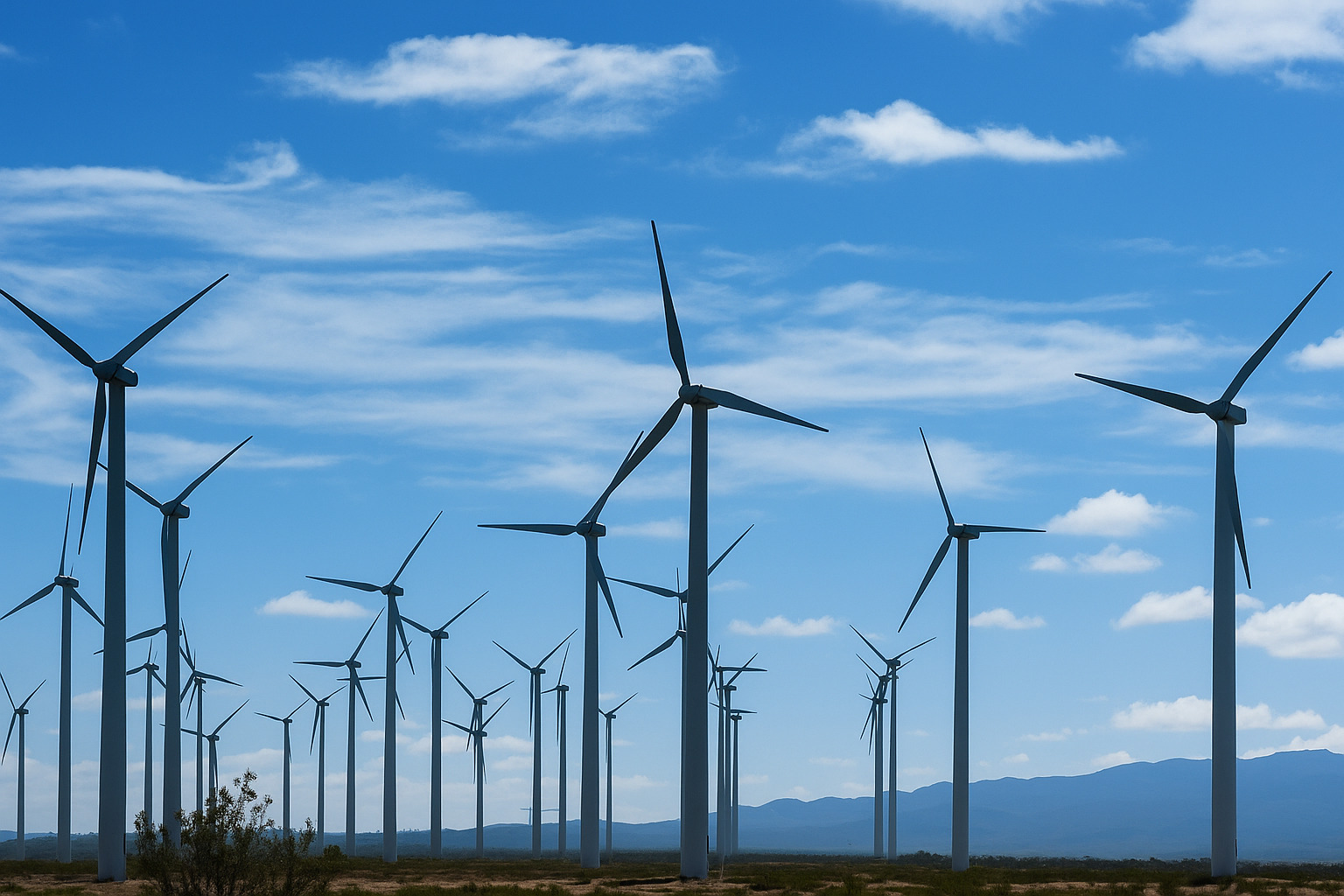
Understand How Renewable Energy Cuts Impact Generators and Create Deadlock Between Government and Aneel in Brazil.
In recent years, Brazil has rapidly expanded renewable energy generation, particularly wind and solar.
Additionally, this growth, driven by the need to diversify the energy matrix and reduce environmental impacts, brought operational challenges that are now reflected in renewable energy cuts.
Consequently, a conflict scenario emerged between the government and the National Electric Energy Agency (Aneel), causing billion-dollar losses to generators.
-
The Brazilian state accelerates industrial competitiveness with a focus on the extraction of strategic minerals to boost the energy transition in Goiás.

-
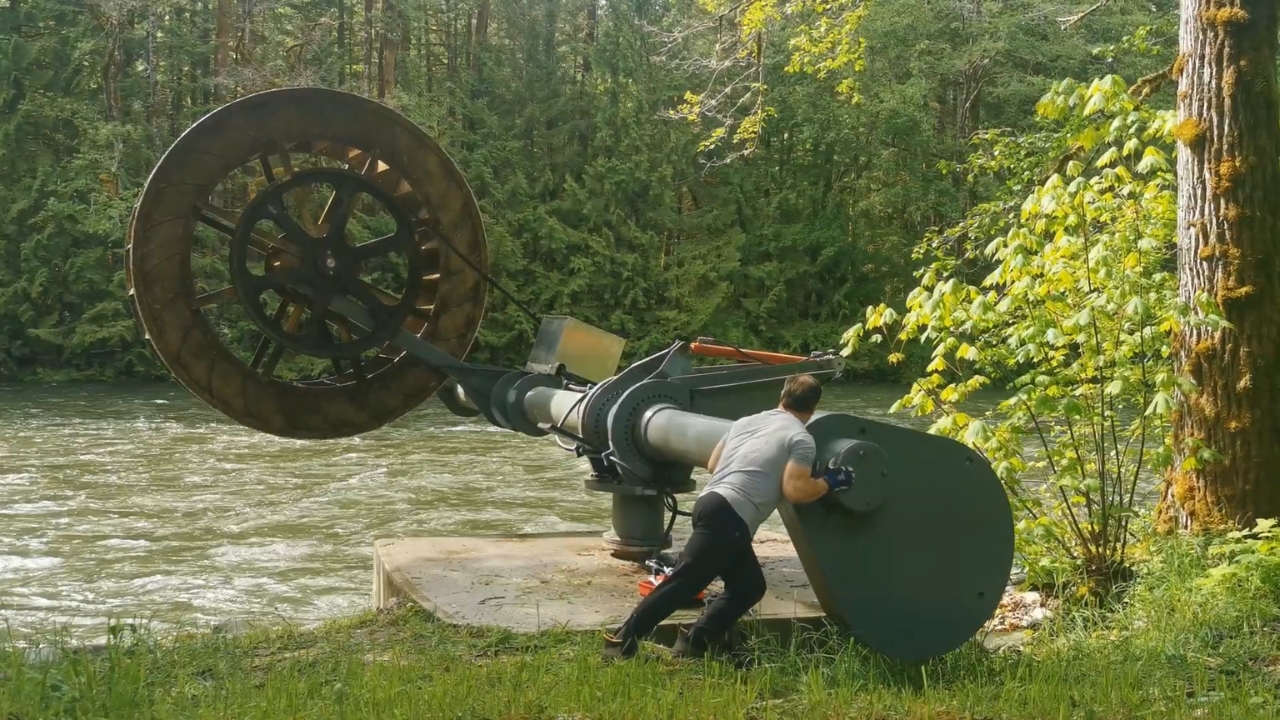
A Canadian retiree creates a hydroelectric system on a real river, generating energy continuously throughout the day and demonstrating how the power of water can supply a house with stability even in a simple structure.
-
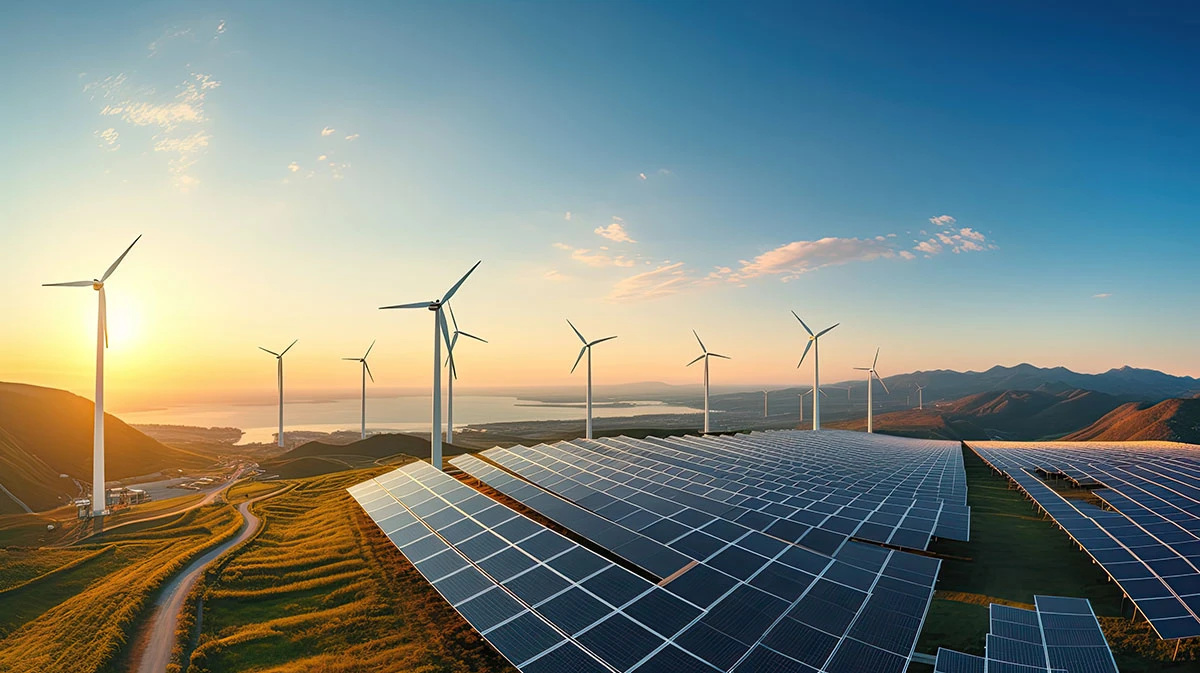
Petrobras reaffirms its commitment to the market and ensures that it will carry out the energy transition safely to maintain national sovereignty.
-
Researchers discover a possible hydrogen deposit of up to 46 million tons beneath an ancient coal basin, and the volume could exceed half of the entire global production.


The phenomenon known as curtailment, or renewable energy cuts, occurs when the National Electric System Operator (ONS) reduces the amount of energy that power plants inject into the grid.
In this way, the official goal is to avoid system overload, especially during peak hours.
However, this practice generates significant financial impacts for generators, who often cannot fulfill contracts established in the deregulated energy market.
Therefore, estimates indicate that the cuts have already caused losses that may reach R$ 5 billion.
Historically, the Brazilian electricity sector has undergone important transformations.
For decades, the energy matrix was concentrated in hydropower plants, which ensured a relatively stable energy supply.
However, the expansion of renewable sources, particularly wind since the 2000s and solar in the past ten years, introduced a new operational dynamic.
Unlike hydropower plants, these sources depend on wind and solar radiation, making production more variable and, therefore, more subject to adjustments like curtailment.
In addition, the growth of renewable generation resulted from fiscal incentive policies and specific lines of credit, which made projects more economically viable.
Thus, this policy helped to consolidate national companies in the sector, strengthening the country’s competitiveness in clean energy but also increasing exposure to risks related to cuts.
Growth of Distributed Generation and Impact on Generators
Moreover, the accelerated installation of solar panels in homes and businesses has intensified the problem.
Currently, there are about 40 gigawatts of distributed solar energy in Brazil, which the ONS cannot fully manage.
Therefore, during the day, this generation enters the system in large volumes, forcing the temporary shutdown of other larger power plants, such as centralized wind and solar plants, to maintain grid stability.
In this way, the complexity of renewable energy cuts and the difficulty in balancing the electrical system with multiple actors is evident.
Furthermore, the regulatory deadlock has become apparent between the Ministry of Mines and Energy (MME) and Aneel.
Therefore, the federal government is considering issuing a regulation to compensate affected generators, retroactive to 2021, acknowledging that the losses do not result from investor failures.
On the other hand, Aneel argues that the risk of curtailment is inherent to the sector and that investors have benefited from subsidies and incentives over the years.
Consequently, this debate reveals the tension between protecting investors and maintaining the security of the national electrical system.
The increase in lawsuits by damaged generators highlights the urgency of the issue.
Many claim that they are not at fault for the cuts and, therefore, should receive compensation.
Before the blackout of 2023, cuts affected about 0.8% of generated energy; however, currently, this number ranges between 20% and 30%.
In the first half of 2025, the cuts increased nearly five times compared to the same period in 2024, according to a survey by Volt Robotics.
Thus, it is clear that renewable energy cuts have become a structural challenge, not just a specific risk for investors.
Structure of the SIN and Responsibilities of Generators
Furthermore, Elbia Gannoum, president of the Brazilian Wind Energy and New Technologies Association (Abeeólica), explains that the central problem lies in the structure of the National Interconnected System (SIN).
That is, the generator must deliver energy to the market but does not control the operation of the system, which is the responsibility of the ONS.
When the operator prevents energy delivery, the generator suffers losses that do not receive automatic compensation.
Therefore, the need for a regulatory compensation mechanism is evident.
Among the solutions discussed, the proposal of Public Consultation 45 from Aneel stands out, suggesting the creation of a “renewables condominium” to share the impacts of the cuts among all agents, including micro and mini distributed generation (MMGD).
Thus, the proposal aims to divide costs more equitably, but still faces resistance from regulators and investors who question its implementation.
Another critical point involves the lack of transparency in the cut criteria defined by the ONS.
For instance, Donato Filho, CEO of Volt Robotics, points out that some regions, especially in the Northeast, suffer cuts of up to 60% of monthly energy, alarming financiers and jeopardizing new investments.
Additionally, the concentration of solar generation at specific times and the limited operation of thermoelectric and hydropower plants increase the complexity of efficiently managing the system.
At the same time, the regulation of technologies such as storage batteries, which could alleviate the problem, has been under discussion for years, limiting practical short-term solutions.
Furthermore, cuts affect companies’ strategic planning.
Therefore, expansion projects may face delays due to uncertainty regarding financial compensation and regulatory risks.
Moreover, foreign investors demand clearer guarantees for investments in clean energy, making the definition of rules on curtailment a priority to maintain the competitiveness of the Brazilian sector.
Financial and Strategic Impacts for the Sector
The renewable energy cuts impact not only immediate financial results.
They also influence the investment planning in the sector.
Therefore, national and international companies are showing caution when investing in renewable energy projects in Brazil, given the regulatory insecurity.
Thus, the guarantee of compensation appears to be fundamental for maintaining confidence in the sector and stimulating the ongoing expansion of clean energy sources.
Therefore, ensuring that generators receive compensation for renewable energy cuts has become a matter not only economic but strategic for the future of clean energy in the country.
The debate between government and regulator must balance system security and investment protection.
Measures such as the MME regulation could serve as an interim solution, allowing generators to operate normally while seeking long-term structural solutions.
Furthermore, adopting greater transparency, regulating storage, and integrating distributed generation is essential to reduce conflicts and financial impacts.
Additionally, clear communication between ONS, Aneel, and generators can reduce litigation and make cuts more predictable.
At the same time, the adoption of digital technologies for real-time network monitoring and generation forecasts can help mitigate impacts and better plan the operation of the system.
Therefore, clear and fair rules are crucial to consolidate a sustainable market and attract new investments, ensuring that Brazil moves forward in the energy transition safely and efficiently.









Seja o primeiro a reagir!