





 Portuguese
  English
  Spanish
  5 min of reading
  0 comments


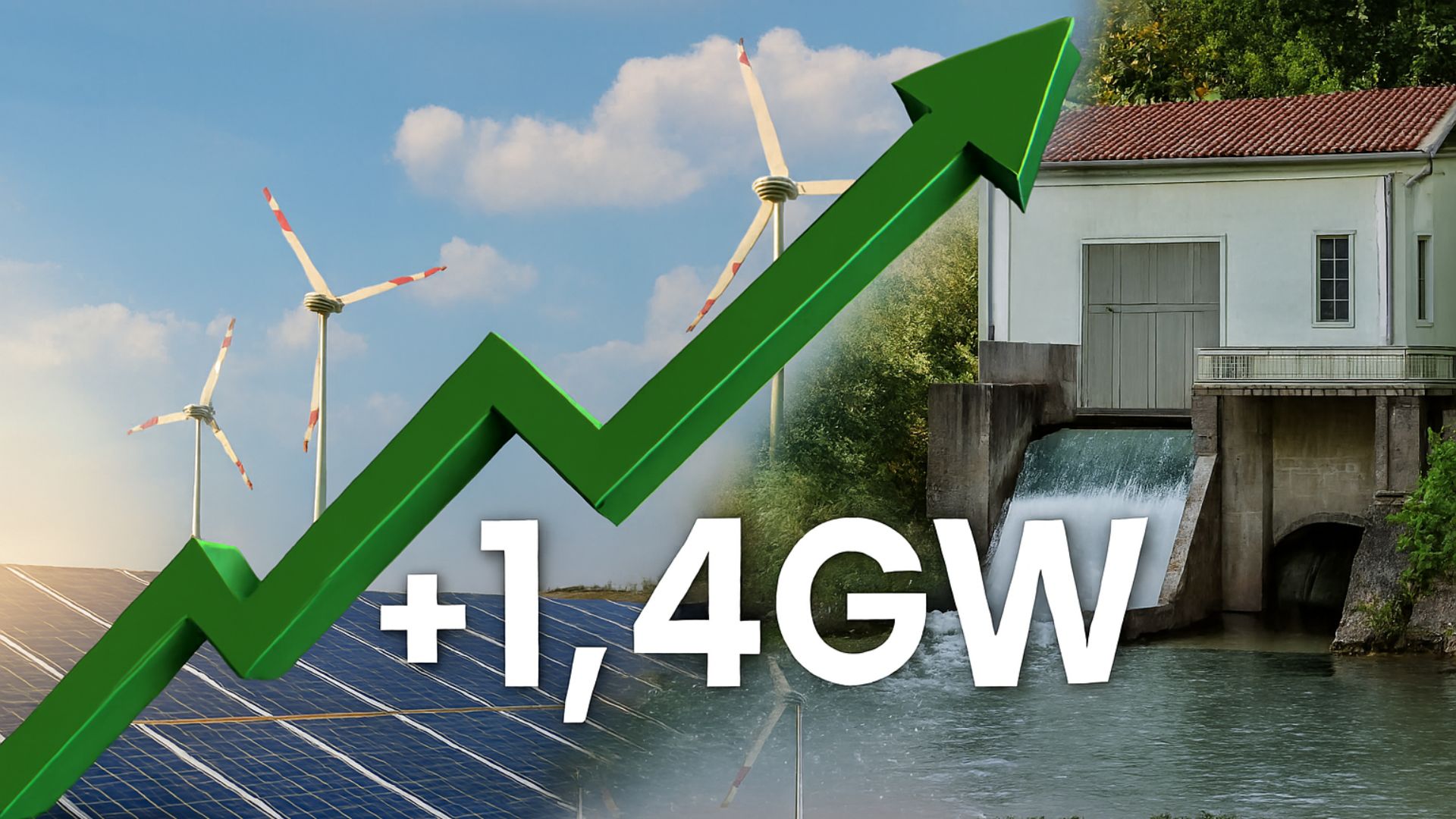
In September, Brazil Expanded Its National Electricity Matrix With 1.4 GW From Renewable Energy Driven By Solar, Wind, And Small Hydropower Plants, Strengthening The Energy Transition
The National Electric Energy Agency (ANEEL) reported that, just in September, Brazil added 1,400.21 MW (1.4 GW) to its national electricity matrix, exclusively with renewable sources.
According to the report released by the Federal Government on October 8, the result reinforces the advancement of solar, wind, and small hydropower plants in the Brazilian energy system, consolidating the energy transition as a real and growing movement.
Expansion Of 1.4 GW Reinforces The Protagonism Of Renewable Energy
According to ANEEL, throughout 2025, by the end of September, the country had already added 5,921.34 MW in new generating units — among clean and thermal sources — maintaining the accelerated expansion trend of renewable energies.
-
The Brazilian state accelerates industrial competitiveness with a focus on the extraction of strategic minerals to boost the energy transition in Goiás.

-
Seagri’s headquarters invests in solar energy with Neoenergia Coelba and promises to cut electricity costs, highlighting a strategic advance in sustainability and energy efficiency within state public administration.
-
A Canadian retiree creates a hydroelectric system on a real river, generating energy continuously throughout the day and demonstrating how the power of water can supply a house with stability even in a simple structure.

-
Solar Pyramid draws attention by converting solar energy into million-dollar savings and repositioning the City Hall of Curitiba as an example of innovation, sustainability, and intelligent use of public resources.
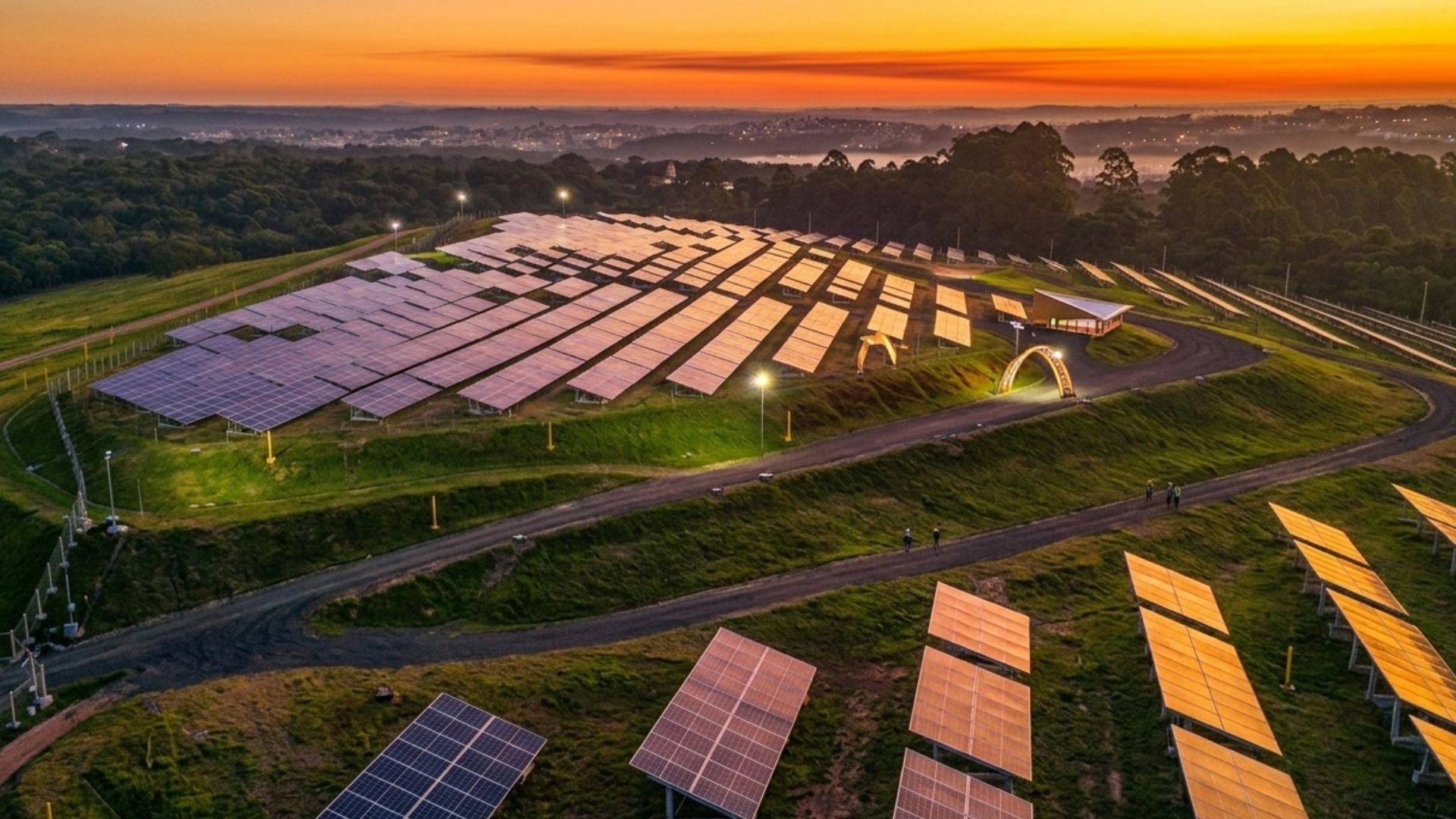

This advance consolidates Brazil as one of the cleanest matrices in the world, with more than 88% of electricity generation coming from renewable sources.
In September, all 27 plants that started operations in the country used clean energy sources, with no participation from fossil fuels. According to official data from ANEEL:
- 17 solar plants added 934.72 MW to the installed capacity;
- 8 wind farms contributed 391.50 MW;
- 1 hydropower plant added 50 MW;
- 1 small hydropower plant (PCH) generated 24 MW.
The total sum reached 1,400.21 MW, which represents one of the largest monthly increases of the year, entirely supported by renewable sources.
This movement reflects the consolidation of the energy transition, which aims to gradually replace fossil sources with more sustainable alternatives, such as solar, wind, and small hydropower.
2025 Accumulated Shows Consistency In The Growth Of The National Electricity Matrix
Between January and September 2025, Brazil added 5,921.34 MW to the electrical system, with 97 plants coming online. The composition of this growth was:
- 12 thermal power plants: 2,468.05 MW
- 35 solar plants: 1,718.35 MW
- 37 wind farms: 1,506.40 MW
- 9 small hydropower plants: 171.85 MW
- 1 hydropower plant: 50.00 MW
- 3 hydroelectric generating stations: 6.70 MW
Although there are still expansions through thermal plants, renewable sources already account for most of the new installed capacity, highlighting the structural advancement of clean energy in the country.
According to additional data from the Energy Research Company (EPE), in 2024 Brazil ended the year with 88.2% of electrical supply coming from renewable sources, a rate that is likely to grow with the expansion pace observed in 2025.
Solar Energy: The Main Force Behind The Expansion Of Renewable Energy
The photovoltaic solar segment was the standout of September, responsible for more than 66% of the new installed capacity. There were 17 new solar plants, totaling 934.72 MW.
According to data from the Brazilian Association of Photovoltaic Solar Energy (ABSOLAR), Brazil surpassed 60 GW of installed capacity in solar energy overall, incorporating centralized and distributed generation. This marks a significant leap in harnessing Brazil’s solar potential — the largest in South America.
Solar energy has an average annual growth rate of over 30%, driven by falling panel costs, regulatory incentives, and the pursuit of corporate sustainability. This expansion strengthens the decentralization of the national electricity matrix, bringing energy generation to previously underexplored regions.
Wind Energy Maintains Steady Rhythm Of Sustainable Expansion
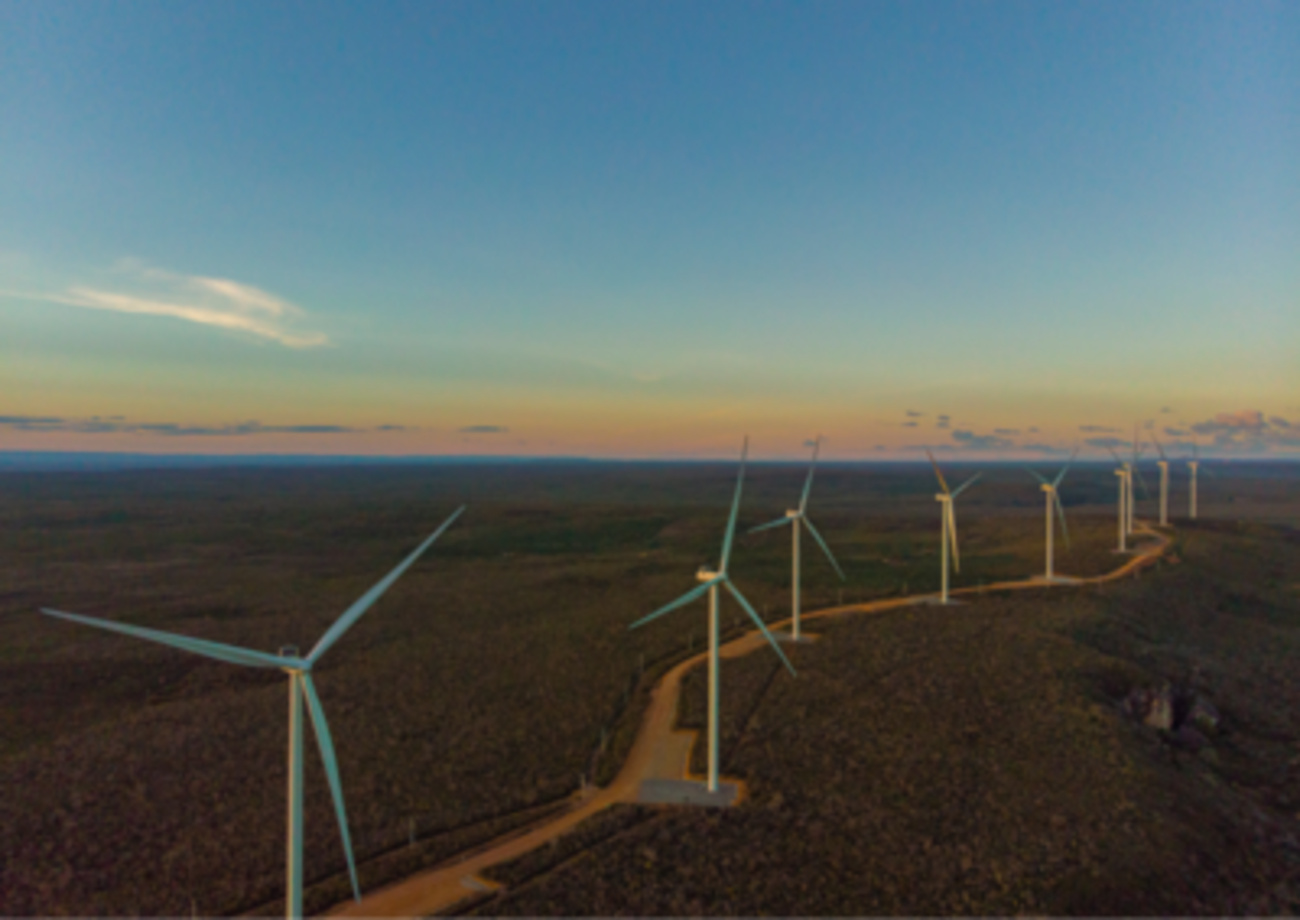
Wind farms added 391.50 MW in September, with eight new plants distributed mainly in the Northeast. The annual total for the sector reached 1,506.40 MW, with 37 projects inaugurated by the end of September.
According to EPE, wind generation accounted for about 13.5% of the total electricity produced in the country in 2024. This source plays a strategic role: it primarily generates at night and during periods of lower solar irradiation, providing an important balance in the electrical system.
The continuous advancement of wind energy is directly linked to energy security and carbon emission reduction. Additionally, Brazil ranks among the top ten largest wind energy producers in the world, with technical potential exceeding 700 GW, according to the Global Wind Energy Council (GWEC).
Strategic Role Of Small Hydropower Plants In The Energy Transition
Small hydropower plants (PCHs) and hydropower plants had a smaller share in the expansion of September, with a combined 74 MW. However, they remain essential for the balance of the national electricity matrix, ensuring stability and reliability in the system.
PCHs, in particular, are important for providing continuous and low environmental impact generation, making them allies in the energy transition. Unlike large dams, these projects have a reduced impact on wildlife, flora, and local communities.
According to ANEEL, Brazil has over 740 PCHs in operation, totaling around 6.4 GW of installed capacity, with new projects underway in Minas Gerais, Paraná, Goiás, and Mato Grosso.
Challenges And Opportunities For Renewable Energy In Brazil
Despite the positive scenario, the expansion of clean energy faces challenges that need to be overcome to ensure long-term sustainability:
- Intermittency And Storage: solar and wind sources depend on variable weather conditions, requiring investments in batteries and storage technologies.
- Transmission Infrastructure: many renewable plants are in remote areas. Expanding transmission lines is essential to carry the generated energy.
- Regulatory Environment: the predictability of public policies and regulatory frameworks is crucial to attract new investors to the sector.
- Training And Specialized Labor: the sector’s growth requires skilled professionals to work in engineering, operation, and maintenance of the new plants.
On the other hand, the opportunities are significant. Brazil has an abundance of natural resources, competitive costs, and a growing demand for clean energy, positioning it as a protagonist in global decarbonization.
Technological Advancements And The Future Of The National Electricity Matrix
The future of the national electricity matrix will depend on the intelligent integration between different sources of renewable energy. Trends already visible include:
- Hybrid Plants, combining solar and wind to compensate for production variations;
- Large-Scale Storage Systems, reducing dependence on thermal plants;
- Smart Grids, capable of balancing supply and demand in real time;
- Distributed Generation in homes and businesses, strengthening local energy self-sufficiency.
These innovations strengthen the energy transition and reduce operational costs, making the electrical system more flexible and secure.
According to the National Electric System Operator (ONS), by 2030 the country could add more than 50 GW of new renewable sources, solidifying its position as a global reference in the decarbonization of the electric sector.

Brazil Establishes Itself As A Global Reference In Renewable Energy
The performance of September 2025 — with 1.4 GW added exclusively from renewable sources — reinforces that Brazil is on a solid path towards a clean and diversified electricity matrix.
The expansion of solar, wind, and small hydropower plants demonstrates that the energy transition is not just a goal, but a reality in progress. The country combines abundant natural resources, technology, and regulation to sustain this growth.
There are still technical and regulatory obstacles, but the gains are undeniable: emission reductions, green job creation, energy security, and regional development. Brazil thus stands out as one of the largest global powers in renewable energy, demonstrating that sustainability and economic growth can go hand in hand.








Seja o primeiro a reagir!