Portuguese
  Spanish



Requests for Connection of Data Centers and Hydrogen Projects Already Exceed 54 GW and Pressure Energy Transmission in Brazil. Understand the Risks, Expected Investments, and the Challenges of the Electrical Grid Until 2038.
The Brazilian electric sector faces one of the biggest planning challenges in its recent history. A survey by the Energy Research Company (EPE), presented in the Transmission section of the Ten-Year Energy Expansion Plan 2035 (PDE 2035), indicates that the connection requests for data centers and projects related to hydrogen and ammonia to the Basic Network total 54.2 GW by 2038. According to an article published by the MegaWhat website on Monday (29), this volume is equivalent to more than half of the highest electricity consumption peak ever recorded in the country, which was 105 GW, occurring in February 2025.
Data Centers and Hydrogen as New Major Loads on the Electrical Grid
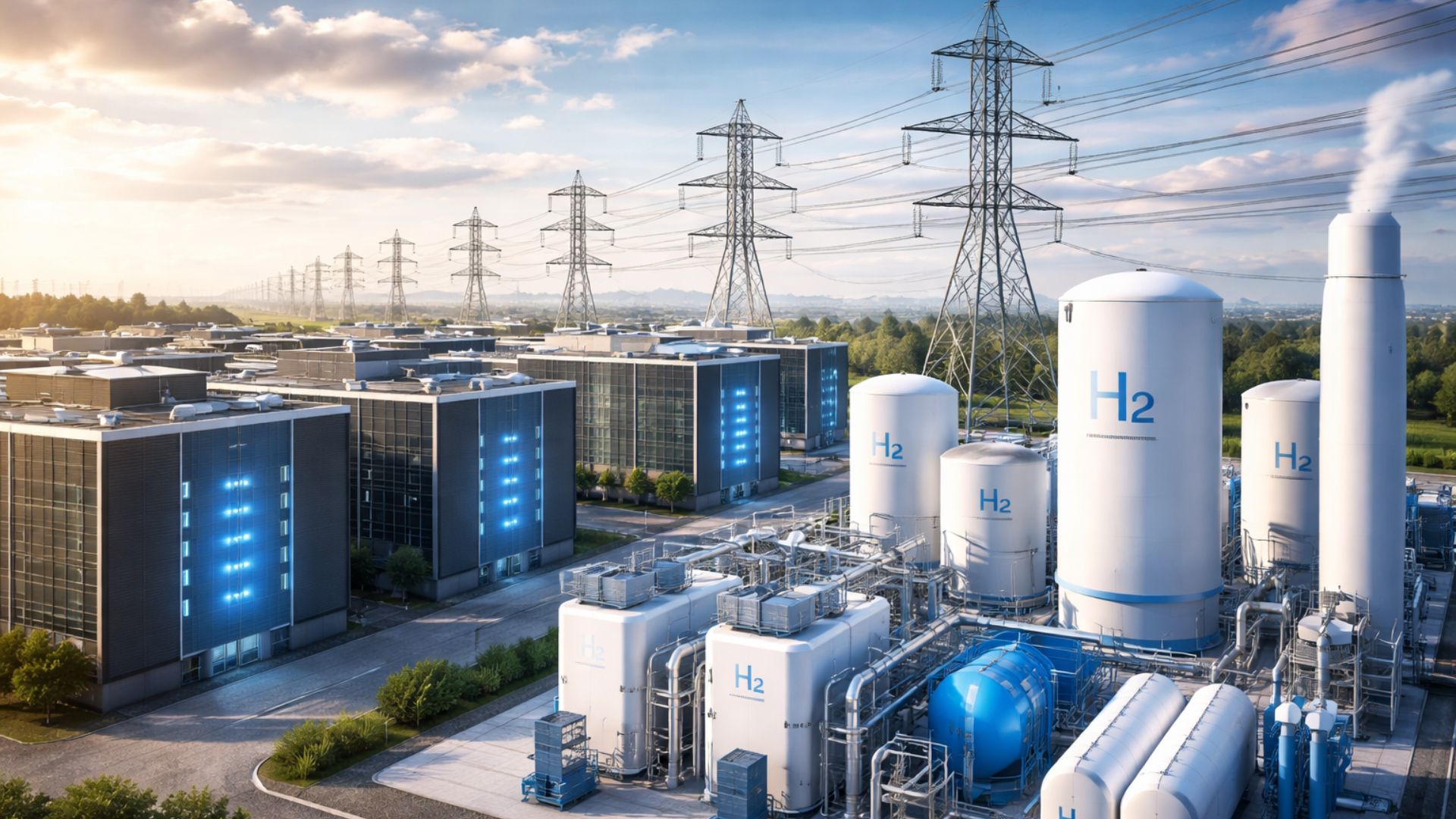
Of the total mapped, 26.3 GW refer to data center projects and 27.9 GW to enterprises associated with the hydrogen industry. The concentration of these electro-intensive loads imposes strong pressure on energy transmission and highlights the need for expansion, modernization, and greater robustness of the national electrical grid. The magnitude of these numbers places the topic at the center of strategic decisions in the Brazilian electric sector.
The accelerated growth of data centers is directly linked to the digitalization of the economy, the advancement of cloud computing, artificial intelligence, and the growing demand for data processing and storage. These facilities operate continuously, consuming high amounts of energy and requiring maximum reliability from the electrical grid.
-
USP researcher creates thesis to attract international funds for the country’s electric energy sector

-
Trafigura receives authorization from ANEEL to trade electricity in Brazil and expands its operations in the largest energy market in Latin America.
-
Mobile solar panels promised to share space with corn crops, but the 20% to 25% shade reduced production by an average of 7.7% and opened a new dispute between energy and food.
-
More than 80 million kilometers of wires need to be replaced by 2040: the energy transition doesn’t just depend on panels and electric cars, but on a colossal race for copper, aluminum, transformers, and recycling of old cables.


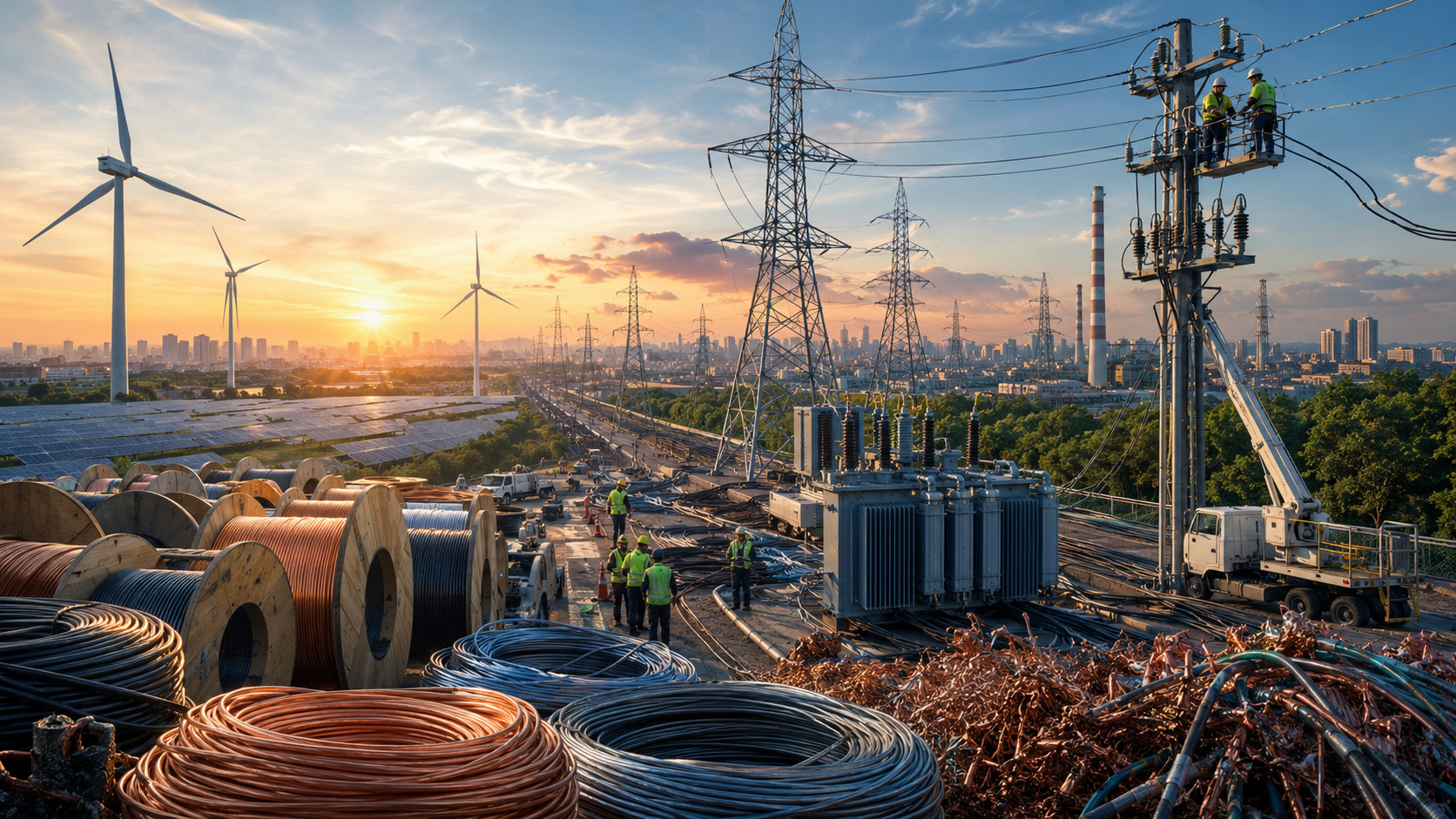
In parallel, the expansion of the low-carbon hydrogen chain emerges as a strategic vector for the energy transition. Production through electrolysis requires large volumes of electricity, reinforcing the dependence on secure and stable energy transmission. Brazil stands out in this scenario due to the high level of renewability of its electric matrix and the availability of sources for expansion. The combination of data centers and hydrogen redefines the electricity demand profile and increases the complexity of system planning.
Energy Transmission at the Center of the PDE 2035 Planning
The pressure from these new loads appears as one of the main focal points of the PDE 2035. The plan works with different scenarios for the expansion of energy transmission, recognizing uncertainties related to the actualization of the projects, environmental licensing, and construction execution.
In the most optimistic scenario, the PDE projects R$ 147.8 billion in accumulated investments in transmission by 2035. In the reference scenario, considered the most likely, investments total R$ 116.9 billion. In the pessimistic scenario, this amount is reduced to R$ 98.3 billion over the next decade. Regardless of the scenario, the need to reinforce the electrical grid is consensus among planners.
Competition for Space in Energy Transmission and Connection Rules
According to the EPE, the increasing interest in data centers and hydrogen projects is associated with the attractiveness of the Brazilian electric system. However, the PDE 2035 highlights that the realization of these enterprises depends on technical, economic, and regulatory conditions.
For data centers, the document emphasizes the importance of telecommunications infrastructure, economic-financial viability, and new guarantee rules for access to energy transmission. These measures aim to prevent speculation and ensure that unimplemented projects do not generate additional costs for other users of the electrical grid.
In the case of hydrogen, uncertainties are related to the international market, the competitiveness of projects, and the consolidation of the national production chain. Without long-term contracts and industrial scale, the risk of delays remains significant.
Electrical Grid and the Unequal Geographic Distribution of New Loads
The territorial distribution of connection requests reveals a strong regional asymmetry. Hydrogen projects are concentrated mainly in the Northeast, driven by the abundance of wind and solar energy and proximity to export-oriented ports.
On the other hand, data centers are concentrated in the state of São Paulo, where there is a higher concentration of digital infrastructure, connectivity, and consumer centers. This configuration requires specific regional solutions and increases the complexity of energy transmission between generating areas and load centers. This inequality has led the EPE to deepen prospective studies for the accommodation of large loads in the medium and long term.
Structural Reinforcements for Data Centers in the Southeast
In the Southeast, especially in São Paulo, the PDE 2035 details studies aimed at reinforcing the electrical grid. Part I of the study for the central region of the capital, completed in February 2024, indicated structural solutions to enhance system reliability and accommodate an estimated expansion of around 500 MW in data centers.
The study for the region of Campinas, Bom Jardim, and Itatiba, finalized in December 2024, recommended reinforcements in substations and increased capacity of 440 kV lines. These interventions allow for the connection of projects ranging from 800 MW to 1 GW, depending on the access point.
The EPE also reported that Parts II of these studies are underway, with an expectation to enable up to 2.0 GW additional in the central region of São Paulo and up to 5.0 GW in the Campinas region. In Rio Grande do Sul, the PDE foresees a specific study for the insertion of data centers, associated with an estimated demand of around 5 GW.
Northeast Exporter and New Energy Transmission Corridors
One of the strategic axes of PDE 2035 is the expansion of the energy export capacity of the Northeast. The plan aims to increase this capacity to 24 GW, enabling the expansion of wind and solar generation that could reach 60 GW in the North and Northeast.
At the same time, the import capacity of the South region is expected to reach 17 GW by 2033 and 18 GW by 2035. To facilitate this exchange, the EPE has chosen a technical solution of a high-voltage direct current (HVDC) energy transmission system, linking Angicos in Rio Grande do Norte to Itaporanga 2, on the border between São Paulo and Paraná.
The project plans a line of about 2,500 kilometers, a capacity of 3 GW, and an estimated investment of R$ 26.5 billion, with bidding expected between 2026 and 2027. The enterprise represents a technological milestone for the Brazilian electrical grid.
Adjustments in Electrical Grid Planning After the Blackout of 2023
The PDE 2035 incorporates significant adjustments following the blackout on August 15, 2023. The document reduced projected interchange limits compared to previous plans due to challenges in modeling wind and solar plants in stability simulations.
According to the EPE, updates to official models indicated lower reactive power contribution from these sources in contingency situations. In response, the EPE and the National Electric System Operator (ONS) developed a new planning database, released in August 2025, with greater adherence to the actual behavior of the electrical grid.
Locational Signal, Tariffs, and Aging of Infrastructure
The growth of renewable generation in the Northeast tends to intensify the locational signal in energy transmission tariffs. The PDE estimates that the Transmission System Usage Tariff (Tust) will be higher at points with greater network utilization, especially in the North and Northeast submarkets.
In addition to expansion, the plan draws attention to the aging of existing assets. The EPE estimates R$ 39.8 billion in potential investments in substations, related to assets that have already exceeded their regulatory lifespan by 2025. Maintaining the reliability of the electrical grid requires continuous investments in modernization and replacement of equipment.
What Data Reveals About the Future of Energy Transmission in Brazil
The data presented by the EPE shows that connection requests for data centers and hydrogen, totaling 54.2 GW by 2038, place energy transmission at the center of decisions in the electric sector. The Brazilian electrical grid will need to grow in scale, technology, and resilience to support this new expansion cycle.
At the same time, the country has unique conditions to transform this challenge into opportunity, establishing itself as a reference in clean energy, digital economy, and energy transition. The balance between planning, investments, and systemic security will be crucial for the future of the electric sector and for Brazil’s competitiveness in the coming decades.