





 Portuguese
  English
  Spanish
  6 min of reading
  0 comments


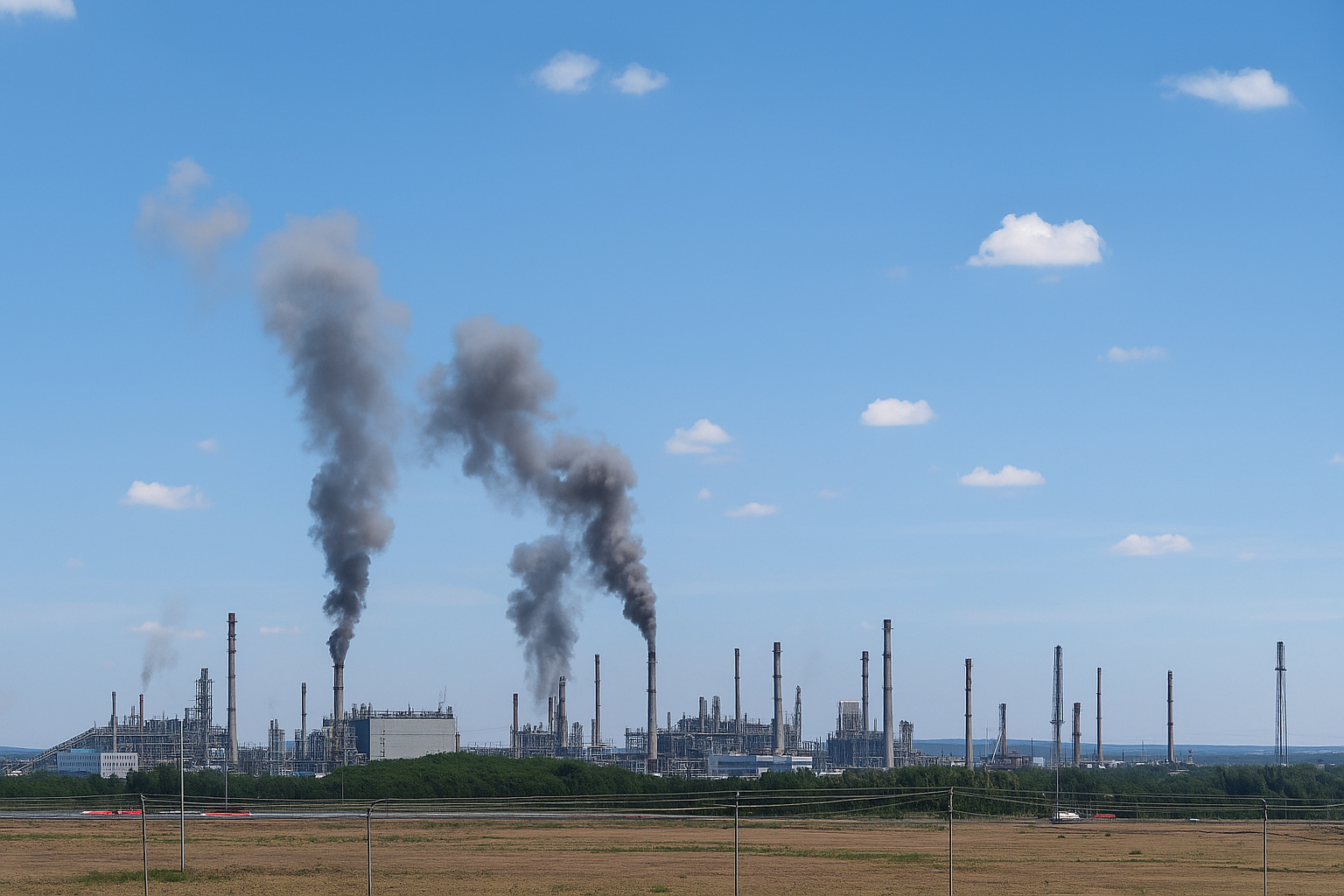
Understand Why The Country Is Still Divided Over The Need To Replace Fossil Fuels With Renewables And How This Debate Reflects The Energy Future Of Brazil.
During COP30, held in Belém (PA), a survey by the Locomotiva Institute, in partnership with QuestionPro, revealed that Brazilians remain divided over the need to replace fossil fuels with renewables.
Although the topic is widely discussed, it still raises doubts and resistances in different segments of society.
According to the survey, 52% of the population believes that the replacement is essential, while 48% do not consider this change necessary.
-
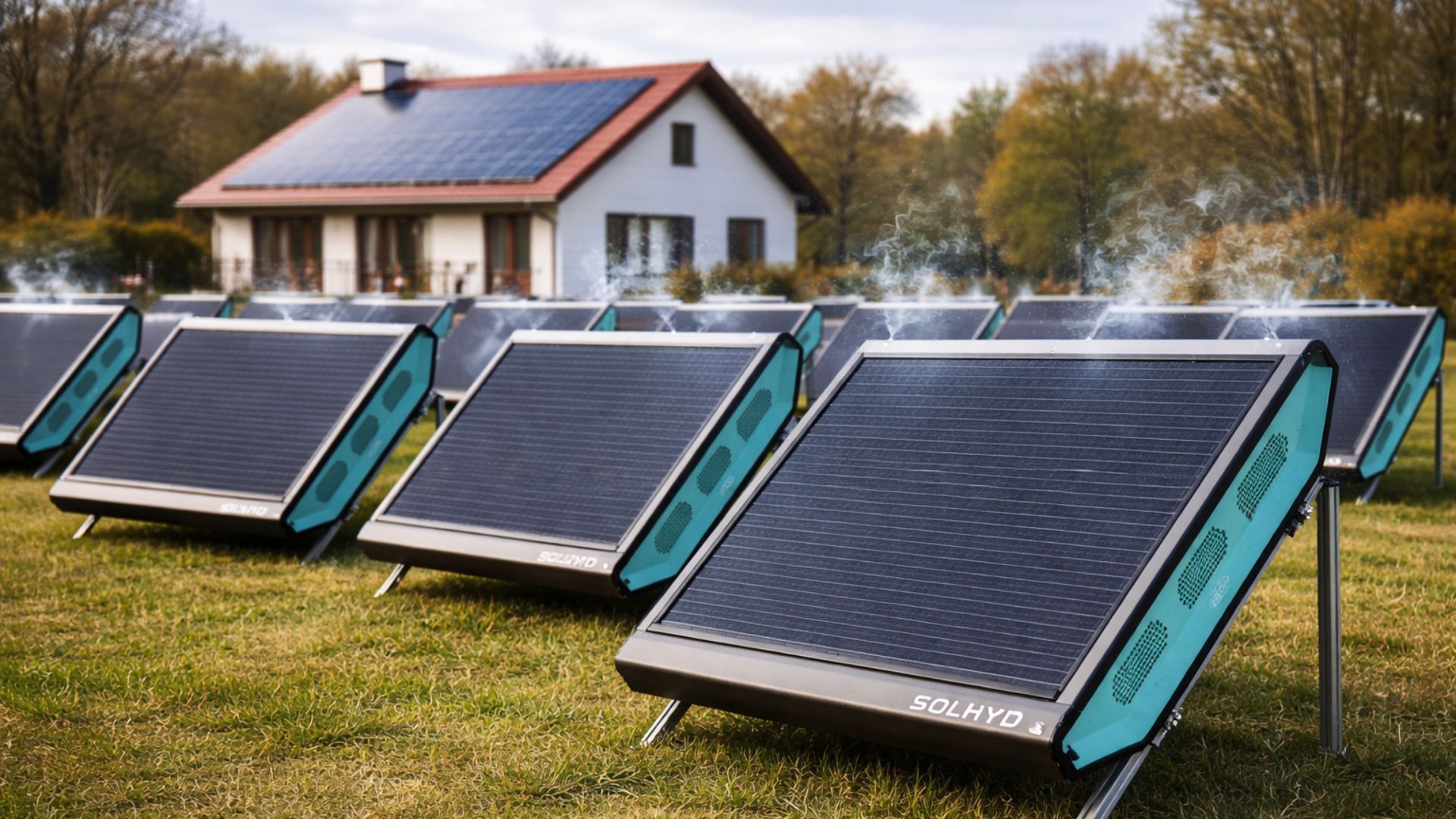
Green hydrogen at home: Belgium launches new technology that makes solar panels produce fuel from the moisture in the air, which could boost the energy transition.
-
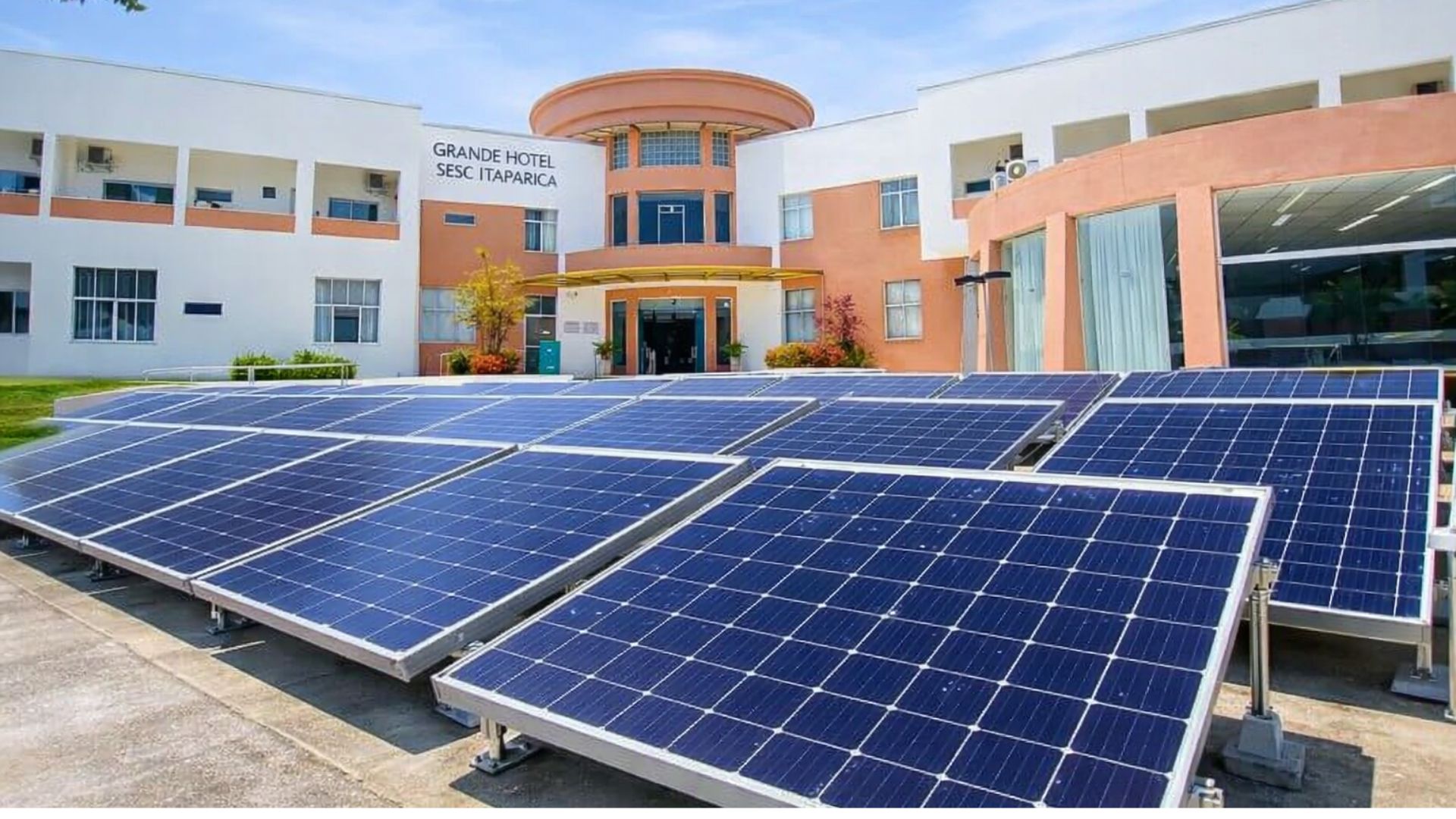
Sesc-BA bets on renewable energy with the support of EDP and drives the energy transition with a direct impact on cost reduction and the sustainability of its operations in Bahia.
-
Technology giant breaks global sustainability records: How Amazon’s leadership in renewable energy procurement transformed the global energy market in the past year.

-
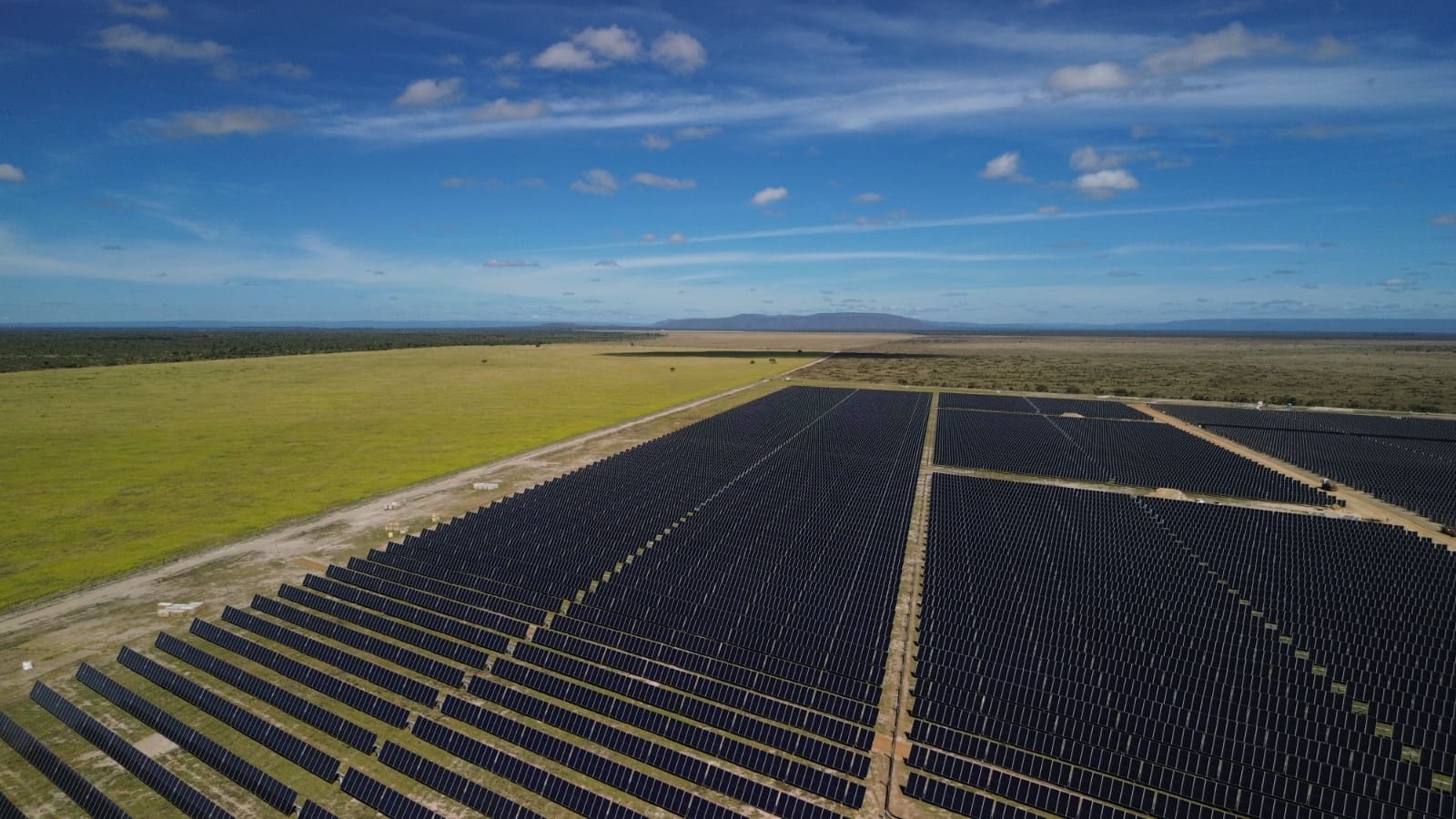
Alert in the electric sector: Atlas Renewable Energy confirms billion-dollar investment and Brazil risks losing a share of the new investment in Latin America to neighboring countries.
Thus, it becomes clear that, even with the increasing discussions on sustainability, the country has not reached a consensus on the way forward.
Furthermore, the study highlights that Brazil occupies a peculiar position in the energy transition.
On one hand, it is a significant oil producer. On the other hand, it has one of the cleanest energy matrices among major economies.
Therefore, the debate about replacing fossil fuels with renewables becomes more complex, as it involves historical, economic, and environmental factors.
The Legacy Of Fossil Fuels And The Formation Of The Brazilian Energy Matrix
Historically, oil and natural gas have shaped Brazil’s economic development.
Since the early 20th century, these sources have driven industry and ensured energy autonomy.
In 1953, with the creation of Petrobras, the country began a new phase of exploration.
Subsequently, the pre-salt discoveries consolidated Brazil as one of the world’s leading oil producers.
However, this trajectory also created a significant dependence on fossil fuels.
For decades, these sources symbolized progress and national sovereignty.
At the same time, they served as a revenue base and a source of employment.
However, as the world advances towards decarbonization, this dependence is being viewed as an obstacle to international competitiveness.
Today, several countries have already committed to carbon neutrality targets.
Thus, insisting on models based on oil and coal could compromise long-term economic growth.
On the other hand, Brazil has expressive natural advantages, such as abundance of sun, wind, and rivers.
Thus, there is an immense potential for the country to lead the global clean energy movement.
Therefore, Brazil’s challenge is to balance its fossil legacy with the urgency of a new energy era.
This balance requires planning, investments, and consistent public policies that encourage the use of sustainable technologies without harming traditional productive sectors.
Generational Differences And Public Perception Of The Energy Transition
In addition to the division of opinions, the survey revealed contrasts between generations.
Among the Generation Z, 86% believe that the solutions presented at COP30 will be applied in full or in part.
Among baby boomers, this rate decreases to 70%.
This difference shows that younger generations are more optimistic about Brazil’s ability to effectively replace fossil fuels with renewables.
This optimism is partly explained by the context in which young people grew up.
They more intensely experience the effects of climate change, wildfires, and environmental disasters.
Thus, they recognize the urgency of rethinking the energy model.
On the other hand, older generations tend to adopt a more cautious stance, primarily due to fearing the economic and social impacts of the transition.
Even among the more confident, skepticism regarding the implementation of climate measures prevails.
According to the study, 61% believe the proposals from COP30 will be implemented only partially, and only 19% trust that they will be fully realized.
Therefore, the research demonstrates that, although the debate progresses, the population still distrusts the government’s ability to implement environmental policies.
For this perception to change, it is essential to enhance environmental education and strengthen transparency in public actions.
The clearer the goals and results, the greater the popular engagement.
The Political And Economic Impact Of The Energy MP
As the international debate gains momentum, the National Congress is also discussing structural changes in the sector.
The Energy MP, approved in the Senate and sent for presidential sanction, proposes to modernize electricity tariffs and reduce electricity bills.
Moreover, the measure creates a spending cap for the Energy Development Account (CDE) and allows part of the resources from hydropower plants to be directed to fund this account.
Although the MP does not directly address the replacement of fossil fuels, it represents an important step in building a more transparent and competitive energy market.
With the gradual opening of the market and the modernization of the sector, the regulatory environment is expected to become more attractive for investments in clean sources.
In this way, the country creates conditions to accelerate the process of replacing fossil fuels with renewables sustainably and economically.
However, experts warn that the success of this transformation depends on cooperation among government, businesses, and society.
The creation of a solid regulatory framework, which offers legal security and encourages innovation, will be essential for Brazil to consolidate its position as a green power.
Challenges And Opportunities In The Transition To Clean Sources
Currently, Brazil already occupies a prominent place in the production of renewable energies.
Wind energy represents over 15% of the electrical matrix, and solar energy is growing rapidly, driven by incentive policies and reducing installation costs.
Additionally, the country stands out in the production of biofuels, such as ethanol and biomethane, which reduce dependence on oil and strengthen agribusiness.
Even so, the journey to replace fossil fuels with renewables still requires continuous effort and strategic planning.
The expansion of electrical networks, the development of storage systems, and the production of green hydrogen emerge as priority goals.
At the same time, financing for sustainable projects needs to become more accessible.
Although the cost of technologies has decreased, the initial investment is still a major obstacle.
For this reason, specific credit lines and public-private partnerships can boost the sector’s advancement.
Furthermore, the transition needs to be fair and inclusive, ensuring that regions dependent on oil receive support to diversify their economies.
Professional qualification programs and incentives for green jobs can reduce inequalities and prepare the country for a low-carbon economy.
Thus, Brazil not only meets climate commitments but also strengthens its internal development.
The Energy Future And Brazil’s Role In The Global Scenario
The debate on replacing fossil fuels with renewables transcends technical boundaries and transforms into a national strategic issue.
The Brazilian energy future depends on the decisions made today.
If the country takes advantage of its natural advantages and invests in innovation, it could become a global reference in clean energy.
However, this requires long-term planning and political commitment.
It is necessary to balance sustainability, economic growth, and social inclusion.
Coherent public policies, incentives for research, and environmental education are decisive instruments for consolidating the transition.
By combining its experience in hydropower and biofuels with new sources like solar, wind, and hydrogen, Brazil is in a position to lead an energy revolution.
In this way, the country could reduce emissions, generate jobs, and attract investments, strengthening its image in the global scenario.
The Locomotiva Institute’s survey goes beyond numbers: it reveals a country at a historic choice — to maintain dependence on fossil fuels or to invest decisively in renewable sources.
Although consensus has not yet been reached, the debate matures and signals an inevitable transformation.
As the world moves towards sustainability, Brazil has the opportunity to show that it is possible to grow responsibly.
The decision to replace fossil fuels with renewables represents not only an energy change, but also a new vision for the future — cleaner, fairer, and more sustainable.










Seja o primeiro a reagir!