





 Portuguese
  English
  Spanish
  3 min of reading
  0 comments



Rio Grande Shipyard and Transpetro: Contract That Transforms the Naval Sector and Creates New Opportunities
The Rio Grande Shipyard, in partnership with Mac Laren, has just secured a crucial contract with Transpetro, a subsidiary of Petrobras. With this agreement, the construction of four oil tankers not only strengthens the naval sector but also promises to boost the economy in southern Brazil, in addition to opening new job opportunities.
Economic and Social Importance of the Contract for the Naval Market
For Alexandre Lindenmeyer, federal deputy and president of the Parliamentary Mixed Front for the Defense of the Naval Industry, this achievement is fundamental for the naval industry. In fact, the contract represents the chance to revitalize production at the Rio Grande Shipyard, thus promoting economic growth and creating a series of new job opportunities.
Why Is This Contract Essential for the Brazilian Naval Sector?
Given the recent crisis in the sector, this contract brings a concrete impact. In fact, it offers job creation, advancement in the shipyard’s infrastructure, and a leap in logistics for petroleum derivatives. In other words, it is the opportunity to reverse the scenario and move forward.
-
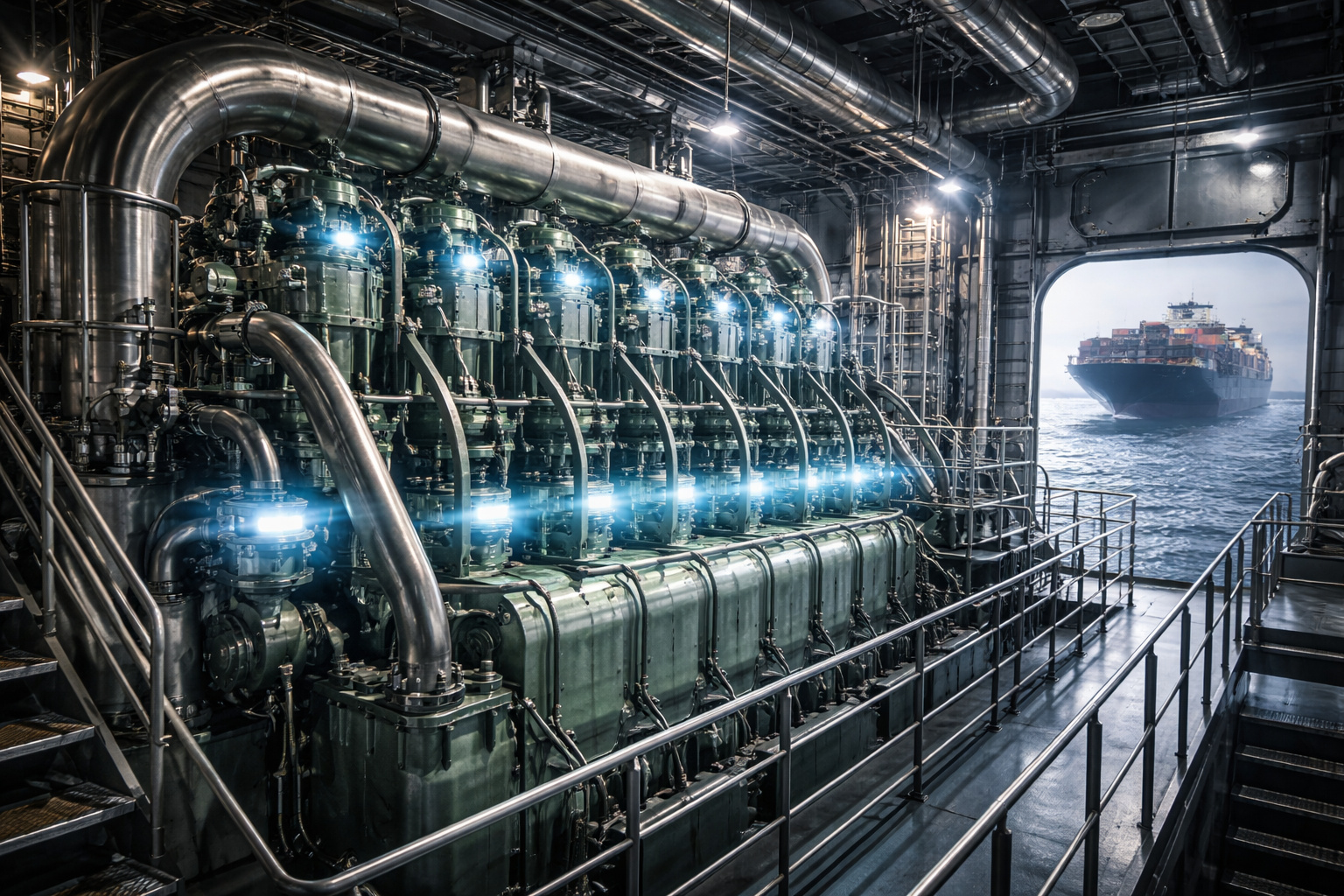
Europe is trying to create an ammonia-powered marine engine without auxiliary fuel, which could unlock the race for giant emission-free ships. The technology aims to eliminate one of the biggest obstacles to clean maritime propulsion.
-
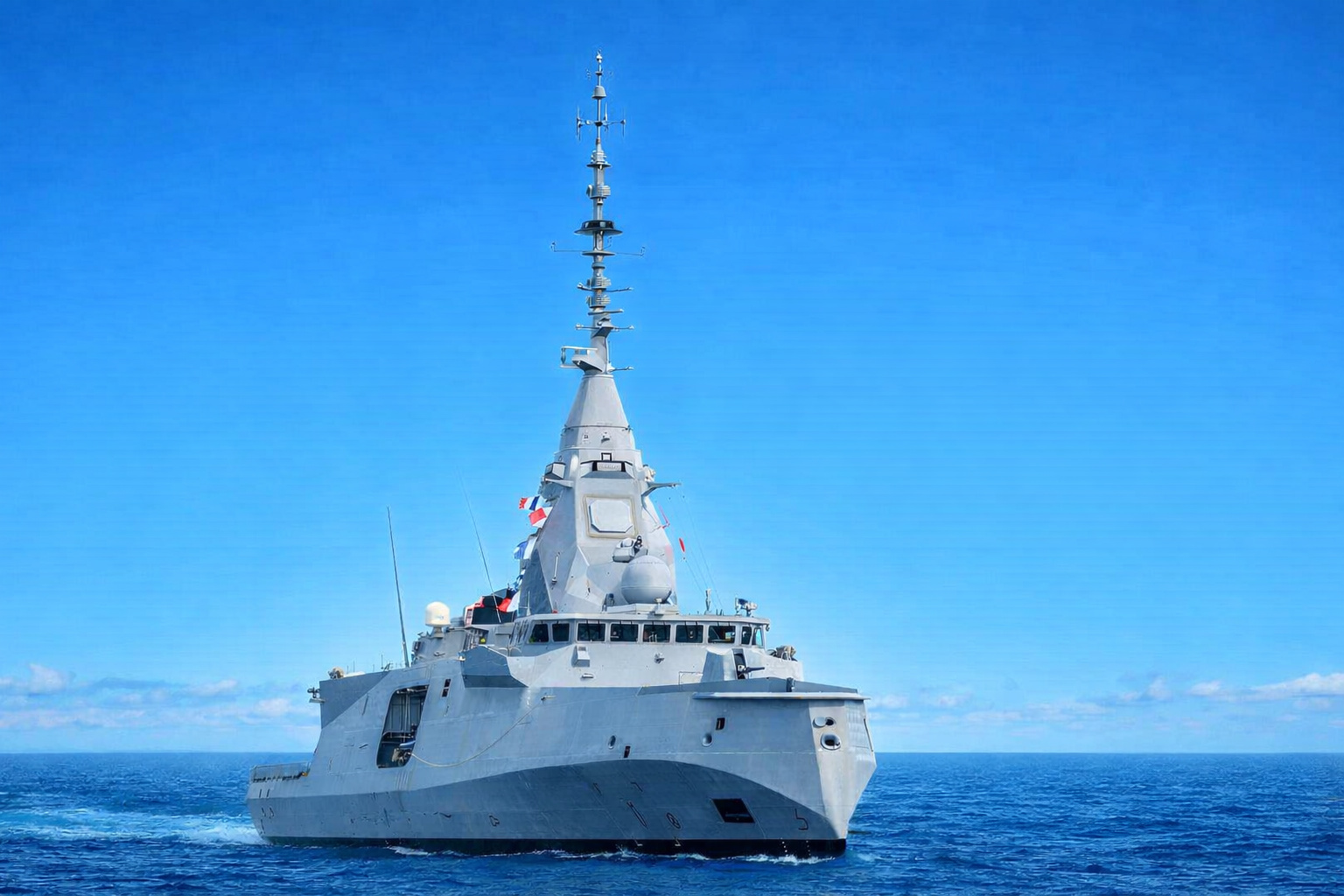
A 4,500-ton frigate with just over 100 crew members, state-of-the-art radar, and cruise missiles is being touted as the new standard of naval warfare in the 21st century.
-
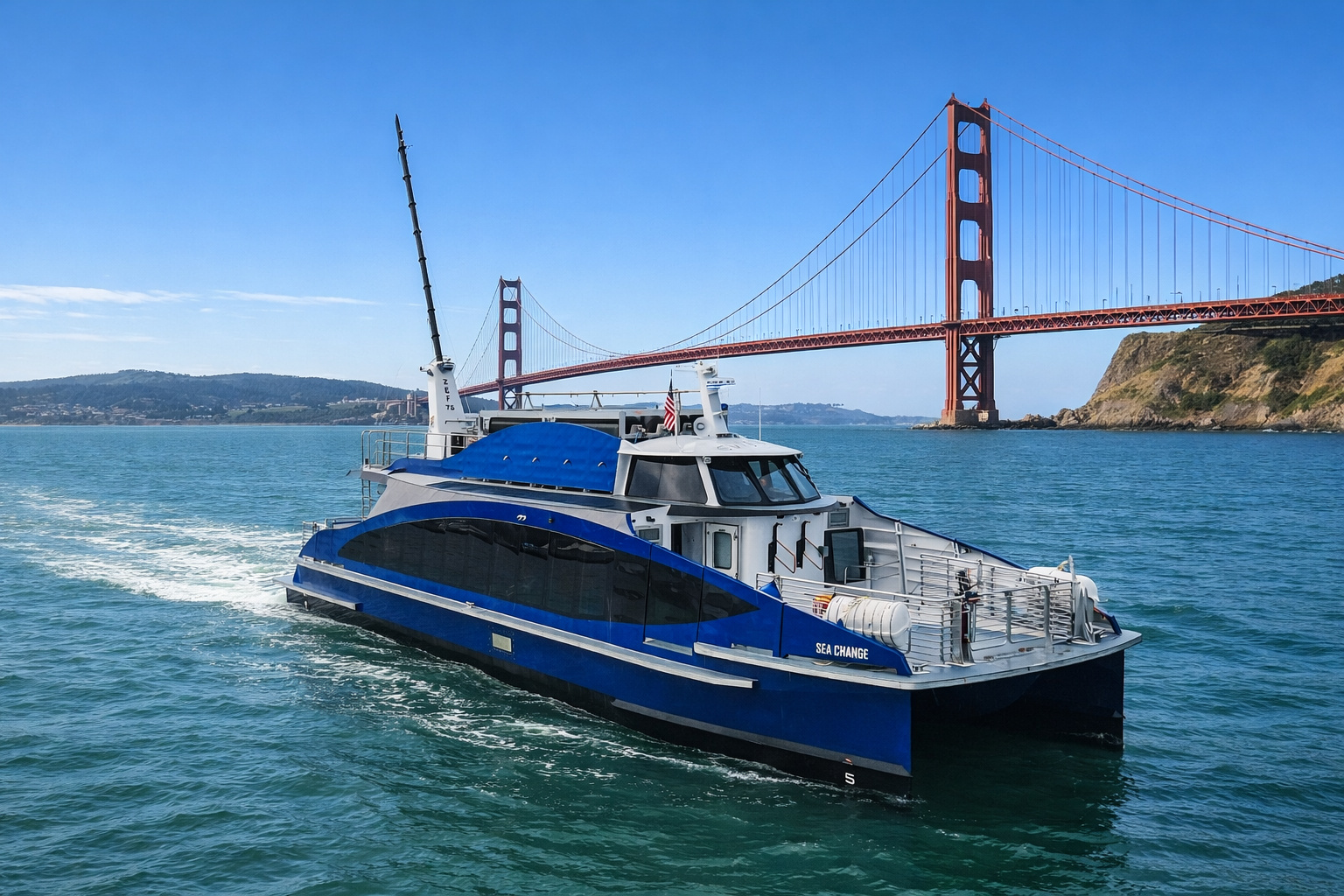
The first commercial hydrogen-powered ferry enters operation in the U.S., eliminates the use of diesel, uses fuel cells to generate clean energy on board, and transforms San Francisco Bay into a landmark of the new era of emission-free navigation.
-
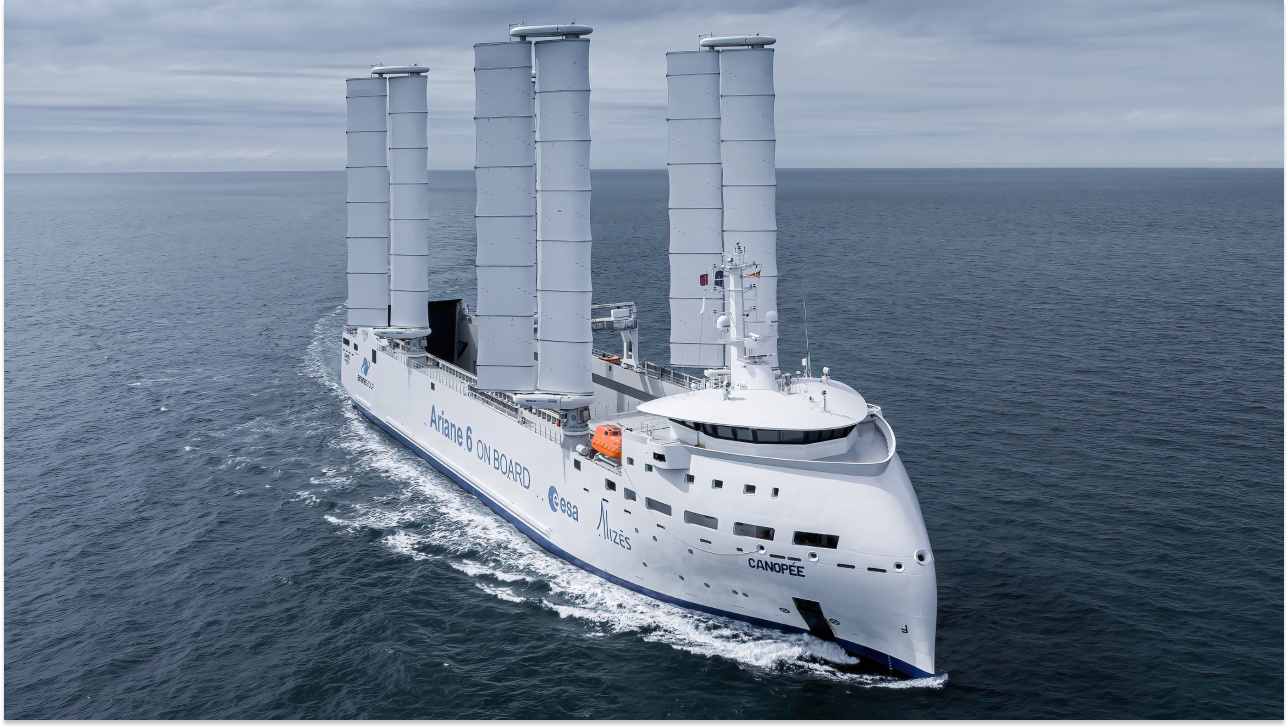
With a length of 121 meters and four rigid sails of 36 meters that automatically rotate to capture the wind, Canopée is the world’s first hybrid industrial cargo ship powered by wind, used to transport rockets and reduce fuel consumption by up to 30% on transoceanic routes.

Analysis and Signing Process: The Next Step for the Shipyard
Even after securing the contract, the Ecovix-Mac Laren consortium still needs to undergo document analysis for the official signing. Thus, in 30 to 60 days, it is expected that all safety and quality requirements will be formalized, ensuring an efficient and secure contract.
Timeline and Technical Specifications of the Ships
These Handy ships, with a capacity between 15,000 and 18,000 tons, are planned to optimize fuel transportation. Therefore, the first ship will be launched in 2026, and each of the others will be delivered every six months. In short, the project is expected to conclude in 2028.
Advantages of Handy Ships in Fuel Transportation
These Handy-sized ships increase logistics efficiency as they allow access to smaller ports. Thus, fuel supply in the country becomes faster and more strategic, better meeting local needs.
Economic and Social Impact: Much More Than a Contract
This contract with Transpetro not only boosts the economy of Rio Grande but also attracts new investments to the naval sector. Furthermore, it generates a continuous development cycle, modernizing the naval industry and encouraging regional growth.
Prospects for the Rio Grande Shipyard and the Future of the Naval Industry
For experts, this contract marks the beginning of a new era for the naval industry. After all, it strengthens Transpetro, modernizes the Rio Grande Shipyard, and ensures Brazil’s position as a powerhouse in shipbuilding. Therefore, the sector is preparing for a promising growth cycle.









Seja o primeiro a reagir!