





 Portuguese
  English
  Spanish
  5 min of reading
  0 comments


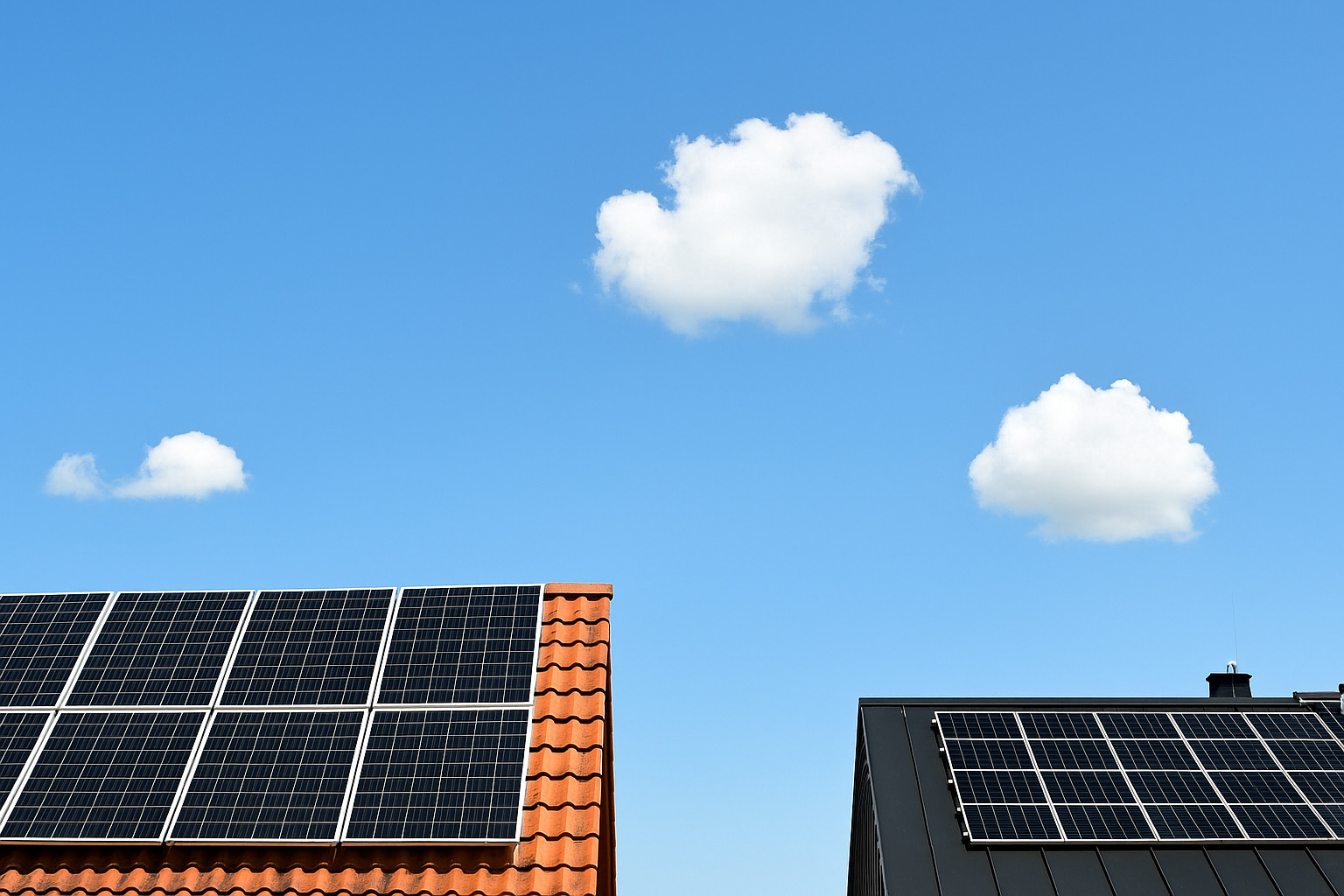
Learn How Rio de Janeiro Achieved 1.5 GW in Own Solar Energy Generation, Boosting Sustainability, Economy, and Energy Autonomy in the State.
The state of Rio de Janeiro has undoubtedly reached a historic milestone by surpassing 1.5 gigawatts (GW) in its own solar energy generation. This achievement represents not just a technological advance but also a significant transformation in how the people of Rio produce and consume energy.
Own solar energy generation, which consists of electricity production through systems installed in homes, businesses, and small plots of land.
Has proven to be a sustainable, economical, and strategic alternative for Brazil’s energy development.
-
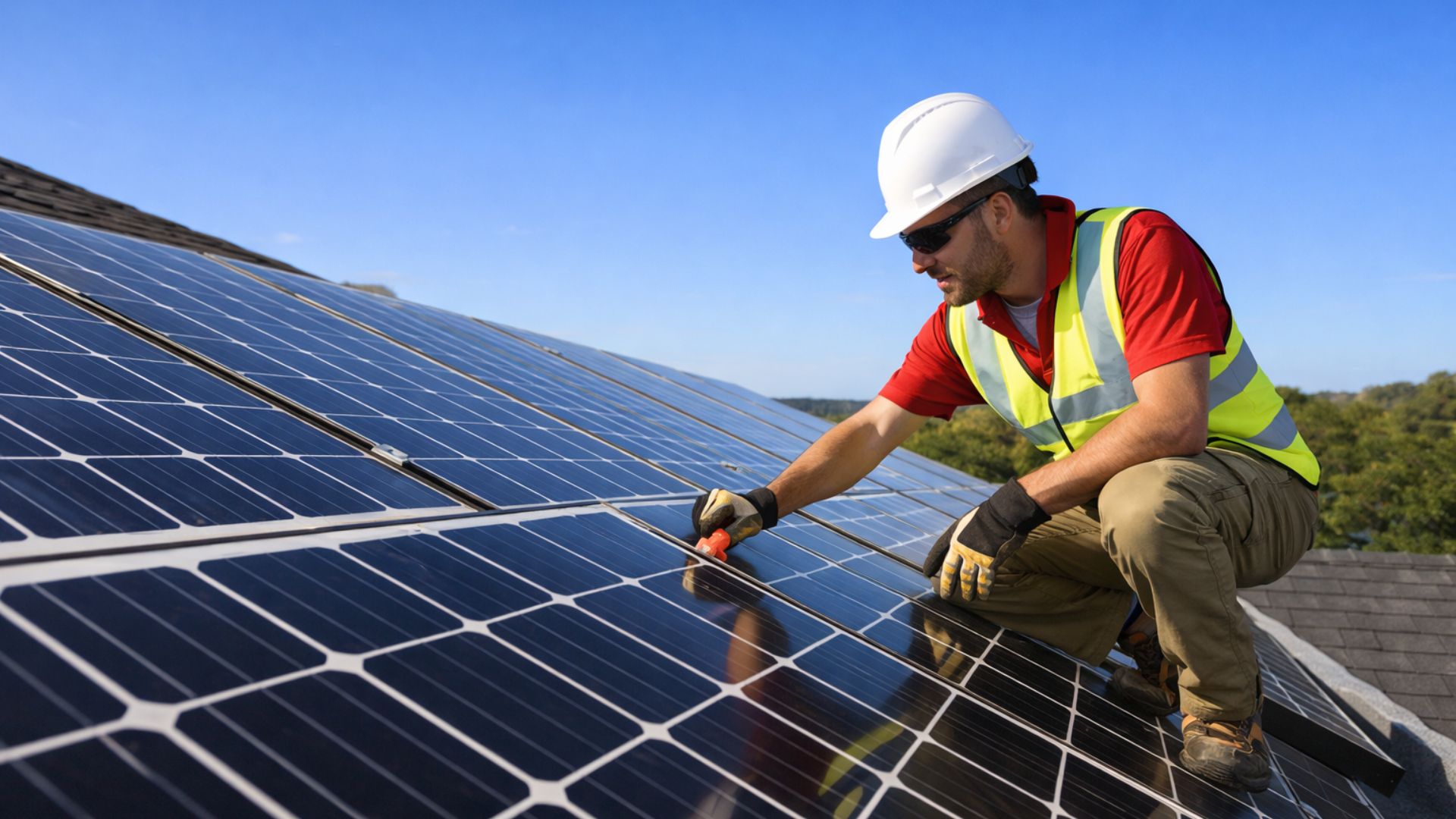
Seagri’s headquarters invests in solar energy with Neoenergia Coelba and promises to cut electricity costs, highlighting a strategic advance in sustainability and energy efficiency within state public administration.
-
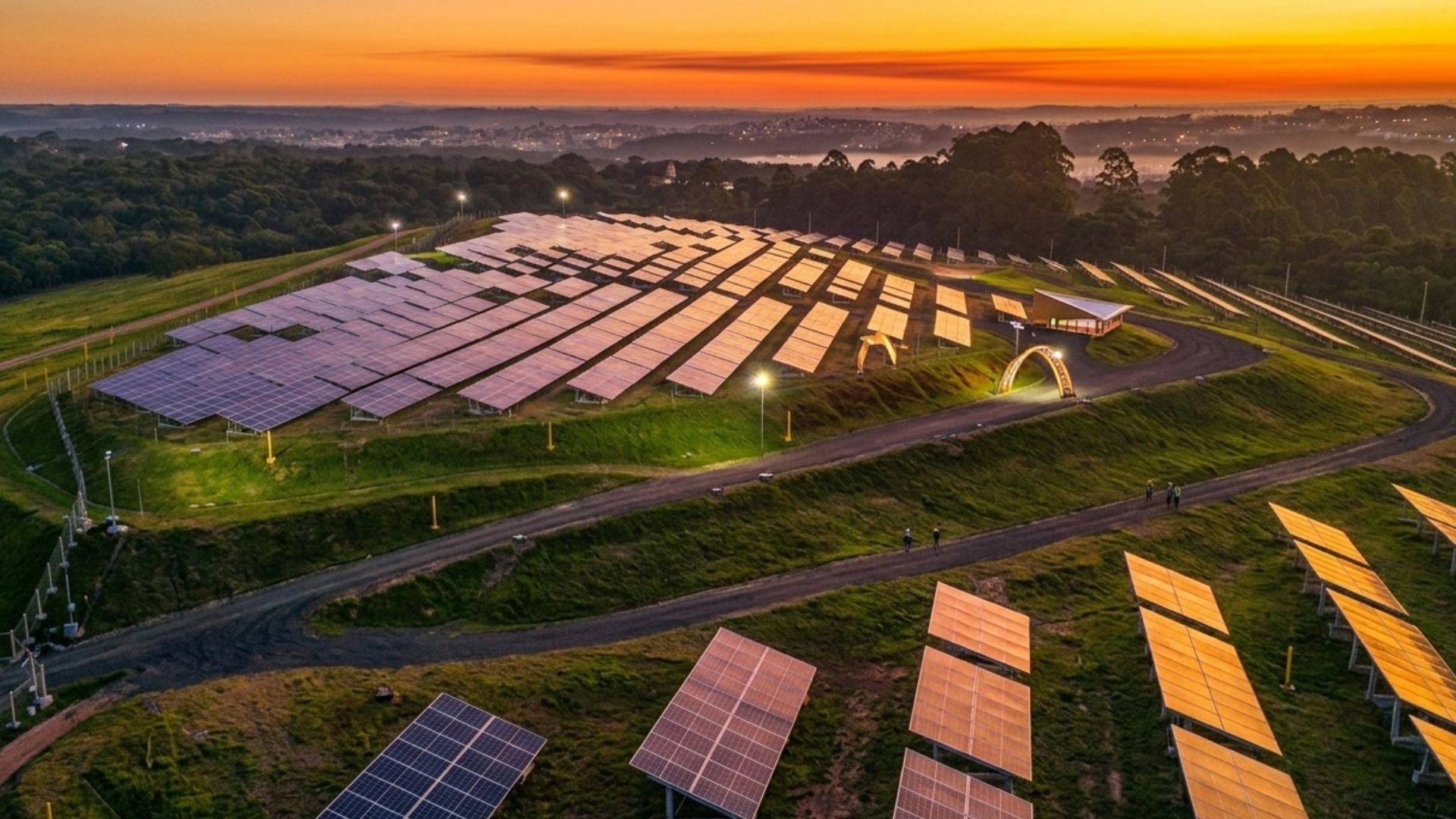
Solar Pyramid draws attention by converting solar energy into million-dollar savings and repositioning the City Hall of Curitiba as an example of innovation, sustainability, and intelligent use of public resources.
-
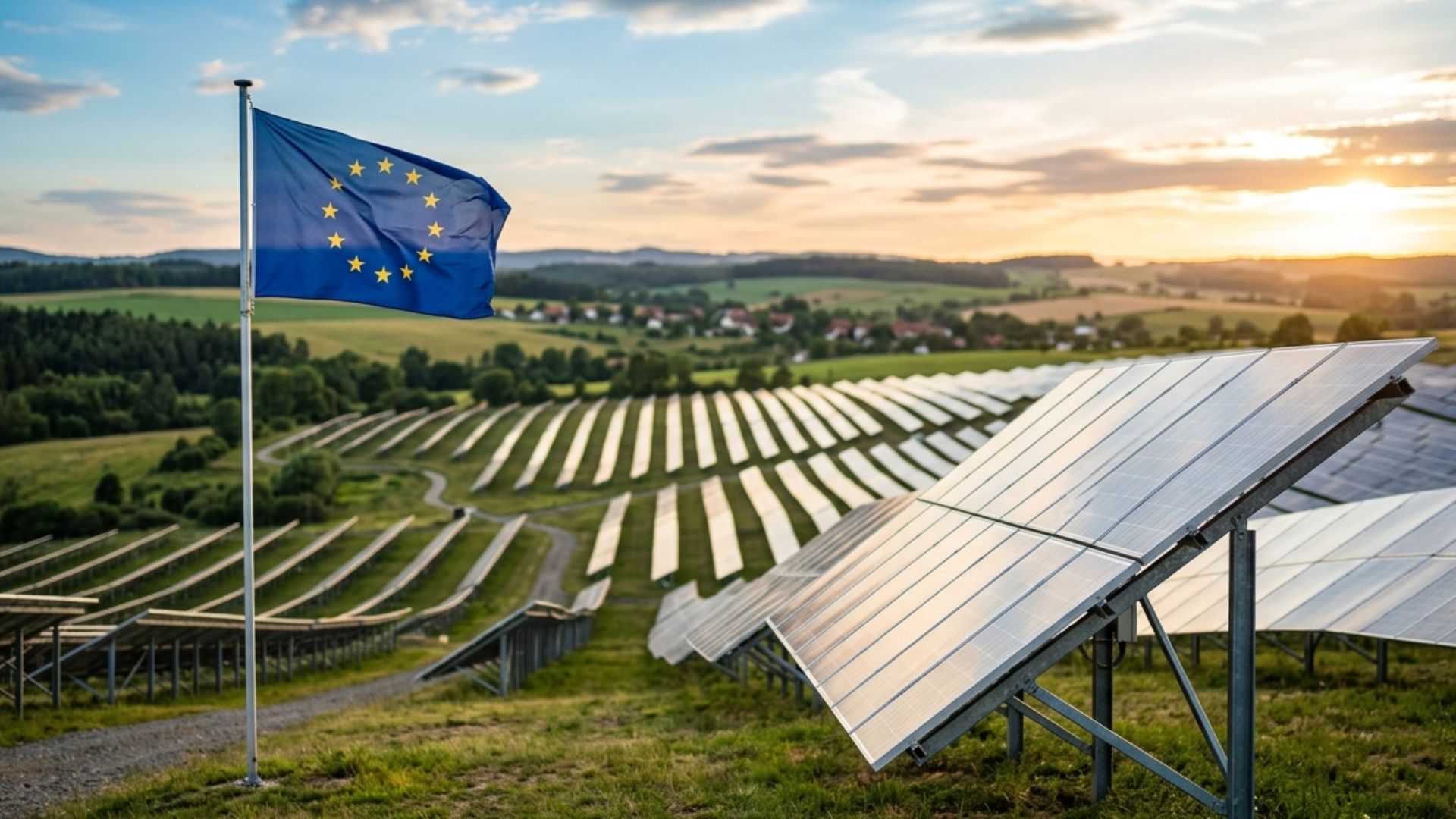
Europe records strong euro economy with solar energy in March and sparks curiosity about which country leads growth that redefines the energy market and reduces costs.
-
Piauí reaches a historic milestone in energy transition: State records nearly 160,000 households powered by solar energy and leads growth in the Northeast.
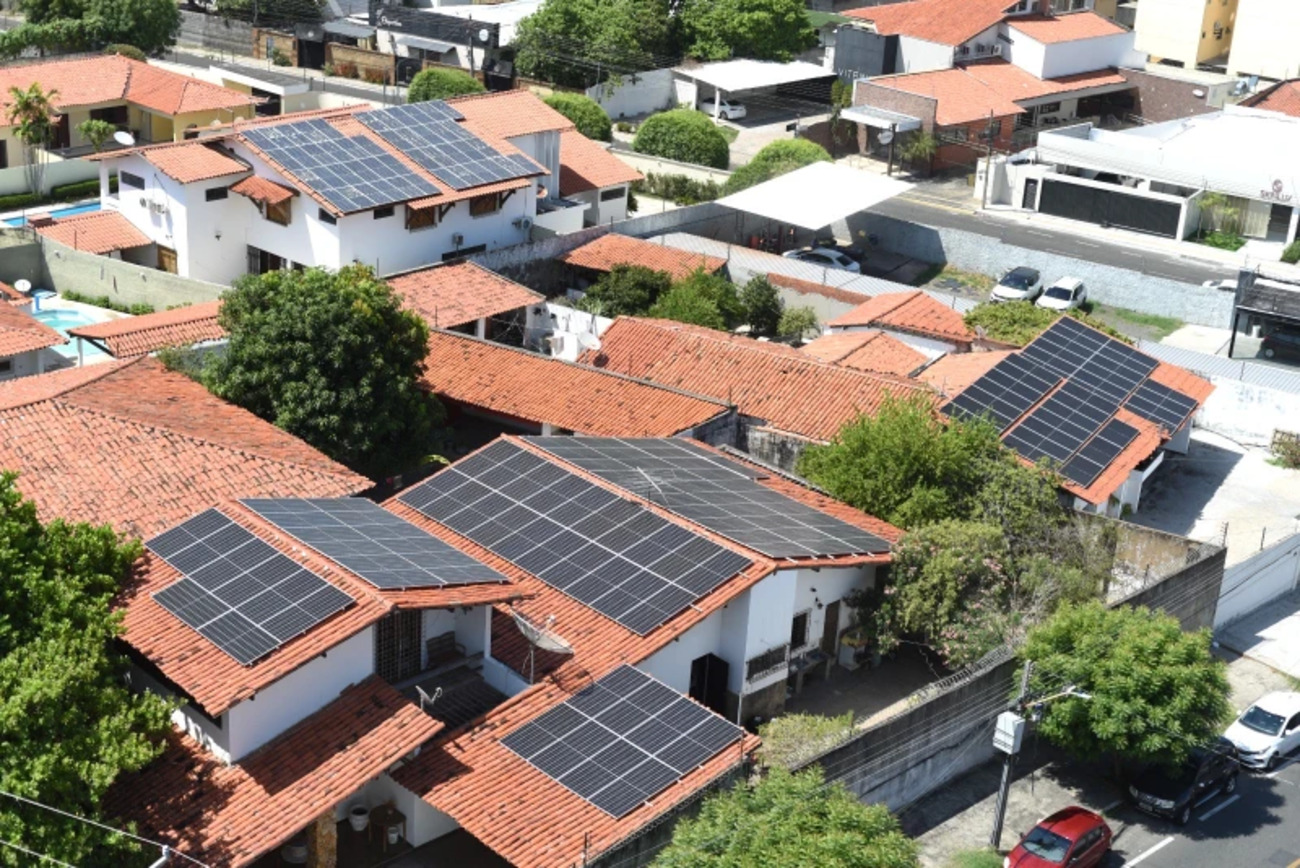

Historically, Brazil’s energy matrix has heavily relied on hydropower sources, which dominated electricity production for many years. However, Brazil, despite its globally recognized hydropower potential, has faced environmental limitations, impacts of climate change, and a growing demand for energy.
Thus, it became necessary to diversify energy sources. It was in this context that solar energy began to gain ground, especially after the regulation of distributed generation in 2012.
Distributed generation allows consumers to produce their own energy through photovoltaic solar systems installed on their rooftops or land. In this way, they can use this energy directly and send the surplus to the electrical grid, generating credits that help reduce their electricity bill.
Thus, this model has brought a series of benefits, such as greater energy autonomy, cost reduction, and an important contribution to sustainability, by decreasing dependence on fossil sources and reducing greenhouse gas emissions.
The Growth of Solar Generation in Rio de Janeiro
In Rio de Janeiro, this process has gained significant momentum. According to data from the Brazilian Association of Photovoltaic Solar Energy (ABSOLAR), the state already has over 164,000 active connections for its own solar energy generation.
Therefore, this number includes everything from small residences to businesses that have invested in clean energy to improve their energy efficiency and environmental responsibility.
Additionally, it is important to highlight that the expansion of own solar generation is directly related to the growing interest of the population in more sustainable and economical solutions.
With increased environmental awareness and the search for ways to reduce energy costs, more consumers are opting to install solar panels.
Moreover, the ease of financing and technological advancements are making these systems more accessible and efficient.
Economic and Social Benefits of Own Solar Generation
More than 190,000 consumers in the state are already benefiting from this energy revolution, experiencing reductions in their electricity bills, greater reliability in supply, and energy that respects the environment.
Furthermore, the economic impact is significant. Since 2012, the solar energy sector in Rio de Janeiro has mobilized around R$ 7.3 billion in investments. It has generated approximately 47,000 direct and indirect jobs and raised over R$ 2.2 billion for public coffers.
These figures reflect a national and global trend towards a transition to renewable sources. Therefore, solar energy, due to its abundance and technological potential, stands out as a key player in this scenario.
Moreover, the reduction in the costs of photovoltaic equipment, the ease of installation, and the growing interest in sustainable solutions have made own solar energy generation an accessible alternative for a large portion of the population.
Additionally, own solar energy generation helps to decentralize energy production. Instead of relying solely on large plants and extensive transmission networks, energy is produced close to where it will be consumed.
This decentralization reduces losses in the system, increases energy security, and decreases the risks of blackouts, especially in more remote areas.
However, the sector still faces significant challenges, particularly in connecting new systems to the electrical grid.
Therefore, there is an expectation that reforms will include measures to ensure transparency in these refusals and guarantee non-discrimination against participants in the Electric Energy Compensation System (SCEE).
Popular Support and the Future of Solar Generation
Own solar energy generation enjoys substantial popular support. In fact, recent research indicates that nine out of ten Brazilians want to produce their own clean and renewable energy.
Thus, this support reflects a collective desire for greater autonomy, cost reduction, and effective contribution to environmental preservation.
Experts argue that own solar energy generation goes beyond economics; it represents a fundamental step in the country’s energy transition.
The executive president of ABSOLAR, Rodrigo Sauaia, emphasizes that distributed generation democratizes access to energy, attracts investments, boosts green jobs, strengthens sustainability, and makes the Brazilian economy more competitive.
Moreover, own solar generation directly contributes to the reduction of greenhouse gas emissions, helping Brazil meet international targets to combat climate change.
After all, dependence on fossil fuels, such as coal and oil, causes severe environmental impacts, and the substitution with clean energy is showing to be an inevitable path to a sustainable future.
Rio de Janeiro, by surpassing the 1.5 GW mark, demonstrates that it is possible to reconcile economic growth with respect for the environment.
Therefore, the expansion of own solar energy generation in the state inspires other regions of the country and reinforces the importance of continuous investment in clean technologies.
Another significant point involves the social impact that own solar generation can bring to underprivileged communities.
For example, projects that encourage the installation of solar panels in schools, health units, and low-income homes help promote social inclusion, reducing inequalities in access to quality energy and improving the quality of life for these populations.
Innovations and the Role of the Consumer
On the global scene, solar energy is presenting technological advancements that promise to further increase its efficiency and accessibility.
More efficient solar panels, energy storage systems, and innovations in integration with smart grids expand the potential of own generation.
Storage solutions, such as home batteries, allow consumers to use the energy generated during the day at night or during periods of lower solar incidence.
This increases energy independence and the stability of the electrical system as a whole.
Additionally, integration with digital technologies enables real-time monitoring and more efficient energy use.
For the consumer, this means greater control over their energy consumption, the potential to reduce expenses, and an active contribution to building a cleaner and more resilient energy matrix.
Furthermore, distributed generation helps decrease losses in the electrical system, as energy is consumed close to the production site.
Thus, own solar energy generation transforms social, economic, and environmental aspects.
The progress in Rio de Janeiro marks the importance of this source for Brazil.
With continued investments, improved regulations, and the growing awareness of the population, own solar energy generation has every potential to establish itself as a key element of the Brazilian energy matrix, promoting sustainable and inclusive development.
This movement represents a path of hope for a future where energy is accessible, clean, and produced by all, showing that energy democratization is both possible and necessary.
Thus, Rio de Janeiro not only surpasses an impressive figure in own solar generation but also paves the way for a more just, sustainable, and connected energy model to the needs of the 21st century.









-

-

2 pessoas reagiram a isso.