





 Portuguese
  English
  Spanish
  5 min of reading
  0 comments


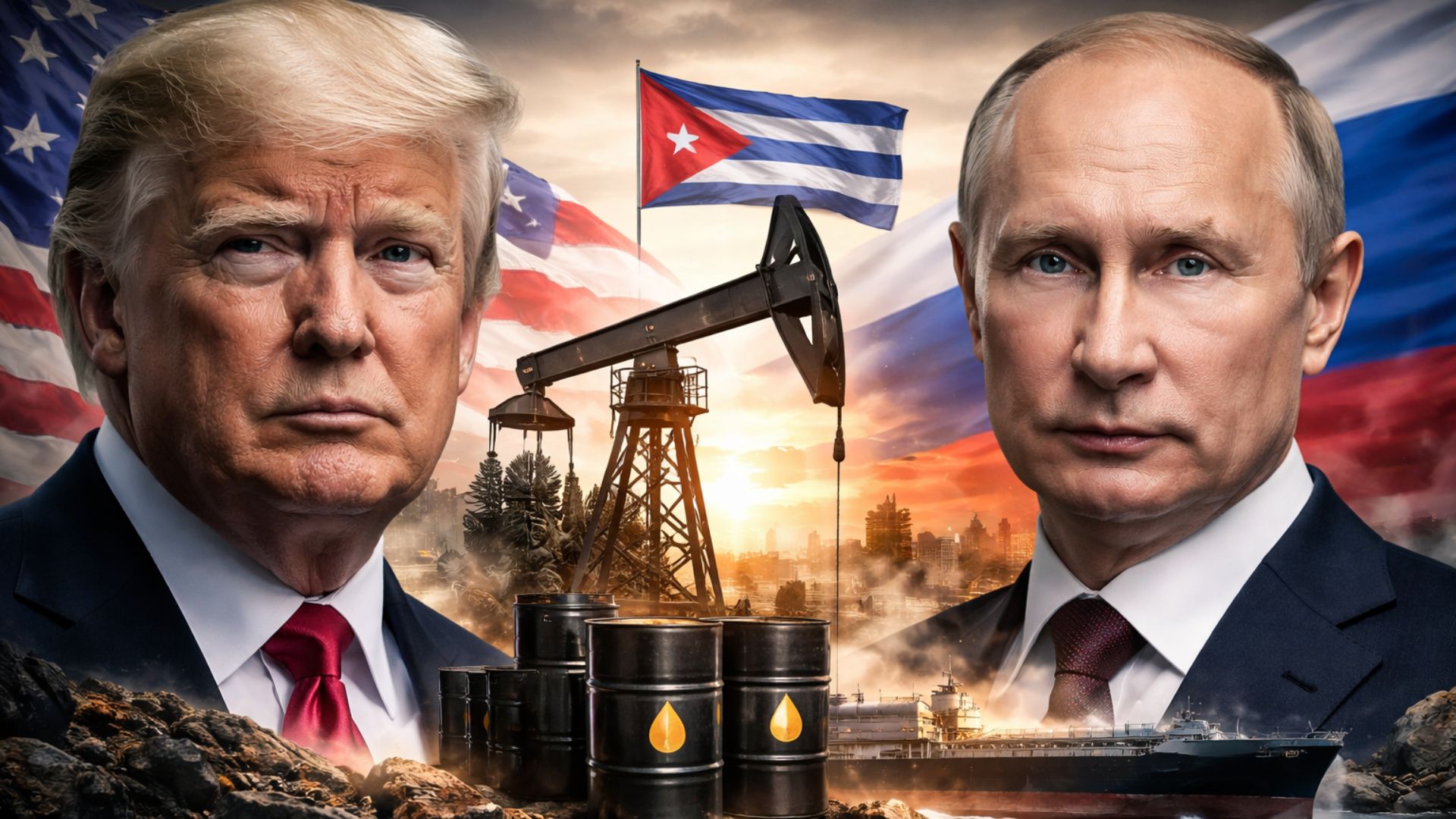
Russia Announces Emergency Energy Support to Cuba Amid Fuel Shortages and Tensions with the USA. Understand Causes, Economic Effects, Rationing, and Global Geopolitical Repercussions.
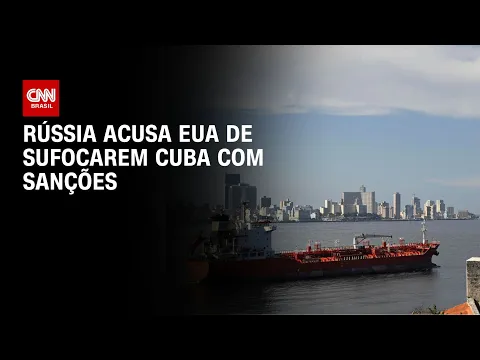
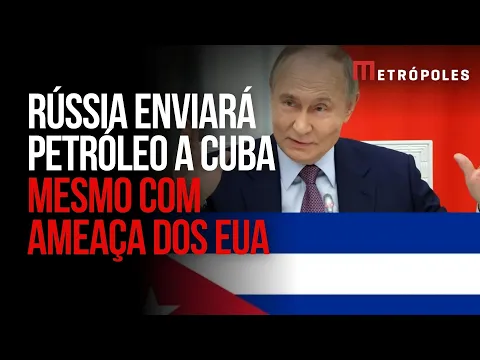
Russia announced the sending of oil and fuel to Cuba, amid a severe energy crisis exacerbated by trade blockades and sanctions from the USA. The information was initially published by the Russian newspaper Izvestia, which cited the Russian embassy in Havana as the official source, and quickly gained global attention.
According to a story published by G1 this Thursday (12), political analysts and energy experts have begun to discuss the possible ramifications of the measure. The sending of oil and fuel represents more than an emergency aid, as it involves diplomatic, strategic, and economic interests among global powers. Additionally, it occurs at a time of instability in the energy supply of the island, which increases the relevance of the announcement.
Russia Confirms Sending of Oil and Fuel While Cuba Faces Critical Shortage
The decision by Russia to carry out the sending of oil and fuel comes in a context of urgency. Cuba is facing a recent energy crisis, with reports of blackouts in various regions and difficulties in supplying essential sectors. The Kremlin, through spokesman Dmitry Peskov, stated that it maintains constant dialogue with the Cuban government and acknowledges the seriousness of the situation.
-
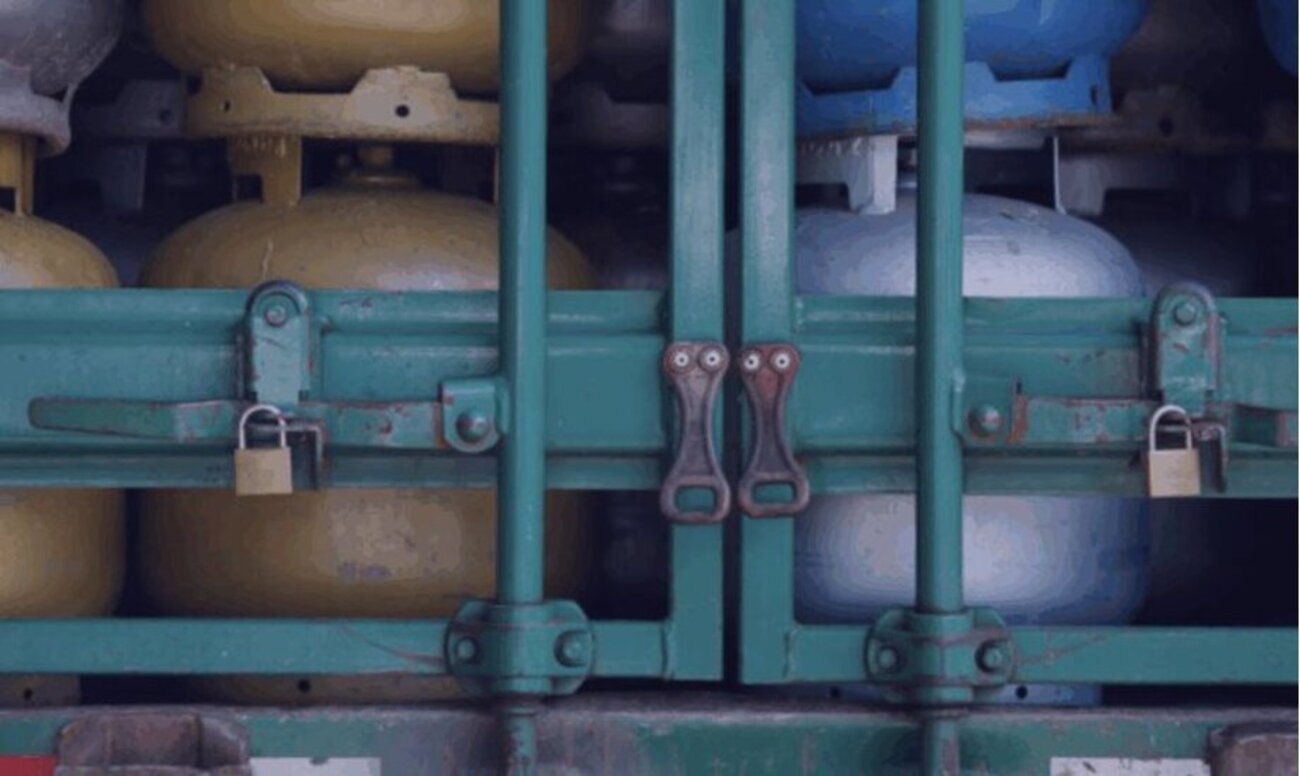
Petrobras evaluates suspension of sales to distributors and considers canceling the cooking gas auction following guidelines from the Federal Government.
-
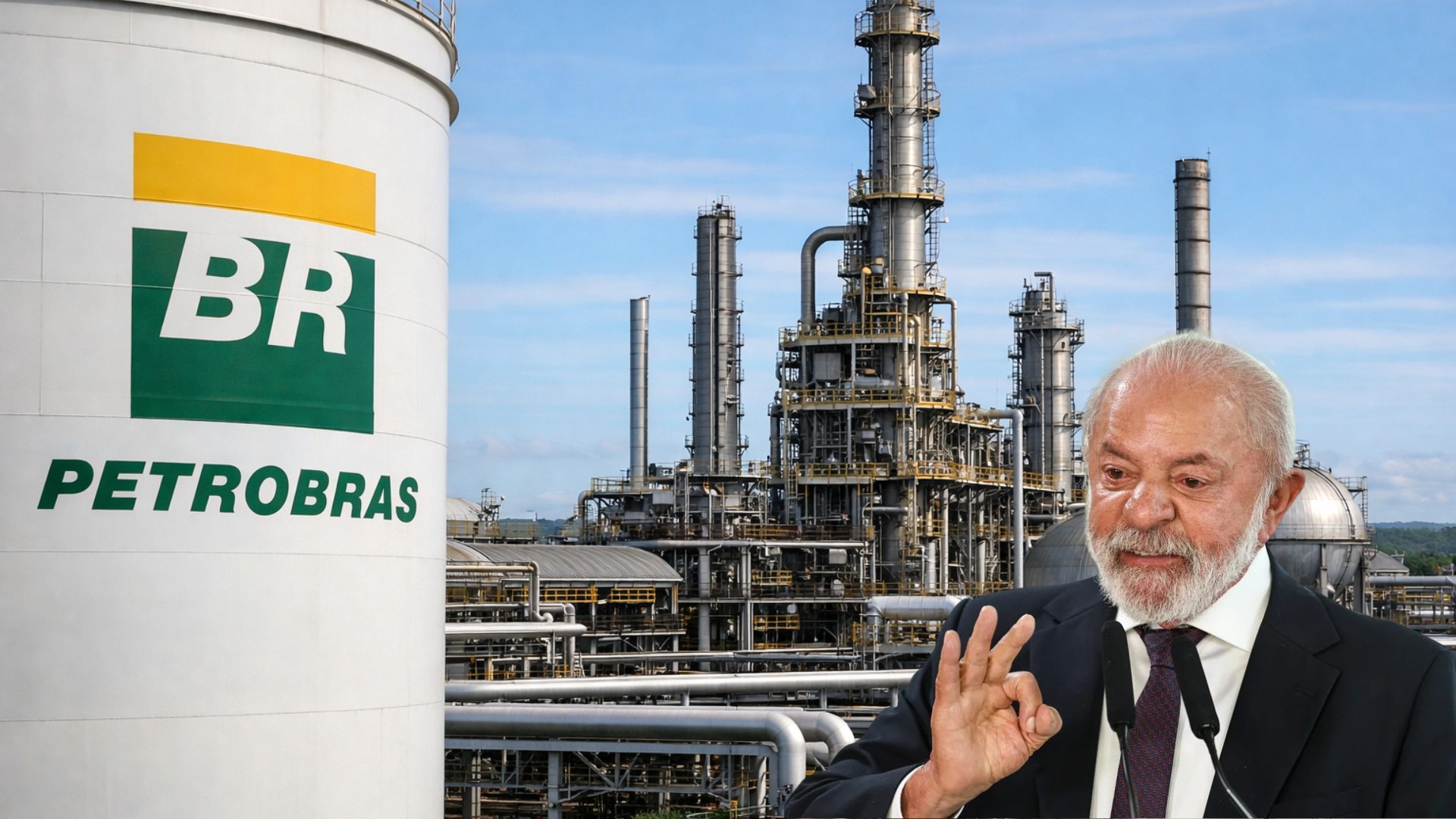
Lula reveals a masterstroke by Petrobras to undo a deal made by Bolsonaro, which involves the return of an important refinery that currently produces less than half of what was expected and makes Brazil dependent on international diesel.
-
A study confirms that the natural gas sector will reduce greenhouse gas emissions in Brazil by 0.5% and accelerate the energy transition by 2026.

-
Petrobras implements a severe adjustment and confirms a 55% increase in the price of aviation kerosene with a proposal for installment payments for the companies.

This move is not isolated. Moscow had previously supplied fuel to the island on other occasions, reinforcing a historical partnership dating back to the Cold War period. However, the current scenario adds new geopolitical elements, as the supply occurs amid diplomatic and commercial tensions involving the USA.
The Russian energy aid comes as an immediate relief, especially for essential services such as hospitals, water supply, and public transportation. Still, media outlets emphasize that the solution is temporary and does not resolve the structural dependence on imports.
Energy Crisis in Cuba Intensifies with Blockades and Restrictions from the USA
The energy crisis in Cuba did not emerge suddenly. It has been exacerbated by external decisions that directly affected the flow of fuel to the island. The USA imposed restrictions on the importation of Venezuelan oil, one of the main historical sources of supply for Cuba, which drastically reduced the availability of energy derivatives.
Energy market data released by international monitoring companies indicated that the country had limited oil reserves at the time of the news release, reinforcing the urgent nature of the measures taken by the Cuban government. The shortage has left strategic sectors vulnerable, requiring rapid and coordinated responses.
Consequently, the Havana government announced fuel rationing plans, prioritizing essential areas and seeking alternatives to avoid a total collapse of the energy system. This decision highlights the scale of the problem and its direct impact on the daily lives of the population.
Russia, Cuba, and the USA in the Geopolitical Energy Landscape
The sending of oil and fuel by Russia cannot be analyzed solely from an economic perspective. It carries strong political symbolism and reinforces historical alliances between Moscow and Havana. At the same time, it places the USA at the center of diplomatic discussions, as sanctions and trade blockades are cited as determining factors in exacerbating the crisis.
The geopolitics of energy shows how decisions regarding fuels influence international relations. Energy is strategic power, and the supply of oil can redefine alliances and diplomatic priorities. In the meantime, Moscow tries to maintain dialog with Washington on other global fronts, showcasing the complexity of the international landscape.
Moreover, the Russian energy aid coincides with announcements of American humanitarian aid aimed at mitigating damage from natural disasters on the island. This duality reinforces the perception of a contest for influence in the Caribbean region.
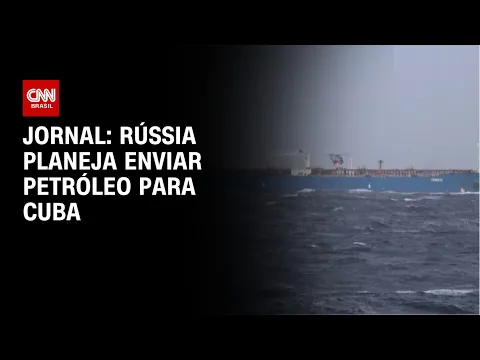

Cuba Seeks Alternatives While Russia Expands Sending of Oil and Fuel
Cuba’s dependence on imported fuels is a historical challenge. The island’s economy has always been tied to external partnerships to meet energy demands. Therefore, interruptions in the supply generate almost immediate effects on industrial production, transportation, and public service provision.
The sending of oil and fuel by Russia provides temporary relief, but outlets indicate that sustainable solutions require diversification of the energy matrix. Investments in renewable sources, such as solar and wind energy, appear as strategic alternatives to reduce future vulnerabilities.
Furthermore, the crisis highlights how external factors can impact economies dependent on energy imports. The balance between energy security and economic autonomy becomes a priority for governments facing similar scenarios.
Global Repercussions: Energy Crisis in Cuba and Reactions from the USA
The Russian decision prompted widespread repercussions in media outlets and political analysis centers around the world. Countries in Latin America, Europe, and Asia are closely monitoring the developments, as the supply of fuels can influence trade routes and multilateral agreements.
Although the exact volume of oil was not initially detailed, the announcement alone indicates strategic movements in the international market. This episode reinforces that energy and diplomacy go hand in hand, especially in times of economic and political instability.
For investors and analysts, this case also serves as a warning about the volatility of the global energy sector. Changes in supply, trade blockades, and diplomatic decisions can alter prices, logistical flows, and commercial priorities within days.
Energy, Power, and the Role of Russia, Cuba, and the USA in the Current Scenario
The announcement involving Russia, the sending of oil and fuel, Cuba, energy crisis, and USA reveals a scenario where energy decisions transcend the economic field and directly enter the realm of international power. Each shipment of fuel also carries political and strategic influence.
Russian aid tends to alleviate immediate impacts, such as blackouts and severe rationing, but highlights the need for structural transformations in the Cuban energy system. At the same time, it shows how sanctions and blockades can redefine global alliances and stimulate new partnerships.









Seja o primeiro a reagir!