





 Portuguese
  English
  Spanish
  2 min of reading
  0 comments


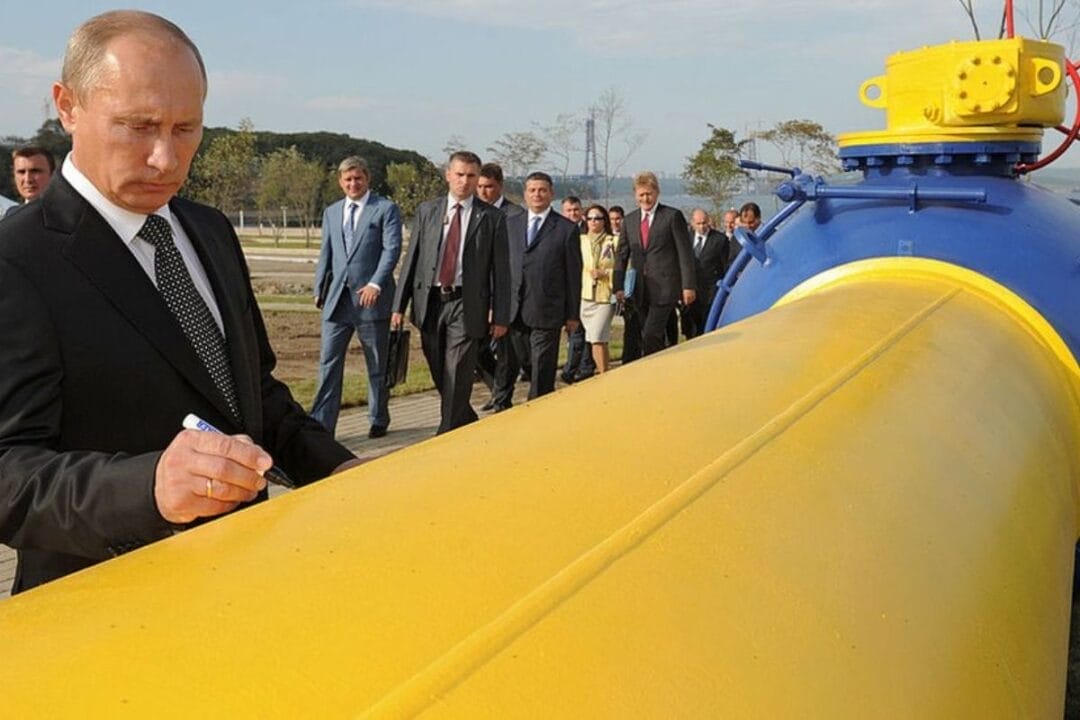
Companies And European Governments Signal Possible Reopening For Russian Gas
More than three years after the invasion of Ukraine, Russian gas is back in the political and economic debate of the European Union. The bloc’s energy dependence remains, and uncertainties about U.S. supply have reignited discussions about rapprochement with Gazprom.
During the energy crisis of 2022-2023, U.S. gas met part of the demand left by the cut in Russian gas. However, with Donald Trump pressuring Europe in trade negotiations and threatening supply stability, EU officials and executives have begun to consider a partial return to Russian gas imports.
The Vice President of Engie, Didier Holleaux, stated that with a reasonably peaceful scenario in Ukraine, Russia could supply up to 25% of the bloc’s energy needs. This figure is lower than the pre-war 40%, but still significant.
-
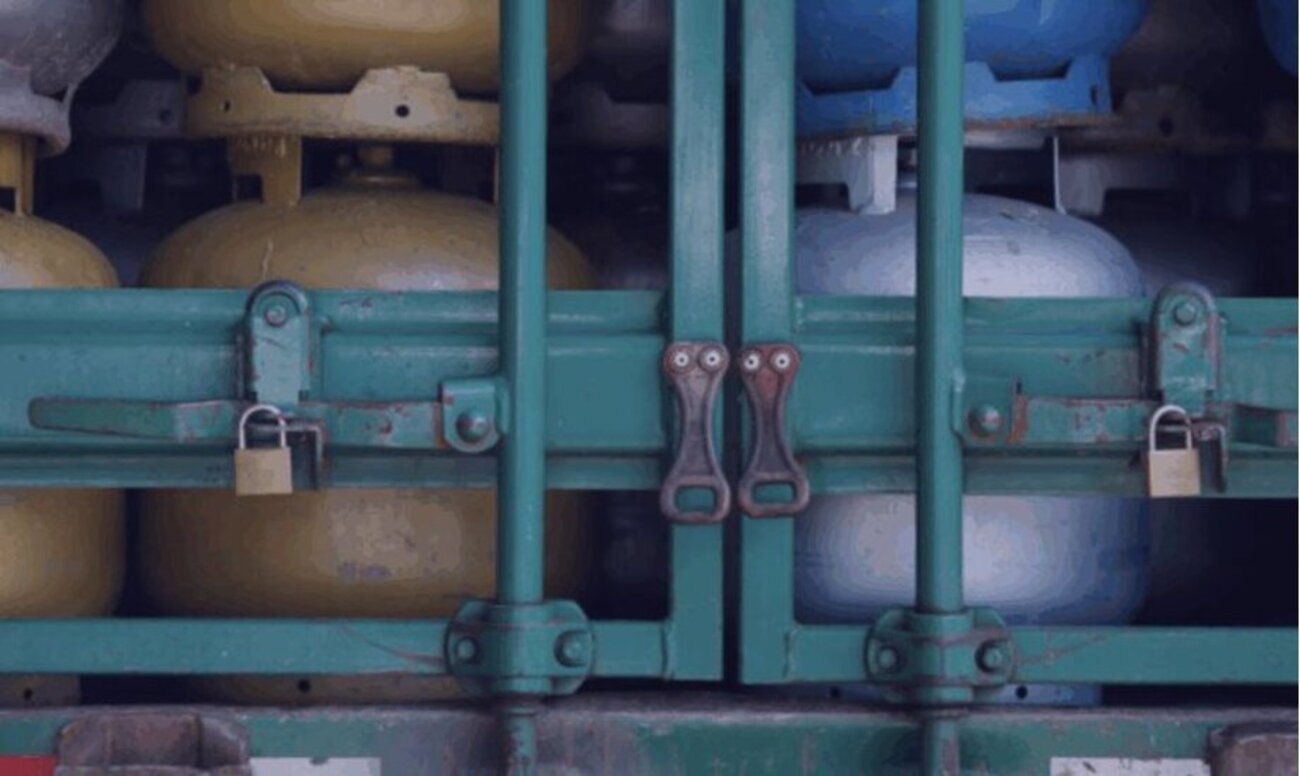
Petrobras evaluates suspension of sales to distributors and considers canceling the cooking gas auction following guidelines from the Federal Government.
-
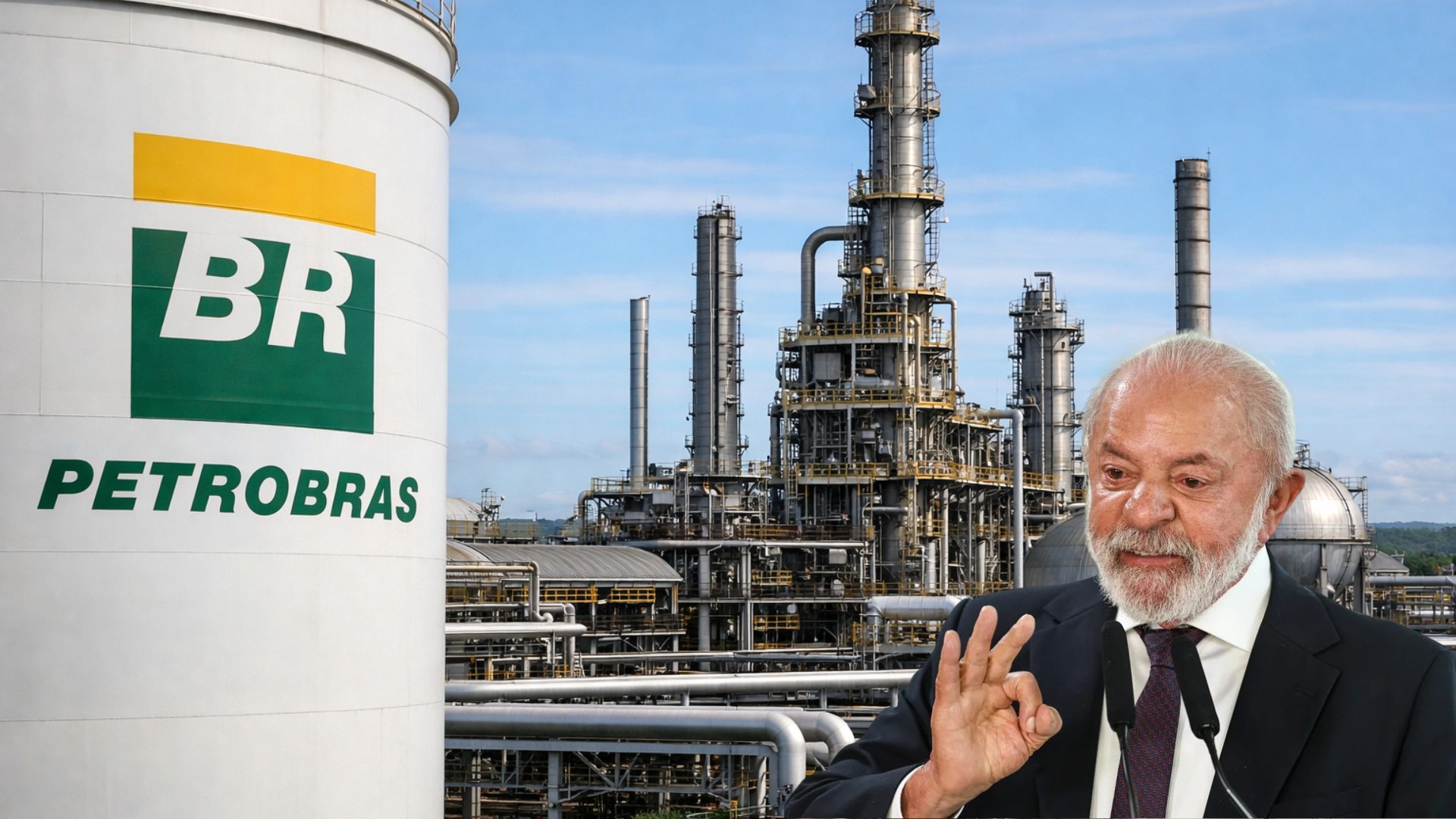
Lula reveals a masterstroke by Petrobras to undo a deal made by Bolsonaro, which involves the return of an important refinery that currently produces less than half of what was expected and makes Brazil dependent on international diesel.
-
A study confirms that the natural gas sector will reduce greenhouse gas emissions in Brazil by 0.5% and accelerate the energy transition by 2026.

-
Petrobras implements a severe adjustment and confirms a 55% increase in the price of aviation kerosene with a proposal for installment payments for the companies.


The European industry, especially in Germany, advocates for a resumption. In the Leuna chemical park, executives report mass layoffs and rising costs. For many, reactivating Russian gas would be the only viable short-term solution.
In Eastern Germany, 49% of the population wishes for the return of Russian gas, according to a survey by the Forsa institute. Local politicians and representatives of the productive sector are pressuring the federal government for cheap energy—even if it comes from Russia.
Europe is also facing a new challenge: instability in relations with the U.S. The growing dependence on American gas is a concern. The CEO of TotalEnergies, Patrick Pouyanné, warned about the geopolitical risks of U.S. LNG, highlighting the need for alternative routes.
Analysts fear that Washington might use gas as an economic pressure tool. Experts such as Tatiana Mitrova and Warren Patterson warn of the possibility of restrictions on American exports if domestic prices rise.
Meanwhile, the EU is delaying its plan to end Russian gas imports until 2027. The gradual return of Russian gas—via arbitration compensations or technical agreements—is already being considered by companies like Engie and OMV, which have won legal disputes against Gazprom.
The topic remains sensitive. Ukraine fears that Europe will yield to energy pressure and become dependent on Russia again. For the CEO of DTEK, Maxim Timchenko, this moment demands responsibility and political memory.










Seja o primeiro a reagir!