





 Portuguese
  English
  Spanish
  3 min of reading
  0 comments


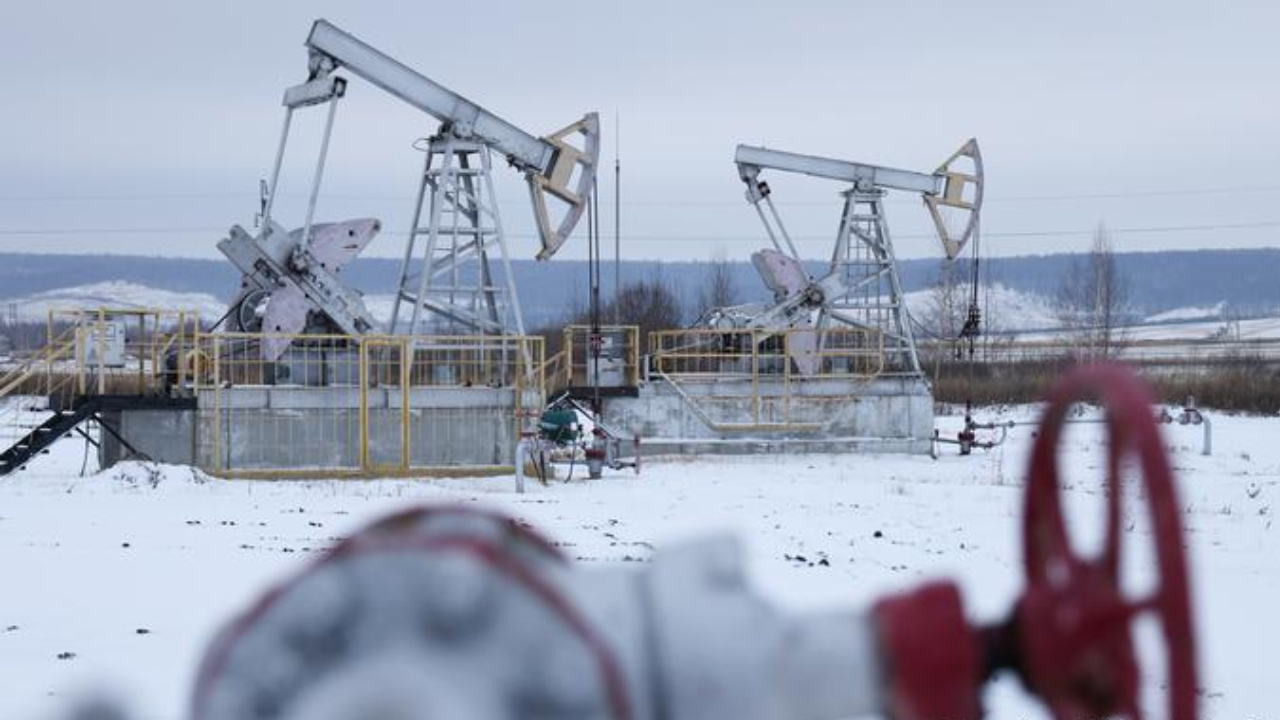
Russia Sees Significant Decline in Oil Export Revenues, Reaching Lowest Level Since the Start of the War in Ukraine and the Pandemic, According to Report by the International Energy Agency.
The International Energy Agency (IEA) revealed a critical scenario for Russian oil exports.
The latest data shows a significant contraction in shipped volumes and an even greater reduction in revenues, a direct reflection of the sanctions imposed by Western countries following the invasion of Ukraine.
Although Moscow continues to seek alternatives to maintain its energy flow, the sector faces an unfavorable combination of lower prices and limited demand.
-
Petrobras implements a severe adjustment and confirms a 55% increase in the price of aviation kerosene with a proposal for installment payments for the companies.

-
The rise in oil prices could ensure an extra revenue of R$ 100 billion for the Federal Government, indicates a recent economic study.

-
Naturgy begins an investment of R$ 1.6 million to expand the gas network in Niterói and benefit thousands of new residences and businesses.
-
A major turn in the Justice system suspends tax increases and directly impacts oil and gas companies in Brazil by affecting costs, contracts, and financial planning, leaving uncertain what could happen to the sector if these costs had increased.

Decline in Oil and Derivatives Exports
In the report published on Thursday (11), the IEA emphasized that crude oil and its derivatives exports fell to 6.9 million barrels per day in November. This level represents the lowest volume since the beginning of the war in Ukraine and also “since the COVID pandemic,” according to the agency.
The total decline was 420 thousand barrels per day, with 290 thousand barrels referring to crude oil and 130 thousand barrels to refined products. This combination reinforces Russia’s difficulty in maintaining its sales levels abroad, even with attempts to circumvent trade barriers.
In addition to the reduction in exports, lower international prices weighed on Russian revenues. According to the IEA, revenues fell to 11 billion dollars (60.11 billion reais) in November. This represents 3.6 billion dollars (19.67 billion reais) less compared to the previous year.
Another relevant figure shows that revenue was 11.4 billion dollars (62.30 billion reais) below the average recorded in the first half of 2022, the period immediately following the invasion of Ukraine.
The energy sector, considered the main economic engine of Russia, is facing increasing pressure. The sanctions imposed by the United States, European Union, and allies were designed precisely to limit financing for the war conducted by Moscow on Ukrainian soil.
Thus, the decline in oil revenues indicates that this set of restrictions is beginning to have broader effects on the Russian economy.
International Pressure and Uncertain Prospects
With limited access to Western markets, Russia is seeking new buyers and alternative routes for its oil.
However, even these strategies face obstacles, as the prices offered need to be lower to attract countries willing to take geopolitical risks. Furthermore, the increase in oil supply in other regions of the world reduces Moscow’s maneuvering space in the global market.
As the war in Ukraine prolongs, the IEA observes that the combination of sanctions, falling prices, and demand contraction creates a challenging environment for Russian oil exports.
The country, which has historically relied heavily on this source of revenue, is now facing an increasingly uncertain scenario as it tries to reorganize its energy supply chain.







Seja o primeiro a reagir!