





 Portuguese
  English
  Spanish
  3 min of reading
  0 comments



SUV Car Sales Grow 40% in Brazil. Caoa Chery and Haval Drive the Increase and Expand Market Share.
SUV Sales Hit Historic Record in Brazil
The SUV car market continues to accelerate in Brazil. In September 2025, sales grew 40% compared to the same period in 2024.
In total, 38,069 units were registered, according to Fenabrave, which represents 16.4% of all new vehicles sold in the country.
Moreover, SUVs are increasingly gaining space on Brazilian streets. Consumers prefer taller, more comfortable, and tech-savvy cars, reflecting a clear change in buying profile.
-
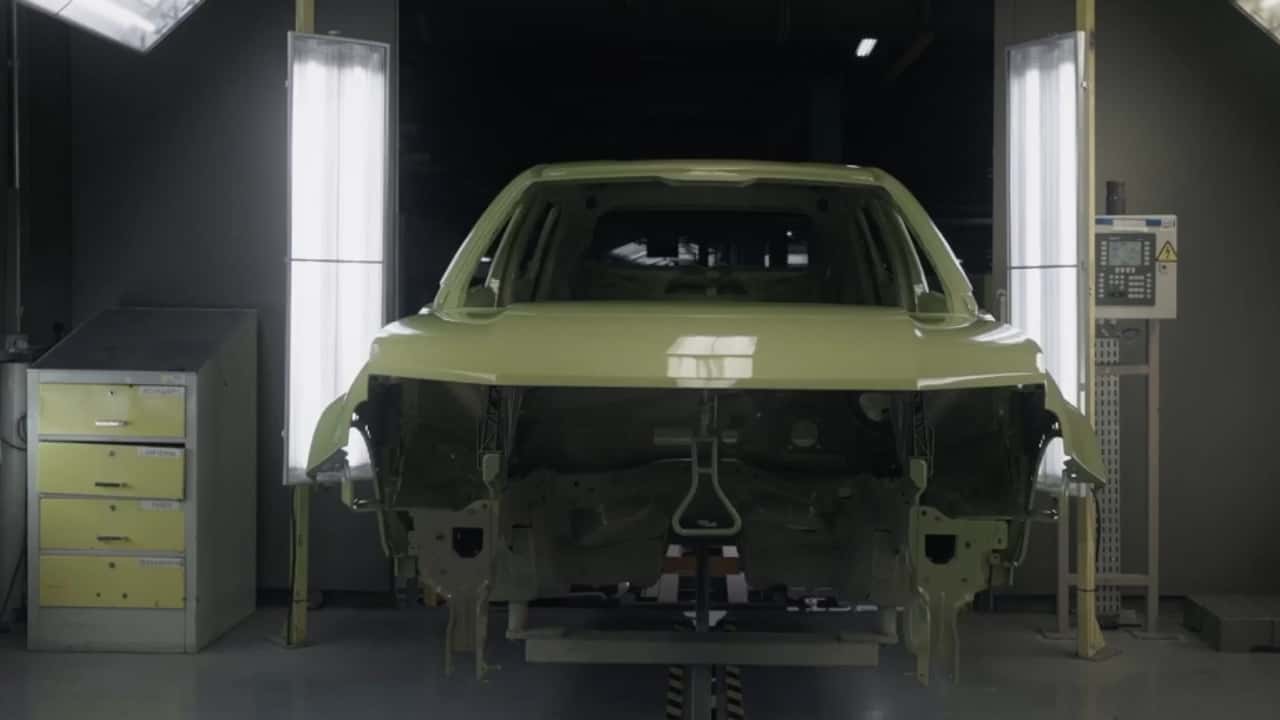
Jeep Avenger begins production in Brazil, debuting as the brand’s new entry-level SUV and inaugurating an unprecedented phase by becoming the first national Jeep manufactured outside of Goiana, as part of a R$ 3 billion plan.
-
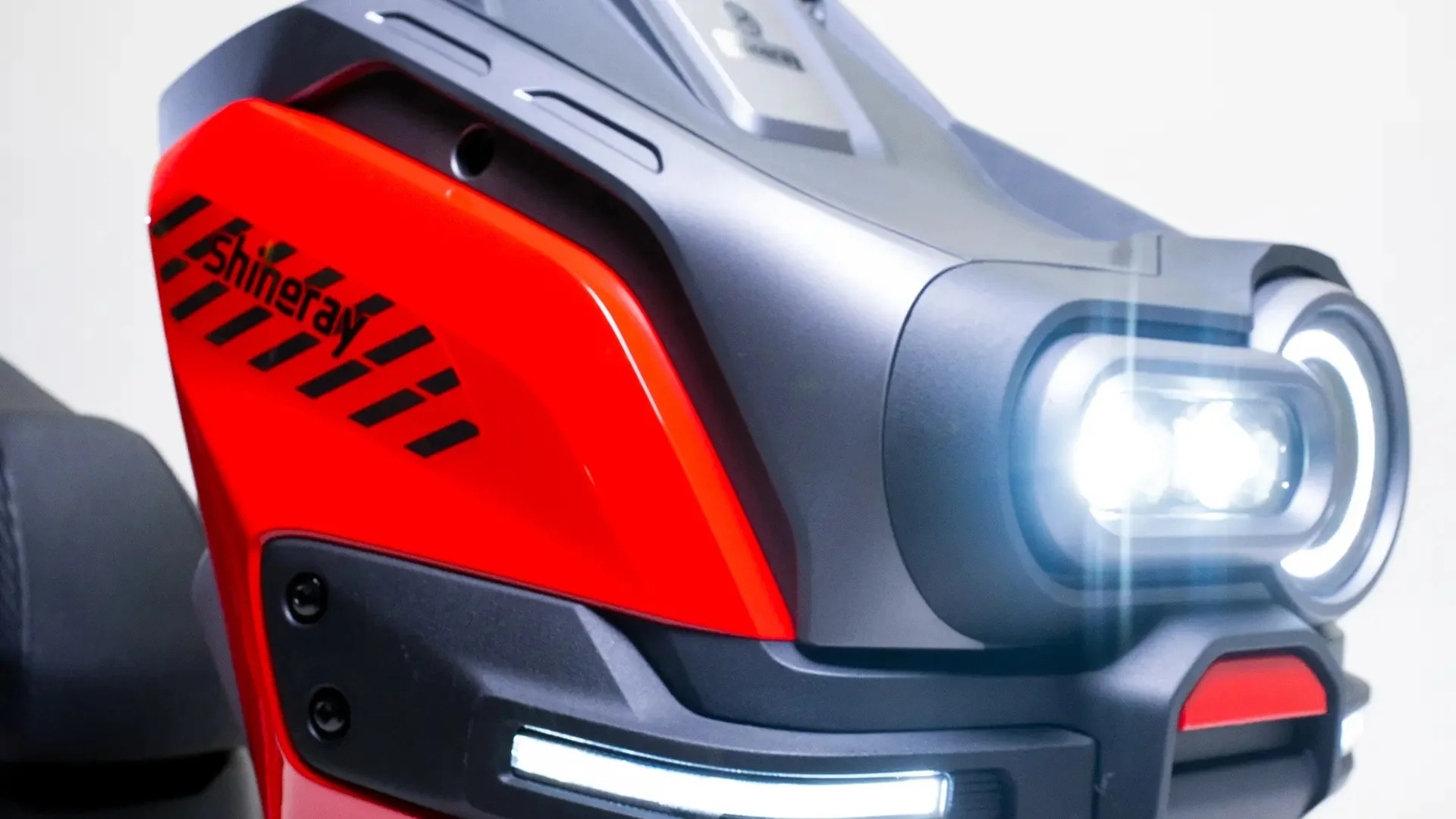
Costing R$ 12,490, the new Shineray Urban Lite 150 “cheap one” arrives in Brazil with a CVT transmission, digital dashboard, and LED lights, making it more affordable than the Biz and targeting those who want to abandon the bus.
-
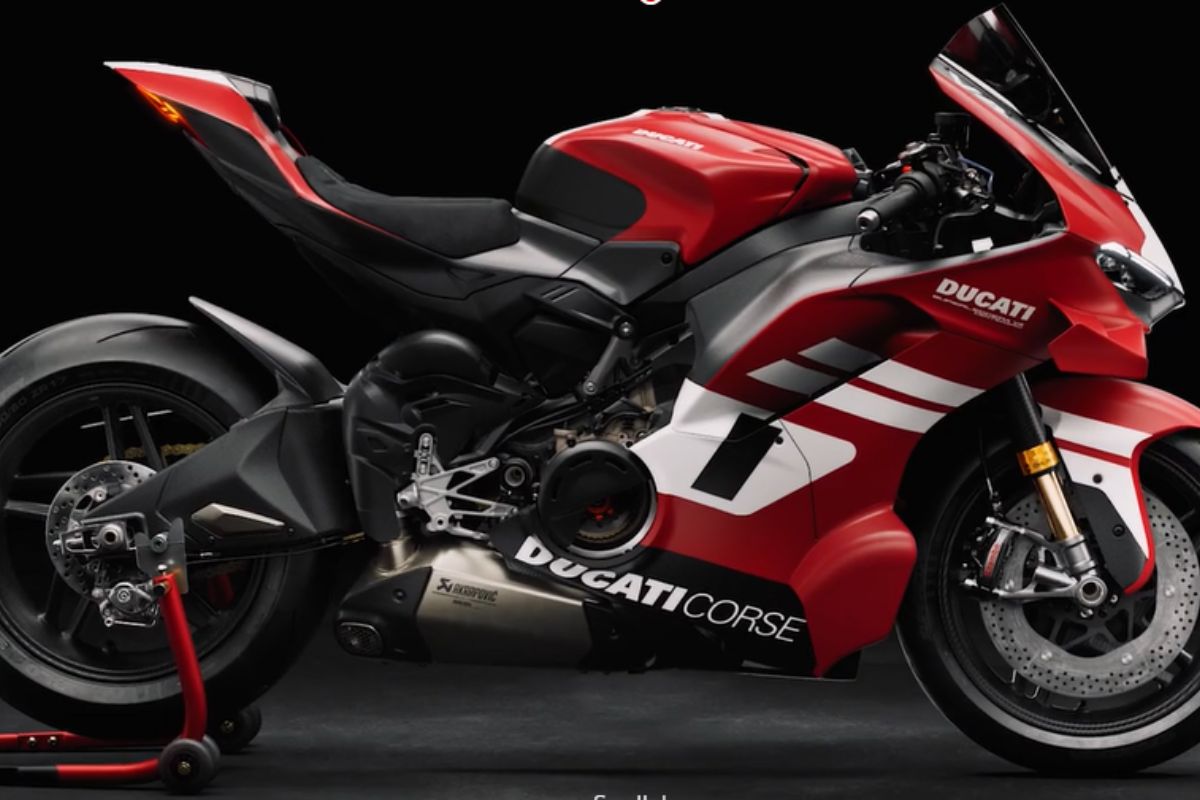
Ducati brings to Brazil the Superleggera V4 Centenario: 228 hp that become 247 with a track kit, carbon fiber and carbon-ceramic brakes, estimated price between R$ 1.5 and 2 million, deliveries only in 2027.
-
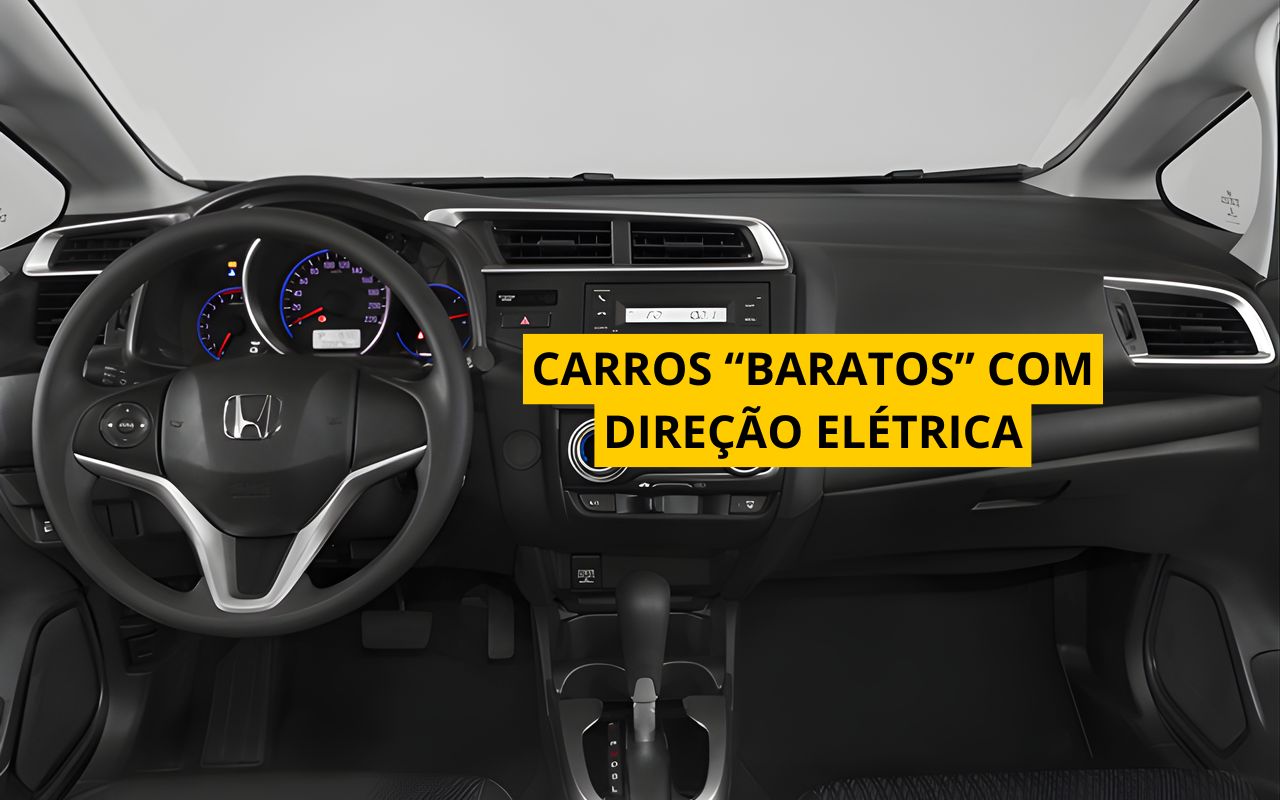
Used cars with electric steering for R$ 30,000: check out 5 practical and economical options for everyday use.

Therefore, this behavior drives automakers to expand the offer of hybrid and electric models, focusing on performance, economy, and sustainability.
Caoa Chery and Haval Gain Strength Among SUVs
Both Caoa Chery and Haval stand out as key players in the increase of SUV sales in Brazil. The Caoa Chery Tiggo 8 achieved record sales for the second consecutive month, with 2,137 units. The model now leads the ranking of large SUVs in the country.
Haval also advanced. The Haval H9, from GWM, surpassed the Chevrolet Trailblazer upon its debut, showing that Chinese automakers are here to stay. They offer modern SUVs, with high levels of technology and more competitive prices.
Traditional Brands Maintain Leadership Among Medium SUVs
Even with the rise of Chinese automakers, traditional brands still dominate the medium SUV segment.
The Toyota Corolla Cross, for example, maintained its leadership with 7,282 units sold, even after the temporary shutdown at the engine factory in Porto Feliz (SP).
Right behind, the Jeep Compass increased nearly 40% in one year, totaling 5,291 units. Additionally, the Caoa Chery Tiggo 7, BYD Song, and Haval H6 completed the top 5, all registering significant sales increases.
Thus, the segment shows intense competition and a growing public preference for SUVs with more technology and performance.
Brazilians Transform SUV Into a Lifestyle
SUVs, beyond being functional, have ceased to be merely vehicles and have become symbols of comfort and status. Today, Brazilian consumers seek safety, technology, and space, and find all of this combined in SUVs.
Meanwhile, Haval invests in hybrid and electrified models, while Caoa Chery focuses on robust design and efficient engines.
Thus, this movement brings Brazil closer to global trends in sustainable mobility, reinforcing the transition to a more modern and eco-friendly automotive market.
The Future of SUVs in Brazil
The September numbers therefore confirm a clear trend: SUVs dominate the Brazilian market. After all, the combination of comfort, technology, and design makes these models increasingly desirable to drivers.
In addition, with the Caoa Chery Tiggo 8 and the Haval H9 among the main highlights, Chinese automakers demonstrate strength and strategy to compete for space with traditional giants.
In this way, Brazil is definitely experiencing the era of SUVs, marked by innovation, public preference, and constant growth.







Seja o primeiro a reagir!