





 Portuguese
  English
  Spanish
  5 min of reading
  0 comments


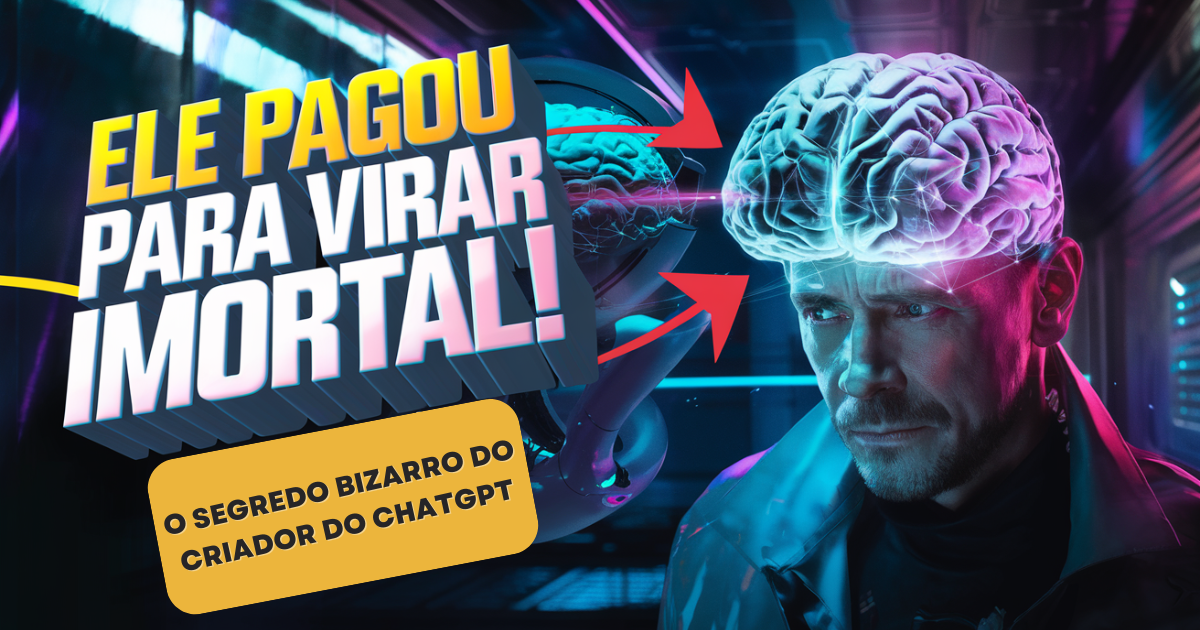
Sam Altman, The Eccentric CEO Of OpenAI, Did Something Unbelievable: He Paid To Have His Brain Digitally Preserved After Death! The Daring Bet Involves The Company Nectome, Which Promises Digital Immortality, But Requires An Unthinkable Price — The Death Of The Client. A Controversial And Futuristic Procedure That Could Redefine Science And The Ethics Of Human Life!
Sam Altman, Billionaire Eccentric And CEO Of OpenAI, May Be A Household Name Due To The Success Of The Company Behind The Development Of ChatGPT. However, Long Before He Became World-Renowned, Altman Involved Himself In A Curious And Daring Investment In The Field Of Technology. In 2018, He Made A Significant Payment To Ensure That, After His Death, His Brain Would Be Digitally Preserved, As Part Of An Innovative And Controversial Process.
The Unusual Investment Of Sam Altman In 2018
Altman Paid About $10,000 To Get On The Waiting List Of Nectome, A Company Focused On Digital Brain Preservation.
According To Nectome’s Proposal, The Digitized Brain Of An Individual Could Eventually Be “Reanimated” Or Transferred To A New Body, Allowing For A Form Of Digital Immortality.
-
Friends have been building a small “town” for 30 years to grow old together, with compact houses, a common area, nature surrounding it, and a collective life project designed for friendship, coexistence, and simplicity.

-
This small town in Germany created its own currency 24 years ago, today it circulates millions per year, is accepted in over 300 stores, and the German government allowed all of this to happen under one condition.

-
Curitiba is shrinking and is expected to lose 97,000 residents by 2050, while inland cities in Paraná such as Sarandi, Araucária, and Toledo are experiencing accelerated growth that is changing the entire state’s map.

-
Tourists were poisoned on Everest in a million-dollar fraud scheme involving helicopters that diverted over $19 million and shocked international authorities.


Although The Concept Seems Straight Out Of A Science Fiction Movie, In 2018, The CEO Of OpenAI Believed That This Possibility Could Become Reality In The Future.
The Proposal Of Nectome Generated Controversy, As It Involves A Procedure That, While Legal, Is Deeply Controversial.
To Preserve The Brain, The Company Essentially Needs To “Kill” The Patient. According To Robert McIntyre, Co-Founder Of Nectome, The Process Is Considered “100% Fatal.”
In An Interview With MIT Technology Review, He Explained That The Experience Is Similar To Physician-Assisted Suicide.
This Is Because The Brain Preservation Procedure Can Only Be Initiated Immediately After Death.
What Is Needed To Become Immortal?
Nectome Offers A Brain Preservation Service That, In Simple Terms, Aims To Keep A Person’s Brain Intact Until The Technology Needed To “Reanimate” It Becomes Available.
The Procedure Requires The Brain To Be Removed From A Body Soon After Death And Treated With Chemicals And Cryogenic Techniques. This Aims To Ensure That The Brain And Its Neural Connections Are Preserved In A Way That Allows For Possible “Uploading” To A Digital System In The Future.
The Process Described By Nectome Involves The Use Of A Machine To Replace The Blood With Embalming Fluids That Preserve The Brain’s Structure.
McIntyre Stated That This Process Is An Advanced Version Of Embalming, Capable Of Preserving Details Not Only Externally Visible But Also The Internal Connections Of The Brain, That Is, The Neural Connections.
Legal And Ethical Controversies Surrounding The Procedure
Although The Process Has Been Described As Innovative, It Is Not Free From Controversy. Since The Procedure Requires The Patient’s Death To Be Initiated, Many Question The Ethics And Legality Of This Practice.
However, According To California Law, Where The Company Is Based, Physician-Assisted Suicide Is Permitted In Cases Of Terminal Illness, Which Legally Supports Nectome To Carry Out The Brain Preservation Technique, Provided That The Patient Is Aware Of Their Choice.
Still, The Procedure Raises Moral And Ethical Questions. Lawyers Consulted By The Company Confirmed That The Process Is Legal, But Also Warned About The Complexity Of The Ethical Aspects, Particularly Regarding Informed Consent And The Vulnerability Of Patients.
Investments And Recognition Of Nectome
Nectome Is Not Just Any Company In The Technology Sector. It Was Selected To Be Part Of The Y Combinator Startup Accelerator, Known For Funding Innovative And Daring Ideas.
This Support Resulted In An Investment Of $120,000 And Three Months Of Mentorship, Helping To Solidify The Company’s Position In The Market.
Additionally, Nectome Received An $80,000 Grant From The Brain Preservation Foundation, An Organization Dedicated To Brain Preservation.
The Grant Was Awarded To McIntyre And His Partner Greg Fahy For Their Research In Brain Preservation. Their Research Involved The Preservation Of A Pig Brain, With Impressive Results.
The Preservation Was So Successful That Scientists Were Able To Observe The Brain’s Synapses Using An Electron Microscope, An Important Achievement For The Field.
This Demonstrates That Nectome Has A Solid Scientific Approach In Its Practices, Although Application In Humans Is Still Distant.
The Future Of Brain Preservation
In 2018, Sam Altman Expressed Confidence In The Possibility Of One Day Being Able To Upload A Human Brain To A Digital System.
He Believed That, In The Future, His Brain Preserved At Nectome Could Be Transferred To The “Cloud” And Possibly Reanimated Or, In Some Way, Returned To Life.
However, The Concept Of Preserving A Human Brain For Future Digital Reincarnation Is Still Highly Speculative.
Currently, Nectome Does Not Offer A Real “Upload” Of The Brain, But Works With Advanced Brain Preservation Technology.
The Company’s Goal Is To Ensure That, If Such Technology Becomes Viable In The Future, The Preserved Brains Are Already Ready For Digital Reinterpretation.
This Raises An Important Question: What Would Happen To The Human Mind After Such A Complex Brain Digitization Process?
The Answer To This Question Remains An Unknown, But The Idea Of Memory And Identity Preservation Is Generating Philosophical And Scientific Discussions.
Criticisms And Concerns About The Technique
Ken Hayworth, President Of The Brain Preservation Foundation, Stated That Nectome’s Technique Has Potential But Also Raises Concerns.
He Believes That While Brain Preservation Is Valid, The Process Of Creating A “Connectomic Map” Of The Brain — Mapping Neural Connections — Would Be Extremely Complex And Currently Impossible To Achieve.
This Complexity Calls Into Question Whether The Technique Can Truly Allow For A Real Reinterpretation Of Human Consciousness.
Additionally, Hayworth Warns That The Company Could Start Selling The Brain Preservation Procedure Before An Ethical And Medical Consensus Is Reached.
The Central Concern Is That Nectome Could Encourage Vulnerable People To Opt For This Process Without Adequate Ethical Discussion, Considering The Risks Of Physician-Assisted Suicide To Preserve The Mind.
The Future Of Digital Immortality
Although The Brain Preservation Procedure Proposed By Nectome Is Fascinating And Involves Promising Technologies, There Are Still Many Unresolved Issues.
Sam Altman, As One Of The First Investors To Enter This Field, Demonstrates The Confidence That Some Have In The Potential Of This Innovation. However, The Reality Of Achieving “Digital Immortality” Still Seems Distant.
Brain Preservation, While An Advanced Scientific Area, Still Needs To Overcome Significant Technical And Ethical Challenges.
In The Meantime, The Future Of Initiatives Like Nectome’s Continues To Raise More Questions Than Answers, Leaving The World In Suspense About The Limits Of Science And Human Consciousness.








-

Uma pessoa reagiu a isso.