





 Portuguese
  English
  Spanish
 5 min of reading
  0 comments


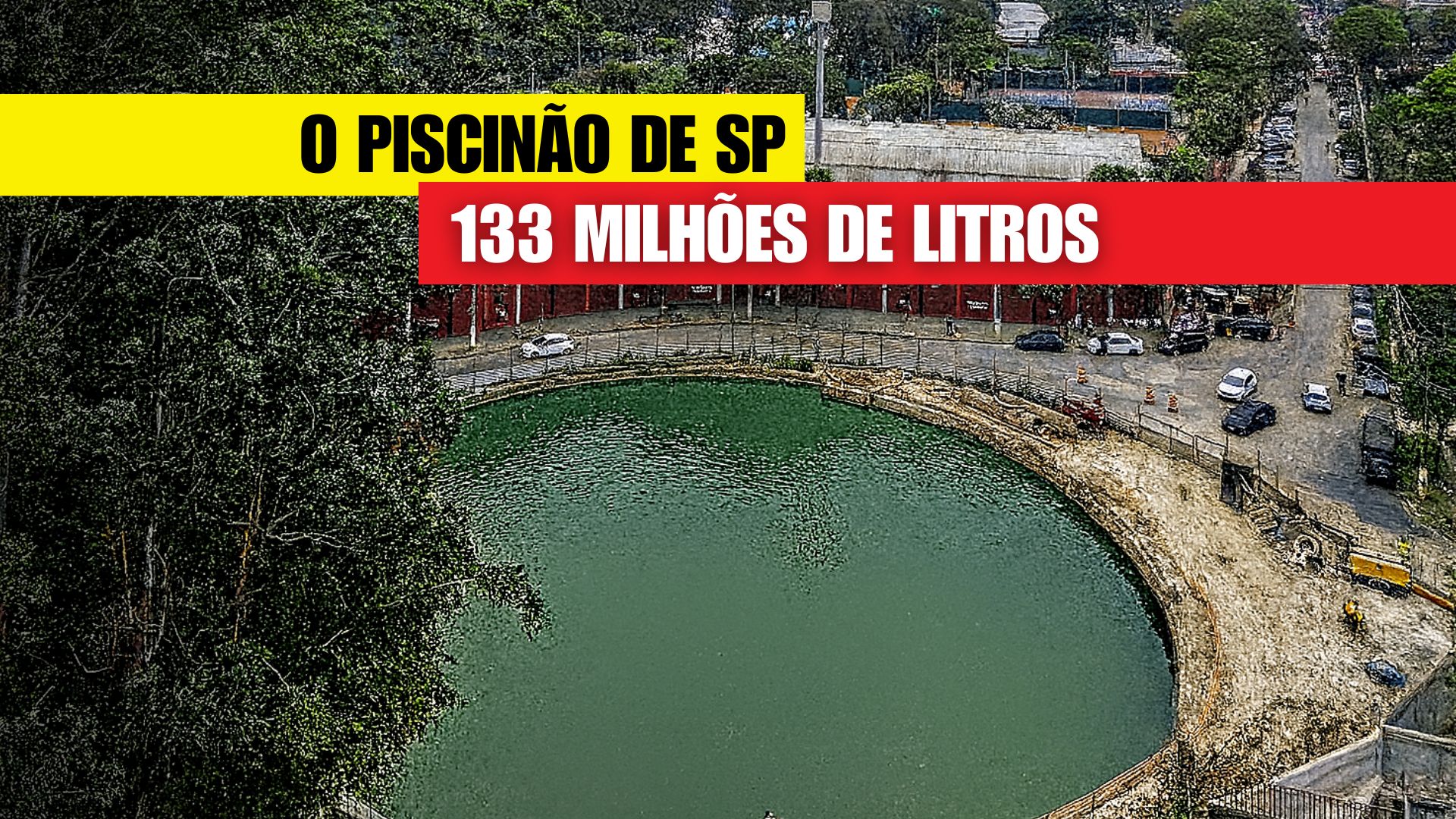
Billion-Dollar Project by the City Hall Changes Traffic and Routine Around Morumbi Stadium with Diversions, Blockades, and Excavations That Continue Until 2026, While Promising to Solve Historic Floods Caused by the Antonico Creek in South São Paulo.
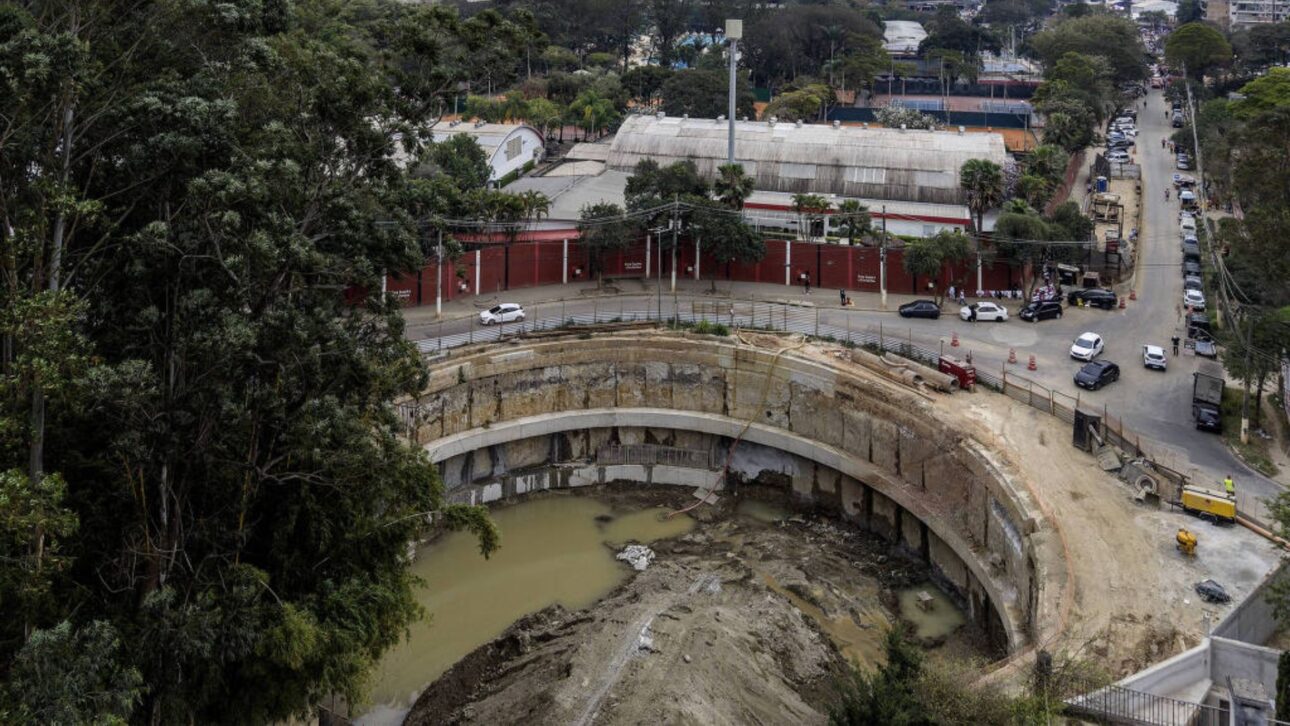
The City of São Paulo is executing a flood control reservoir in front of the São Paulo stadium that promises to reduce flooding caused by the Antonico Creek around Morumbi.
With capacity for over 133 million liters and delivery scheduled for May 2026, the project has altered circulation in the area, causing blockades, diversions, and narrowed lanes especially at Roberto Gomes Pedrosa Square and Jules Rimet Avenue.
The total disclosed investment is R$ 273.8 million, along with the implementation of 663 meters of new stormwater galleries, according to a report published by Folha de S. Paulo this Sunday (14).
-
The lack of welders, electricians, and operators becomes a structural threat in 2025, with the construction industry and manufacturing already suffering from delays, cost pressures, and labor shortages in Brazil.
-
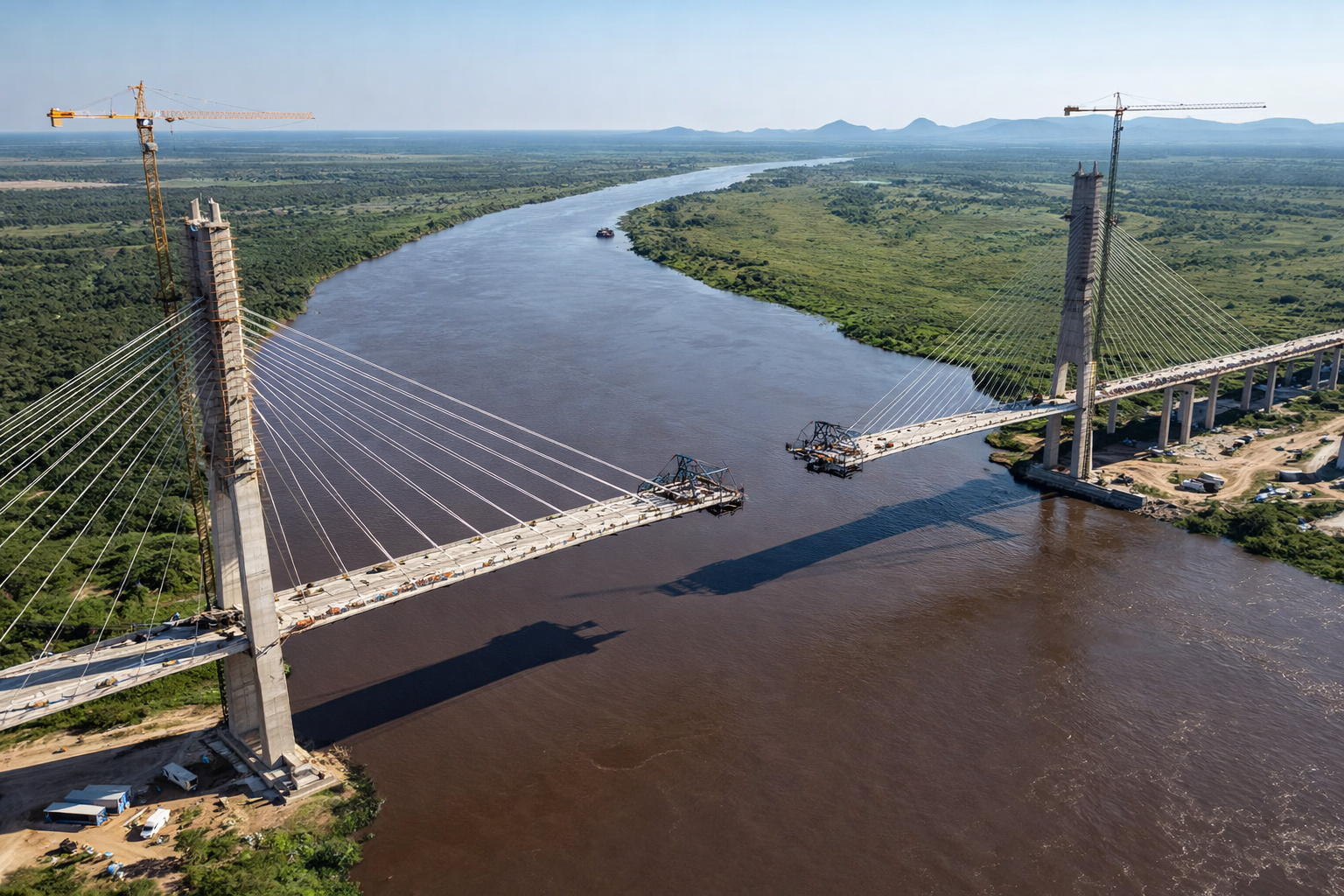
Brazil and Paraguay are just 46 meters away from a historic union on the bioceanic bridge that promises to revolutionize trade between the Atlantic and the Pacific.
-
With 55 km over the sea, a cost of US$ 20 billion, and enough steel to build 60 Eiffel Towers, China’s largest project has connected Hong Kong, Zhuhai, and Macau in a colossal bridge that defies the logic of engineering.

-
A trick with joint compound transforms a Styrofoam ceiling into a plaster-like ceiling: leveled panels, wires and mesh at the joints, sand, paint, and change the environment while spending little today.


Piscinão and Works Around the Stadium
The main reservoir is being constructed at Roberto Gomes Pedrosa Square, in front of the main access to the stadium, in the southern part of the capital.
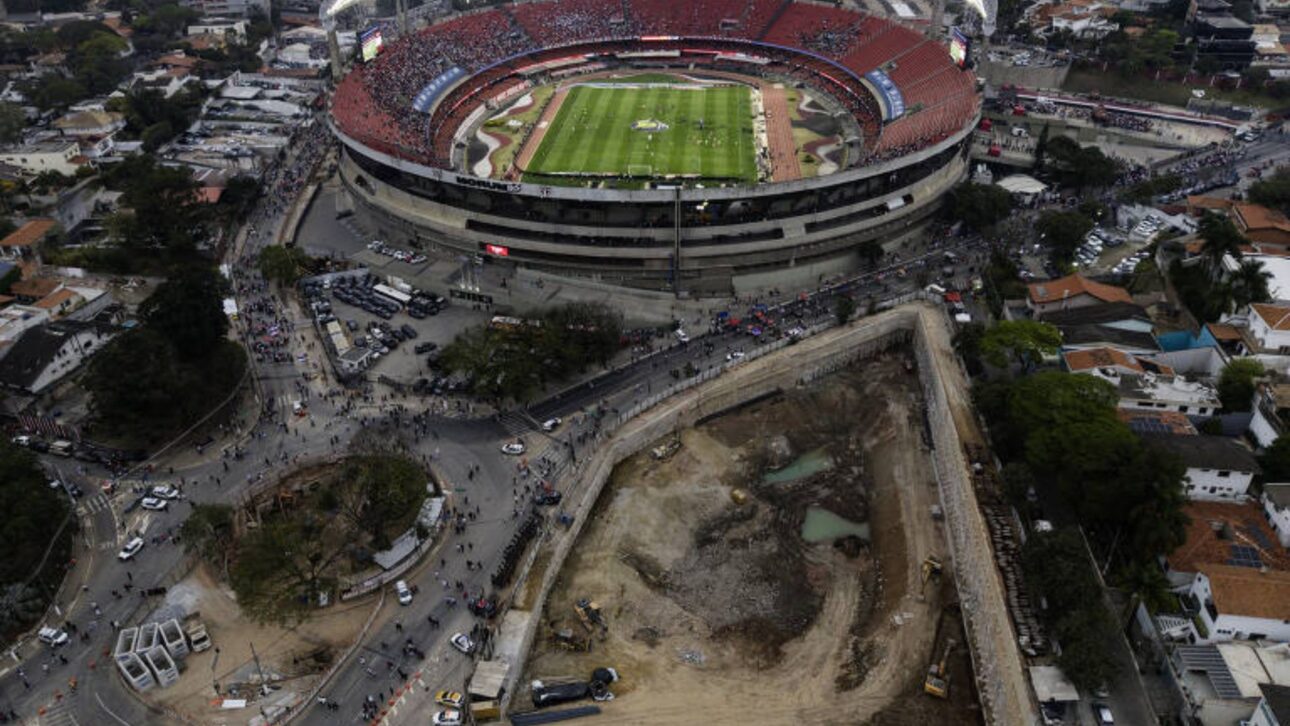
This is an underground piscinão designed to receive excess rainwater during heavy storms, storing water for a few hours until the drainage system can safely release it.
At the same time, new stormwater galleries are being opened to increase the drainage capacity of the Antonico and relieve bottlenecks in the current layout.
According to a report by Folha de S. Paulo, the project also includes the construction of a second reservoir at Alfredo Gomes Square, along with interventions on Jules Rimet Avenue, which have already been initiated by the state government.
The entire set of works is seen as strategic to reduce flooding in critical areas that have recurred for decades in the region.
Traffic with Diversions and Blockades
The interventions required partial closure of Roberto Gomes Pedrosa Square in approach to Giovanni Gronchi and Jorge João Saad avenues.
Jules Rimet Avenue operates with reduced lanes near the stadium, a situation that worsens on game or show days.
The Traffic Engineering company stated that it is monitoring the changes and guiding drivers and pedestrians.
In a statement, CET explained that for those traveling on Giovanni Gronchi Avenue heading towards João Dias and needing to access Jules Rimet Avenue, Rua Dona Adelina Ashcar or making a U-turn, the guidance is to turn right onto Jorge João Saad Avenue and use the new U-turn built on site.
According to the agency, the measure aims to maintain fluidity and safety during the heaviest phase of the works.
Holes, Mud, and Impact on Daily Life
On the ground, the routine has changed.
Excavations and trenches opened along the stadium on Jules Rimet Avenue make crossing and continuous walking difficult, especially when muddy water flows after rain showers.
The flow of fans has been redirected in sections, requiring detours around barriers and isolated areas.
A street vendor interviewed by Folha de S. Paulo reported that he needs to collect the line where he displays t-shirts on game days, as pedestrian traffic has changed and space on the sidewalks has become limited.
Residents also reported to the newspaper longer routes to access stadium entrances and greater difficulty leaving the area during peak hours.
Club Seeks Solution for Historic Floods
Despite the temporary inconveniences, the internal assessment at the club is that there is no significant operational harm during matches and shows.
On event days, the region already receives special traffic and security operations, with planned blockades and diversions.
In the view of São Paulo, these measures mitigate the inconveniences caused by the construction sites, even though fans face more winding routes and occasional lines during peak times.
The newspaper Folha de S. Paulo also pointed out that episodes of flooding influenced the club’s decision to pressure the public authorities.
In recent years, flooding has affected the pitch, stands, and the social headquarters, leading officials to seek solutions from the City Hall and the state government.
Deadline and Expectation for 2026
The disclosed schedule indicates completion in May 2026 for the reservoir at Roberto Gomes Pedrosa Square.
Until then, the area will continue with partial closures, lane narrowings, and diversions that change location as each work front advances.
The traffic authorities’ guidance is to double attention to temporary signage and consider alternative routes on busier days at the stadium.
With the delivery, the expectation of managers is that the piscinão of 133 million liters, combined with the new galleries and the supplementary reservoir at Alfredo Gomes Square, will contain peak flood levels and reduce flooding points that form on Jules Rimet, at Roberto Gomes Pedrosa Square and on the streets around Morumbi.
The final phase anticipates the urban reconfiguration of the affected areas and the return of communal spaces to residents.
Strategy Against the Antonico Overflow
The Antonico Creek originates in Paraisópolis and crosses the Morumbi neighborhood, passing through densely populated areas with high pedestrian traffic.
Without adequate drainage capacity during heavy storms, the volume of rain overflows onto streets and urban equipment, directly impacting those heading to games, shows, and activities at the club.
The construction of reservoirs near critical points allows for retaining water at its peak and gradually releasing the flow, preventing the stormwater system from collapsing.
Meanwhile, the combination of trenches, machinery, and diversions will continue to be part of the scene until the completion of the works.
The expectation of residents, merchants, fans, and the club itself is that the relief from floods compensates for the period of inconveniences in access and local mobility.
With the works progressing in a high-traffic neighborhood and with a frequent event calendar, the question remains: what transportation habits are fans and the local community willing to temporarily change to improve coexistence with the construction site and reach 2026 with fewer floods in Morumbi?








-

2 pessoas reagiram a isso.