





 Portuguese
  English
  Spanish
  4 min of reading
  0 comments


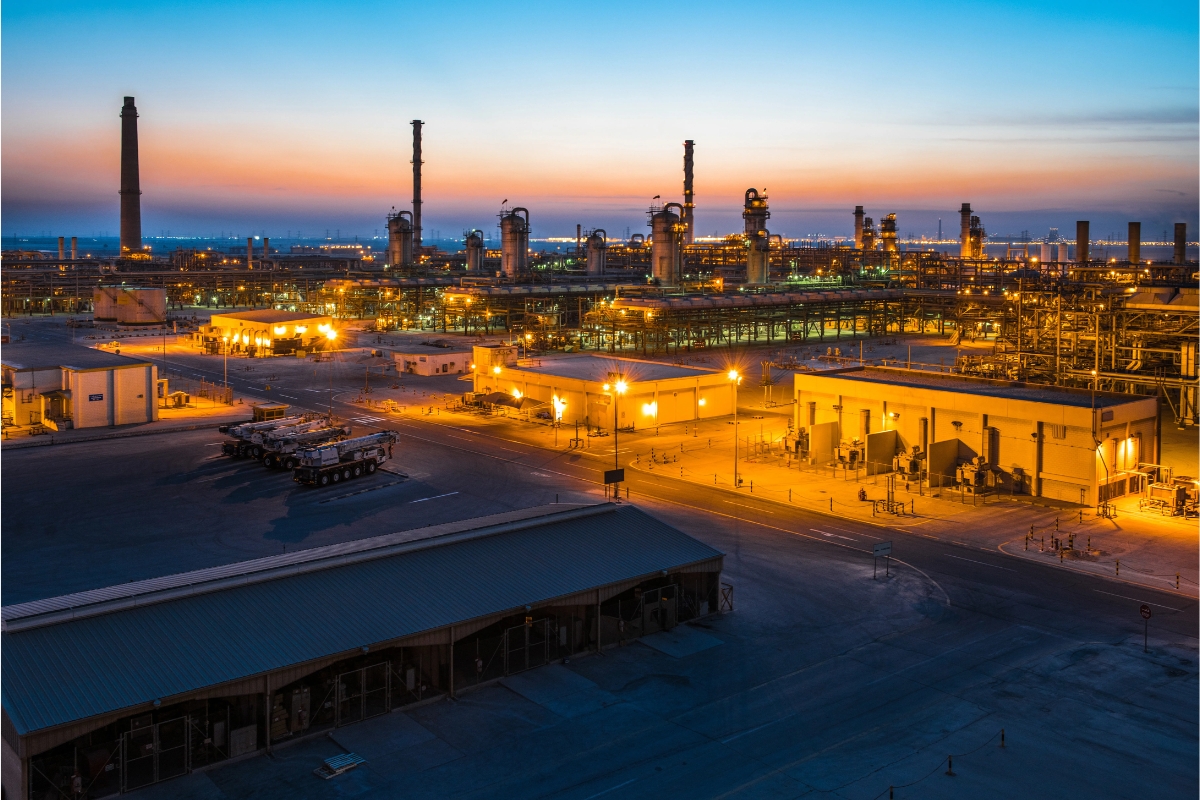
The Jafurah Gas Mega-Field Will Release Up to 1 Million Barrels Daily for Export, Inaugurating a Global Oil Surplus and Pressuring Prices to Around US$ 60
Saudi Arabia is about to trigger one of the biggest shifts in the global energy market since the rise of American shale. The gigantic Jafurah gas field, considered the largest unconventional project in the Middle East, is set to start operating at the end of 2025 and promises to change the country’s consumption logic. What is at stake is not just cheap gas for domestic use, but a complete rearrangement of the Saudi strategy: reducing the use of oil at home to unleash a flood of barrels to the rest of the world.
Experts have been emphatic: when Jafurah reaches its full capacity, Saudi Arabia could dump on the international market up to 1 million barrels of oil per day, altering prices, OPEC strategies, and projections for the next decade.
A Country That Burns Oil to Generate Energy Prepares Its Own Breakthrough
Saudi Arabia is an exception in the modern world. While countries use natural gas, renewable energy, or nuclear power to supply their electricity grids, Saudis still burn oil to generate electricity. This is not due to a lack of technological alternatives, but because the country has always had surplus oil and has never felt pressured to change.
-
The rise in oil prices could ensure an extra revenue of R$ 100 billion for the Federal Government, indicates a recent economic study.

-
Naturgy begins an investment of R$ 1.6 million to expand the gas network in Niterói and benefit thousands of new residences and businesses.

-
A major turn in the Justice system suspends tax increases and directly impacts oil and gas companies in Brazil by affecting costs, contracts, and financial planning, leaving uncertain what could happen to the sector if these costs had increased.

-
Brava Energia begins drilling in Papa-Terra and Atlanta and could change the game by reducing costs in oil while increasing production and strengthening competitiveness in the offshore market.
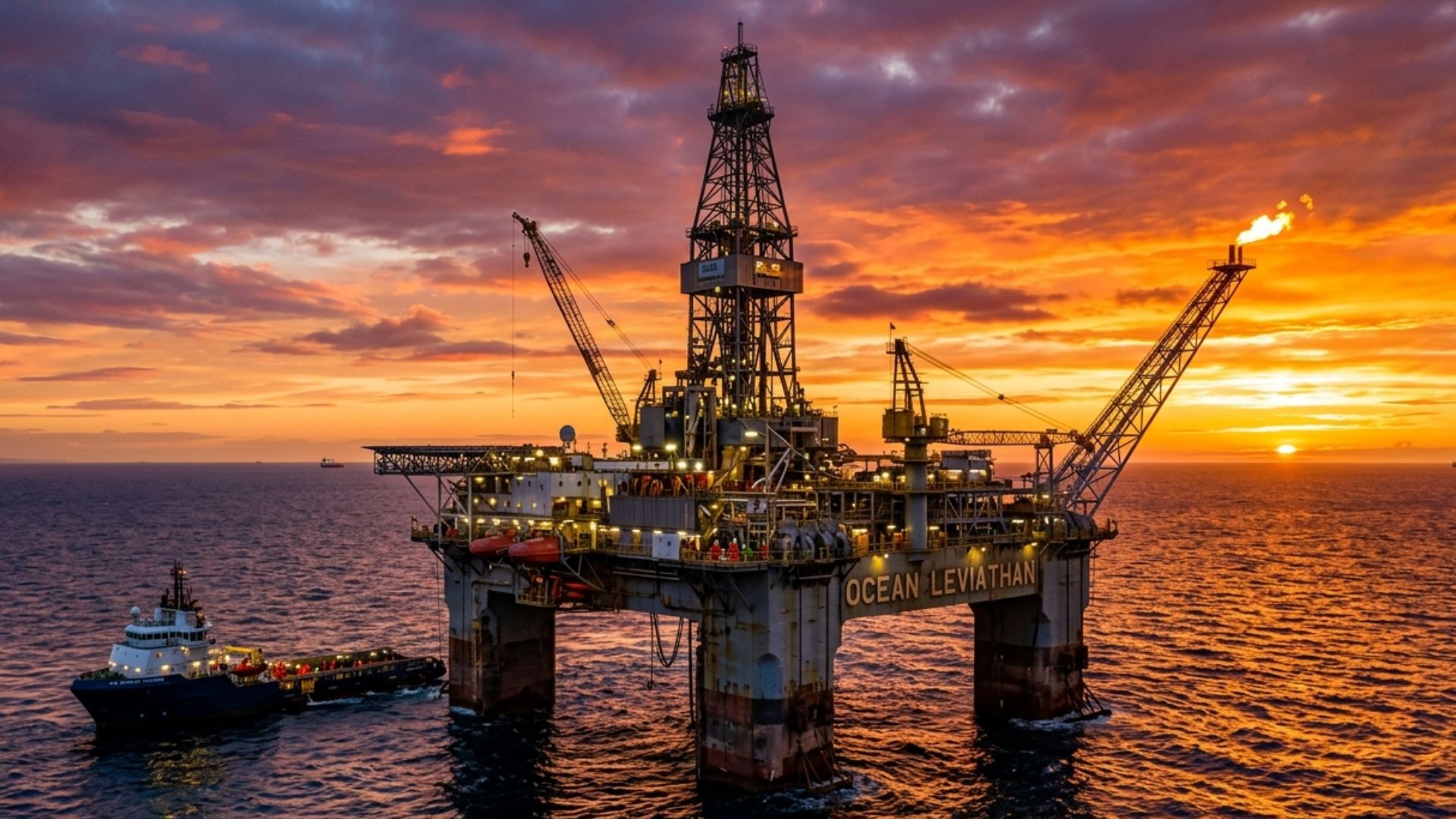

This scenario is beginning to crumble. According to the International Energy Agency (IEA), domestic consumption of liquid fuels is expected to fall by 1 million barrels per day by 2025, with about half a million barrels being just oil. The decline will not happen by magic: it will be driven by a combination of new gas fields, accelerated expansion of renewable sources, and direct substitution of oil for gas in petrochemical industries and energy generation.

This movement is part of the ambitious Vision 2030, the mega investment program led by Crown Prince Mohammed bin Salman. The central idea is simple and radical: to use the surplus oil to transform the economy and, at the same time, prepare the country to survive in a world that will consume less fossil fuels.
Riyadh understands an uncomfortable truth: if the world transitions more rapidly than expected to electric cars, solar energy, and hydrogen, the price of oil could plummet. And a structural decline in prices would threaten the entire Saudi stability. Therefore, investments in gas are seen as a way to shield the country before the shock occurs.
Jafurah: The Field That Could Push Oil to US$ 60 (or Less)
Julius Baer bank went straight to the point in its report: Jafurah inaugurates a new era for the international market. With the substitution of oil by gas in internal operations, the country not only reduces costs but also releases gigantic volumes for export.
The institution states that the operational start of the gas field will create a much larger supply surplus than initially estimated, putting pressure on global prices. The bank projects that oil may retreat to US$ 60 or even below, if the Saudi surplus is maintained for an extended period.
It’s not an exaggeration: Jafurah is a colossal project, valued at US$ 11 billion, with participation from giants such as BlackRock and GIP. When fully operational, it could boost Aramco’s natural gas production by 60%, reinforcing what analysts call the “decade of cheap energy” in the Middle East.
According to consulting firm Argus, today 57% of Saudi electricity comes from gas and 43% from oil derivatives. With Jafurah, this balance will change definitively. The first phase begins at the end of 2025, with a production of 200 million cubic feet per day. By 2030, capacity will reach 2 billion — ten times more.
In addition to reducing domestic oil use, the field will bring another significant impact: Aramco expects to generate between US$ 9 billion and US$ 10 billion additional per year in cash flow by the end of the decade, uniting energy security, new cash flow, and expanded export capacity.
The New Board: More Gas In, More Oil Out
S&P Global consultancy projects a significant cut in oil consumption within the country: from 440 thousand barrels per day in 2025 to 390 thousand in 2026, a trend that is expected to intensify with the advancement of Jafurah. This releases strategic volumes for export and reinforces Saudi Arabia’s dominant position in OPEC.
Analyst Rucker, in a recent interview, highlighted that the field acts as a guarantee that Saudi Arabia will continue to supply the global market for many years, expanding the surplus already observed in some forecasts from OPEC itself.
He emphasizes another little-discussed point: the impact on the petrochemical sector. The abundant supply of natural gas, much cheaper than oil, alters the cost dynamics and can benefit industries that heavily rely on derived inputs. It’s a cascading effect that reorganizes prices, margins, and international competitiveness.
For Julius Baer, the symbolism is clear: Jafurah is the “flagship project” of a structural transformation in the energy market. A movement that not only reinforces the Saudi position but also signals that oil may be entering its phase of highest supply since 2014.






Seja o primeiro a reagir!