





 Portuguese
  English
  Spanish
  4 min of reading
  0 comments



Cencosud Brasil and Schneider Electric Promote Sustainability with Energy Monitoring, Reducing 568 Tons of CO2 and Saving 3,840 MWh.
In recent years, mining has been increasingly recognized for its growing adherence to sustainability practices, dedicating efforts to reducing environmental impact. By 2025, industry leaders are expected to intensify their focus on automation, energy transition, and sustainable growth, shaping a sector redefined by innovative and environmentally responsible trends. This shift is already being noted, with several companies implementing cutting-edge technologies to optimize processes and minimize their carbon footprint.
Among successful examples is Cencosud Brasil, which, in collaboration with Schneider Electric, managed to significantly reduce its CO2 emissions by 568 tons and save about 3,840 MWh of energy in 2024. This partnership illustrates the effectiveness of sustainable practices in business management and their economic benefits. Thus, there is a movement that not only preserves the environment but also enhances corporate operations, ensuring competitiveness in the global market.
Transformations in the Mining Sector: Sustainability in Focus
By 2025, the mining industry will rapidly adapt to contemporary sustainability demands. Once criticized for its harmful effects on ecosystems, the mining sector is now at the forefront of sustainable practices. Companies within the extractive industry are revisiting their strategies and investing in technologies that promote efficiency and business sustainability. These initiatives have already yielded promising results, as indicated by recent studies from the International Energy Agency.
-
Embrapa’s discovery reveals an unexpected advancement by allowing the production of seedlings from the caatinga using brackish water, opening a new frontier for farmers to face drought more efficiently.

-
6 sources of free fertilizer that you are throwing away every day and can transform your garden without spending anything.

-
With a water crisis on the radar, Sabesp invests in reclaimed water for data centers and transforms sewage treatment into a solution that saves millions of liters and protects public supply.

-
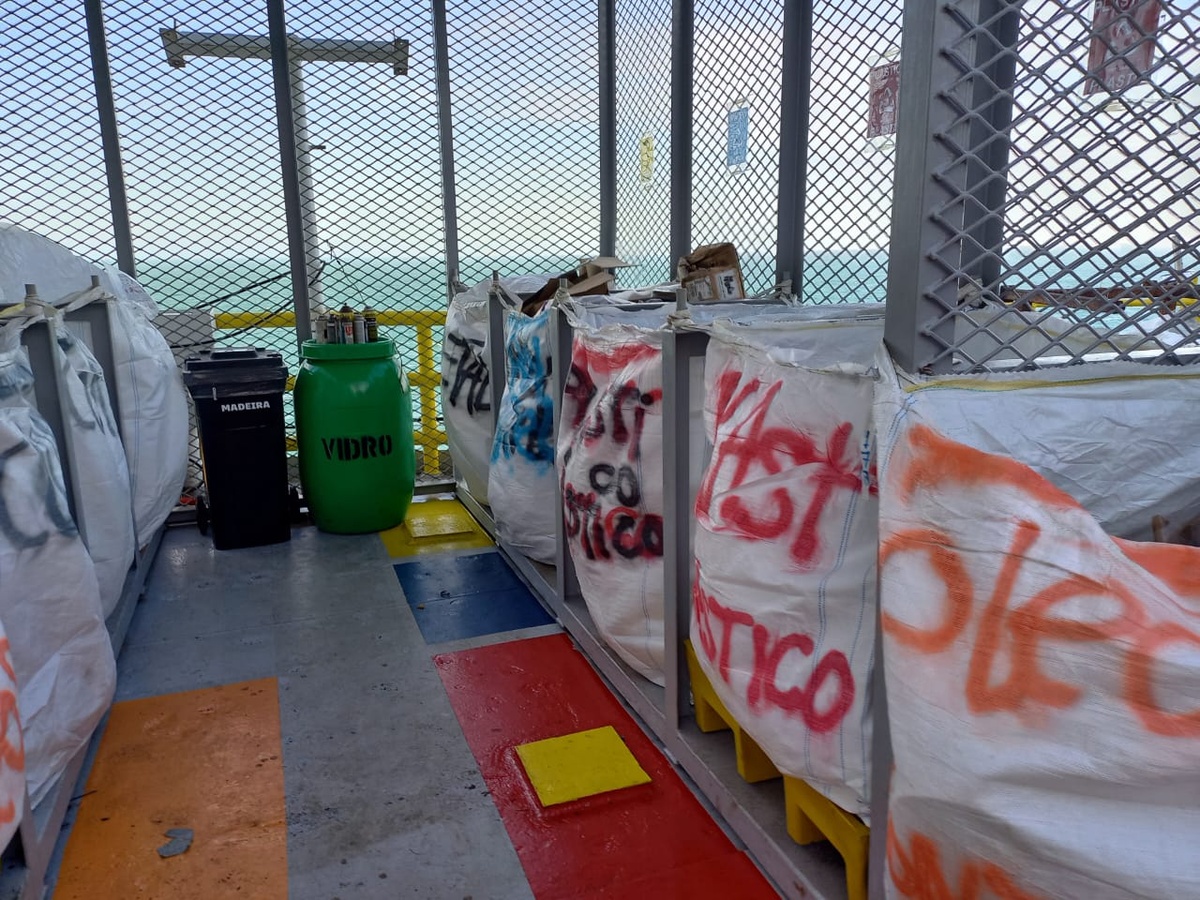
Foresea achieves 100% offshore waste reuse in 2025, eliminates landfill disposal, and consolidates sustainable strategy with 1,500 tons recycled.
It is important to note that the transition is not limited to innovative technologies; it also involves raising awareness and training leaders to incorporate sustainable practices into daily operations. In 2024, a significant conference took place in São Paulo, where experts shared insights on efficiency and environmental conservation, highlighting the importance of an integrated approach between technology and corporate leadership. With this, companies are capitalizing on renewable energies and resource recycling, making the sector a paradigm in the global sustainable trajectory.
Lastly, public awareness of these changes is imperative. Visibility of these efforts enhances social acceptance and promotes a virtuous cycle of sustainability. With mining companies taking on environmental responsibility, it is expected that mining transforms its reputation from environmental villain to protagonist in the conservation and restoration of the planet. After all, implementing sustainable practices is not just a trend but an urgent necessity to ensure a viable future for the next generations.
Sources consulted for this analysis include data from the International Energy Agency, the Sustainability in Mining conference held in São Paulo in 2024, and industry reports published by Cencosud and Schneider Electric. These sources corroborate the ongoing change and highlight the crucial role that technological innovation will play in the coming years.
Commitment to Sustainability
One of Brazil’s retail giants is advancing robustly towards sustainability, with the valuable assistance of Schneider Electric, recognized globally for its leadership in digital transformation of energy management and automation. By adopting the EcoStruxureTM Resource Advisor platform, the company has been able to significantly optimize its energy consumption, improve resource monitoring, and sustainably reduce its carbon footprint. This collaboration has allowed all stores of the conglomerate in Brazil to actively monitor and manage energy consumption, enabling the identification of energy inefficiencies and the implementation of corrective measures.
Detailed Analyses and Reduced Environmental Impact
At 64 branches, monitoring became even more intricate through specific analyses of systems such as lighting, HVAC, and food refrigeration. One of Cencosud Brasil’s most notable achievements was a 98% reduction in the energy use of the HVAC system during the hours when stores are closed – a crucial action to optimize costs and reduce environmental impact. Another advancement was the installation of monitoring for power factor and capacitor banks, addressing issues of excess reactive power that could cause disturbances in the electric grid, damage equipment, and result in fines. These actions have resulted in a savings of 3.40 MWh in electricity, representing 1.67% of the company’s total consumption, and a reduction of 568 tons of CO2 between January and November 2023.
Business Strategy with Sustainable Practices
Douglas Silva, Director of Works & Projects at Cencosud Brasil, expresses his satisfaction: ‘The choice of the EcoStruxure Resource Advisor platform has been crucial in our path to mitigate environmental impacts and maximize the efficiency of our operations’. Investing in sustainability goes beyond environmental concern; it is a business strategy that benefits both internal operations and society at large. The results obtained have also brought recognition to Cencosud Brasil, which was named one of the winners of the Sustainability Impact Awards in South America, an award from Schneider Electric that celebrates exceptional initiatives in business sustainability aligned with business priorities.
Energy Consulting and Digital Transformation
Partnerships of this type demonstrate how digital transformation can be a powerful ally in building more sustainable operations, as highlighted by João Salgueiro, Senior Sales Manager for Sustainability Solutions at Latam in Schneider Electric’s energy and sustainability consulting arm. Cencosud Brasil has managed to turn energy challenges into opportunities for efficiency and innovation, reinforcing its commitment to sustainable decarbonization practices. In addition to advancements in energy efficiency, the retailer is also conducting other socio-environmental responsibility projects, such as the Volte Sempre program, which collected 74.6 tons of glass for recycling from January to September 2024, and maintained voluntary oil collection points at 55 Bretas and Prezunic stores.
For more details about the Schneider Electric Sustainability Impact Award, please visit the official website.
Source: © Press SCHNEIDER ELECTRIC










Seja o primeiro a reagir!