





 Portuguese
  English
  Spanish
  3 min of reading
  0 comments


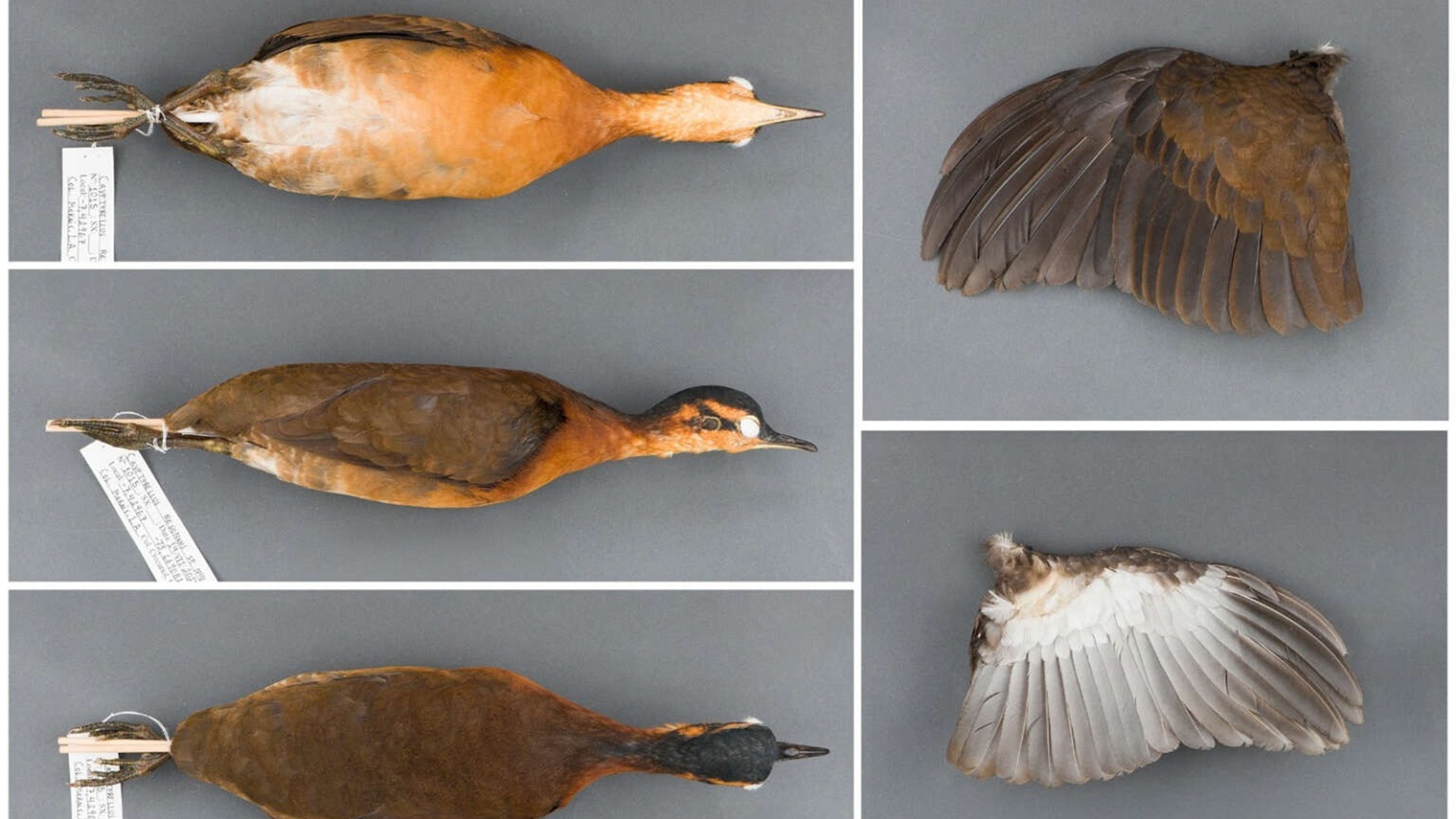
Study Confirms Discovery of New Species of Rare Bird in the Serra do Divisor, Acre, with Unique Song That Echoes in the Mountains and Population Restricted to Specific Altitudes, Reinforcing the Urgency of Environmental Preservation Against Infrastructure Projects in the Amazon Region.
A scientific expedition to the Serra do Divisor revealed the discovery of the Tinamus resonans, a new species of bird described in the journal Zootaxa by researcher Marco Aurélio Crozariol and institutional partners.
Unique Characteristics of the New Tinamou Species
The Tinamus resonans belongs to the tinamou group and exclusively inhabits high areas of the Serra do Divisor. Scientists noticed unprecedented combinations of plumage and vocalization for taxonomic confirmation.
The bird’s song stands out for its long, powerful notes that echo across the mountainsides. This rare acoustic effect inspired the scientific name resonans, associated with the local sound reverberation.
-
While the world looks at oil, the war with Iran is already disrupting helium supply from Qatar, affecting car and iPhone chips, threatening AI expansion, and putting pressure on aluminum packaging at the highest value in four years.

-
Global warming will expose a treasure hidden under the ice of Antarctica and may spark an international dispute over gold and valuable minerals.

-
A street vendor from Praia Grande built a robot made of scrap from scooters and washing machines that pulls his popcorn cart on the beach, emits sounds, and interacts with customers, becoming an attraction on the coast of São Paulo.

-
The specifications of the Xiaomi 18 Pro Max have been leaked, and the highlight is a dual 200 MP camera with a new 22-nanometer technology that promises to consume less energy and capture details in shadows and bright areas using LOFIC HDR.


The mountain surucua features a slate-gray pattern on its face resembling a distinct mask. The chest has a reddish-brown color, and the back is uniformly brownish-gray without repetitions in the genus.
Collection Methodology and Scientific Importance
Finding a new bird species is considered an extremely unusual event by researchers. The discovery requires the immediate collection of samples for deposit in scientific museum collections.
Marco Aurélio Crozariol participated in the investigation due to his extensive experience in fieldwork. He also specializes in the technical preparation of bird specimens for museum collections.
Population Estimates and Restricted Habitat
The expeditions recorded the species between 310 and 435 meters in altitude in the region. The habitat is a narrow strip of transition between montane forest and dwarf forest.
The shallow soil and dense network of roots create a very specific environment. The study estimates the existence of about 2,100 individuals restricted to the Serra do Divisor massif.
Some of the collected specimens are currently deposited in the collection of MHNCE/Uece. The institution contributed to fieldwork, technical documentation, and all necessary taxonomic analysis.
Environmental Preservation and Threats to the Territory
The samples prove the original characteristics of the described animal for future consultations. Having these items in the collection makes the museum a reference center in biodiversity knowledge.
Promoting these discoveries brings the public closer to museums and demonstrates social relevance. This strengthens the scientific mission, increases institutional visibility, and attracts new partners and investments.
The Serra do Divisor is one of the least studied areas of the Brazilian Amazon. There are proposals to downgrade the National Park to Environmental Protection Area status, allowing infrastructure works.
The discovery reinforces the importance of conserving the region against mineral exploitation. The finding could contribute to strengthening ecological tourism and preserving local biodiversity.
The research was developed by MHNCE/Uece, National Museum/UFRJ, UFSCar, and the Secretary of the Environment. The complete study with detailed data is available for access in the published scientific article.








-

-

-

-

-

13 pessoas reagiram a isso.