





 Portuguese
  English
  Spanish
  3 min of reading
  0 comments


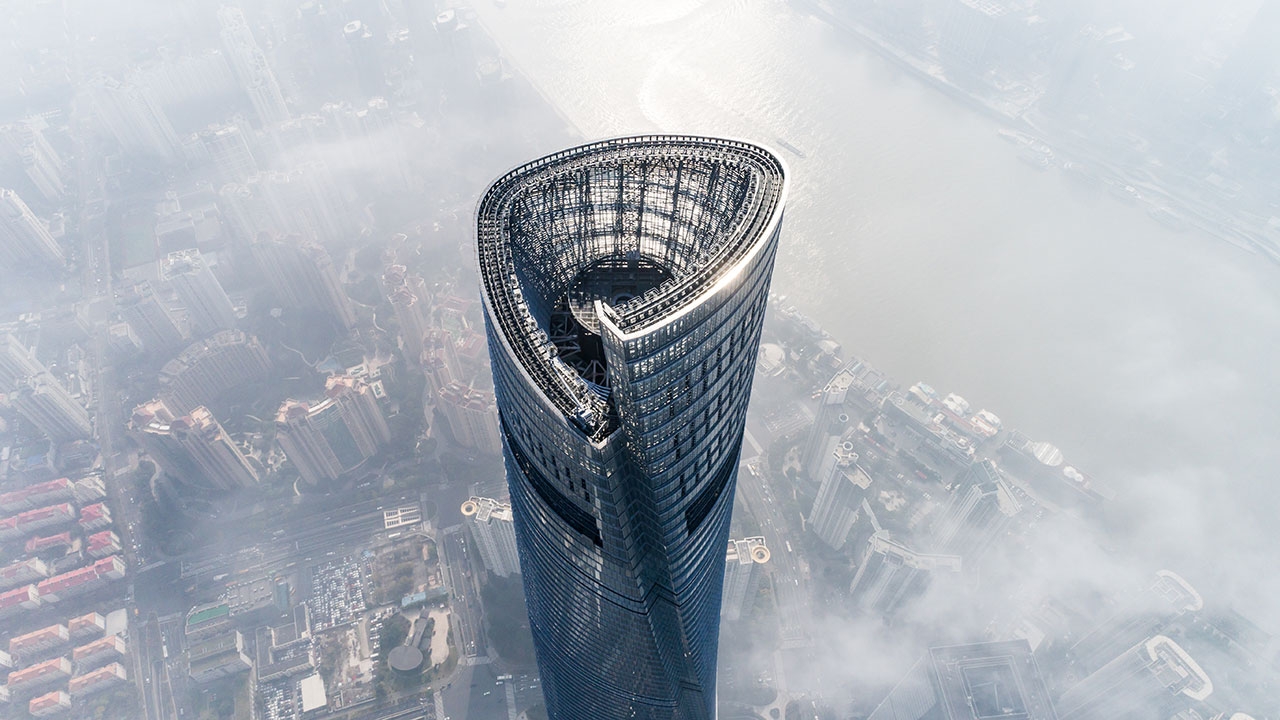
With 128 Floors, The Shanghai Skyscraper Gained Fame for Uniting Extreme Height and Design Decisions Thought Out to Face the Wind
The Shanghai Tower is a skyscraper located in Pudong, Shanghai, and is part of the group of supertall towers that dominate the region’s skyline. It is described as a mixed-use building and appears as the tallest among three super tall towers built side by side in the area.
Also in the same group are the Jin Mao Tower and the Shanghai World Financial Center, which helps explain why the tower has gained so much visibility in the local urban scene.
The public source also associates the project with the Gensler office and points out that the building is owned by the municipal government of Shanghai, a detail that often draws attention in stories about large urban developments.
-
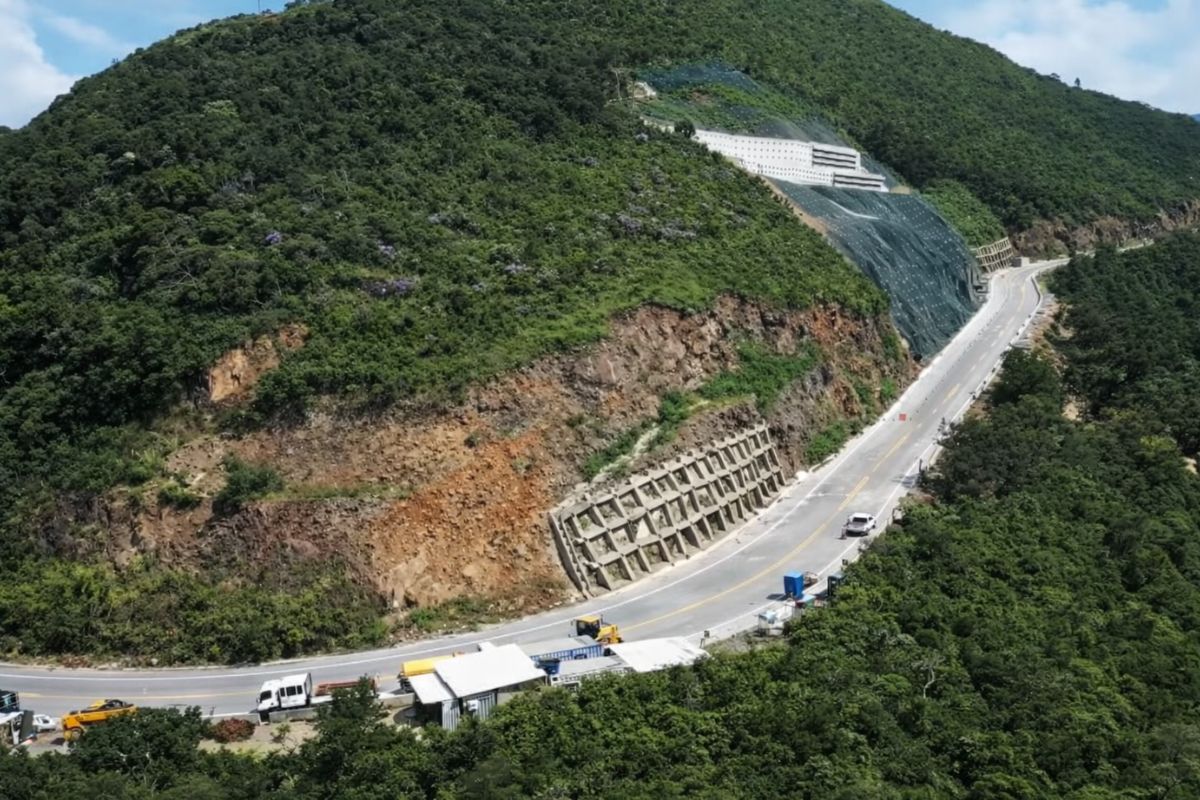
The section of Serra da Rocinha on BR-285 is now open in Timbé do Sul: 50 m tensioned curtains and top-down technique stabilize the slope, with a stairway duct controlling the water.
-
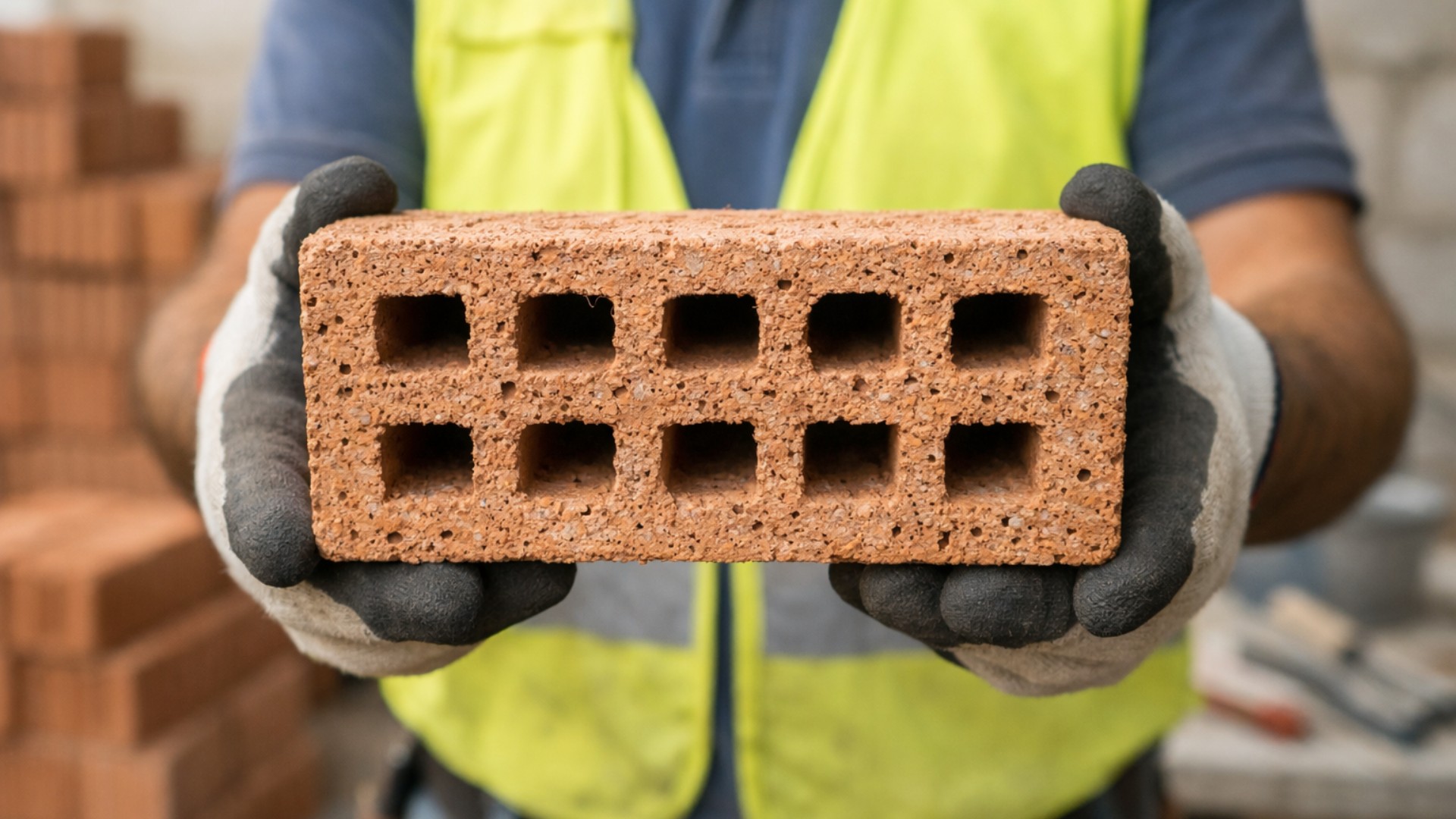
Scientists use sawdust mixed with clay to create a lighter brick, promising efficient thermal insulation and impressing by transforming waste into a solution for construction.
-
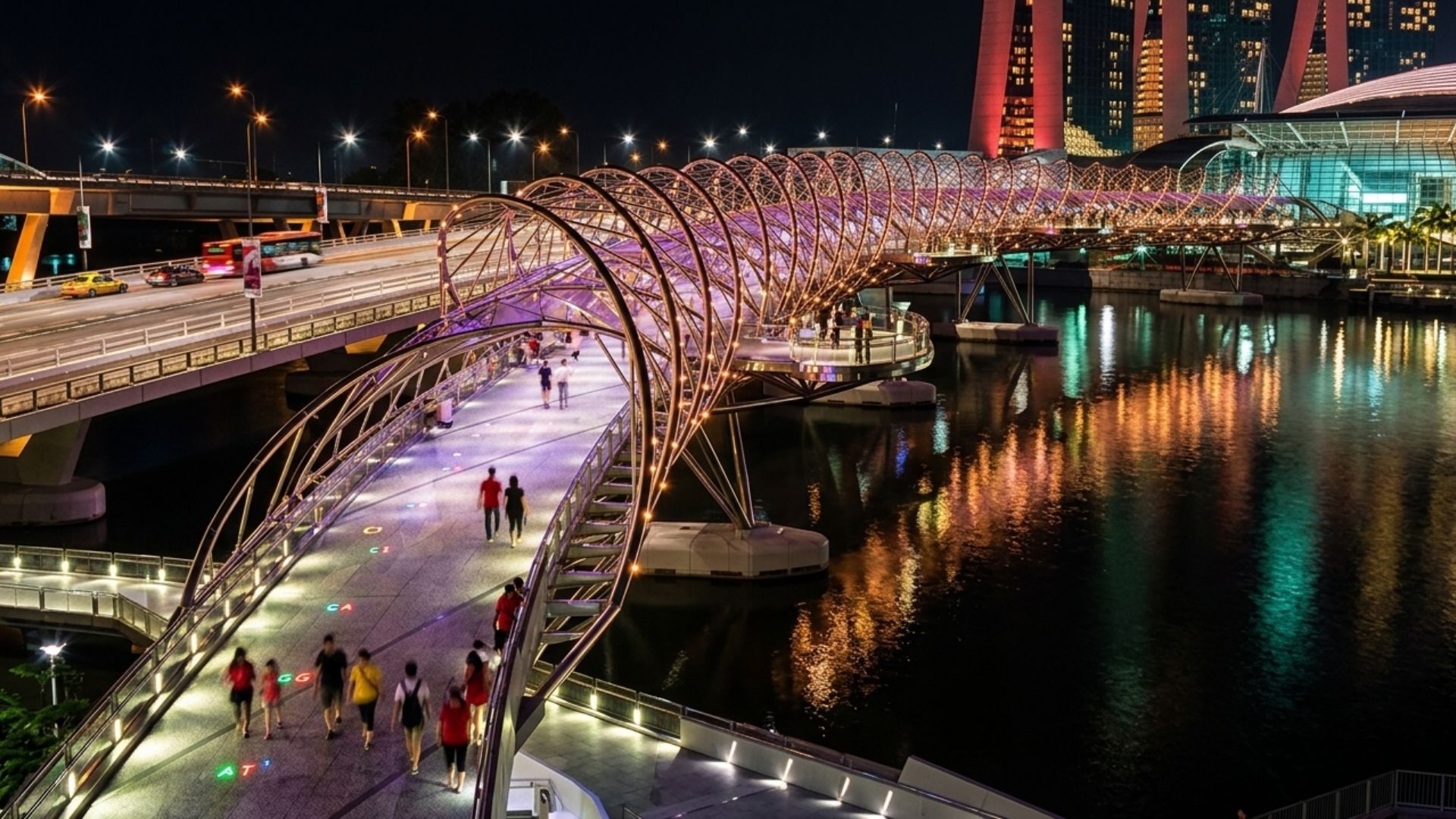
With a DNA shape, this bridge in Singapore draws attention in modern architecture and surprises tourists by transforming a simple crossing into an unforgettable visual experience in the urban heart.
-
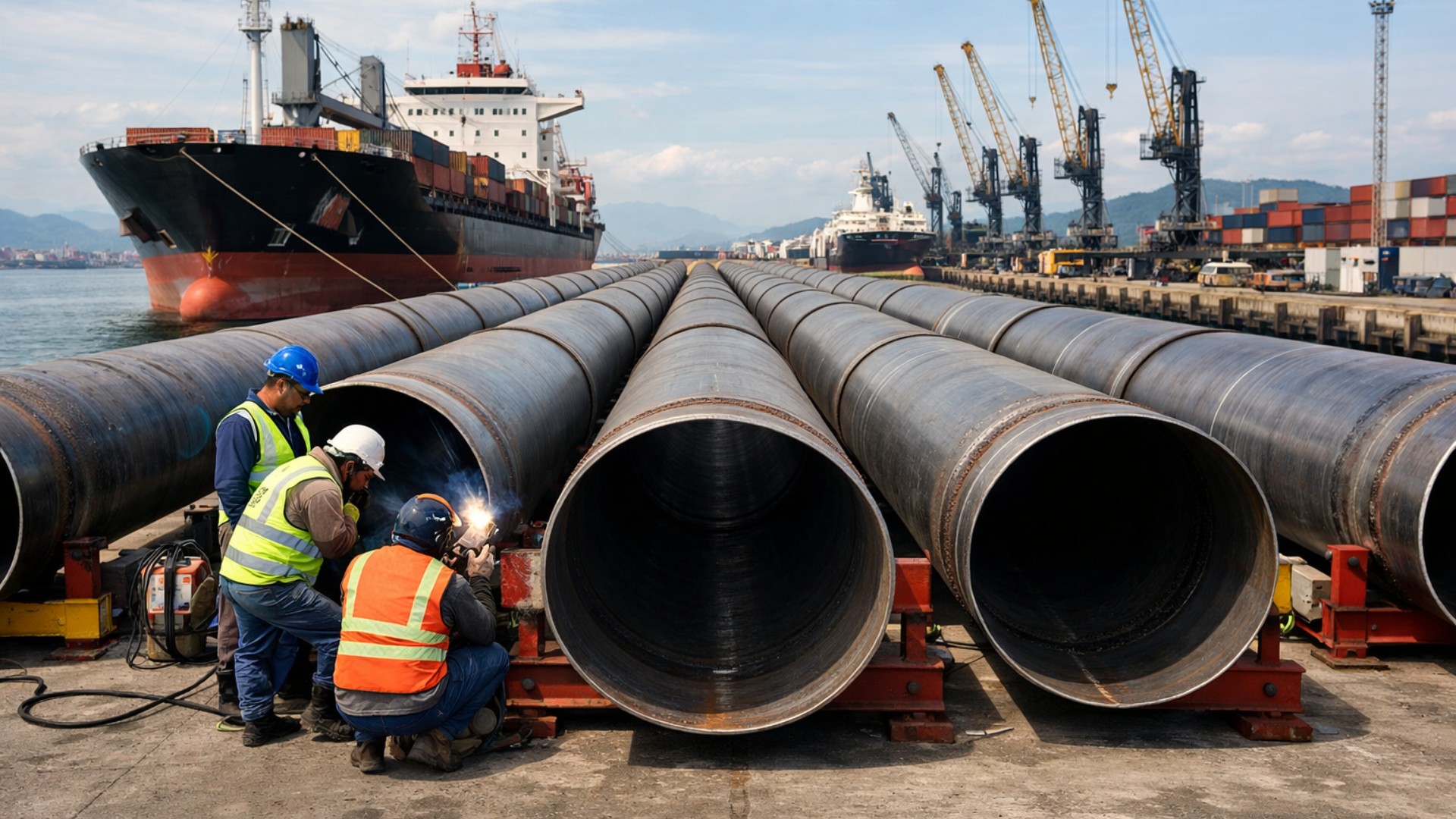
Giant underwater pipeline begins to take shape with a R$ 134.7 million project at the Port of Santos: the 1.7 km structure uses 12-meter and 700 mm pipes to supply water to 450,000 people in Guarujá.

Height, Floors and What 632 Meters Represent
The most cited height for the Shanghai Tower is 632 meters. This number places the building among the tallest in the world and makes the tower appear in international comparisons.
The building is also associated with 128 floors. In super tall constructions, the floor count becomes a curiosity because it helps the public visualize scale and complexity of operation.
This is followed by the question that dominates any supertall: how to reduce risk and maintain stability when wind becomes a decisive factor.

The 120-Degree Twist and 24% Reduction in Wind Load
One of the most cited points about the project is that the tower has a twist along its body, described as a total rotation of 120 degrees. This geometry is not merely aesthetic. It is presented as a choice to reduce wind impact.
The public description of the building indicates a 24% reduction in wind loads compared to a more conventional shape. This data has gained attention because it translates an architectural decision into direct technical benefit.
The same source relates this gain to practical effects, such as reduced material needs and better structural efficiency.
Less Steel, Cost Savings and Why This Data Draws So Much Attention
The project is described with the assertion that the adopted solution allowed the use of 25% less structural steel than a similarly tall conventional building. For the reader, this means that shape and engineering can alter material consumption.
There is also an estimate of savings of 58 million dollars in material costs, attributed to the effect of the shape and the reduction in wind load. This number is often remembered because it brings the topic closer to consumers and construction budgets.

Mixed Use, Nine Internal Zones and the Idea of a “Vertical City”
The Shanghai Tower is described as a building divided into nine zones, combining offices, retail, and leisure. This organization reinforces the concept of a “vertical city,” where the building concentrates different activities to maintain constant internal life.
The public text also mentions a construction in layers focused on energy efficiency, a theme that gains weight in buildings with large areas and complex operations.
In the end, the Shanghai Tower continues to generate headlines by combining impactful numbers, such as 632 meters and a 24% reduction in wind load, with a story that explains simply why the building’s shape matters in the world.









Seja o primeiro a reagir!