





 Portuguese
  English
  Spanish
  4 min of reading
  0 comments


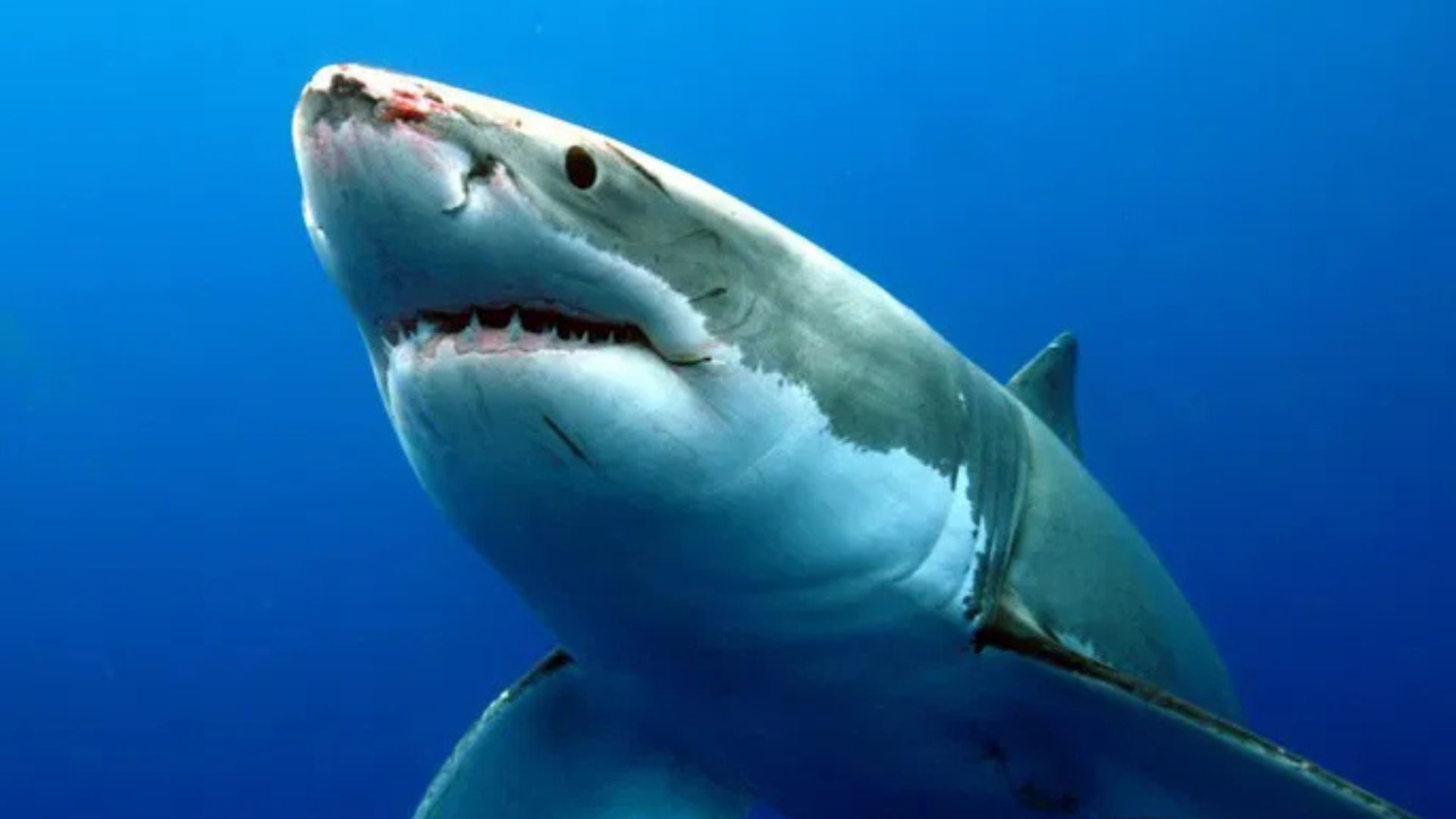
Silent Change in Dentition Accompanies Growth and Dietary Transition of the Great White Shark, Indicating How Shape, Function, and Body Size Adjust Over a Lifetime to Handle Larger Prey, Denser Tissues, and Mechanical Demands Associated with Top Predator Positions in the Food Chain.
Analyses conducted with teeth from nearly 100 great white sharks identified a consistent change in dentition architecture as these animals approach 3 meters in length.
At this stage, small lateral structures present in juvenile teeth cease to appear, while the tooth becomes wider and thicker, with progressively serrated edges.
According to the researchers, this pattern is associated with an expanded diet for larger prey, such as marine mammals, which require greater cutting capacity.
-
Motorola launched the Signature with a gold seal from DxOMark, tying with the iPhone 17 Pro in camera performance, Snapdragon 8 Gen 5 that surpassed 3 million in benchmarks, and a zoom that impresses even at night.

-
Satellites reveal beneath the Sahara a giant river buried for thousands of kilometers: study shows that the largest hot desert on the planet was once traversed by a river system comparable to the largest on Earth.

-
Scientists have captured something never seen in space: newly born stars are creating gigantic rings of light a thousand times larger than the distance between the Earth and the Sun, and this changes everything we knew about stellar birth.

-
Geologists find traces of a continent that disappeared 155 million years ago after separating from Australia and reveal that it did not sink, but broke into fragments scattered across Southeast Asia.

The transformation is not limited to a single tooth.
When analyzing the jaw as a whole, the study describes clear variations in shape and function throughout the mouth.
These differences help explain how the bite of the great white shark combines distinct actions, such as grasping, holding, and cutting, during the feeding process.
Dietary Transition Associated with Body Growth
The great white shark is widely described in scientific literature as having triangular and serrated teeth, used for removing large portions of robust prey.

However, during the juvenile phase, records indicate that the diet primarily consists of fish and squid.
This type of prey demands a different mechanical performance, with a greater emphasis on the ability to hold smaller and slippery organisms.
This aspect gains relevance because the great white shark does not maintain the same dentition throughout its life.
In addition to the continuous replacement of teeth, the animal exhibits gradual changes in shape and proportion associated with body growth.
These changes allow the dentition to meet distinct dietary demands at different stages of development.
Previous studies also indicate that dietary transitions frequently occur within this size range, as the animal shifts from a predominantly piscivorous diet to including marine mammals more regularly.
Functional Differences Along the Jaw
When the mouth is analyzed as an integrated whole, researchers observe a consistent functional pattern.
The teeth located in the frontal region tend to be more symmetrical and triangular, features associated with functions such as grasping, piercing, and initiating cuts.
As the sequence progresses along the jaw, teeth with more laminar shapes emerge, better suited for tearing and shearing tissues.
Systematic differences between the upper and lower jaws have also been recorded.
According to the analysis, the lower teeth primarily act in securing the prey, while the upper teeth concentrate greater cutting and dismembering capability.

This functional arrangement contributes to the efficiency of the bite, especially during rapid strikes.
Even when the prey exhibits defensive movements, the system allows for maintaining the grip while cutting occurs.
The Mark of 3 Meters and the Loss of Accessory Cusps
One of the most characteristic signs observed during growth is the presence, in juvenile individuals, of small lateral projections at the base of the tooth.
These structures, known as accessory cusps, are associated with thinner and sharper teeth.
This shape is described as functional for capturing and retaining small prey, such as fish and squid.
As the shark approaches 3 meters in length, data indicate a gradual transition.
The cusps cease to appear, while the teeth begin to show increased width, thickness, and more prominent serrations.
According to the study authors, this design favors a more efficient cutting action in dense tissues, a feature compatible with larger prey.
Although promotional materials mention the ability to handle bones, scientific descriptions more cautiously point to adaptation for cutting dense meat and resilient structures.
Teeth as Records of Changes Over a Lifetime
The continuous replacement of teeth is a widely documented characteristic among sharks.
In the case of the great white shark, the system involves multiple rows of teeth at different stages of development.
Throughout life, these structures are constantly replaced, compensating for natural losses and wear.

In addition to replacement, this mechanism allows teeth to follow body growth and dietary changes.
Factors like the size of the animal, the position of the tooth in the jaw, and the biomechanical demands of the bite work together in this process.
The result is a dentition capable of performing distinct functions at different life stages, without relying on a single fixed shape.
Data frequently cited in the literature indicate that the great white shark can reach speeds of about 50 kilometers per hour in short bursts, although direct measurements vary according to the methodology employed.
With the jaw functioning as a set of specialized structures, the teeth reflect not only the feeding habits but also the capture capabilities associated with each stage of growth.
If the shape of the dentition changes as the shark increases in size, what does this transformation indicate about the relationship between top predators and the availability of prey in marine ecosystems?






-

-

-

-

20 pessoas reagiram a isso.