





 Portuguese
  English
  Spanish
  2 min of reading
  0 comments


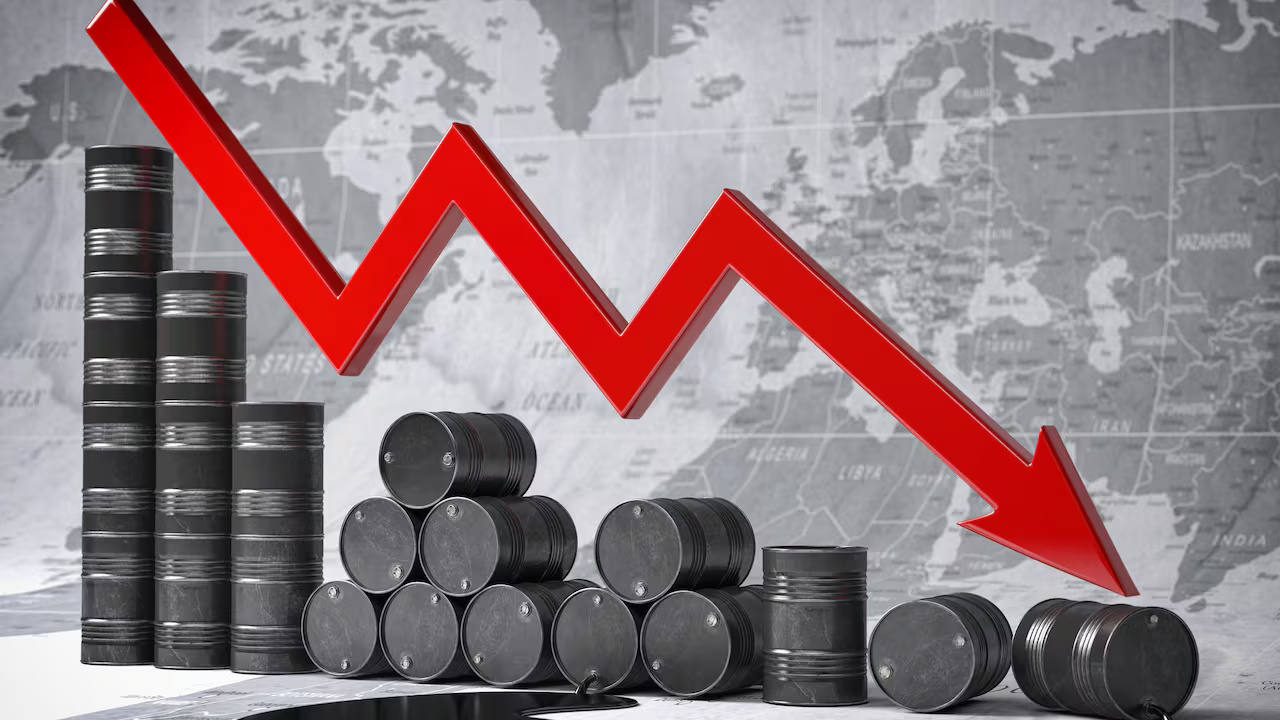
Oil Prices Drop Over 2%, Pressuring Investor Sentiment and Increasing Uncertainties About Global Supply, U.S. Interest Rates, and Geopolitical Scenario Involving Russia and Ukraine.
The international oil market started the week under strong pressure. This Tuesday, the 9th, the commodity recorded a sharp decline, surpassing the 2% mark, which quickly raised concerns among investors.
The drop occurs amid a combination of sensitive factors, such as speculation about a potential agreement between Russia and Ukraine, concerns over excess supply, and expectations regarding the Federal Reserve’s decision on U.S. interest rates.
Price Drop Reflects Concerns About Supply and Macroeconomic Scenario
The WTI oil futures contracts, expiring in January, saw a decline of 1.07%, ending the trading session at US$ 58.25 per barrel. At the same time, February Brent fell 0.88%, closing at US$ 61.94.
-
While Brazil wants to end the 6×1 work shift, the president of Argentina wants 12 hours for his workers, increasing political tension in the country.

-
The village where two rivers run side by side without mixing in Santarém and Alter do Chão reveals some of the most beautiful freshwater beaches on the planet.
-
Mars is accelerating, and scientists have discovered that the planet’s day is getting shorter, revealing surprising signs of internal activity.

-
Artemis 2 is set to launch on April 1 at 7:24 PM to orbit the Moon with four astronauts, but a class X solar flare and coronal mass ejection could interfere with communications and threaten the launch.


This movement reinforced the cautious sentiment in the energy sector, especially in light of the possibility of global supply exceeding demand in the coming months.
Moreover, the proximity of the Federal Reserve’s decision on interest rates remains a central factor for volatility. Higher interest rates tend to strengthen the dollar, which, in turn, usually pressures oil prices in international markets, as highlighted by InfoMoney.
Exaggerated Optimism or Misreading of the Geopolitical Scenario?
Part of the market assesses that prices may be reflecting “excessive optimism” regarding the possibility of a peace agreement in Eastern Europe.
According to analyses from Ritterbusch, there appears to be an anticipated pricing of a potential easing of sanctions imposed on Russia, a major oil producer.
However, this scenario faces significant obstacles. The President of Ukraine, Volodymyr Zelensky, has resumed a firm stance, ruling out territorial concessions. “We do not want to give up anything. That is why we are fighting,” he stated, according to the publication. This position casts uncertainty on the chances of a short-term agreement, fueling doubts about the sustainability of this oil price decline.
Meanwhile, projections reinforce the atmosphere of insecurity. MUFG highlights that the International Energy Agency forecasts a record oil surplus next year. This outlook adds further pressure on prices, as supply may significantly exceed global demand.
In parallel, the U.S. Department of Energy maintains conservative projections. According to the agency, the average Brent price is expected to be around US$ 69 in 2025, dropping to US$ 55 in 2026. These figures indicate a challenging horizon for the sector.









Seja o primeiro a reagir!