





 Portuguese
  English
  Spanish
  5 min of reading
  0 comments


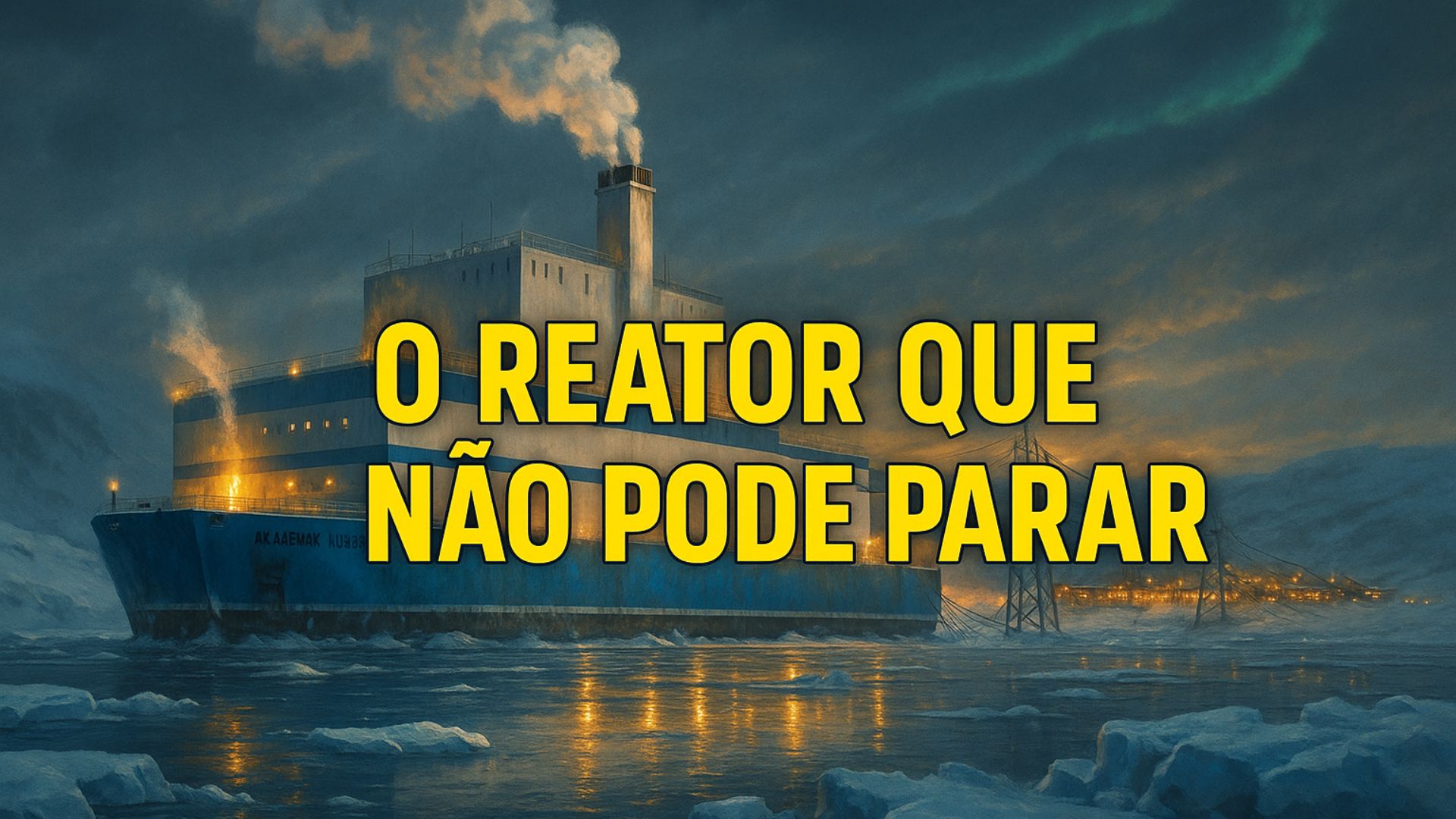
Unique Vessel Provides Energy And Heat To One Of The Coldest Regions On The Planet, Joining Naval Engineering And Nuclear Technology In One Of The Most Challenging Projects Ever Implemented In The Far North Of Russia.
Continuous Energy And Heat For An Isolated City
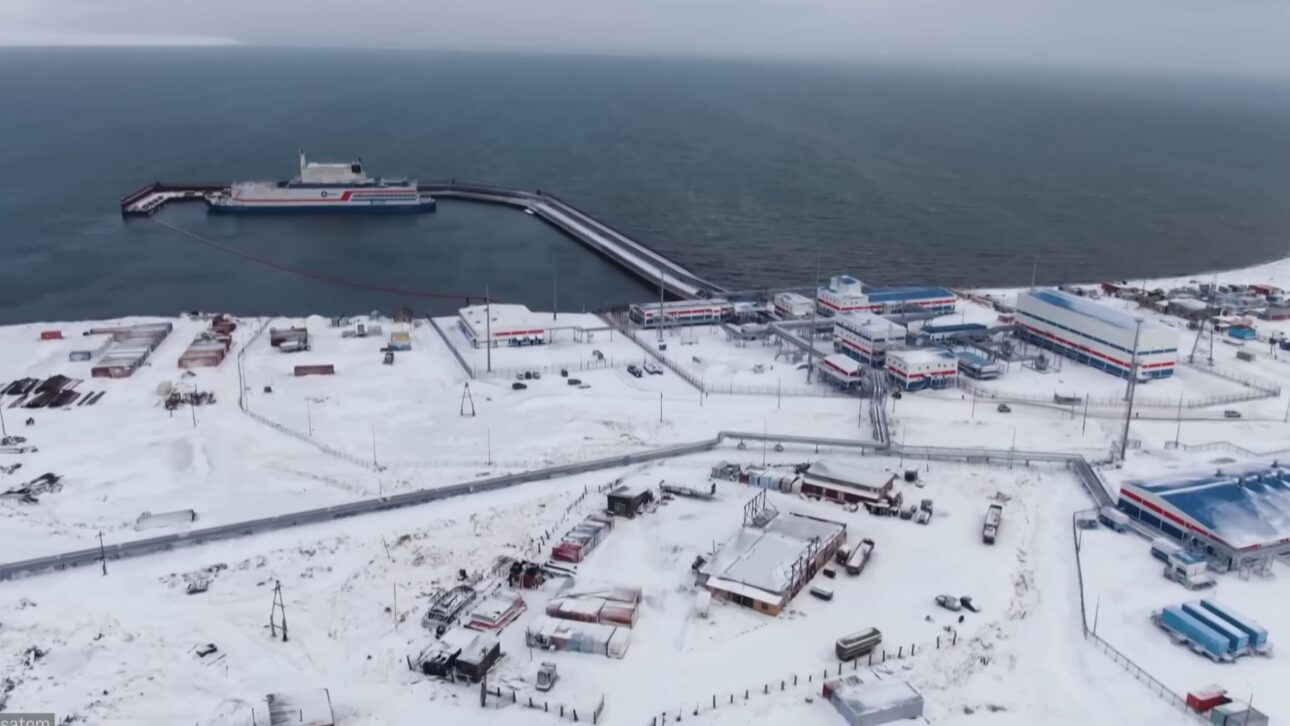
The Akademik Lomonosov is a non-propelled vessel that operates as a power generation platform connected to the local grid.
It is connected by electrical cables and thermal pipelines to the urban system, providing light and heat in an integrated manner.
The service covers the city of Pevek and reinforces the Chaun-Bilibino energy system, which supplies surrounding communities.
-
Friends have been building a small “town” for 30 years to grow old together, with compact houses, a common area, nature surrounding it, and a collective life project designed for friendship, coexistence, and simplicity.

-
This small town in Germany created its own currency 24 years ago, today it circulates millions per year, is accepted in over 300 stores, and the German government allowed all of this to happen under one condition.

-
Curitiba is shrinking and is expected to lose 97,000 residents by 2050, while inland cities in Paraná such as Sarandi, Araucária, and Toledo are experiencing accelerated growth that is changing the entire state’s map.

-
Tourists were poisoned on Everest in a million-dollar fraud scheme involving helicopters that diverted over $19 million and shocked international authorities.


In Arctic regions, distrcit heating is an essential service, and prolonged failures can freeze pipelines and compromise housing and public services.
For this reason, the operation prioritizes continuity and redundancy, focusing on avoiding interruptions during periods of extreme cold.
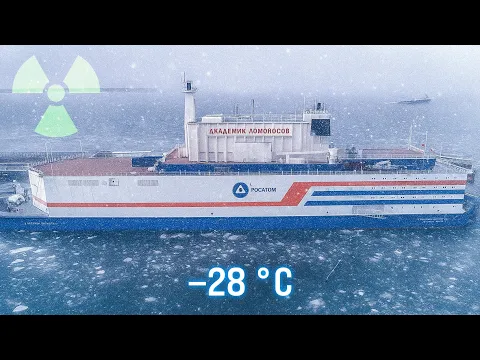
What It Means To “Shut Down, Freezes”
In locations with severe winters, the heating network relies on a constant thermal flow to keep building temperatures above critical levels.
When the supply ceases for long enough, the water in the pipes can freeze, causing breaks and expensive, time-consuming repairs.
The nuclear cogeneration of the Akademik Lomonosov was designed to minimize this risk, delivering heat and electricity steadily throughout the entire cold season.
This feature makes the unit particularly suitable for remote cities away from major centers and with complex logistics.
How The Floating Power Plant Was Structured
The barge-platform carries two KLT-40S reactors, derived from naval technologies, adapted for stationary civil use.
Each unit contributes to a total of 70 MW electric, in addition to a thermal capacity of 50 Gcal/h, aimed at urban heating.
The reinforced hull and mooring systems allow for stable port operation, meeting the requirements of Arctic weather.
The design includes automatic shutdown systems and safety procedures aligned with international standards.
The logistics of fuel and maintenance utilize support from icebreaker ships and local port infrastructure.
Timeline Of Service Arrival
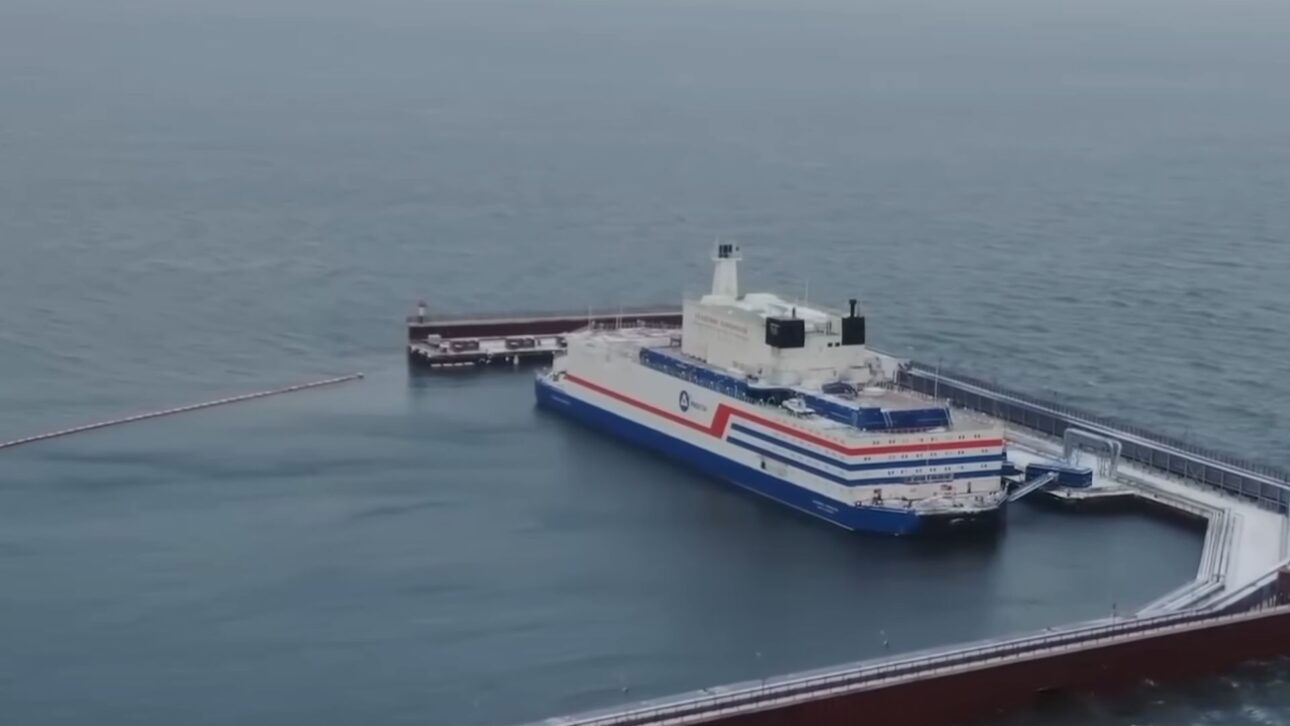
After being towed through northern maritime routes, the unit docked in Pevek and began delivering electricity to the grid at the end of 2019.
The full commissioning occurred in May 2020, when the plant began commercial operations and advanced in providing heat to the urban system.
Since then, the unit has been integrated into the regional planning for the gradual replacement of old assets, such as the Bilibino nuclear power plant and the Chaunskaya thermoelectric.
In 2023 and 2024, steps of the first fuel reload occurred, with maintenance of the electrical supply during the works.
In early 2025, the operator reported surpassing the milestone of over 1 billion kWh generated since the start of commercial operations.
Why The Unit Is Unique In The World
So far, the Akademik Lomonosov is the only floating nuclear power plant in commercial operation.
Several countries are studying small modular reactors (SMRs) and maritime concepts, but similar initiatives remain in the design or licensing phase.
The experience in Pevek serves as a technological showcase for remote applications, where the cost and difficulty of transporting fossil fuel are high.
The solution combines electricity generation and heat with less need for diesel and coal storage in areas with limited logistics.

In addition to district heating, the cogeneration architecture can be integrated into desalination in scenarios requiring additional drinking water.
Regional Impact, Replacements, And Demand
The project was designed to enhance the energy security of the Chaun-Bilibino system, addressing seasonal consumption peaks.
The modernization reduces dependence on aging plants and contributes to supply stability in a territory with electrical isolation from the rest of the country.
The city of Pevek has a small population, but concentrates administrative and service infrastructure that needs continuous heat in winter.
Industries such as mining and Arctic logistics utilize the firm energy from the plant to maintain operations during the ice period, when the transport window is limited.
The gradual replacement of the Bilibino NPP follows the official planning, with the floating plant taking a central role in the supply of heat and electricity.
Safety, Operation, And Criticisms
According to the operator, the reactors use light water pressurized technology, with layers of active and passive protection.
The plant remains docked and operates with continuous monitoring, emergency response plans, and scheduled maintenance cycles.
Environmental organizations have already expressed concerns related to accidents and waste management, a topic of debate since the design phase.

Rosatom claims that the unit substitutes more polluting fuels and reduces local emissions by eliminating part of the use of oil and coal.
The discussion about risks and benefits remains active, especially due to the environmental sensitivity of the Arctic and the strategic relevance of the Northern Sea Route.
Next Steps And New Units
The experience in Pevek drives plans for new generations of platforms and SMRs to service remote projects in Chukotka and in external markets.
Proposals include units with RITM-200 reactor family, designed for higher power density and efficiency.
As these projects advance, the Akademik Lomonosov maintains its role as a pilot project in operation, accumulating data on performance in extreme environments.
The continuity of urban heating remains an operational priority, as prolonged interruption can freeze networks and compromise habitability.
Amid extreme temperatures and long polar nights, to what extent can floating nuclear cogeneration solutions establish themselves as a stable alternative for isolated communities in the Arctic?









-

Uma pessoa reagiu a isso.