





 Portuguese
  English
  Spanish
  5 min of reading
  0 comments


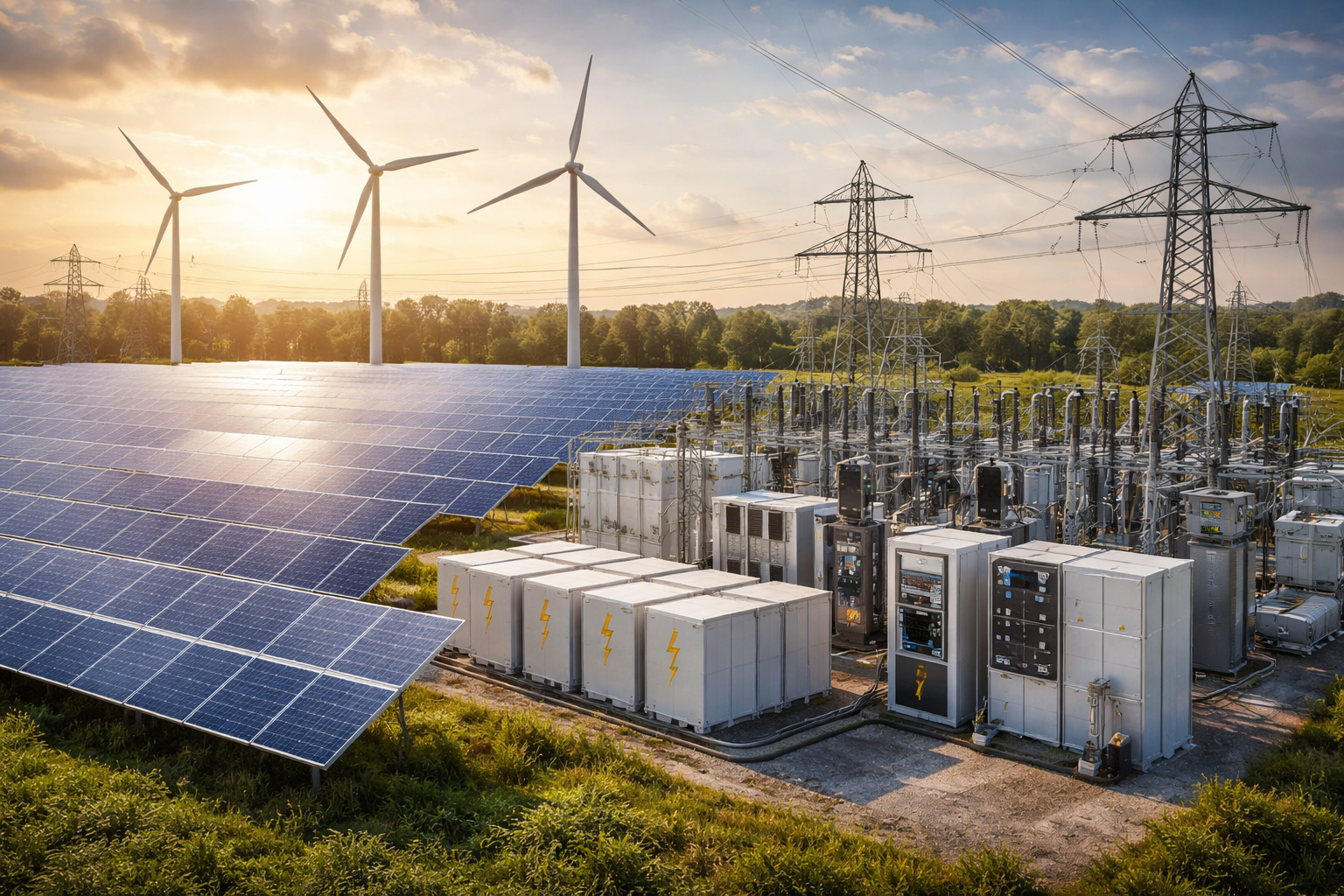
Studies and Experts Point Out That Modernizing Electric Grids, Investing in Storage, and Improving Final Consumption Are Decisive Measures to Reduce Waste in the Brazilian Energy System.
On Energy Efficiency Day, celebrated annually on March 5, Electrical Engineering is highlighted in the debate on the rational use of electricity.
Furthermore, experts indicate that the greatest gains in energy efficiency in Brazil are in final consumption and the modernization of electric grids, and not just in generation.
According to Professor Michele Rodrigues from Centro Universitário FEI, a reference in engineering that turns 85 years old in 2026, the improvement of efficiency directly depends on how energy is consumed and distributed.
-
Scientists find about 1 million giant live eggs hatching in an active underwater volcano, discover a natural furnace on the ocean floor, and reveal one of the most unlikely nurseries ever seen in the ocean.
-
Scientists launched a bait camera to the bottom of the Pacific Ocean and saw something that no one expected.

-
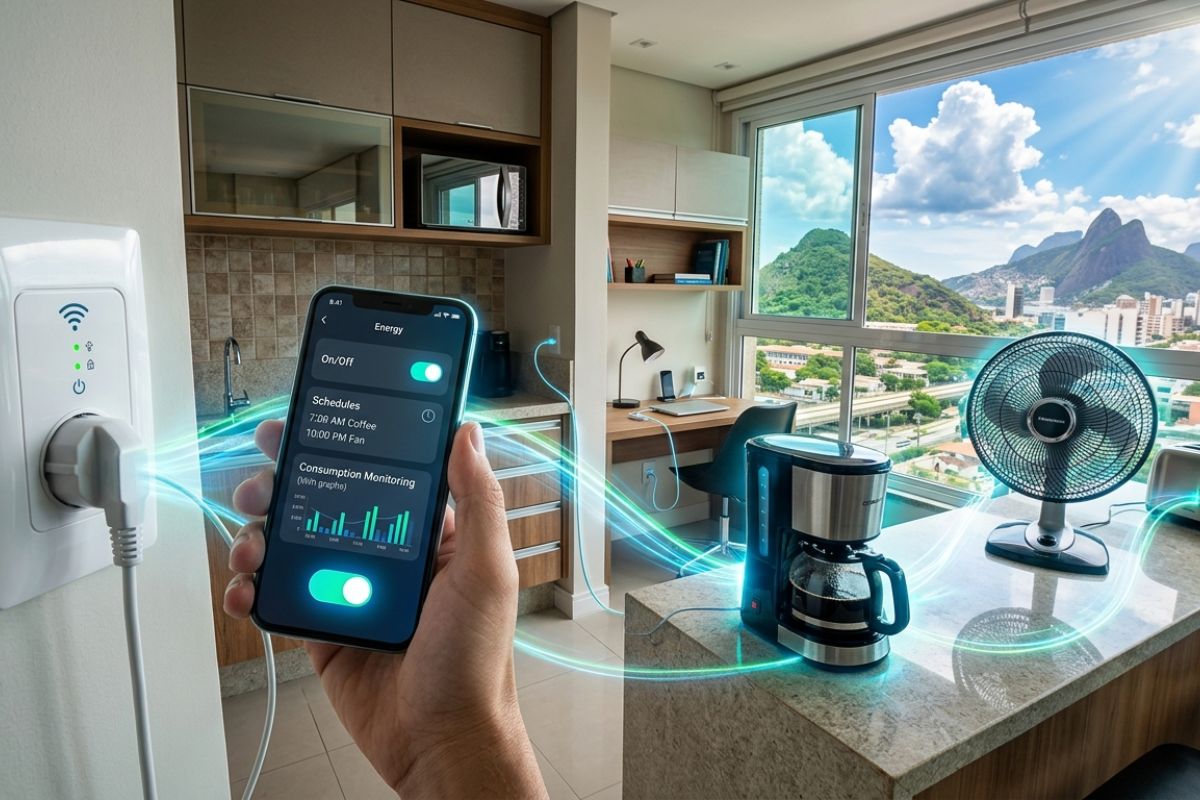
Is a smart plug worth it in a regular home? What does it offer: turns on and off via smartphone, creates routines by schedule, prevents forgotten devices, sometimes monitors consumption, and improves habits without renovation or miracles.
-
Airbus and Mercedes take the G-Class to the skies: the ACH145 helicopter priced at R$ 78 million debuts in São Paulo, unit goes to Brazilian, AMG cabin, 5-blade rotor, and a 2-year wait.


At the same time, the accelerated advancement of renewable sources, especially solar and wind, has been demanding smarter and more flexible electric grids.
Therefore, investments in energy management technologies, storage, and modernization of electrical infrastructure have become as strategic as expanding electricity production.
Advancement of Renewable Energies Increases Operational Challenges
According to data released by the Energy Research Company (EPE), in 2024, about 88.2% of the electricity generated in Brazil came from renewable sources.
Additionally, approximately 24% of this generation came from solar and wind power plants, highlighting the rapid expansion of these technologies in the country.
However, despite this progress, new operational challenges have begun to arise in the Brazilian electric system.
According to records from the National Electric System Operator (ONS), in 2025, episodes of generation restriction, known as curtailment, were observed.
In these situations, up to 20% of the energy produced by solar and wind power plants was not utilized during certain periods.
This occurred mainly due to limitations in the electric grid and the low capacity to absorb the generated energy.
Consequently, this data indicates that the current challenge for the sector is not just producing energy, but rather making the electric system more efficient and integrated.
Final Consumption Concentrates Greater Potential for Efficiency
According to Professor Michele Rodrigues from the Electrical Engineering Department of FEI, energy waste in Brazil mainly occurs in final consumption and distribution.
According to the specialist, the greatest potential for energy efficiency gains lies in the final use of electricity.
Among the main critical points are:
- Electric motors used in industrial processes
- Air conditioning systems with low energy control
- Equipment operating without optimized energy management
Moreover, during periods of extreme heat, electrical losses tend to increase.
This occurs because higher temperatures raise the electrical resistance of conductors.
Consequently, the so-called Joule effect intensifies energy losses during transmission and consumption.
Therefore, simultaneously, consumption increases while operational efficiency decreases.
Smart Grids and Storage Enhance System Efficiency
In light of this scenario, experts argue that the modernization of the Brazilian electric grid is essential.
According to Michele Rodrigues, the advancement of energy efficiency depends on the adoption of technologies capable of better controlling the consumption and distribution of electricity.
Among the main highlighted solutions are:
- Smart electric grids
- Battery storage systems
- Real-time energy monitoring
- Active management of electrical demand
In addition, these technologies can reduce operational losses and prevent energy waste.
At the same time, they broaden the useful capacity of the electric system without requiring new generation plants.
Consequently, the integration of intermittent renewable sources, such as solar and wind, becomes more efficient.
Structural Limitations of the Brazilian Electric System
On the other hand, the rapid growth of renewable energies has also revealed limitations in the current model of the Brazilian electric system.
Historically, the system was designed to operate with centralized and predictable generation.
However, renewable generation has different characteristics.
In regions with a large concentration of solar and wind power plants, for example, the transmission capacity does not always manage to carry all the energy produced.
Moreover, the generation from these sources varies throughout the day.
Meanwhile, electrical demand often peaks at specific times.
Consequently, it becomes more difficult to balance energy supply and consumption.
Lack of Flexibility Causes Energy Waste
In this context, one of the main challenges of the electric system is the lack of operational flexibility.
That is, many times the system cannot adapt quickly to changes in generation and demand.
Additionally, the absence of large-scale energy storage, combined with the lack of automated demand response, exacerbates the problem.
As a result, the phenomenon known as curtailment often occurs.
In these situations, solar and wind power plants are forced to reduce their production, even when there is available wind or solar radiation.
Therefore, from an energy efficiency standpoint, this is a significant systemic loss, caused by structural limitations of the grid.
Energy Efficiency Emerges as an Immediate Strategy
Given this scenario, experts advocate for a shift in focus in the electric sector.
According to Michele Rodrigues, using the energy already available more efficiently is the most rational strategy in the short term.
Furthermore, energy efficiency can increase the useful capacity of the electric system without requiring large investments in new plants.
Consequently, it also reduces the environmental impacts associated with the expansion of electricity generation.
Thus, the modernization of grids and improvement of final consumption become central elements for the future of Brazil’s energy matrix.
FEI Maintains Tradition in Engineering and Technological Innovation
The Inaciana Educational Foundation Pe. Sabóia de Medeiros (FEI) has over eight decades of tradition in Brazilian higher education.
Currently, the institution operates in the areas of Administration, Computer Science, Data Science, Artificial Intelligence, and Engineering.
Throughout its history, more than 60 thousand professionals have graduated from FEI.
Additionally, the institution is part of the Society of Jesus and maintains strong involvement in education, research, and outreach.
FEI also offers various engineering programs, including Civil, Automation and Control, Materials, Production, Electrical, Mechanical, Chemical, and Robotics Engineering.
The latter is considered the first degree in Robotics Engineering in Brazil.
As a result, the institution has established itself as one of the largest educational centers for intelligent robotics in Latin America.
Moreover, keeping pace with global technological megatrends, FEI participated in the formulation of the new National Curriculum Guidelines for Engineering and Administration courses, along with the Ministry of Education.
Thus, the institution helped incorporate concepts of interdisciplinarity and entrepreneurship into Brazilian higher education.
In light of this energy and technological transformation, the question remains: Will Brazil manage to modernize its electric system in time to harness the full potential of renewable energies?







-

3 pessoas reagiram a isso.