





 Portuguese
  English
  Spanish
  5 min of reading
  0 comments


See How the Data Shows How Solar Energy Accelerates in SP and Drives the Energy Transformation in the Field
In recent years, solar energy has gained ground in various regions of Brazil, but it is in the state of São Paulo that this growth stands out. With a nearly 40% increase in photovoltaic energy generation capacity in just one year, the state positions itself as a national reference in this sector.
The expansion of solar energy in São Paulo is not only a reflection of technological advances, but also of targeted public policies and of an economic scenario that favors the use of clean and renewable sources. The incentive for self-generation of electricity in rural areas has transformed the São Paulo countryside into a living laboratory of energy transition.
Moreover, this growth reinforces the state’s commitment to environmental goals, aligning with international agreements and Brazilian policies for reducing greenhouse gas emissions. Through the expansion of solar energy, São Paulo directly contributes to the mitigation of climate change while promoting the modernization of the rural sector.
-
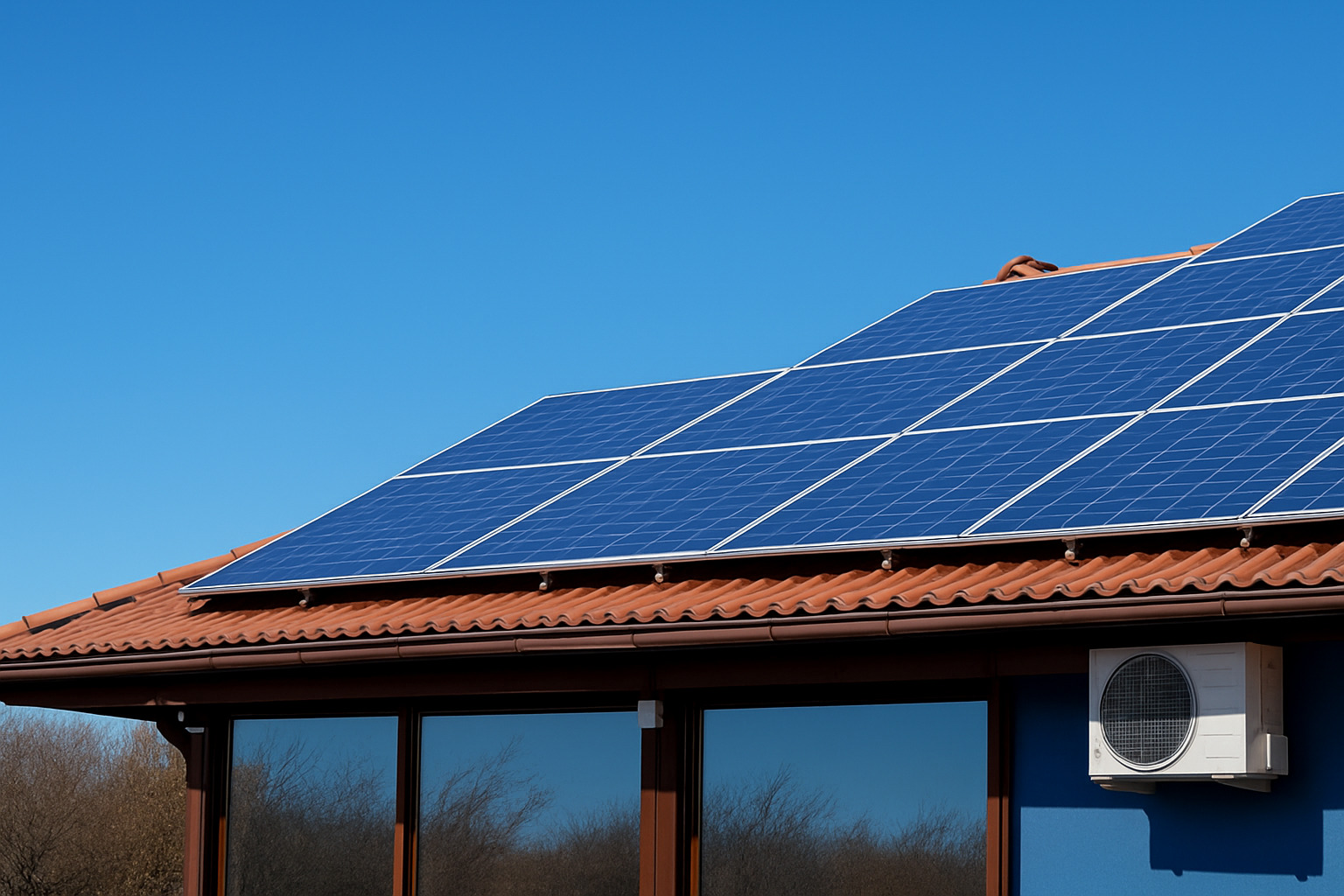
Seagri’s headquarters invests in solar energy with Neoenergia Coelba and promises to cut electricity costs, highlighting a strategic advance in sustainability and energy efficiency within state public administration.
-
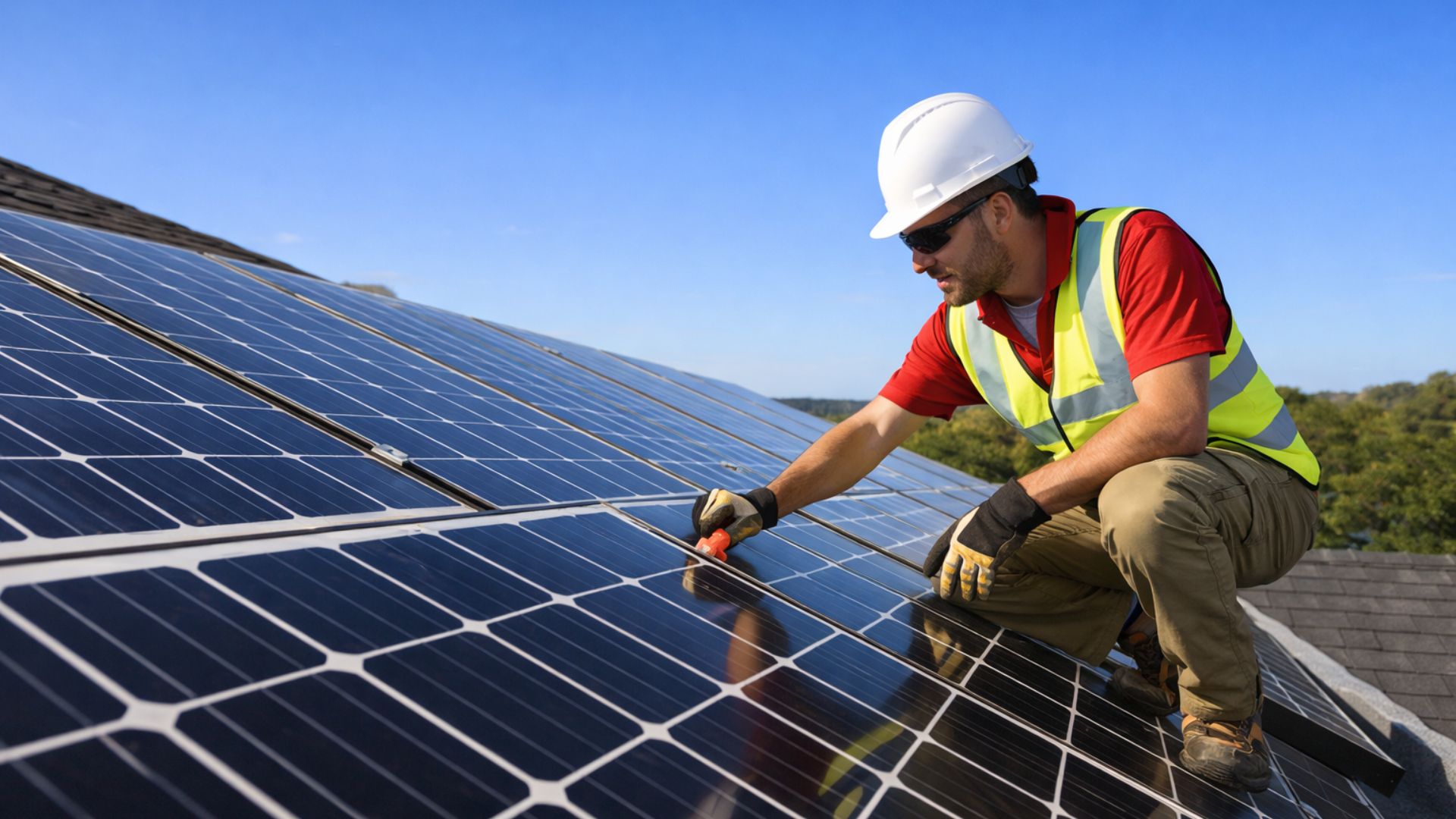
Solar Pyramid draws attention by converting solar energy into million-dollar savings and repositioning the City Hall of Curitiba as an example of innovation, sustainability, and intelligent use of public resources.
-
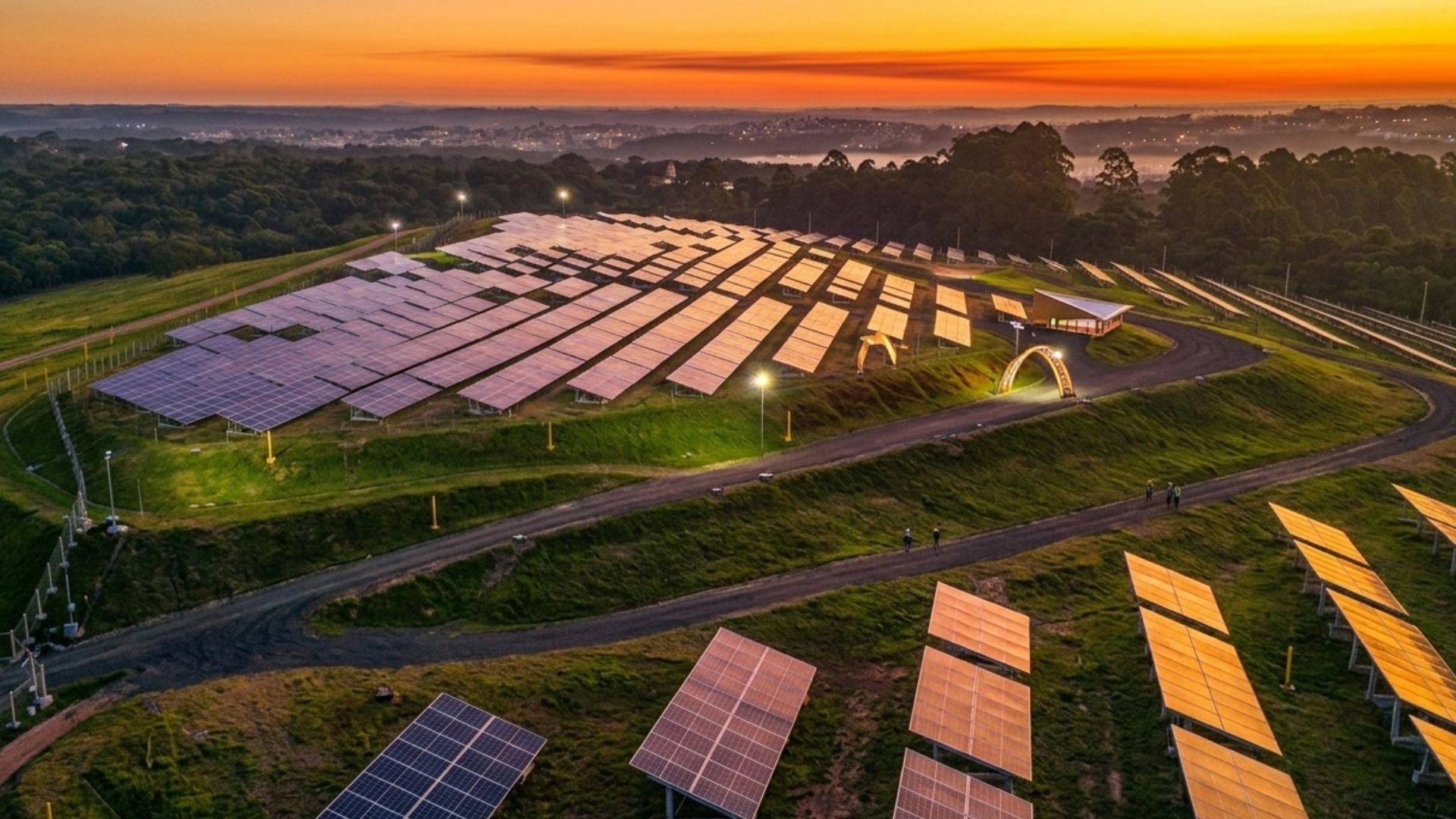
Europe records strong euro economy with solar energy in March and sparks curiosity about which country leads growth that redefines the energy market and reduces costs.
-
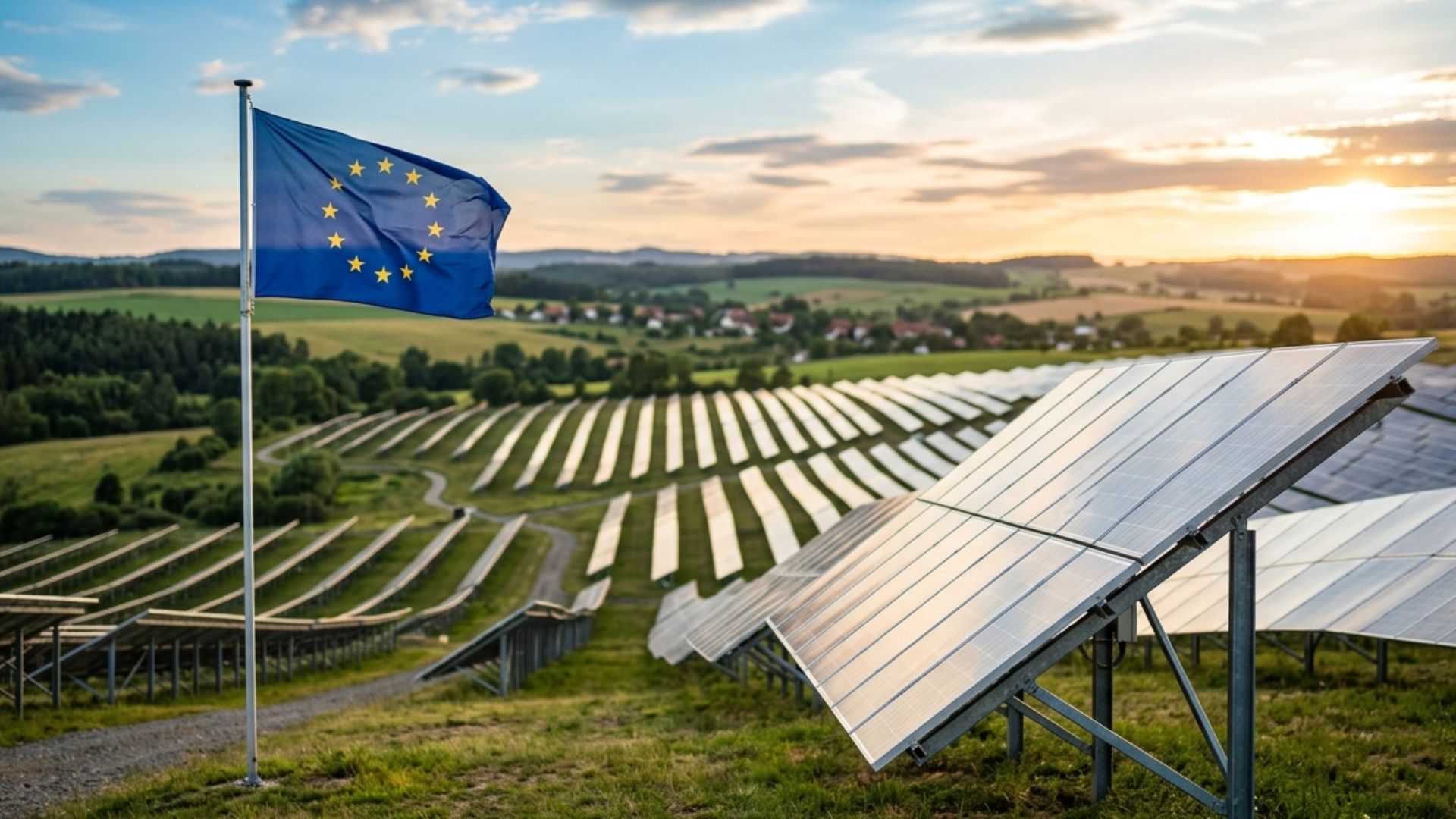
Piauí reaches a historic milestone in energy transition: State records nearly 160,000 households powered by solar energy and leads growth in the Northeast.
Historical Incentive for Clean Energy Use
Since the beginning of the 21st century, Brazil has gradually invested in diversifying its energy matrix. Amid water crises and discussions on climate change, the search for alternative and sustainable sources has gained momentum. In this context, solar energy has emerged as a viable and promising solution.
São Paulo, in turn, has stood out not only for its installed capacity but for the organized way in which it promotes the adoption of photovoltaic systems in the field. The state has established partnerships with financial institutions, technical bodies, and rural associations to ensure that producers have access to credit, technical assistance, and training.
The installation of solar panels on rural properties has become a common practice. The goal was to reduce costs, ensure greater energy independence, and align with the sustainable practices demanded by consumers and international markets.
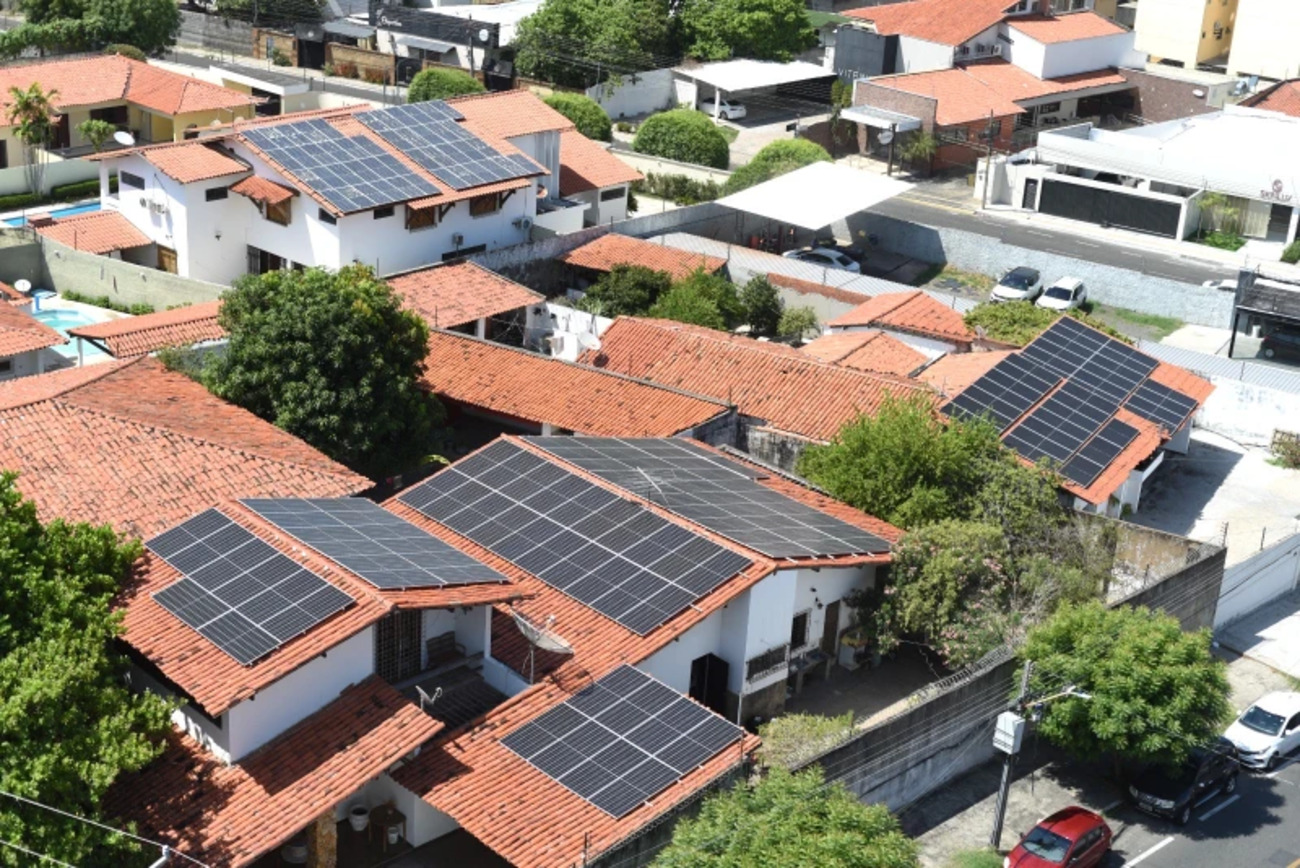
In the last year, the state recorded 5.8 gigawatts (GW) of installed solar energy capacity. This represents a 38% leap compared to the previous period. Much of this progress is due to distributed generation in rural areas, where producers have participated in facilitated financing programs offered by the state government.
The positive impact extends beyond the field, also influencing urban centers. The demand for renewable energy creates new business opportunities, generates jobs, and fosters the green economy, showing that the energy transition is a viable and profitable path.
How the Field Became the Protagonist of the Energy Transition
Solar energy has begun to directly supply agricultural properties. It meets needs such as water pumping, irrigation, lighting, and electrification of fences. In this way, it contributes not only to productivity but also to reducing greenhouse gas emissions.
Today, more than 24,000 solar plants are operating in the São Paulo countryside. They serve about 32,000 properties, spread across 607 municipalities. This shows a decentralized, efficient movement aligned with the principles of sustainability and energy security.
Technical support has also proven essential. Bodies such as the Coordinating Body for Integral Technical Assistance (CATI) and the Foundation for the Institute of Lands of the State of São Paulo (ITESP) have monitored projects. They ensured the quality and proper application of resources in the field.
Furthermore, the use of solar energy strengthens regional development as it promotes the decentralization of energy supply and reduces reliance on the conventional power grid, which can be unstable in rural areas. This gives producers autonomy and security to plan their activities.
Financing as a Driver of Solar Growth
The significant growth of solar energy in the state is also the result of a well-structured rural credit strategy. The Fund for the Expansion of Paulista Agribusiness (FEAP), through the Secretary of Agriculture and Supply, offers specific financing lines for renewable energies.
With attractive rates, long repayment terms, and up to 12 months of grace period, the financing allows small and medium producers to invest in photovoltaic systems. Individuals can obtain up to R$ 250,000, while legal entities have access to R$ 500,000. These conditions facilitate the adoption of the technology and stimulate a virtuous cycle in the rural environment.
Since 2023, more than R$ 290 million has been allocated to projects focused on clean energy in the field. To expand the reach, the government adjusted the rules. Now, up to 100% of the annual gross income of the beneficiary can come exclusively from rural activity. This aligns with federal rural credit regulations, but with even more advantageous interest rates.
This financing line not only enables the installation of new systems but also aids in the maintenance and technological updates of solar panels. This is crucial to ensure the efficiency and durability of the equipment over time, preventing performance losses and promoting the sustainability of the investment.
Testimonials Reinforce the Importance of Incentive
Ademar Pereira, president of the rural union of Caconde, emphasized the relevance of the program. He stated that the financing line represents a powerful tool for the development of small properties. According to him, the photovoltaic system, with its accessible conditions, provides relief amid the high cost of electricity, which directly impacts agricultural production.
Guilherme Piai, Secretary of Agriculture and Supply of the state, also highlighted that facilitating access to renewable energies is a hallmark of the current administration. He pointed out that there are benefits for the entire production chain. This includes economic, social, and environmental gains.
Felipe Alves, executive secretary of FEAP, reinforced that support goes beyond money. The technical oversight ensures that resources are applied effectively. He believes that the result is a cleaner, more efficient agriculture with lower production costs.
Additionally, this combination of financing and technical support has stimulated the creation of networks for knowledge and experience exchange among producers. These networks thus strengthen local engagement and accelerate the adoption of best practices in renewable energy.
Solar Energy Accelerates in SP: The Future of Energy
Given so many advances, the outlook is promising. The state of São Paulo is moving towards establishing itself as a national leader in the transition to renewable energies in the agricultural sector. The expectation is that new programs, partnerships, and technologies will further strengthen this movement.
In addition to reducing dependence on fossil sources and conventional electricity, the adoption of solar energy brings direct economic gains. Producers begin to save on their electricity bills and can even commercialize surpluses, creating a new source of income.
This dynamic, combined with the appreciation of sustainable practices in national and international markets, places the Paulista agribusiness in a prominent position. And reinforces the importance of public policies that integrate economic development and environmental responsibility.
Therefore, solar energy accelerates in SP not only as a statistical fact but as a transformative reality. It changes the landscape of the countryside, strengthens the rural economy, and signals a cleaner and smarter future for all.






Seja o primeiro a reagir!