





 Portuguese
  English
  Spanish
 5 min of reading
  0 comments


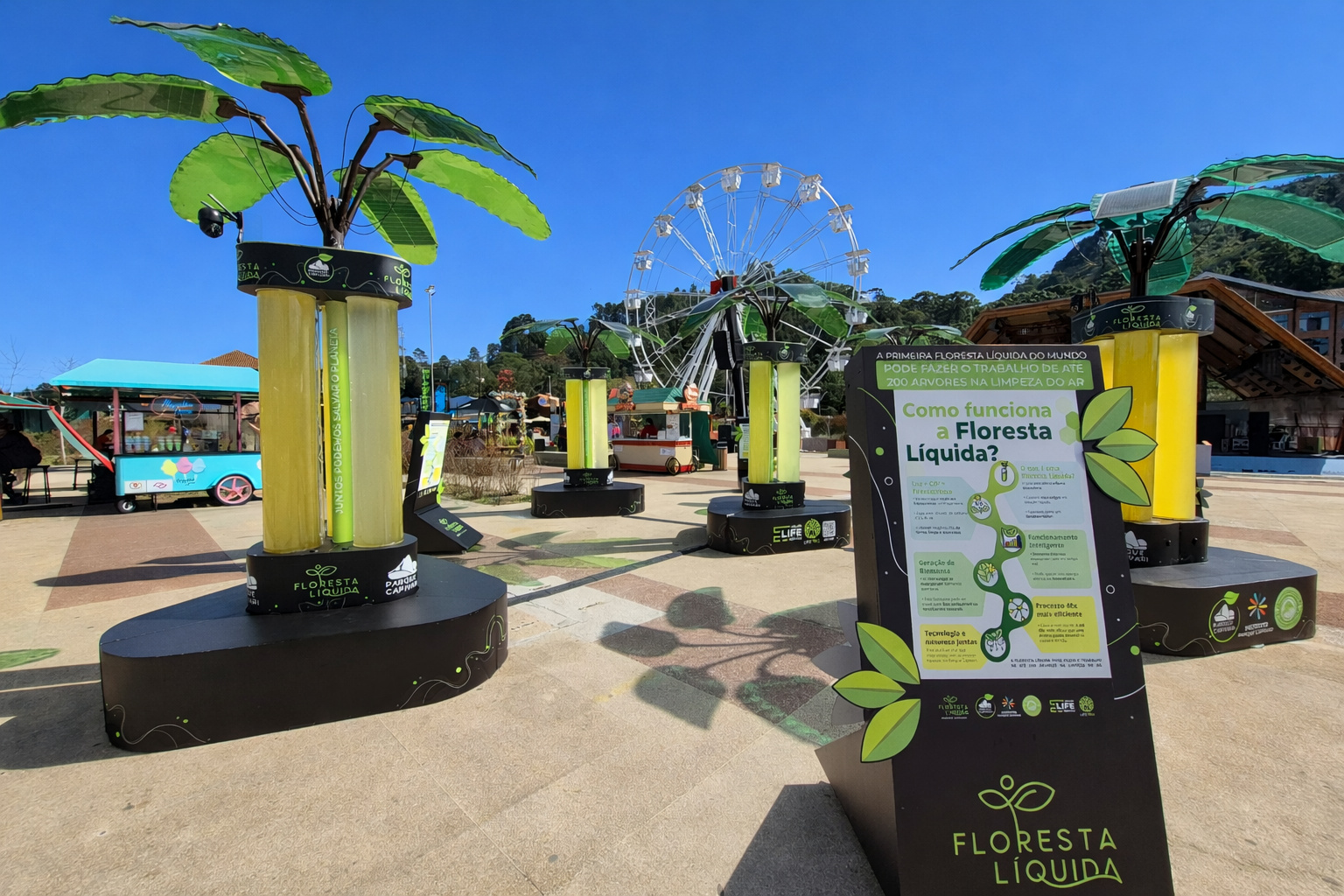
Project Brings Together Solar Energy and Microalgae to Improve Air Quality in Public Spaces, Combining Biotechnology, Urban Innovation, and Sustainability into a Timeless Environmental Solution.
Currently, cities are increasingly seeking sustainable solutions to face environmental challenges.
At the same time, there is a growing concern about quality of life and the well-being of the population.
In this sense, the integration of solar energy and microalgae emerges as an innovative alternative.
This combination connects technology, science, and renewable sources in a practical and accessible way.
In Campos do Jordão, in the interior of São Paulo, this union took shape in a pioneering project.
The initiative transformed a public space into a reference for urban sustainability.
-
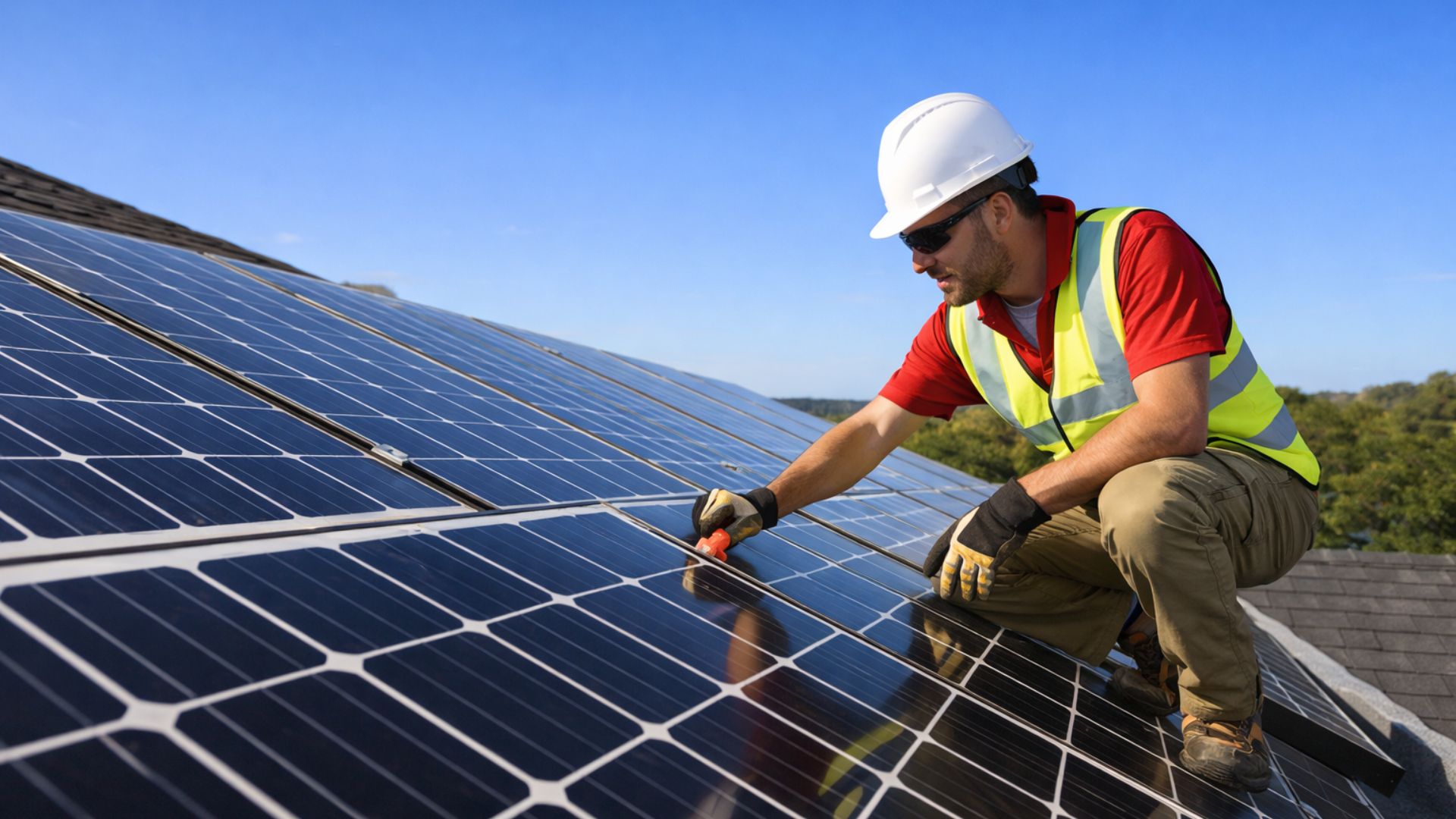
Seagri’s headquarters invests in solar energy with Neoenergia Coelba and promises to cut electricity costs, highlighting a strategic advance in sustainability and energy efficiency within state public administration.
-
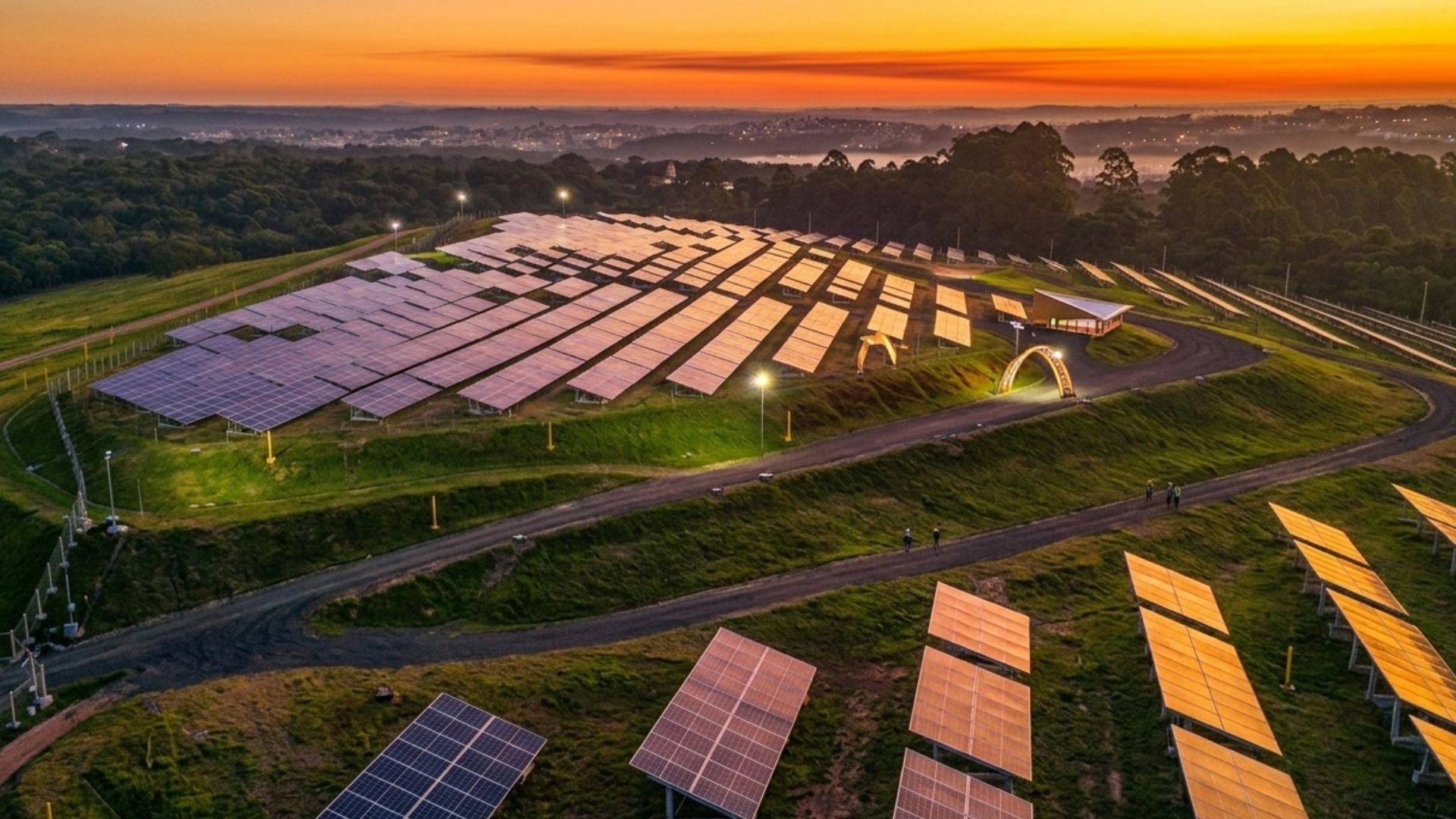
Solar Pyramid draws attention by converting solar energy into million-dollar savings and repositioning the City Hall of Curitiba as an example of innovation, sustainability, and intelligent use of public resources.
-
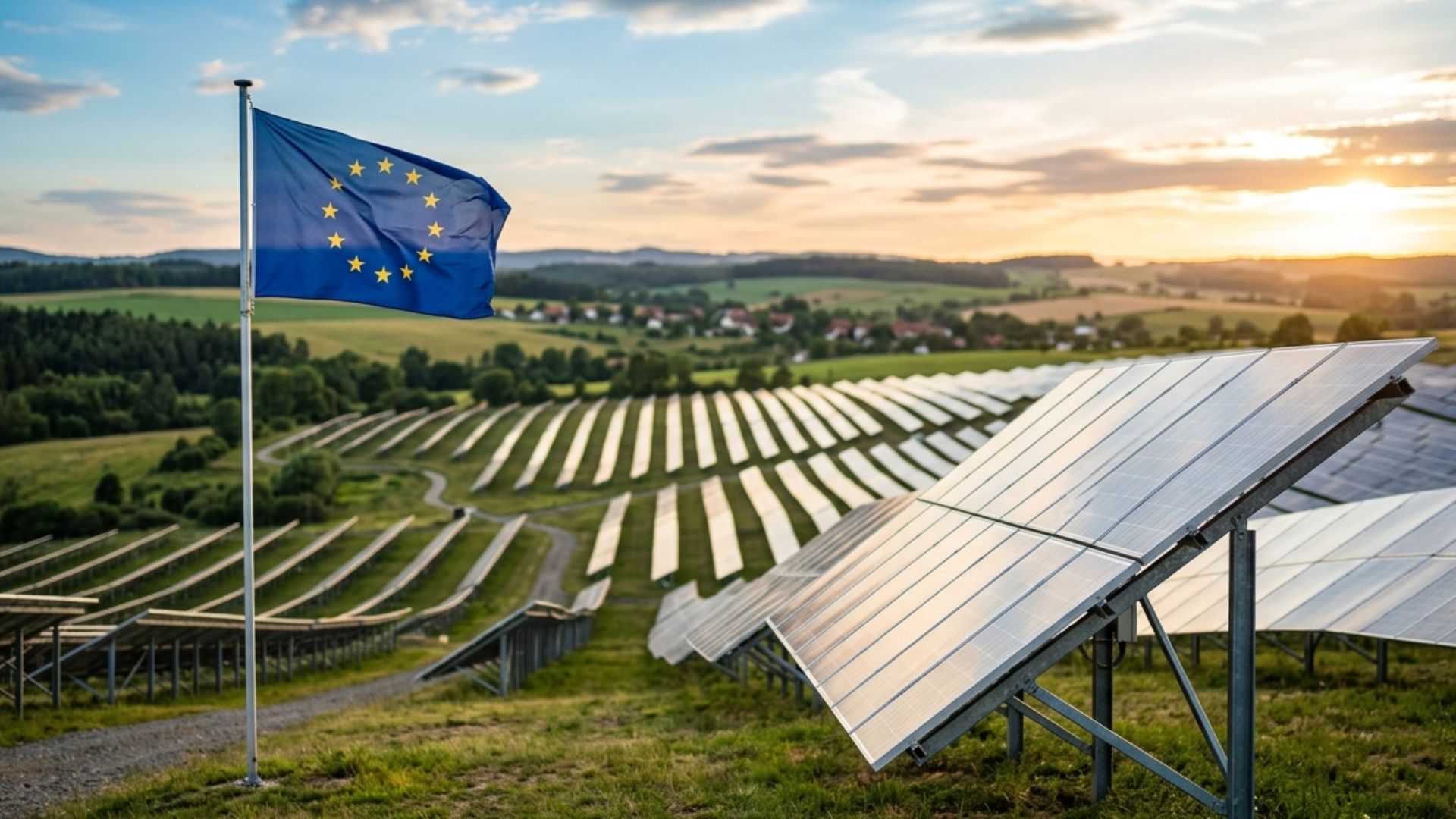
Europe records strong euro economy with solar energy in March and sparks curiosity about which country leads growth that redefines the energy market and reduces costs.
-
Piauí reaches a historic milestone in energy transition: State records nearly 160,000 households powered by solar energy and leads growth in the Northeast.

Historically, the growth of cities has gone hand in hand with the increased consumption of energy.
As a consequence, there has also been intensive exploitation of natural resources.
Since the Industrial Revolution, society has adopted fossil fuels as the foundation of economic development. This model drove technological advances, but it also brought significant environmental impacts.
However, it also intensified the emission of greenhouse gases. Furthermore, it contributed to global environmental degradation.
In light of this scenario, discussions about climate change have gained momentum. Especially since the late 20th century, governments and researchers began to question the traditional energy pattern.
Thus, cities began to seek more balanced alternatives. The goal became to reconcile economic development, environmental preservation, and social well-being.
In this context, solutions based on clean and renewable sources started to gain ground. Gradually, they began to integrate into sustainable urban planning.
Solar energy, then, took on a central role. In Brazil, the high solar incidence has always represented a natural advantage.
However, it was from the 2010s that incentive policies propelled its adoption. The reduction in the costs of photovoltaic systems also played a decisive role.
As a result, solar energy ceased to be limited to residential rooftops. Gradually, it began to integrate into innovative urban projects.
The Historical Role of Microalgae in Sustainability
As solar energy advanced, science delved deeper into studies of microalgae. These microscopic organisms have existed for billion years.
Since then, they have played a crucial role in the formation of Earth’s atmosphere. Through photosynthesis, they contributed to the increase of oxygen on the planet.
In this way, they created conditions for the emergence of life as it is known today. This natural process shaped the environmental history of Earth.
Today, researchers recognize the enormous potential of microalgae. They help address contemporary environmental challenges.
This occurs because they absorb carbon dioxide (CO₂) with high efficiency. At the same time, they release oxygen into the atmosphere.
Thus, they become allies in combating air pollution. They also contribute to the mitigation of climate change.
Additionally, the biomass generated in this process can be repurposed. It serves as input for sustainable production chains.
For this reason, the union of solar energy and microalgae has gained prominence. It represents the meeting point between ancient natural processes and modern technologies.
In Campos do Jordão, this combination gave rise to Liquid Forest. The project was installed at Parque Capivari in 2025.
Since then, the initiative has begun to integrate sustainability, tourism, and environmental education. All of this in a coordinated and accessible manner.
The technological trees structure the system. Each unit functions as a photobioreactor.
These structures house microalgae and cyanobacteria. Together, they perform photosynthesis in real time.
Sensors and lighting systems control the internal environment. Meanwhile, solar energy ensures the continuous operation of the system.
Even during periods of lower natural light, the process remains active.
Solar Energy and Microalgae Applied to the Urban Environment
As a direct result, these structures absorb large volumes of carbon dioxide. At the same time, they release oxygen continuously.
In this way, they contribute to the improvement of air quality. The impact occurs in an area of high foot traffic.
Together, the technological trees achieve high environmental efficiency. Their CO₂ capture capacity is equivalent to that of hundreds of conventional trees.
However, the project does not aim to replace natural forests. On the contrary, it acts as a complement to urban vegetation.
This approach proves essential in areas with physical limitations. In these places, tree planting faces structural obstacles.
Thus, the Liquid Forest demonstrates new possibilities for cities. Solutions based on solar energy and microalgae reinforce urban sustainability.
The benefits extend beyond the environment. The project also positively influences the use of urban space.
Cleaner and more <strong pleasant environments encourage people to stay. As a consequence, they strengthen local tourism. Furthermore, they promote a closer relationship between the population and sustainable practices.
Circular Economy, Environmental Education, and Innovation
Another relevant aspect of the initiative is linked to the circular economy. During photosynthesis, microalgae produce biomass.
Subsequently, the project repurposes this material. It can be used in the production of biofuels and natural fertilizers.
This repurposing amplifies the positive impact of technology. At the same time, it reduces waste of resources.
By integrating biotechnology and renewable energy, the system becomes more efficient. Thus, it optimizes the use of available resources.
Moreover, it reduces waste generation. This strengthens sustainable production models in the long term. The Liquid Forest also plays a strong educational role. Its location facilitates public access.
Installed at a tourist hotspot, the initiative sparks curiosity and engagement. Residents and visitors interact directly with the technology.
As a result, complex concepts become more understandable. Topics such as climate change and renewable sources gain practical examples.
Historically, cities kept polluting activities away from their centers. Today, however, they are following a new path.
They integrate clean solutions within public spaces. In this sense, the union of solar energy and microalgae symbolizes this shift in mindset.
An Timeless Project for the Future of Cities
Finally, the international recognition reinforces the project’s relevance. The initiative has gained prominence in awards for innovation and sustainability.
Thus, Campos do Jordão has become an environmental reference. Other cities in Latin America observe the model with interest.
Moreover, the proposal has an atemporal character. It aligns with lasting trends of the 21st century.
Among them are the decarbonization of the economy. The use of renewable sources and smart cities also stand out.
These topics are expected to remain central in the coming decades. Therefore, the project remains current and relevant.
With technological advancements, new applications are expected to arise. Similar systems could occupy plazas, parks, and urban corridors.
Even building facades could incorporate solar photobioreactors. Thus, the environmental and social benefits expand.
Finally, the project at Parque Capivari goes beyond technological innovation. It shows how the union of solar energy and microalgae transforms urban space.
In addition to improving air quality, the initiative fosters a sustainability culture. In this way, Campos do Jordão points consistent paths for the future of Brazilian cities.










Seja o primeiro a reagir!