





 Portuguese
  English
  Spanish
  4 min of reading


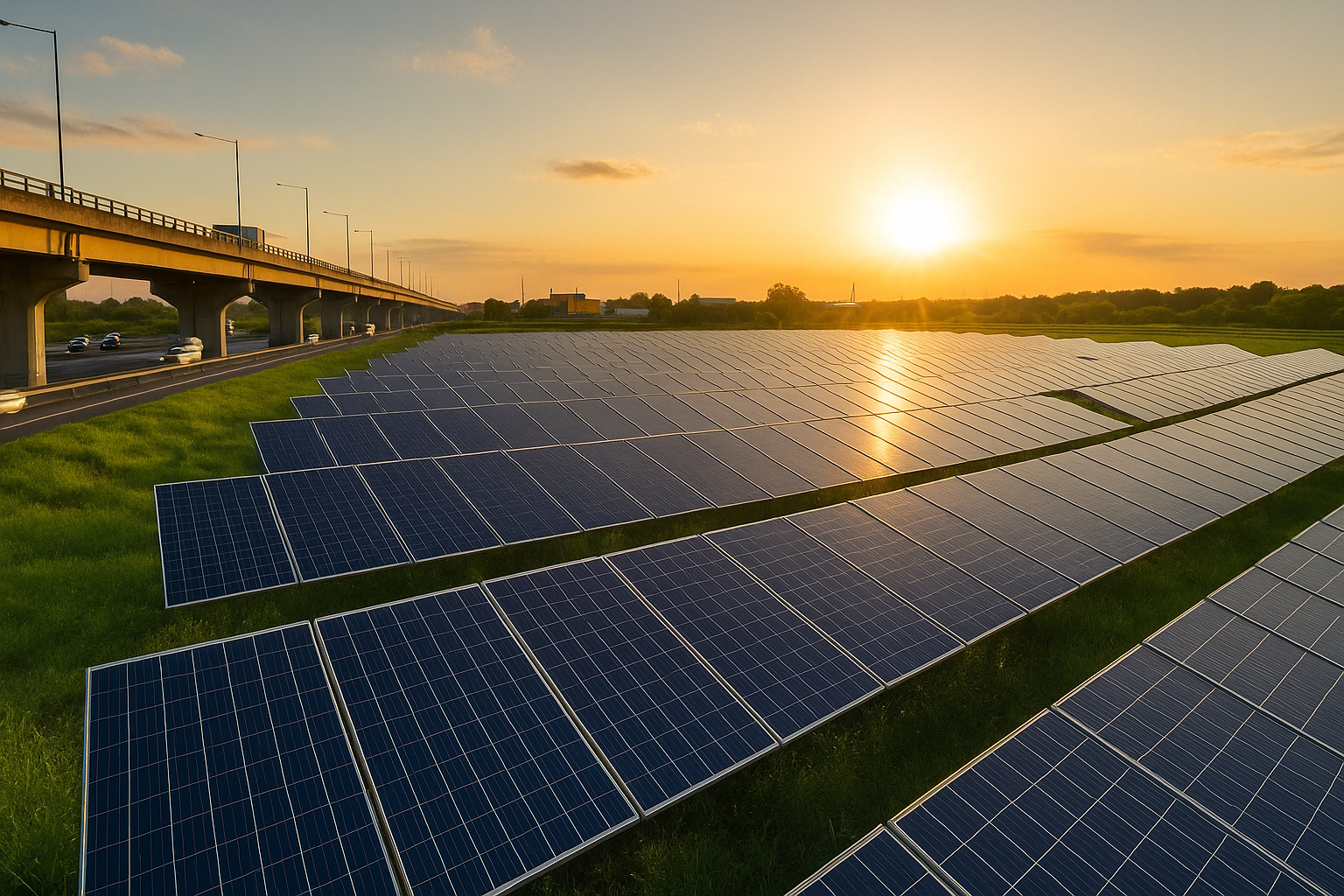
The adoption of solar energy is consistently growing in Brazil. This movement is gaining strength as companies across various sectors seek alternatives to reduce costs and enhance sustainable practices. Motiva, the company responsible for important Brazilian highways, has decided to follow this trend. According to the site Poder360, the company has signed a significant agreement with Prime Energy, which belongs to the Shell group. The contract provides for a five-year supply of photovoltaic energy and creates a new milestone for the road concession sector.
This advancement occurs at a strategic moment. The country seeks to reduce dependence on fossil sources while expanding clean generation models. Thus, Motiva’s initiative fits into a scenario where infrastructure, mobility, and sustainability go hand in hand. The decision also reveals how the private sector contributes to environmental goals that have become urgent in recent decades.
Expansion Of Solar Energy In The Country
The agreement foresees the annual supply of more than 2,115 MWh of solar energy. This volume will serve 120 Motiva installations. Among them are toll plazas, lighting units, and monitoring systems on the Presidente Dutra, Rio-Santos, and Castello Branco highways. According to the federal government, distributed generation has been growing rapidly since 2012, when Aneel created rules to stimulate this model. Thus, companies began to invest in solutions capable of generating savings and reducing environmental impacts.
-
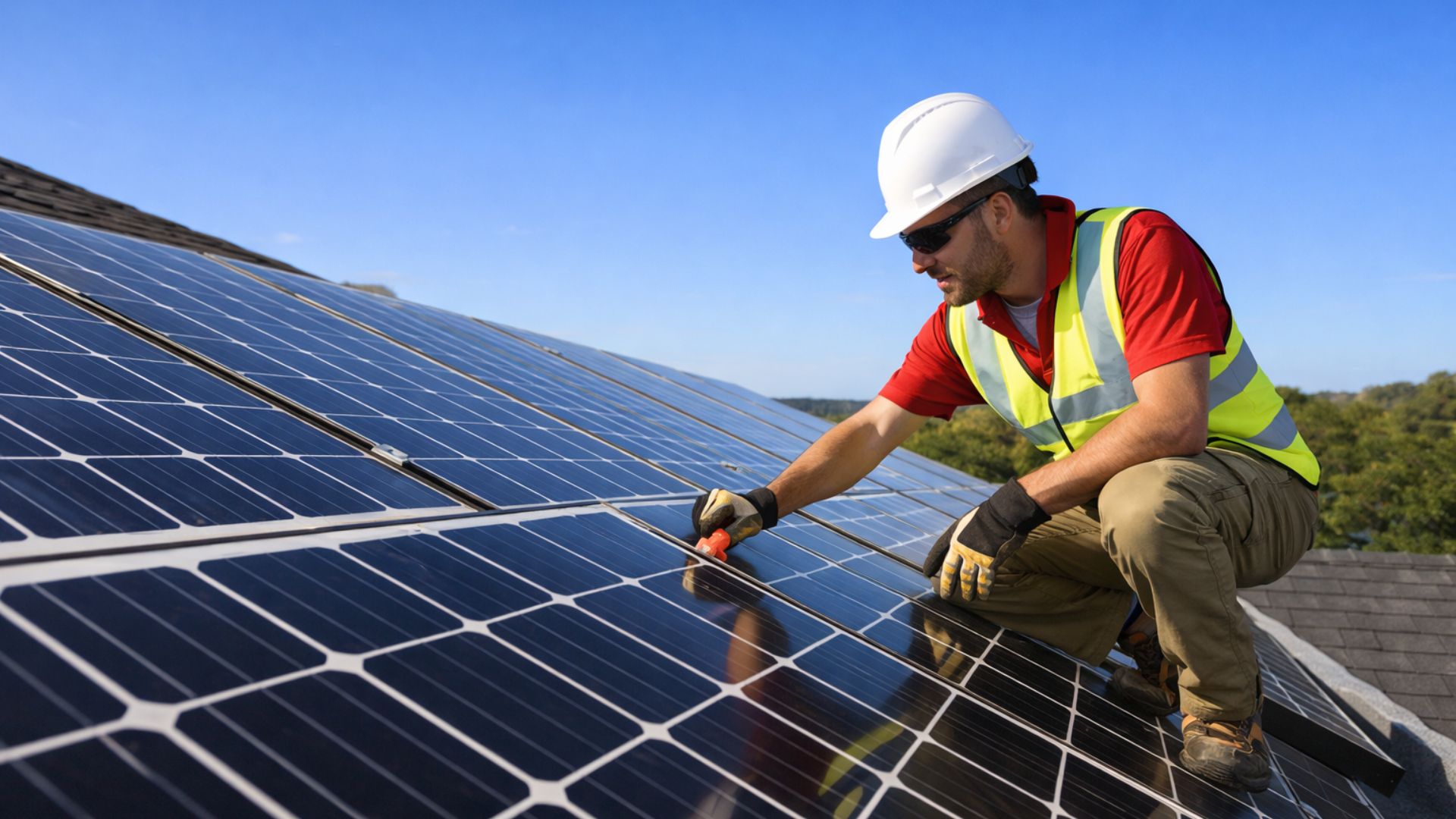
Seagri’s headquarters invests in solar energy with Neoenergia Coelba and promises to cut electricity costs, highlighting a strategic advance in sustainability and energy efficiency within state public administration.
-
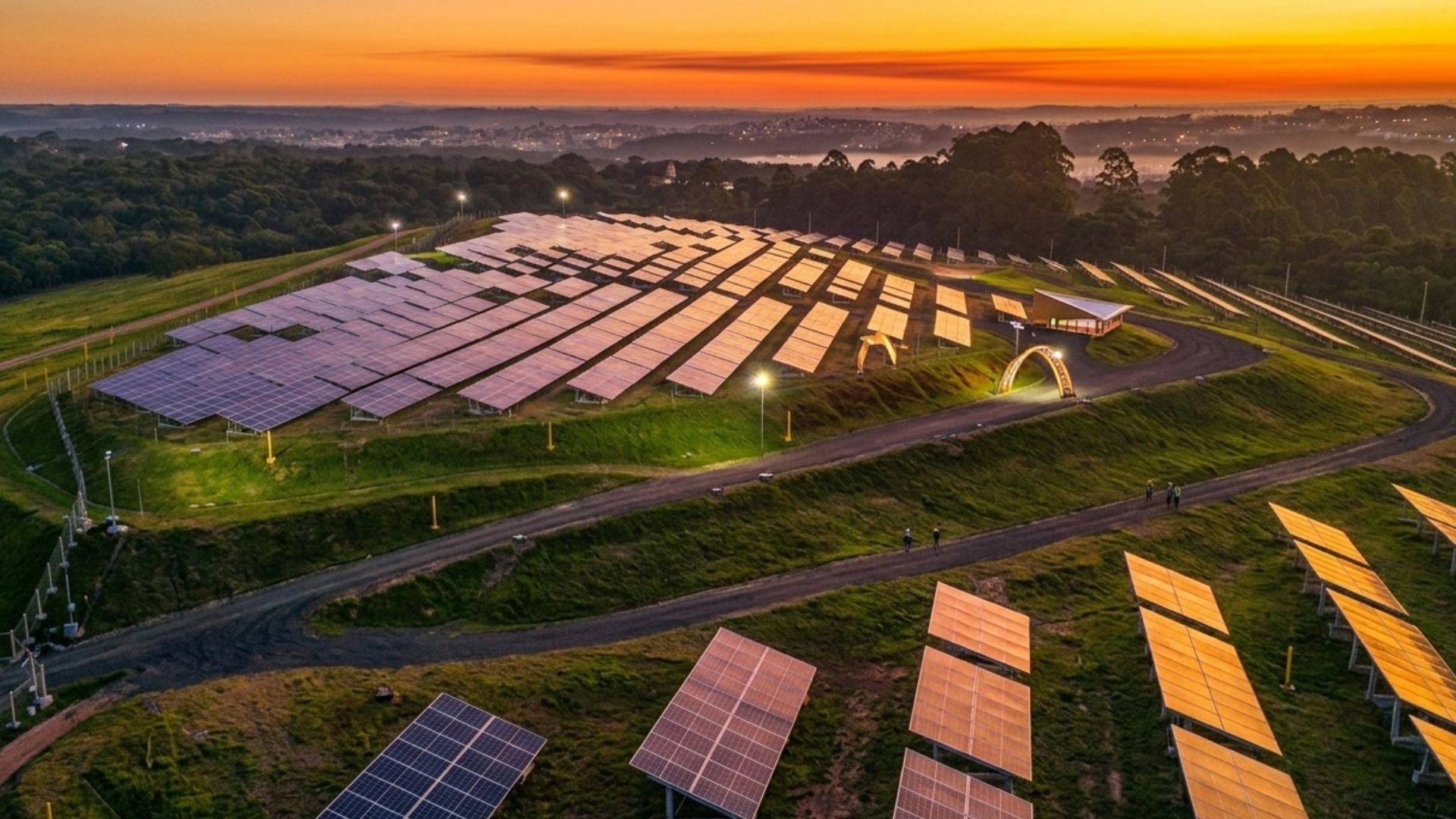
Solar Pyramid draws attention by converting solar energy into million-dollar savings and repositioning the City Hall of Curitiba as an example of innovation, sustainability, and intelligent use of public resources.
-
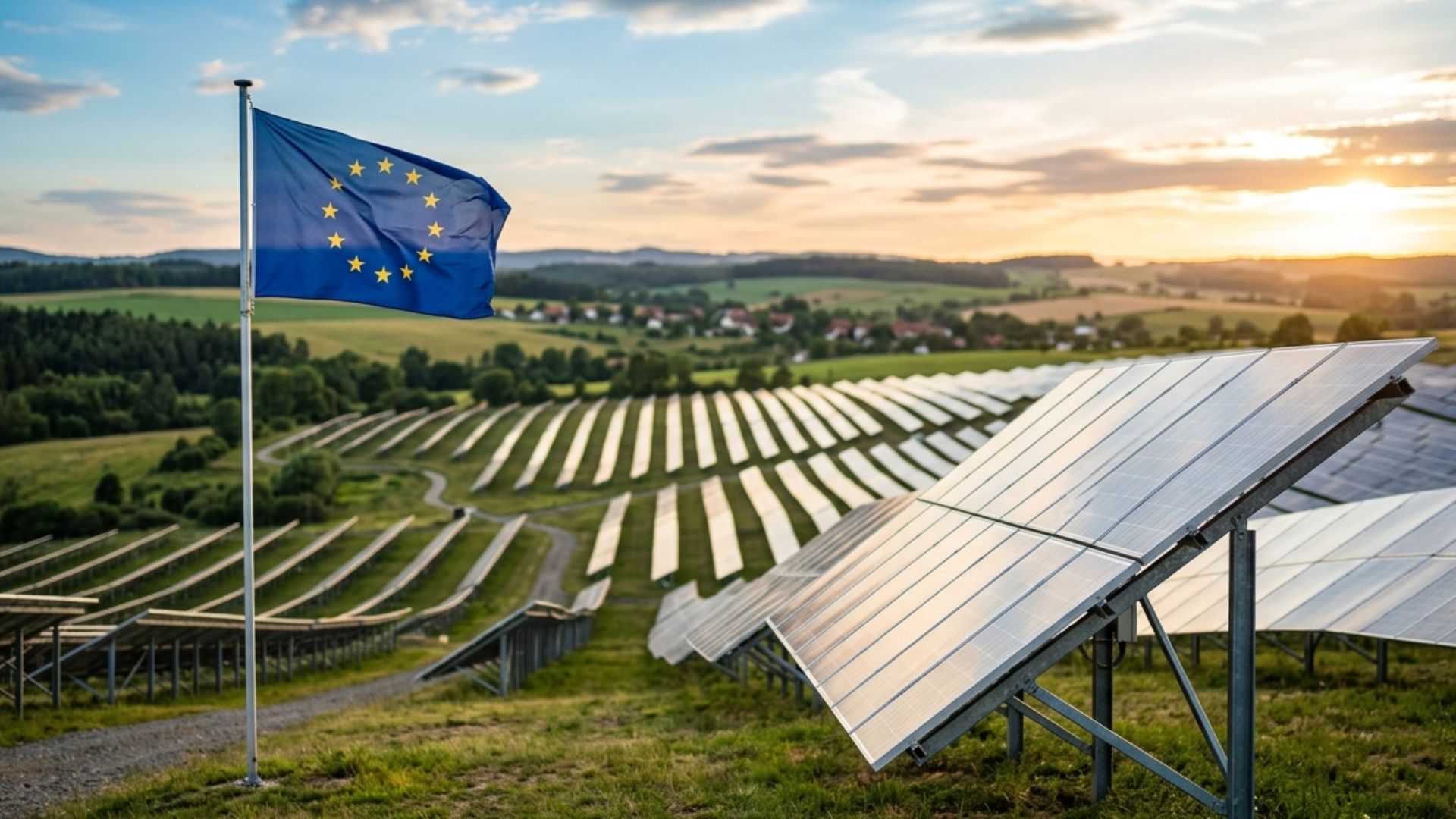
Europe records strong euro economy with solar energy in March and sparks curiosity about which country leads growth that redefines the energy market and reduces costs.
-
Piauí reaches a historic milestone in energy transition: State records nearly 160,000 households powered by solar energy and leads growth in the Northeast.
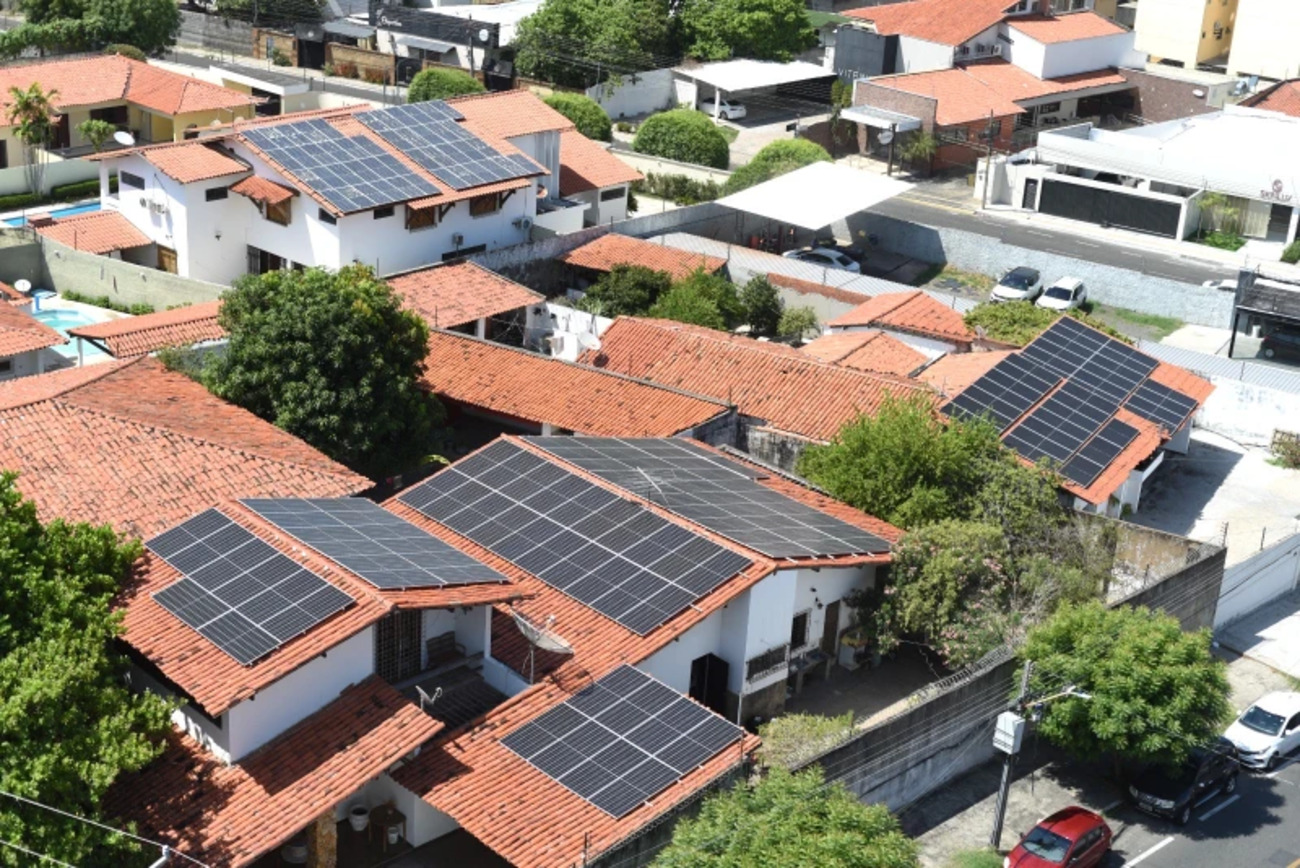

In Motiva’s case, the estimated savings exceed 26% of the current spending on energy. This result is made possible because solar energy has more stable and predictable costs. Additionally, the reduction of emissions reinforces environmental commitments. According to Prime Energy, the partnership will prevent around 3,000 tons of CO₂ per year.
Historical Relevance Of The Energy Transition
The discussion about solar energy has gained global momentum in recent decades. After the oil crises of the 1970s, countries began to seek alternatives. However, significant progress occurred in the 21st century when photovoltaic technologies became more accessible. In Brazil, this process intensified after 2015. According to the International Energy Agency, the country has become one of the most promising markets in Latin America.
Therefore, Motiva’s decision does not arise in isolation. It is part of a trajectory where companies recognize that innovation, energy security, and sustainability can go hand in hand. Additionally, long-term contracts ensure stability for operations, which strengthens business planning.
Solar Energy As A Corporate Strategy
Arcos Dorados, the operator of McDonald’s and a reference in ESG actions, already utilizes 96% renewable energy in its own operations in the country. According to the company, this strategy is set to expand. The movement inspires the private sector, as it shows how large brands turn environmental goals into concrete results.
Motiva follows a similar logic. It uses the potential of solar energy to modernize critical structures. This process benefits drivers, reduces operational costs, and encourages new initiatives. Consequently, the road sector begins to integrate into the energy transition that has gained strength across various segments.
Environmental Impacts And Certifications
The partnership includes more than 61,000 annual I-REC certificates. These documents certify the renewable origin of the energy. According to environmental organizations, certifications enhance transparency and help measure the results of each project. Thus, the company demonstrates environmental responsibility and strengthens its reputation.
Moreover, large-scale reductions in emissions help mitigate climate effects. According to the UN, corporate actions play a crucial role in combating global warming. Therefore, initiatives like this become valuable in the long term.
Relationship With Oil And Energy Transition
Although the keyword is oil, it is essential to contextualize the role of solar energy. Historically, oil has dominated the global energy matrix. However, price volatility and climate agreements have stimulated profound changes. Currently, countries are diversifying sources to reduce economic and environmental risks.
Thus, the expansion of solar energy represents a new chapter. It does not eliminate oil but creates balance and stability. According to the International Energy Agency, renewable sources are expected to lead global growth by 2030. Brazil, in turn, has natural conditions that favor this movement.
Integration Between Infrastructure And Clean Energy
The application of solar energy on highways demonstrates the versatility of this technology. It enhances safety, reduces costs, and encourages efficient practices. Additionally, the mobility sector is undergoing rapid changes. The advance of electric vehicles reinforces this necessity. Therefore, structures capable of operating with renewable energy become strategic.
According to the site Gov.br, public policies stimulate projects involving lighting modernization and monitoring systems. Motiva’s initiative complements this scenario. Thus, infrastructure and energy begin to build joint solutions.
Future Paths For Solar Energy
The trend is continuous growth. Companies seek energy self-sufficiency to improve results and reduce risks. Additionally, long-term contracts offer predictability. The solar sector also advances in innovation. More efficient panels and smart systems make the technology even more competitive.
Therefore, projects like Motiva’s serve as a reference. They show that sustainability does not rely solely on laws. It also arises from business decisions aligned with the future. Solar energy becomes a structural axis for businesses that wish to remain competitive, even in challenging economic environments.









Seja o primeiro a reagir!