





 Portuguese
  English
  Spanish
  3 min of reading
  0 comments


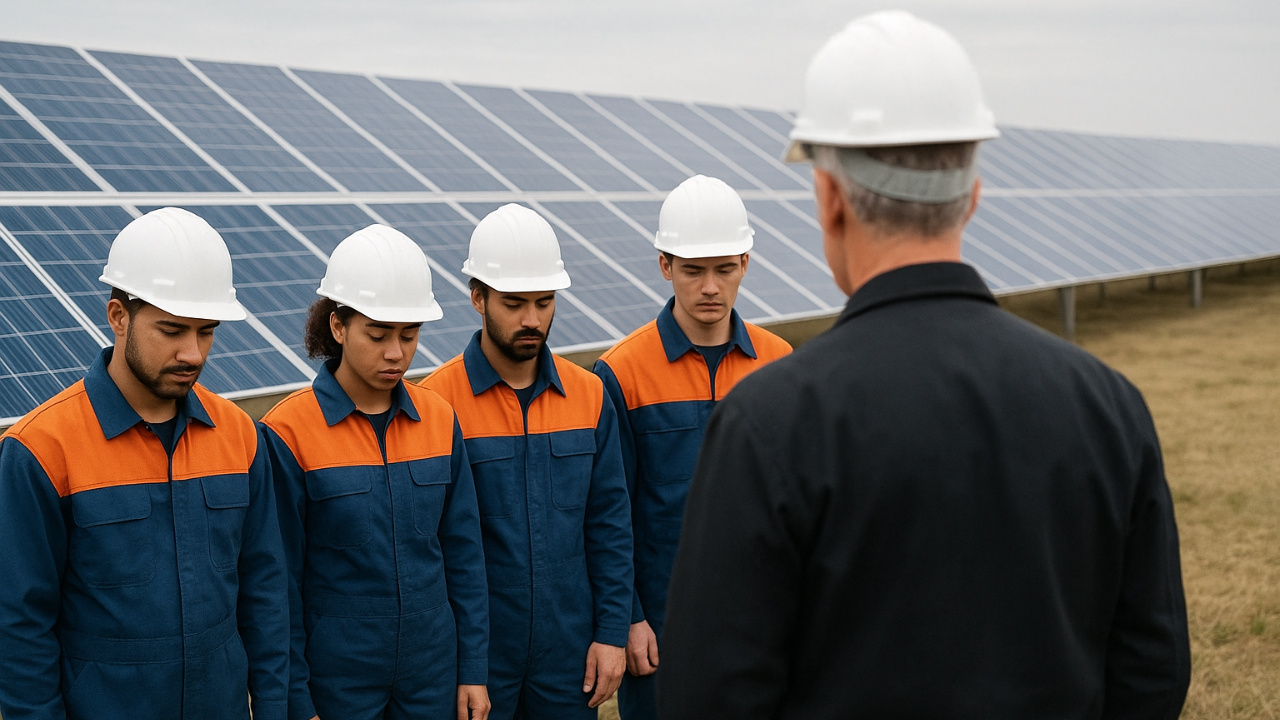
ABSOLAR Forecasts 7% Decrease in Solar Energy Expansion in 2026, with Less Investment, Regulatory Difficulties, High Interest Rates, and Direct Impacts on Job Creation.
After a cycle of accelerated expansion, the Brazilian solar energy market may enter a more challenging phase. Projections released by the Brazilian Photovoltaic Solar Energy Association (ABSOLAR) indicate that 2026 will see a new decline in the growth rate of the source.
The scenario combines regulatory barriers, operational difficulties, a restrictive macroeconomic environment, and changes that directly affect the attractiveness of new projects.
Projection Indicates Decline in Installation of New Projects
According to the study presented by ABSOLAR this Wednesday (10), the expansion of solar energy in Brazil is expected to decrease by about 7% in 2026 compared to 2025.
-
Europe records strong euro economy with solar energy in March and sparks curiosity about which country leads growth that redefines the energy market and reduces costs.
-
Piauí reaches a historic milestone in energy transition: State records nearly 160,000 households powered by solar energy and leads growth in the Northeast.
-
Argentina debuts its first 100% solar-powered highway and transforms an entire road into a showcase of clean energy.
-
Minas Gerais reaches a historic record and surpasses the power of Itaipu, but network costs generate debate: Understand why solar energy in MG impacts the electricity bill of those without panels.
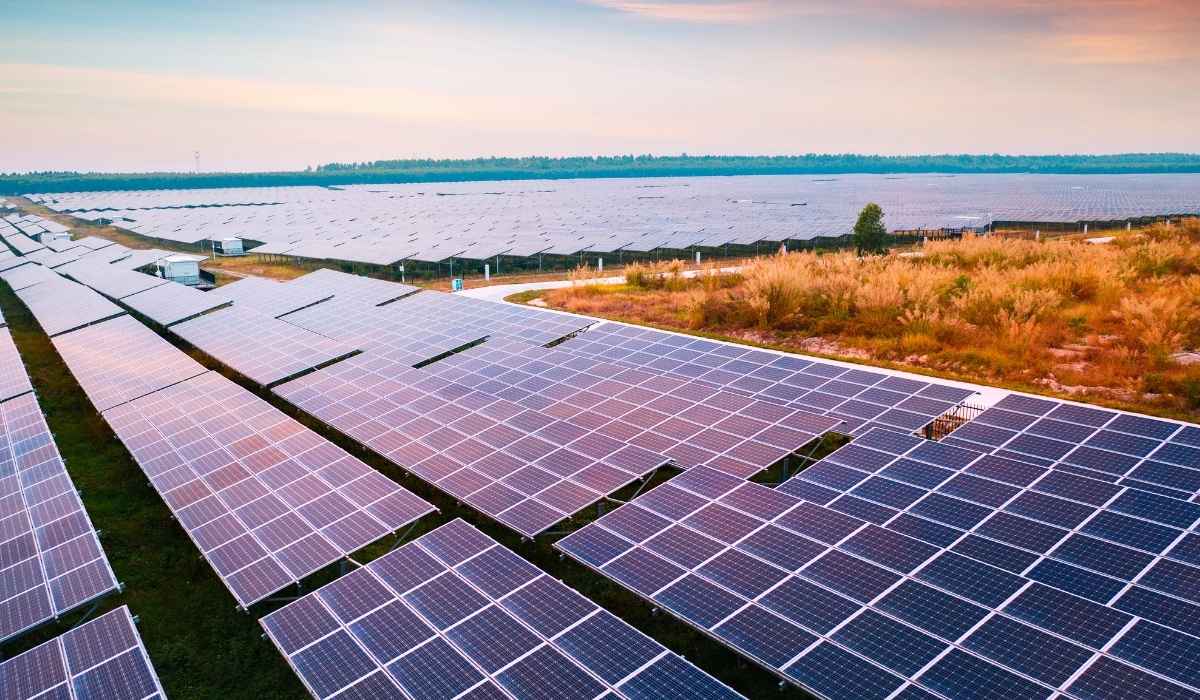

If the forecast holds true, it will be the second consecutive year of decline, following the historic peak of growth recorded in 2024.
The organization estimates that the country will add 10.6 gigawatts (GW) of installed capacity next year. This volume is lower than the 11.4 GW projected for 2025. This number, in turn, already represents a significant drop from the 15 GW incorporated into the system in 2024, a period considered a record for the source in Brazil.
In the large power plant segment, ABSOLAR highlights that generation cuts, known as curtailment, have caused significant financial losses. These cuts reduce the predictability of revenues and directly affect investors’ confidence in large-scale solar energy projects.
Meanwhile, in distributed generation (GD), the challenges are different. The association points out the increase in refusals and connection restrictions to the grid, often based on claims of flow reversal risk.
This type of obstacle has hindered the installation of small and medium photovoltaic systems, especially in regions where the source has already reached high penetration.
High Interest Rates and Taxes Discourage New Investments
In addition to technical and regulatory barriers, the economic environment weighs against the expansion of solar energy. The cost of credit remains high, with interest rates close to 15% per year, which makes financing more expensive and reduces the attractiveness of projects.
This is compounded by the high volatility of the dollar, which directly impacts equipment costs, and the high import tax rates on photovoltaic components. Together, these factors reduce the appetite for investments in the short and medium term.
This set of difficulties is reflected in the economic numbers of the sector. ABSOLAR projects that investments in solar energy should decrease to R$ 31.8 billion in 2026, below the approximately R$ 40 billion estimated for 2025.
The impact also hits the job market. The expectation is that the sector will create approximately 319.9 thousand new jobs in 2026, a number lower than the 396.5 thousand positions projected for this year.
At the same time, tax revenue from the solar chain is expected to shrink, dropping from over R$ 13 billion in 2025 to about R$ 10.5 billion the following year.
Installed Capacity Continues to Grow Despite the Slowdown
Even in the face of a downturn, solar energy will continue to advance in the Brazilian electrical matrix. According to the entity, the country is expected to reach 75.9 GW of accumulated installed capacity by the end of 2026.
Of this total, 51.8 GW should come from self-generation systems installed by residential, commercial, and industrial consumers. Large solar plants connected to the National Interconnected System (SIN) are expected to account for 24.1 GW of the total capacity.
In light of this more adverse scenario, ABSOLAR has stated that it will intensify its institutional efforts in Brasília. The association intends to present proposals to presidential candidates and engage with different political and regulatory stakeholders.
The goal is to seek solutions for generation cuts, improve connection rules for distributed generation, and advance the regulation of energy storage, which is considered essential for unlocking the sustainable growth of solar energy in Brazil.








Seja o primeiro a reagir!