





 Portuguese
  English
  Spanish
  5 min of reading
  0 comments


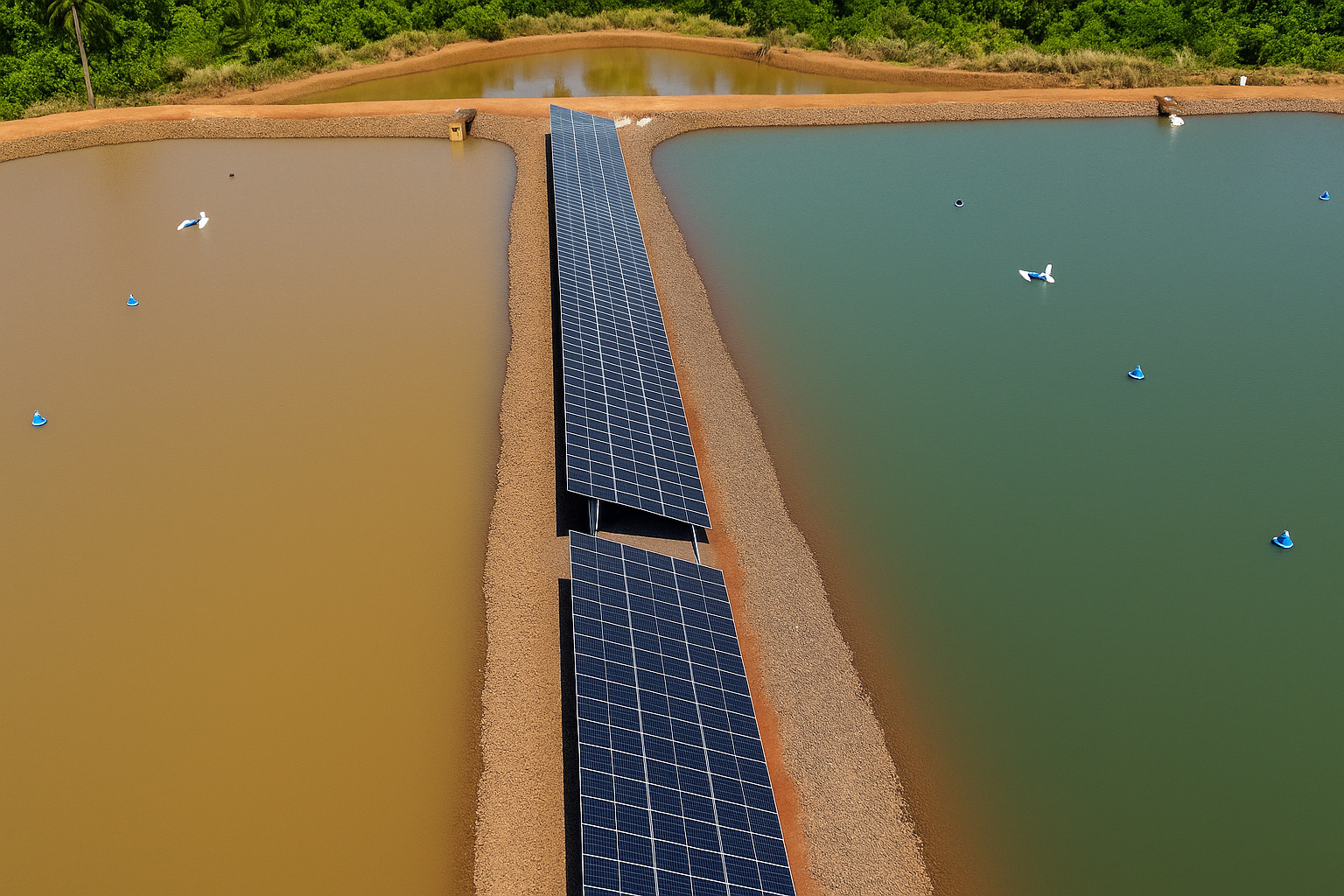
Discover How Solar Power in Brazil Surpasses 60 GW and Drives the Use of Batteries to Enhance Efficiency and Energy Independence
Solar power in Brazil exceeds 60 GW of installed capacity and, as a result, reinforces its position as one of the main sources of electricity generation in the country.
This advancement demonstrates how Brazil has been continuously adapting to a new energy reality marked by innovation, sustainability, and cost reduction.
According to the Brazilian Photovoltaic Energy Association (Absolar), the sector already accounts for about 23% of the national electricity matrix, symbolizing a historic milestone achieved in just over a decade of constant expansion.
-
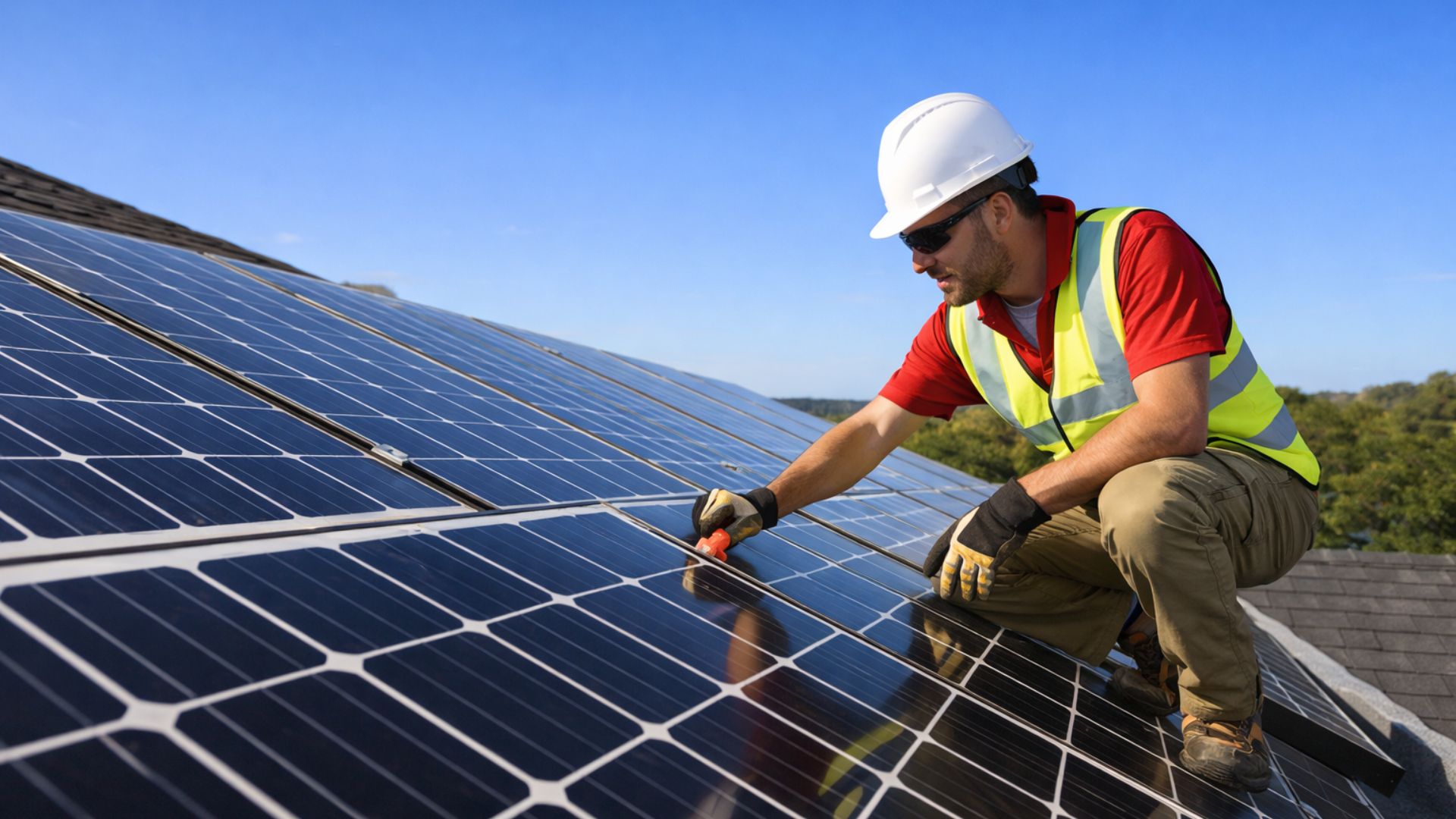
Seagri’s headquarters invests in solar energy with Neoenergia Coelba and promises to cut electricity costs, highlighting a strategic advance in sustainability and energy efficiency within state public administration.
-
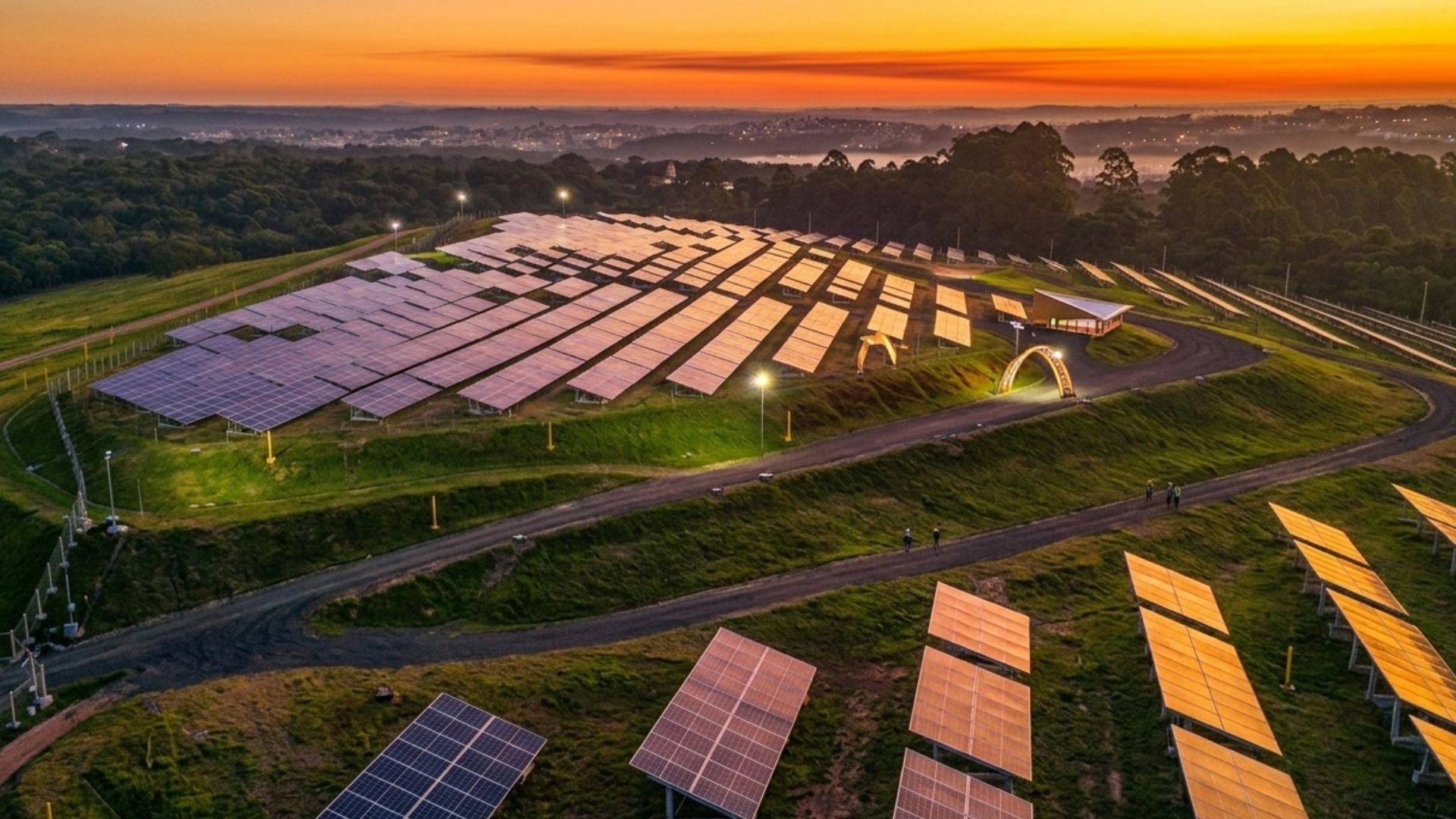
Solar Pyramid draws attention by converting solar energy into million-dollar savings and repositioning the City Hall of Curitiba as an example of innovation, sustainability, and intelligent use of public resources.
-
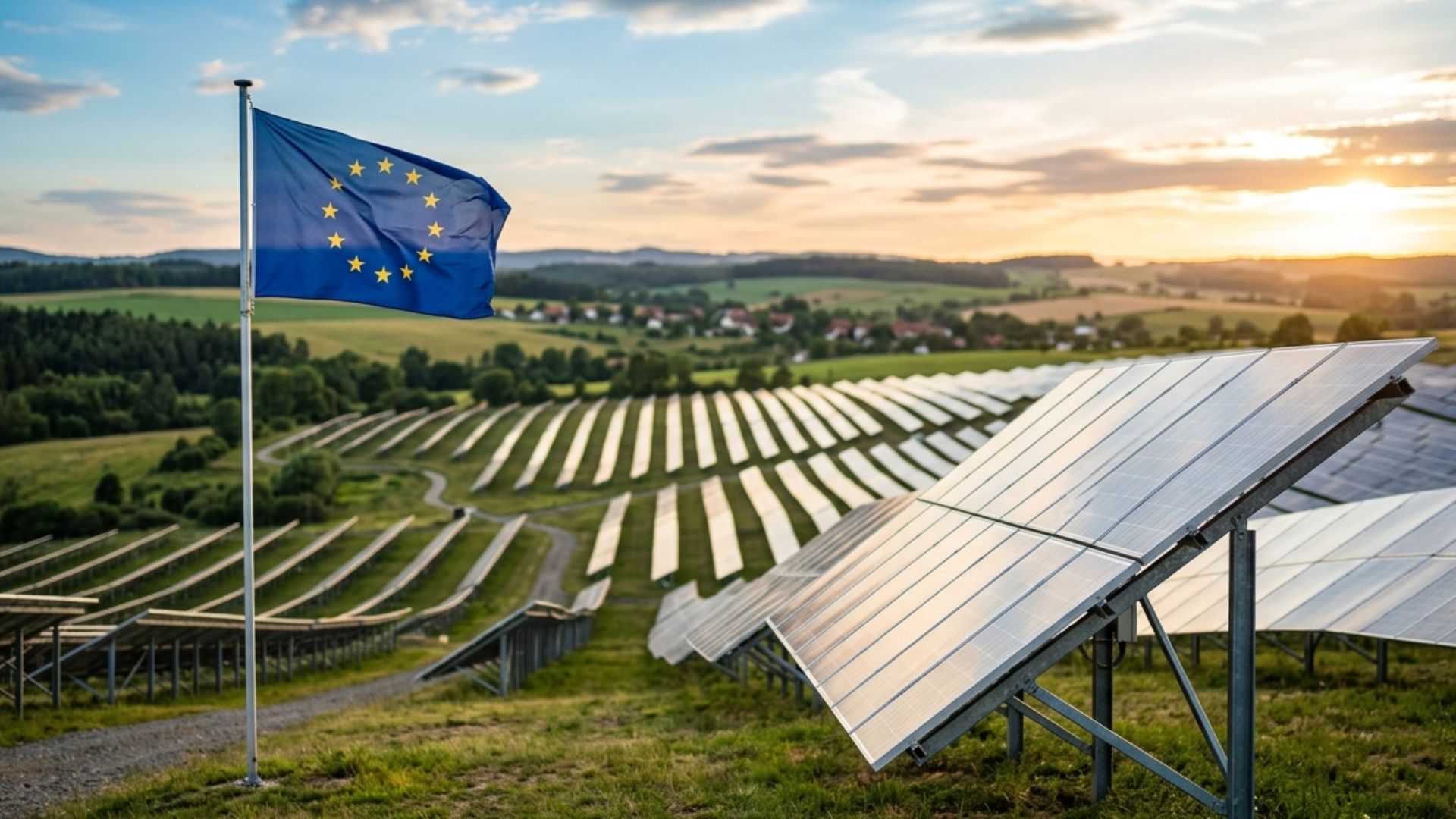
Europe records strong euro economy with solar energy in March and sparks curiosity about which country leads growth that redefines the energy market and reduces costs.
-
Piauí reaches a historic milestone in energy transition: State records nearly 160,000 households powered by solar energy and leads growth in the Northeast.
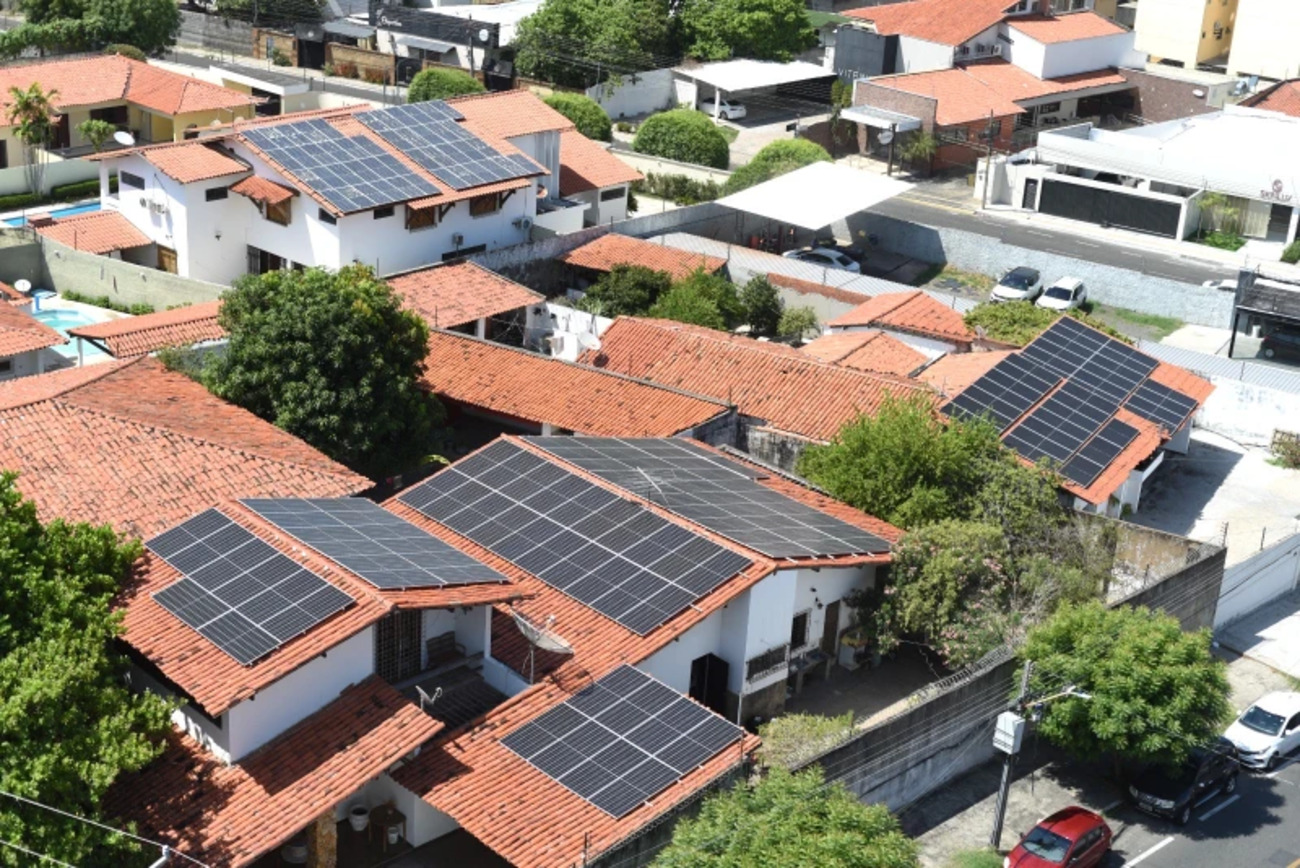
Furthermore, projections indicate that by the end of 2025, the country is expected to add an additional 13.2 GW, reaching 64.7 GW of total capacity.
Thus, the growth reinforces how solar energy transforms the way electricity is produced and consumed, both in homes and in industries and agriculture.
Consequently, this advancement is directly linked to the drop in battery costs and the popularization of energy storage solutions.
These technologies make it possible to ensure continuous supply, even during cloudy periods or at night when solar radiation is reduced.
History and Consolidation of Solar Energy in Brazil
The trajectory of solar energy in Brazil began timidly in the 1990s when the first photovoltaic panels were installed in isolated locations, such as rural schools and Amazonian communities.
At that time, costs were high and access to technology was limited.
Over the years, however, public policies and regulatory incentives began to change this reality.
The creation of the Distributed Generation Development Program (ProGD) and the resolutions from the National Electric Energy Agency (Aneel) were essential in boosting the use of solar systems in homes and businesses.
Starting in 2012, the country entered a new expansion cycle.
During this period, the price of equipment fell and consumer interest increased.
More and more people sought to reduce costs and adopt sustainable practices.
As a result, Brazil began to occupy a prominent international role.
Today, it is a leader in distributed generation in Latin America, and the number of installed systems is growing rapidly, year after year.
The Battery Revolution and the Role of Innovation
Over the last decade, the evolution of batteries has propelled the growth of solar energy at an impressive rate.
According to data from the International Energy Agency (IEA), the cost of batteries has dropped by more than 90% in less than 15 years.
Thus, energy storage has become more accessible and efficient.
According to BloombergNEF, prices will continue to fall — 50% by 2030 and 68% by 2050 — making this technology even more attractive.
In this way, batteries store excess energy generated during the day, ensuring autonomy at night or on cloudy days.
As explained by Rodrigo Bourscheidt, CEO of Energy+, investing in storage systems provides independence from the electrical grid and enhances the efficiency of solar systems.
Additionally, the company offers solutions ranging from 5 kWh for home use to 5,000 kWh for industrial and agricultural applications, with a lifespan of over 30 years.
Therefore, investing in specific batteries for solar energy maximizes the potential of systems and ensures continuous and reliable supply.
This combination of technology and sustainability allows solar energy in Brazil to break barriers and achieve new performance levels.
Solar Energy in Agriculture and Rural Communities
While in cities solar energy is becoming popular among homes and businesses, in the countryside the impact is equally significant.
The Brazilian agricultural sector uses solar energy to power irrigation systems, grain drying, and refrigeration.
In this context, batteries enable the operation of irrigation pivots even without access to the electrical grid, which increases productivity and reduces operational costs.
This way, the farmer gains energy autonomy and contributes to a more sustainable production.
On the other hand, in remote areas, photovoltaic solutions provide clean and constant energy, bringing benefits to schools, health posts, and small local industries.
Thus, the advancement of solar energy in Brazil transcends geographical and social boundaries, promoting energy inclusion and regional development.
As a result, communities that previously relied on diesel generators now have a cheaper, quieter, and more ecological alternative.
This strengthens the concept of energy justice, ensuring that access to quality electricity becomes a reality for all.
The Importance of Solar Energy for the Energy Transition
The growth of solar energy in Brazil goes beyond mere economic aspects, as it also represents a decisive step towards the energy transition.
Historically dependent on hydroelectric power, the country is now diversifying its matrix and reducing greenhouse gas emissions.
According to the IEA, Brazil ranks among the top ten solar energy markets in the world.
This position reinforces commitment to the UN Sustainable Development Goals (SDGs), particularly regarding clean and accessible energy and action against climate change.
Moreover, the expansion of the sector stimulates the economy and creates thousands of direct and indirect jobs.
Small and medium-sized enterprises also benefit, as they reduce expenses and enhance their properties by installing solar systems.
Thus, solar energy in Brazil transcends the technological field and solidifies itself as a strategic pillar for a sustainable future.
As costs decrease and technology evolves, access to clean energy becomes more democratic and comprehensive.
The Future of Solar Energy and Storage in Brazil
The future of solar energy in Brazil is promising and will undoubtedly continue to surprise.
As innovations in batteries and photovoltaic panels advance, new possibilities emerge to optimize the production and consumption of energy.
Furthermore, technologies such as artificial intelligence and the internet of things (IoT) are being incorporated into solar systems, allowing for intelligent and efficient control of energy flow.
In this way, equipment becomes more efficient, safe, and sustainable.
Experts project that by 2035, Brazil could exceed 100 GW of installed capacity, establishing itself as a global reference in renewable energy.
However, for this to happen, consistent public policies must be maintained, and investments in infrastructure must be increased.
Ultimately, the growth of solar energy in Brazil transcends the technological aspect and reaches social and cultural dimensions.
As the population understands the benefits of solar energy, more people adopt photovoltaic systems, strengthening a culture of innovation and sustainability.
A Country Driven by the Sun and Innovation
The recent trajectory shows that solar energy in Brazil exceeds previously unimaginable limits.
Thanks to the support of public policies, private incentives, and technological advancements, the country is building a modern and resilient energy matrix.
The sun, present throughout the national territory, symbolizes autonomy and progress.
By investing in storage and innovation, Brazil enhances its capacity to generate clean energy and strengthens its position as a leader in sustainability in Latin America.
Thus, the low-carbon future inevitably passes through solar energy.
The fact that solar energy in Brazil exceeds 60 GW is just the beginning of an energy revolution that will continue to transform the present and shape a more balanced and sustainable tomorrow.









-

-

-

3 pessoas reagiram a isso.