





 Portuguese
  English
  Spanish
  3 min of reading
  0 comments


The Company Expands Its Use of Photovoltaic Technology in Agriculture, Bets on Hybrid Inverters, BIPV in Silos and Evaluates Installing a Factory in South America
Already, the Brazilian agribusiness has become a strategic priority for GoodWe. Thus, the Chinese solar solutions company directs investments, technology, and teams to the country. Moreover, the Midwest concentrates the largest opportunities. Therefore, the decision to evaluate a factory in South America by 2030 gains momentum, with Brazil leading the way, according to Fábio Mendes, Vice President of the company in Latin America.
At the same time, the national photovoltaic potential drives the strategy. For this reason, GoodWe, founded in 2010, has consolidated innovation since its inception. In 2014, consequently, it was a pioneer in the export of hybrid inverters to Europe and, furthermore, led the integration of shadow optimizers. Thus, energy efficiency became a competitive advantage, as Mendes highlights.
Meanwhile, the Brazilian operation, initiated in 2018, accelerated regional expansion to Chile, Colombia, and Argentina. However, the deficiencies in electrical infrastructure in Brazil increased demand. According to Mendes, around 860 power outages occur per year, a high number compared to countries like Germany, with just over a dozen annually. Therefore, the quality of energy has become a priority for homes, industries, and especially the agriculture sector.
-
While Brazil wants to end the 6×1 work shift, the president of Argentina wants 12 hours for his workers, increasing political tension in the country.

-
The village where two rivers run side by side without mixing in Santarém and Alter do Chão reveals some of the most beautiful freshwater beaches on the planet.
-
Mars is accelerating, and scientists have discovered that the planet’s day is getting shorter, revealing surprising signs of internal activity.

-
Artemis 2 is set to launch on April 1 at 7:24 PM to orbit the Moon with four astronauts, but a class X solar flare and coronal mass ejection could interfere with communications and threaten the launch.

In the field, therefore, the reliability of supply is critical. Thus, irrigation systems and silos require continuous power. Consequently, solutions against interruptions gain immediate value. Currently, agribusiness already accounts for 20% to 25% of GoodWe’s sales in the country. Still, the expectation is to surpass 35% next year, potentially reaching almost 40%, according to the executive.
In this way, hybrid inverters lead the offering. Additionally, batteries charge during the day and then serve at night or protect against blackouts. At the same time, the dual DC conversion ensures voltage stability, enhancing reliability. Furthermore, solar plants allow surplus storage for peak times, such as between 6 PM and 9 PM.
In this context, the Midwest stands out as the main hub for projects. At the same time, the North is advancing, with producers migrating and investing. Therefore, technical teams work on development, support, and visits. However, marketing occurs through regional partners, integrators, and specialists who complement engineering, reengineering of plants, and electrification.
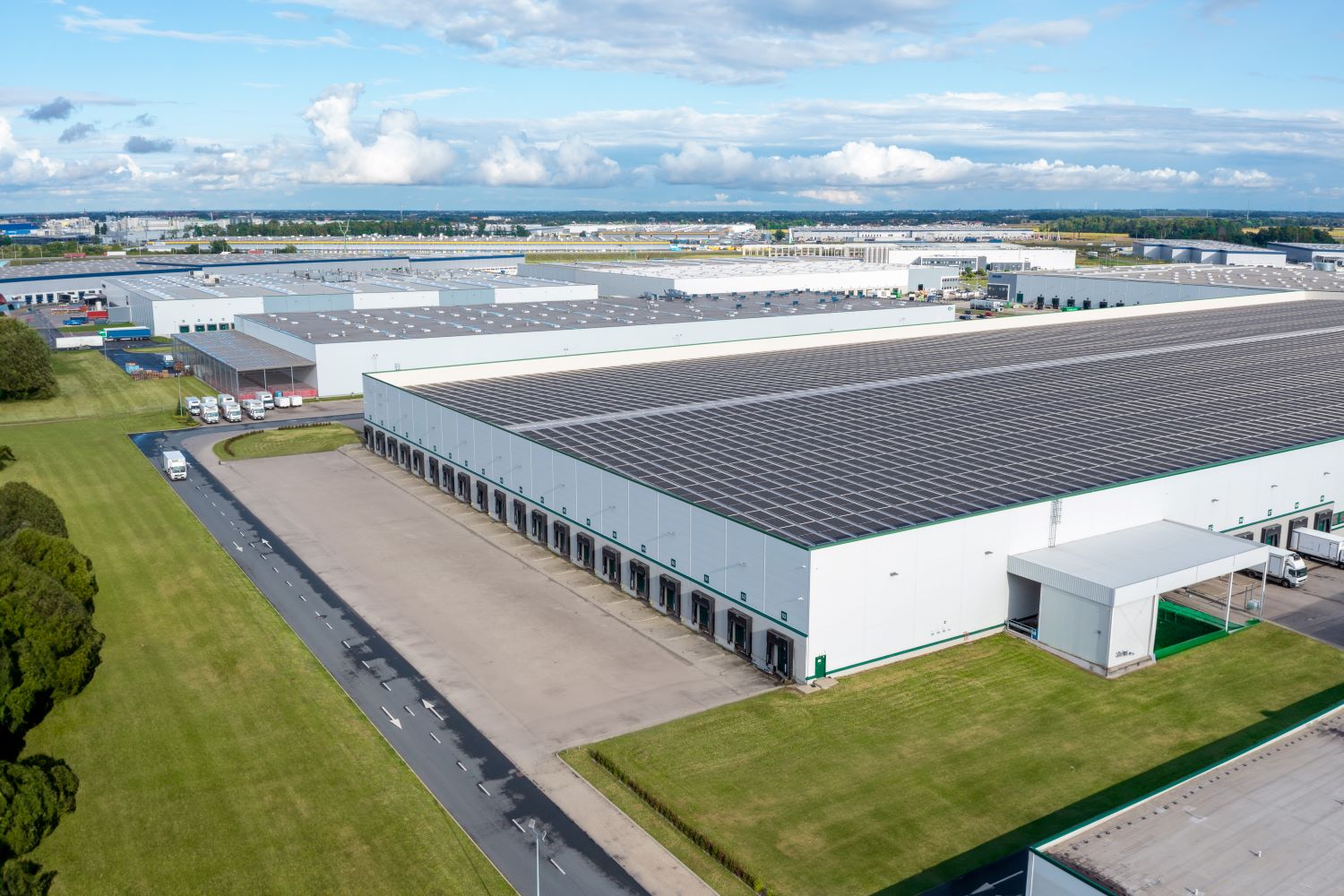
Additionally, GoodWe bets on BIPV — building-integrated photovoltaics. Thus, facades, roofs, and coverings begin generating energy. According to Rafael Carvalho, BIPV Manager, silos and warehouses can turn into solar plants. The Galaxy line uses ultra-light adhesive modules with hail-resistant glass and an estimated durability of 30 years. Therefore, the weight is five to six times lighter, reducing structural reinforcements and avoiding perforations.
Meanwhile, the Polaris line replaces the tile with male-female interlocking, ensuring water drainage. Available in Brazil for about a year, the technology is already operating in projects in Mato Grosso. Although the cost of the module is higher, installation is up to 80% faster and can reduce labor by up to 60%, accelerating the return.
Finally, the payback for solar energy varies by region. Nevertheless, the industry estimates between 4.5 and 6 years. However, when considering recurring losses due to instability, the return may drop to less than four years, concludes Mendes.







-

Uma pessoa reagiu a isso.