





 Portuguese
  English
  Spanish
  3 min of reading
  0 comments


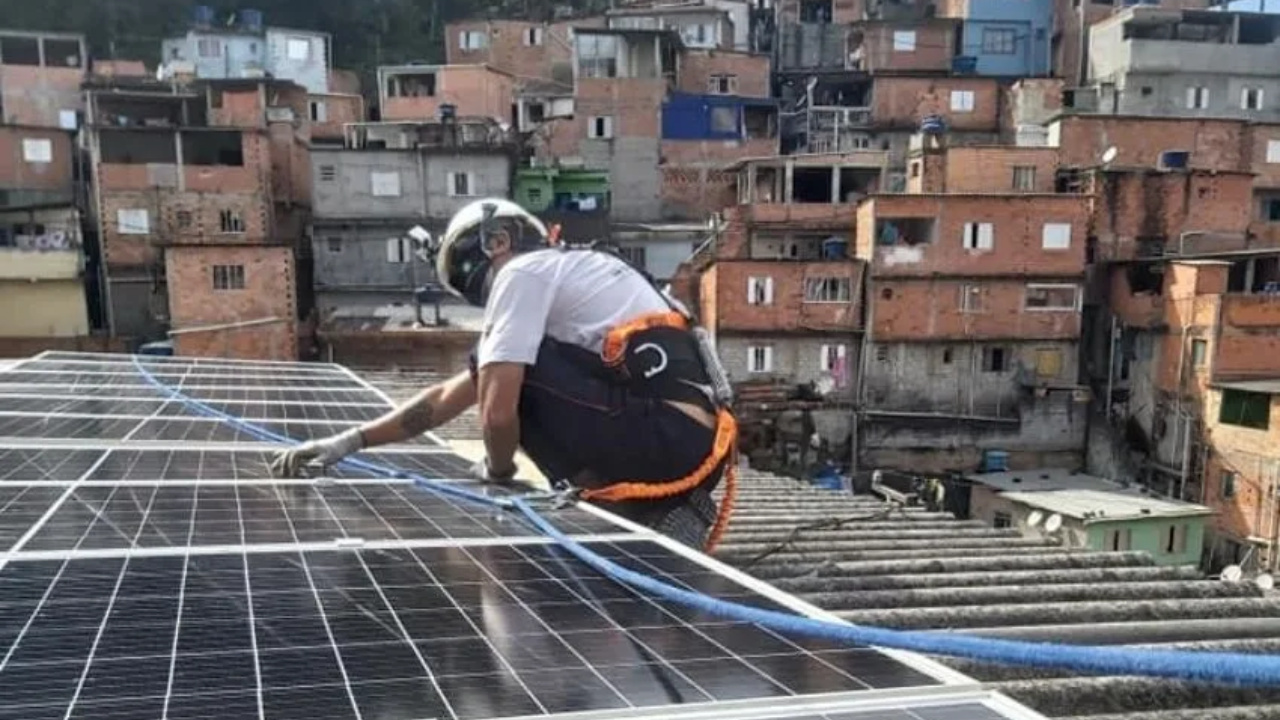
Solar Energy Grows Among Class C and Already Represents 45% of Financing Requests in 2024. Data from ABSOLAR Shows Change in Consumer Profiles and Sparks Debate on White Tariff and Costs in the Electric Sector.
Solar energy, which for many years was seen as a privilege for those with more money, is now increasingly present in Class C homes.
Data presented by the Brazilian Association of Photovoltaic Solar Energy (ABSOLAR) shows that this demographic already accounts for almost half of the financing requests to install solar panels in the country.
At the same time, this progress reignites a sensitive discussion: who is really paying the bill for this energy revolution?
-
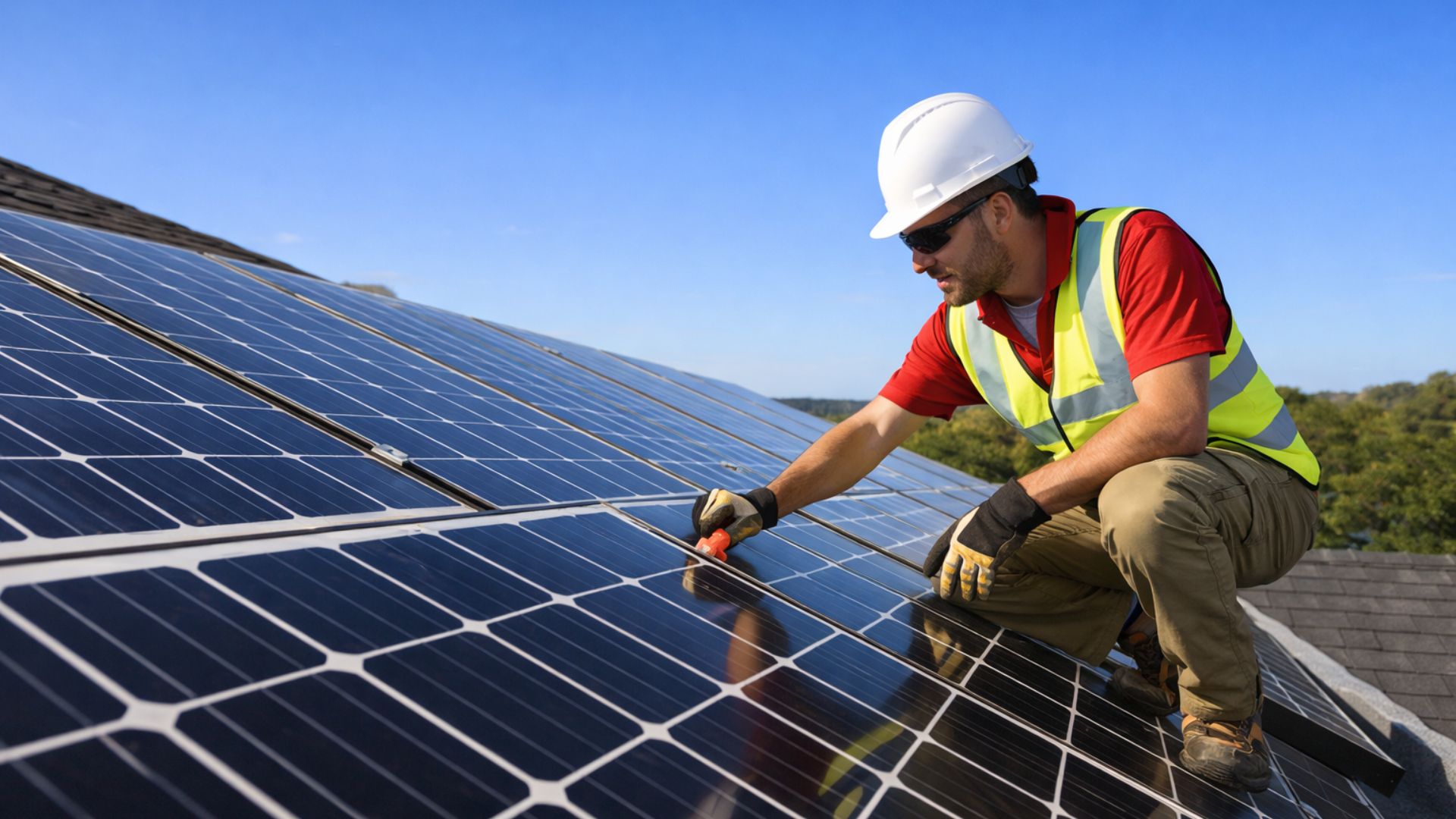
Seagri’s headquarters invests in solar energy with Neoenergia Coelba and promises to cut electricity costs, highlighting a strategic advance in sustainability and energy efficiency within state public administration.
-
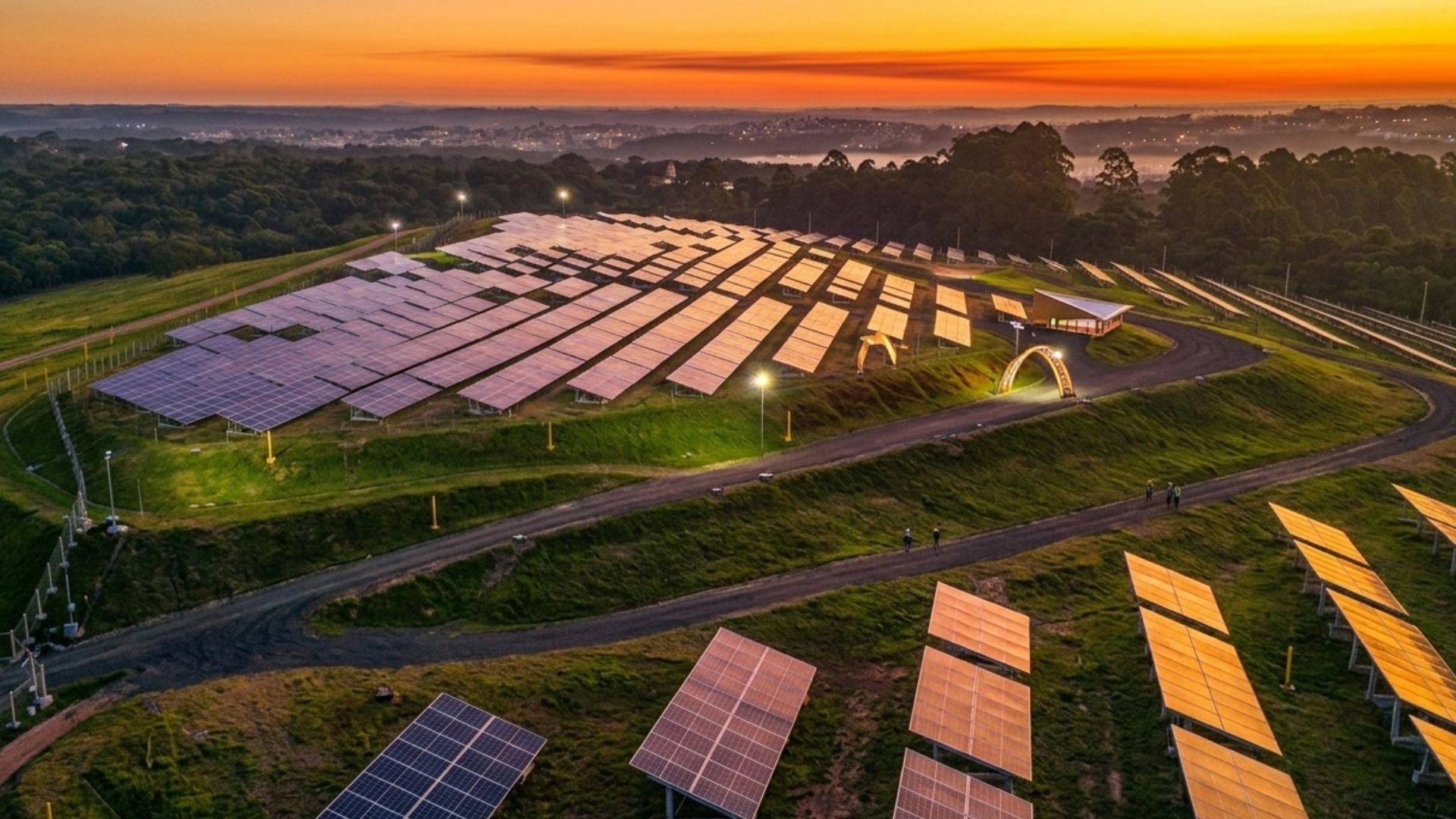
Solar Pyramid draws attention by converting solar energy into million-dollar savings and repositioning the City Hall of Curitiba as an example of innovation, sustainability, and intelligent use of public resources.
-
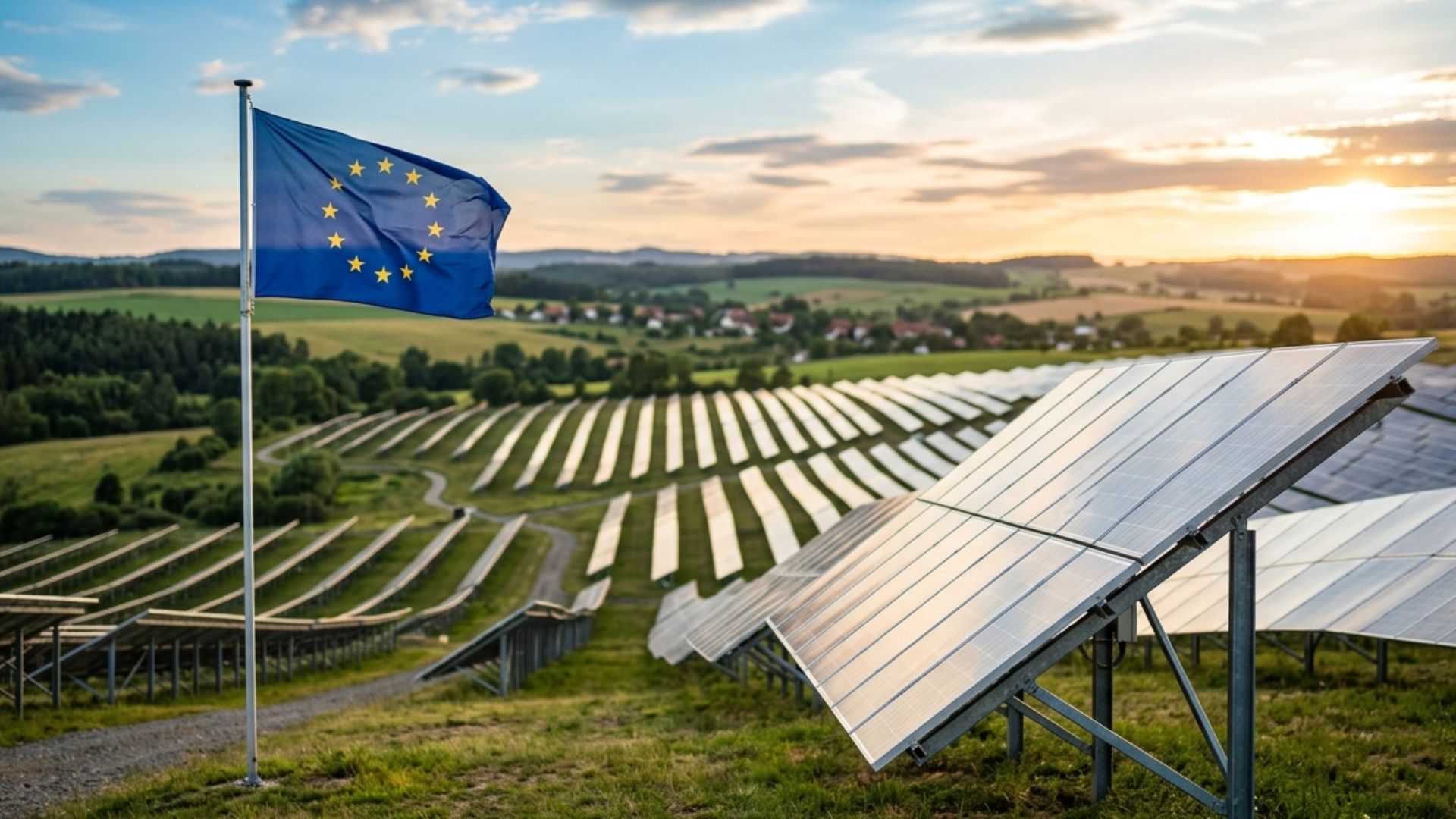
Europe records strong euro economy with solar energy in March and sparks curiosity about which country leads growth that redefines the energy market and reduces costs.
-
Piauí reaches a historic milestone in energy transition: State records nearly 160,000 households powered by solar energy and leads growth in the Northeast.
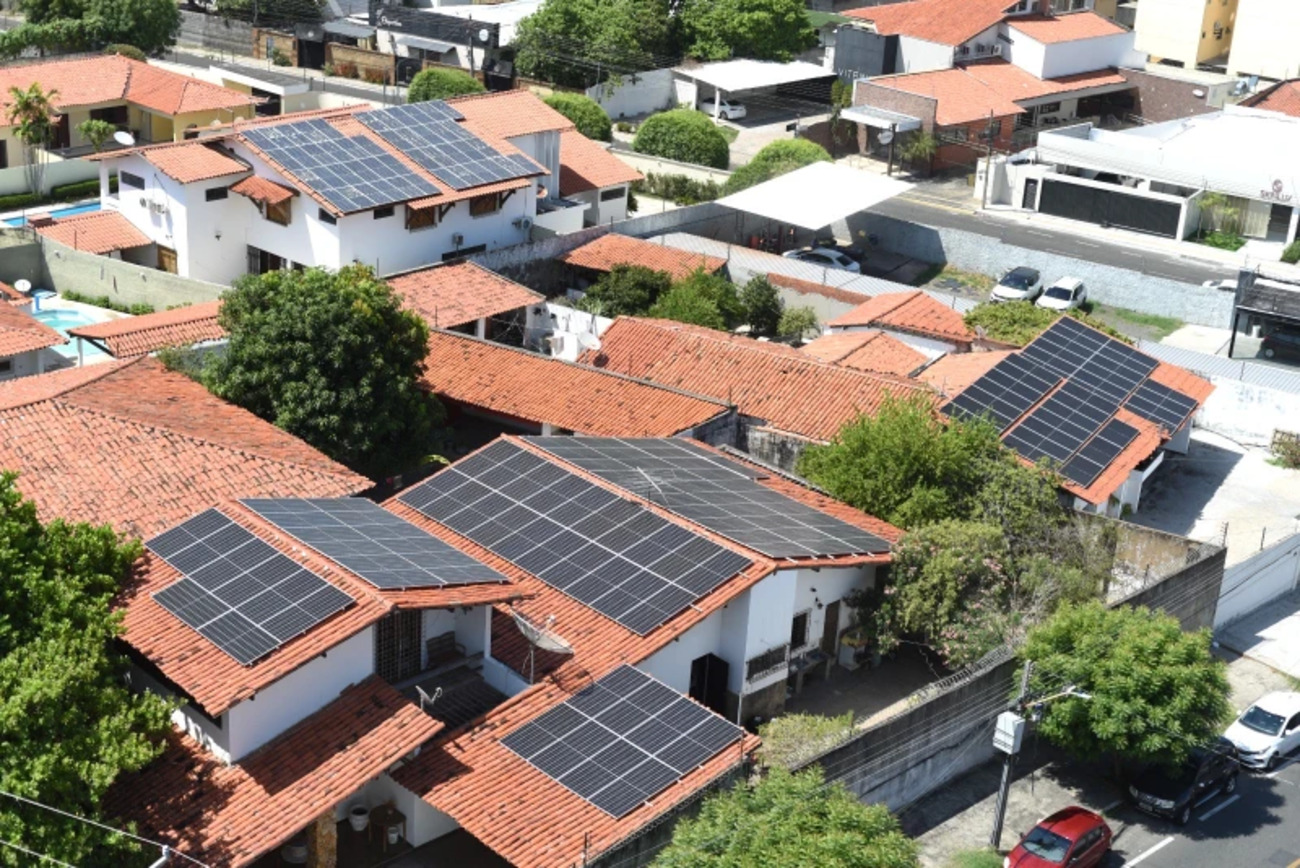

Class C Already Leads Solar Energy Financing in Brazil
According to a survey by a financial institution presented by the president of ABSOLAR, Rodrigo Sauaia, Class C accounted for 45% of financing requests for distributed solar energy generation systems in 2024.
The number indicates an improvement compared to 2023, when this same group represented 41% of requests.


Moreover, when the Classes C and D are combined, more than half of all solar energy financing in Brazil comes from families with medium to lower income.
According to Sauaia, this data dismantles an old criticism of the sector, that only wealthy consumers would have access to the technology.
For him, solar generation is no longer an exclusive product. On the contrary, it is rapidly spreading among those looking to reduce their electricity bills and escape constant price hikes.
“It’s the People” Who Are Driving the Growth of Solar Energy!
During the ANEEL workshop on white tariff, held on January 28, Sauaia compared the trajectory of solar energy to that of other technologies that started expensive and restricted, like cell phones, and later became popular.
In his view, it is precisely the common people who are driving the market today. “It’s the people” who are most seeking financing to install solar energy systems in their homes or small businesses.

This movement is happening, especially because the initial costs, although still significant, can be financed, allowing middle-income families access to monthly savings on their electricity bills.
As solar energy becomes more popular, the debate on how the white tariff works also grows, a model that charges different rates depending on consumption times.
Sauaia warned that, today, it is the utilities themselves that define these times and rates, which can create a conflict of interest.
According to him, companies may adjust the brackets to protect their revenues, even if it reduces the benefits for those investing in solar energy.
For this reason, the president of ABSOLAR advocated for ANEEL to play a more active and neutral role, using technical data from the electrical system to define these rules more fairly.
Consumers Warn: Not Everyone Benefits from Solar Energy
Despite the growth of solar energy, the president of the National Council of Electricity Consumers (CONACEN), Rosimeire Costa, issued a stern warning. For her, part of the system costs is still being paid by those who do not have solar panels.
According to Rosimeire, the electricity sector budget is closed. That is, if one group pays less, another ends up paying more. She stated that many low-income consumers continue to bear costs that help support the growth of clean energy, even without access to the technology.
She also highlighted the fact that the average consumption of Brazilians is only 156 kWh per month, which reflects an energy restriction reality for millions of families.
Do you think it’s fair that those who still do not have solar energy continue to pay part of the system costs while others reduce their own electricity bills?








-

Uma pessoa reagiu a isso.