





 Portuguese
  English
  Spanish
  5 min of reading
  0 comments


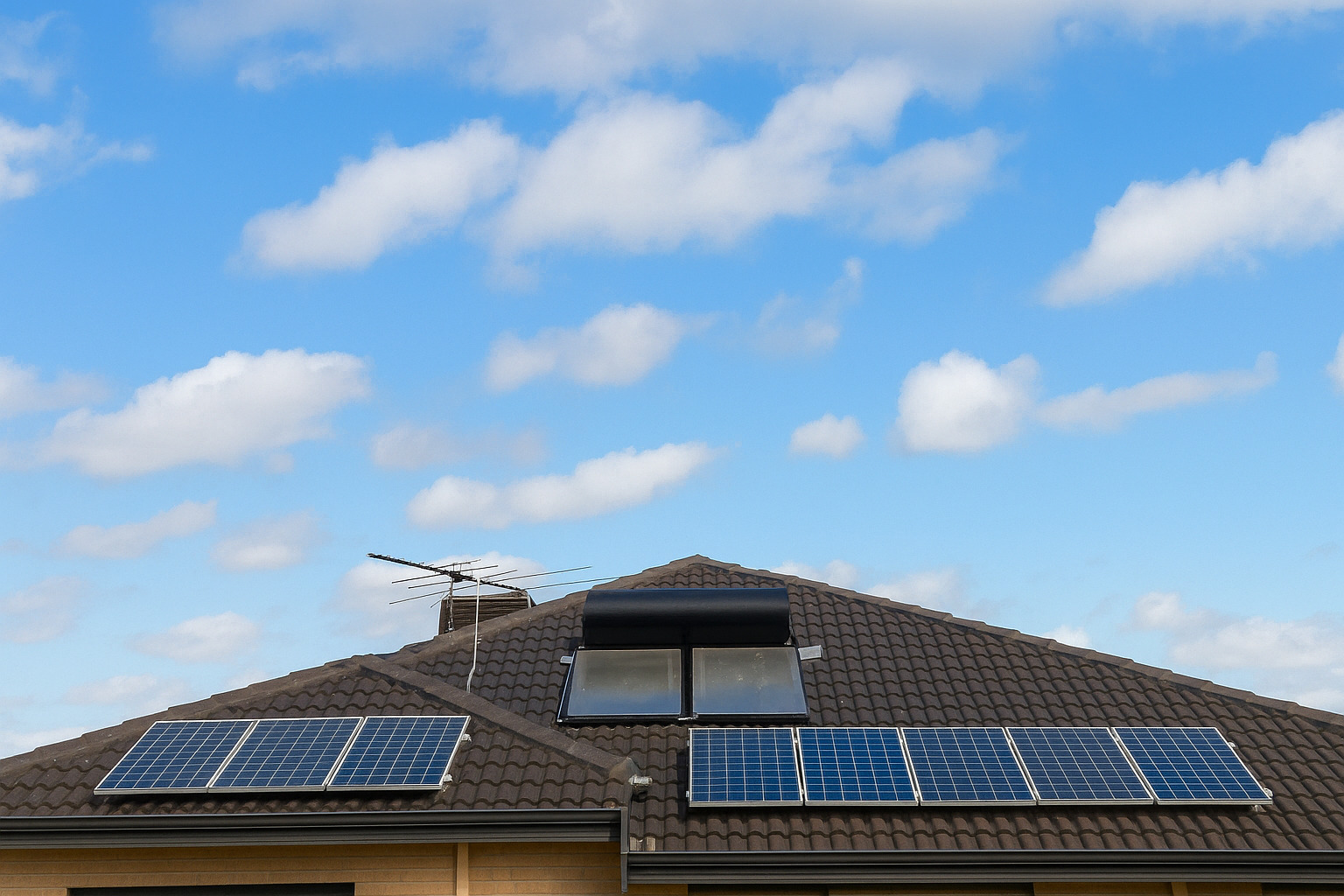
Discover How Solar Generation Protects Consumers from High Electricity Bills and Reduces the Impacts of the Red Flag in Brazil.
Solar generation protects consumers from high electricity bills in an increasingly heavy tariff scenario. When the National Electric Energy Agency (ANEEL) decides to maintain the red flag level 2, which represents the highest cost level in the tariff system, Brazilian families and businesses immediately feel the weight on their budgets.
Additionally, this increase in the electricity bill, often linked to weather conditions affecting hydroelectric reservoirs, pressures household economies and productive sectors. For this reason, solar energy is emerging as a powerful ally, capable of reducing expenses and shielding the population from tariff volatility.
History of Energy and Electricity Costs in Brazil
Since the 1990s, Brazil has faced intense discussions about energy security and fluctuating electricity prices. As hydroelectric plants have always dominated the matrix, dependence on rainfall has made the system vulnerable.
-
Seagri’s headquarters invests in solar energy with Neoenergia Coelba and promises to cut electricity costs, highlighting a strategic advance in sustainability and energy efficiency within state public administration.
-
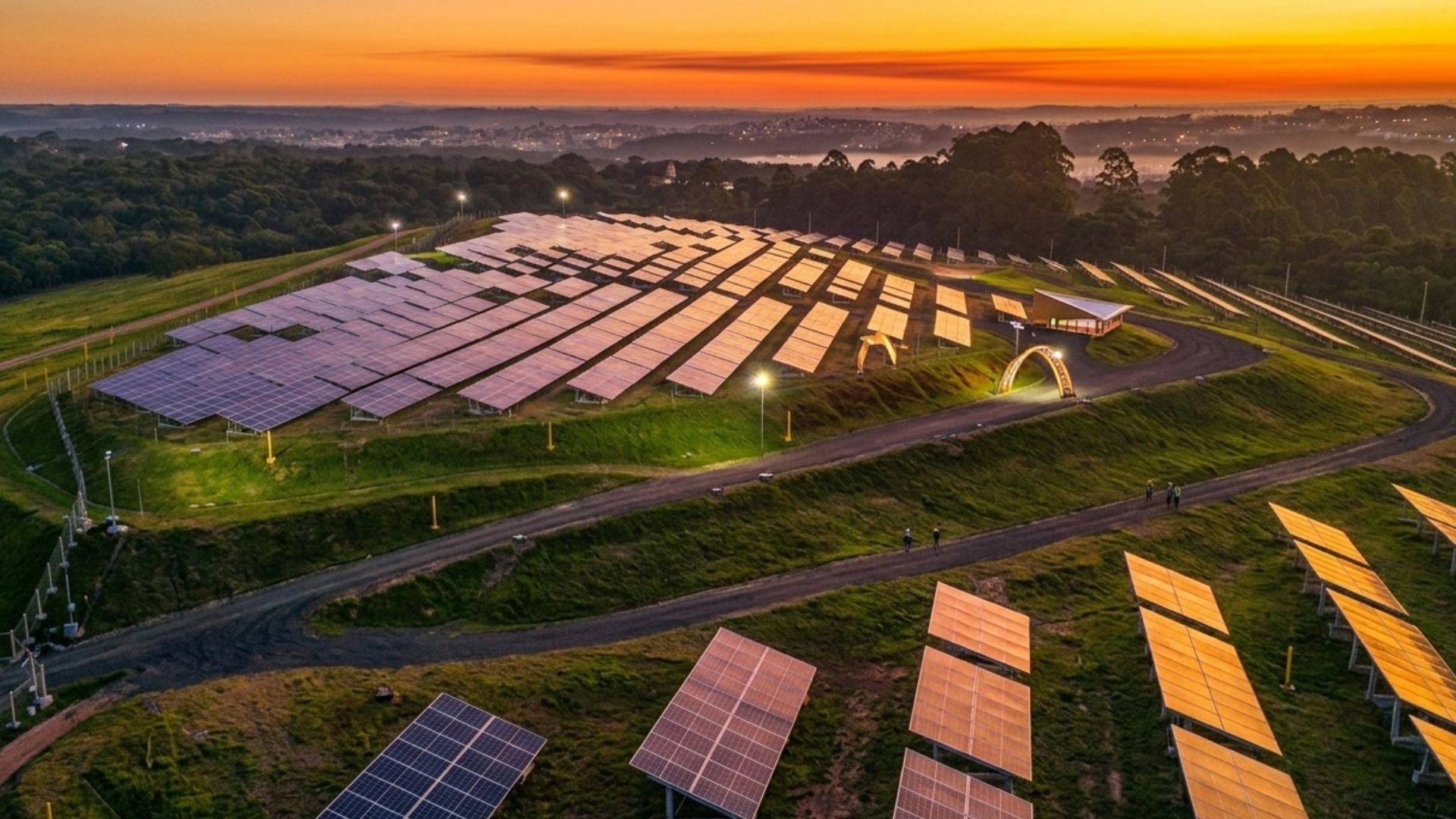
Solar Pyramid draws attention by converting solar energy into million-dollar savings and repositioning the City Hall of Curitiba as an example of innovation, sustainability, and intelligent use of public resources.
-
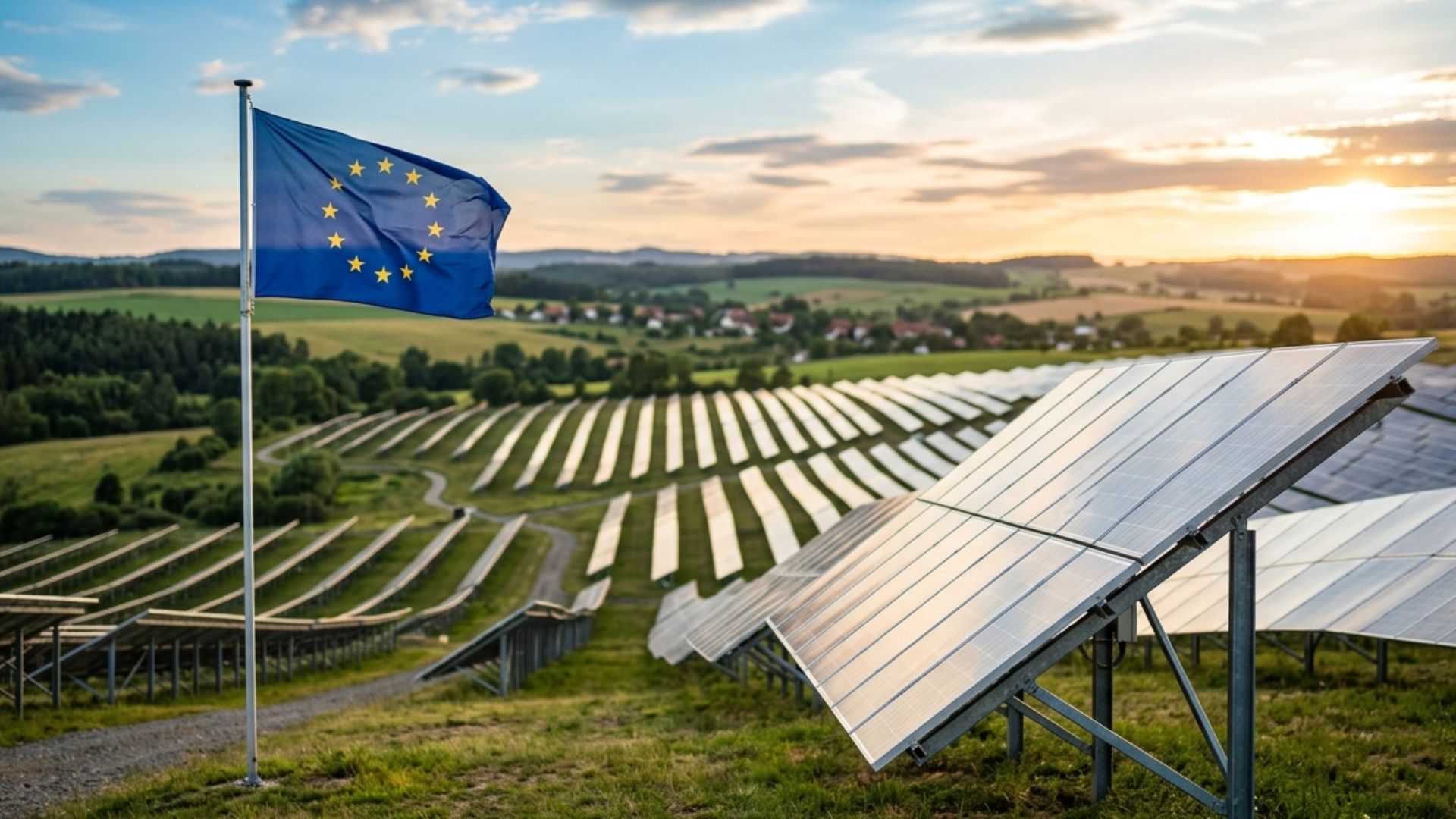
Europe records strong euro economy with solar energy in March and sparks curiosity about which country leads growth that redefines the energy market and reduces costs.
-
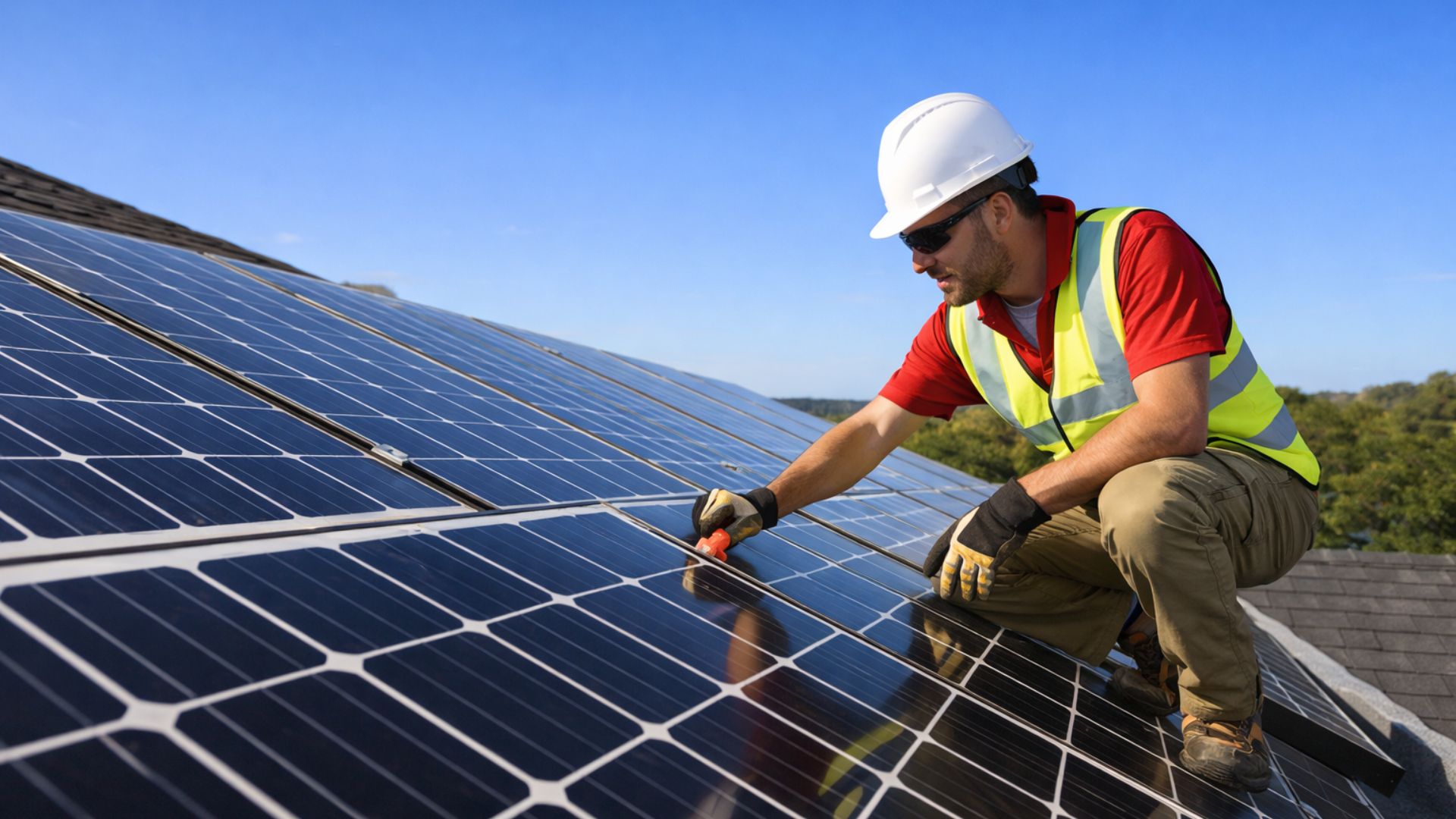
Piauí reaches a historic milestone in energy transition: State records nearly 160,000 households powered by solar energy and leads growth in the Northeast.

Thus, when reservoirs are low, the country needs to activate thermal plants, which use fossil fuels and increase tariffs.
It was precisely in this context that the government created tariff flags in 2015 to indicate additional energy production costs to consumers.
In this sense, the green flag means zero extra cost, while the yellow and red flags indicate additional charges on the electricity bill.
However, the red flag carries a significant weight, putting even more pressure on family budgets. Therefore, distributed solar generation presents itself as a stable and predictable alternative.
Solar Energy and Consumer Protection
According to the Brazilian Association of Photovoltaic Solar Energy (ABSOLAR), the demand for solar systems increases whenever electricity costs skyrocket. Thus, since July, when the red flag took effect, thousands of Brazilians decided to invest in their own generation.
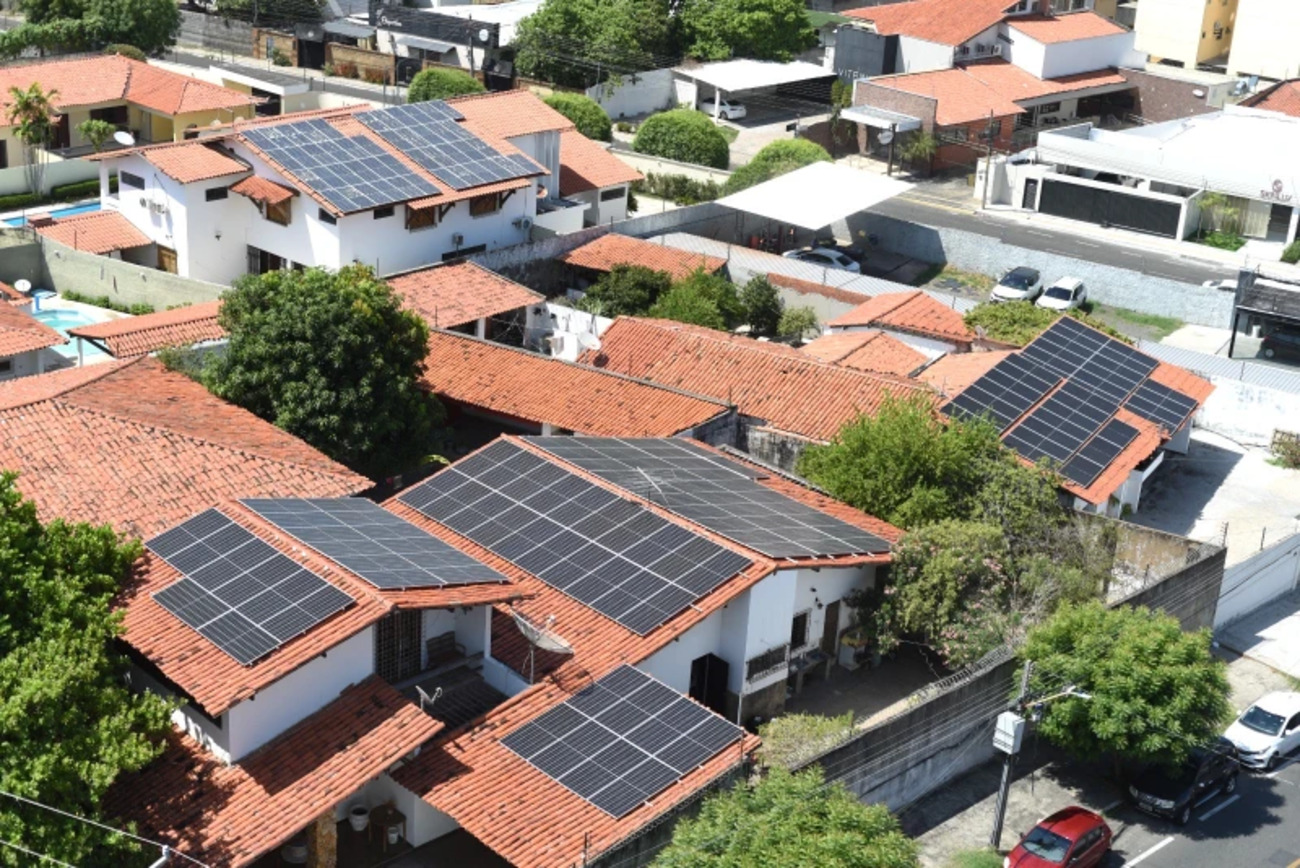
Between July and mid-August, 115,000 new consumer units began using solar systems on roofs and land.
Furthermore, during this period, the installation of 64,000 systems generated more than 19,000 green jobs. These numbers show, therefore, that solar energy not only lightens the wallet but also boosts the economy.
The projection from Volt Robotics reinforces this impact. According to a study, by 2031, distributed generation will provide a net savings of over R$ 84.9 billion in Brazilians’ electricity bills.
This includes both those with solar systems and those without. After all, decentralization reduces losses in the grid and helps maintain a more efficient electrical system.
Moreover, the development of solar generation stimulates the emergence of new companies and specialized professionals. This contributes to the growth of a clean technology sector, generating innovation and training in various regions of the country.
Economic and Social Impacts of Solar Generation
The growth of solar energy is not limited to the immediate relief of electricity bills. On the contrary, it creates a cycle of social, environmental, and economic benefits.
Thus, Brazil already totals 42 GW of installed capacity in self-generation, attracting over R$ 191 billion in investments since 2012 and generating 1.2 million green jobs.
According to Ronaldo Koloszuk, president of the Board of Directors of ABSOLAR, this progress reflects the high potential of solar sources in Brazil coupled with popular support.
Additionally, he believes that the combination of solar energy with batteries will provide even more savings and autonomy to consumers, strengthening the energy transition.
On the same note, Rodrigo Sauaia, CEO of ABSOLAR, emphasizes that solar energy strengthens sustainability and improves the competitiveness of productive sectors.
At the same time, it brings generation closer to consumption points, which reduces losses over long distances and alleviates pressure on transmission infrastructure.
In addition to the economic impacts, solar generation promotes direct social benefits by improving access to energy in more remote regions and providing job opportunities in areas with less industrial infrastructure.
Solar Energy as Part of the Energy Transition
Brazil is experiencing a turning point in how it produces and consumes energy. Therefore, renewable sources, particularly solar and wind, are taking on a central role in a strategy aimed at reducing dependence on hydroelectric and thermal plants.
Thus, solar energy not only protects consumers from high electricity bills but also contributes to the decarbonization of the electrical matrix.
As a result, by gradually replacing generation from fossil fuels, the country reduces its greenhouse gas emissions and advances in meeting global environmental targets.
Another important point is that the use of clean energy strengthens Brazil’s image on the international stage.
Therefore, the country demonstrates its ability to attract sustainable investments and develop cutting-edge technologies.
In this sense, it positions itself in a strategic position in the global race for energy transition.
Moreover, the growth of solar generation stimulates education and technical training programs, encouraging young people to specialize in renewable energy fields. This creates a qualified workforce, essential for maintaining the country’s competitiveness in the sector.
Future of Solar Energy in Brazil
The future of solar generation in Brazil looks promising. After all, each year, the cost of photovoltaic technology decreases, allowing more families and businesses to adopt the solution.
Additionally, new lines of financing and incentives help popularize solar systems.
According to ABSOLAR, the combination of solar energy with battery storage will further enhance economic and social gains.
Thus, with energy autonomy, consumers become less dependent on tariff fluctuations and on the activation of thermal plants during dry periods.
In the long term, this evolution should make Brazil a benchmark in clean energy.
After all, the combination of abundant sunshine, accessible technology, and favorable public policies creates a unique environment to consolidate national leadership in this sector.
Moreover, the integration of solar energy with other renewable sources and digital technologies allows for better demand management and offers more reliable electricity, further strengthening the national electrical system.
Solar generation protects consumers from high electricity bills and acts as a shield against the impacts of the red flag.
In addition to reducing costs, this energy source stimulates job creation, attracts investments, and strengthens the energy transition in Brazil.
Therefore, with a history of resilience and innovation, the country has all the conditions to transform solar energy into a pillar of its electrical matrix.
By investing in this source, the consumer not only saves but also participates in a collective movement that builds a more sustainable and accessible future for all.










Seja o primeiro a reagir!