





 Portuguese
  English
  Spanish
 5 min of reading
  0 comments


Solar Power Plant in Cotia Starts Operating in Municipal Public Building
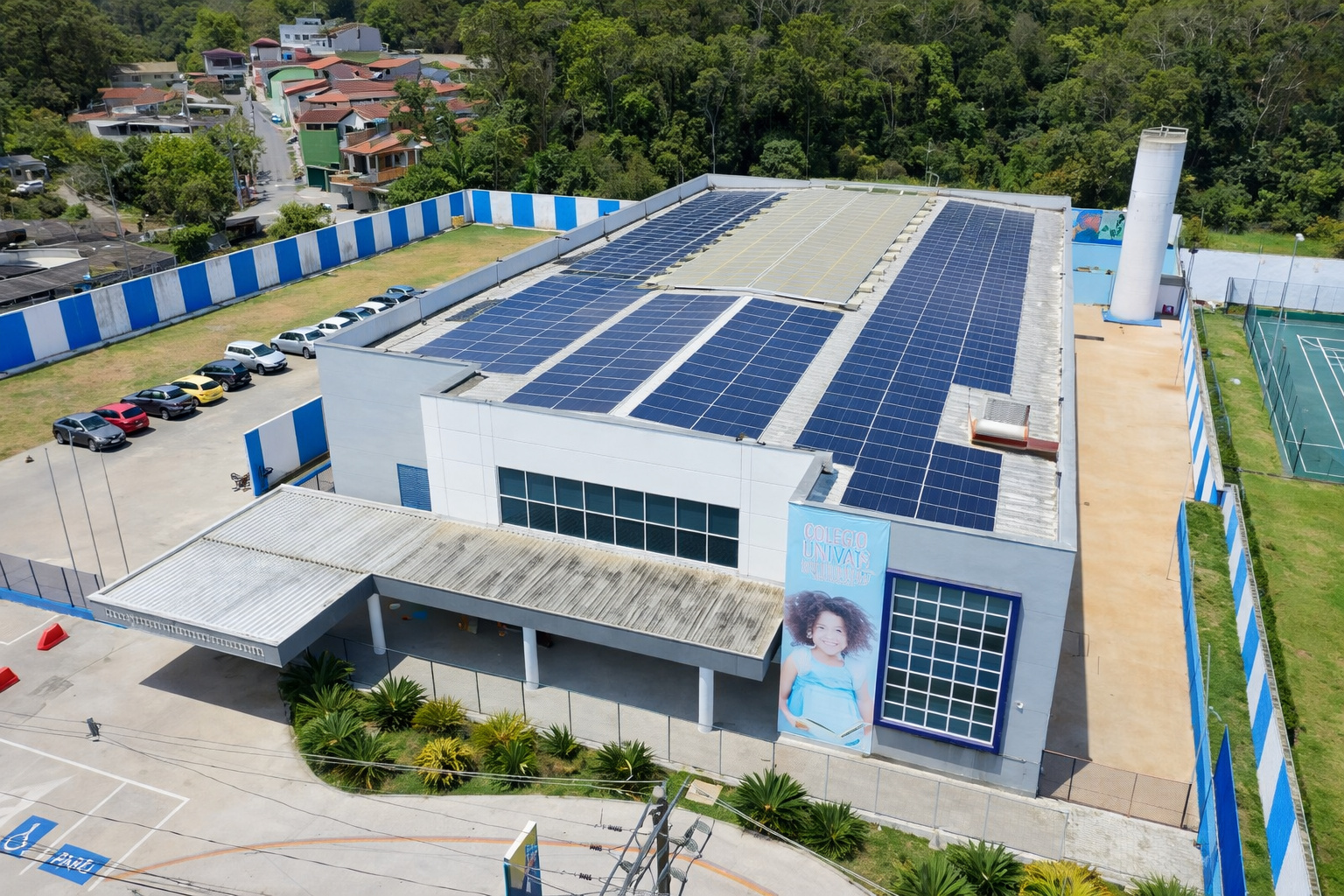
The solar power plant in Cotia began operations after the city hall inaugurated the first photovoltaic generation system installed in a municipal public facility. This initiative marks a step forward in the municipality’s energy policy and paves the way for reducing electricity costs in public administration.
At the project’s inception, the municipal administration emphasized that the plant would directly supply the building where it is installed, ensuring self-generation of clean energy. In this way, Cotia is taking the first practical steps towards adopting renewable sources in the public sector.
Project Integrates Cost Reduction Strategy for Energy
The implementation of the solar power plant in Cotia is part of a broader strategy by the city hall to reduce recurring expenses related to electricity bills. In recent years, rising electricity tariffs have pressured municipal budgets across the country.
-
Seagri’s headquarters invests in solar energy with Neoenergia Coelba and promises to cut electricity costs, highlighting a strategic advance in sustainability and energy efficiency within state public administration.
-
Solar Pyramid draws attention by converting solar energy into million-dollar savings and repositioning the City Hall of Curitiba as an example of innovation, sustainability, and intelligent use of public resources.
-
Europe records strong euro economy with solar energy in March and sparks curiosity about which country leads growth that redefines the energy market and reduces costs.

-
Piauí reaches a historic milestone in energy transition: State records nearly 160,000 households powered by solar energy and leads growth in the Northeast.
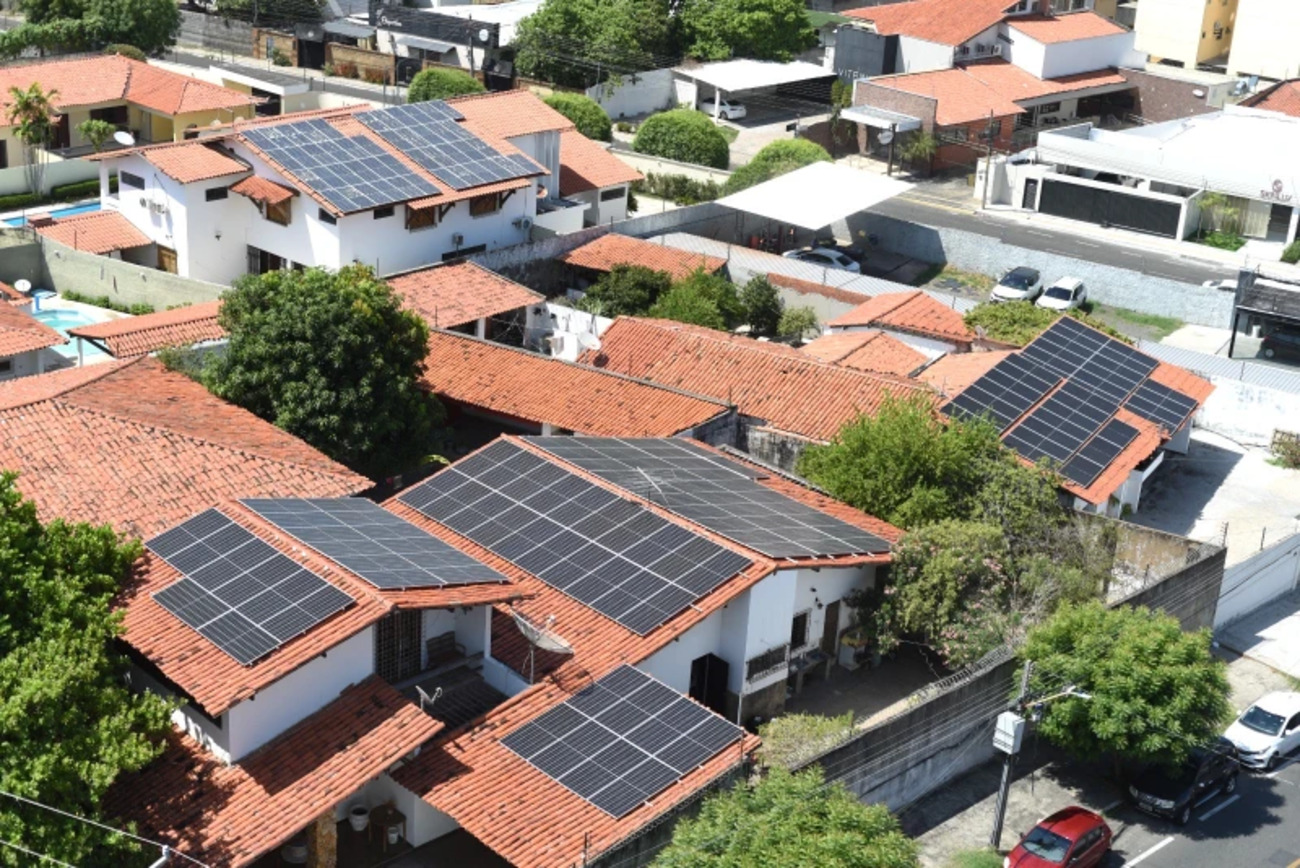

In this context, self-generation emerges as an alternative to ensure financial predictability. Furthermore, by producing energy at the consumption site, the municipality decreases its dependence on the conventional power grid.
Photovoltaic System Serves Strategic Public Facility
The solar power plant in Cotia was installed in a public facility considered strategic for the city. The system uses photovoltaic panels capable of converting solar radiation into electricity throughout the day.
This way, the generated energy directly supplies the activities of the building, reducing grid consumption. Simultaneously, the model allows for real-time monitoring of energy production, facilitating control and management of the system.
Solar Energy Gains Space in Municipal Administration
In recent years, solar energy has gained traction in public projects in Brazil. Cotia follows this trend by investing in a photovoltaic plant aimed at serving the public sector.
Therefore, the solar power plant in Cotia represents more than just a standalone project. It signals a change in the municipal administration’s approach to energy consumption and sustainability.
Cost Reduction Can Generate Savings Over the Years
With the plant now operational, the city hall expects to significantly reduce electricity expenses for the building supplied by the plant. Thus, the saved resources can be redirected to other priority areas.
Furthermore, the predictability of energy costs facilitates budget planning. As a result, the municipality can project medium and long-term expenses with greater security.
Energy Crisis Reinforces Importance of Self-Generation
The inauguration of the solar power plant in Cotia occurs at a time when the Brazilian electric sector faces challenges. Periods of drought, high tariff flags, and increased demand pressure both public and private consumers.
In this scenario, self-generation becomes a strategic solution. At the same time, solar energy relies on an abundant source in the region, which enhances the project’s viability.
Solar Energy Offers Stability and Predictability
Unlike traditional sources, solar energy presents lower operational costs after the installation of systems. Therefore, the solar power plant in Cotia concentrates its expenses mainly on preventive maintenance and monitoring.
Thus, the municipality reduces exposure to tariff adjustments and market fluctuations. This way, the administration gains more control over its fixed expenses.
Sustainability Enters the Center of Public Decisions
In addition to the financial impact, the project reinforces the municipality’s environmental commitment. The generation of solar energy contributes to the reduction of greenhouse gas emissions associated with electricity consumption.
In this context, the solar power plant in Cotia aligns with sustainability policies adopted by cities that seek to balance urban growth and environmental preservation.
Use of Public Areas Facilitates Implementation
The city hall used the existing public facility structure to install the photovoltaic panels. This choice reduces costs related to land acquisition and accelerates project implementation.
At the same time, utilizing already-existing areas avoids additional impacts on urban space. Thus, the municipality optimizes resources and gains efficiency in project execution.
Technology Enables Continuous Monitoring of Generation
The system installed at the solar power plant in Cotia features monitoring technology that tracks production in real-time. This way, technicians can assess panel performance and quickly identify any need for adjustments.
Furthermore, continuous monitoring ensures a longer lifespan for equipment and maximizes generation throughout the year.
Project Can Serve as a Model for Other Units
With the inauguration of the first plant, the city hall is considering expanding the model to other public facilities. Schools, health units, sports centers, and administrative buildings emerge as potential beneficiaries.
In this sense, the solar power plant in Cotia functions as a pilot project. The practical experience helps to inform future decisions about new investments in clean energy.
Solar Energy Strengthens Public Services
Self-generated energy directly impacts the quality of services offered to the population. Public buildings now operate with greater energy security, reducing the risks of supply interruptions.
In this way, the solar power plant in Cotia contributes to the continuous operation of essential services, benefiting both officials and citizens.
Lighting and Equipment Gain Efficiency
With part of the energy supplied by the plant, electrical equipment and lighting systems now operate at lower costs. In addition, the combination of solar energy and efficient technologies enhances energy gains.
Thus, the project goes beyond electricity generation and connects to a broader energy efficiency strategy.
Initiative Follows National Trend
Municipalities from different regions in Brazil are investing in solar energy as a means to reduce expenses and meet environmental goals. Cotia is part of this movement by inaugurating its first plant in a public facility.
Therefore, the solar power plant in Cotia reflects a growing trend in the public sector, driven by technological advances and declining costs of photovoltaic systems.
Economic Impact Can Extend Beyond the City Hall
In addition to direct savings for the municipality, solar energy projects stimulate the local market. The installation and maintenance of systems generate demand for technical services and specialized labor.
In this context, the solar power plant in Cotia also contributes to the strengthening of the renewable energy sector in the region.
Environmental Education Gains Space
The adoption of solar energy opens the door for environmental education actions. Schools and community projects can use the plant as a practical example of sustainability and innovation.
In this way, the initiative helps to raise awareness among the population about the responsible use of energy and the importance of renewable sources.
Long-Term Planning Guides the Project
The decision to invest in solar energy is part of the municipal administration’s long-term planning. The objective involves reducing structural costs and preparing the city for future challenges related to energy.
On the other hand, the administration emphasizes the importance of proper maintenance and continuous technical monitoring to guarantee system performance.
Solar Power Plant in Cotia Marks a New Moment in Local Energy Policy
With the inauguration of the project, the solar power plant in Cotia establishes itself as a milestone in the municipality’s energy policy. The initiative combines public spending reduction, clean energy use, and urban infrastructure strengthening.
As electricity costs continue to pressure public budgets, solutions based on self-generation gain prominence. In this way, Cotia advances in the energy transition and builds a more efficient and sustainable model for the future.











Seja o primeiro a reagir!