





 Portuguese
  English
  Spanish
  5 min of reading
  0 comments


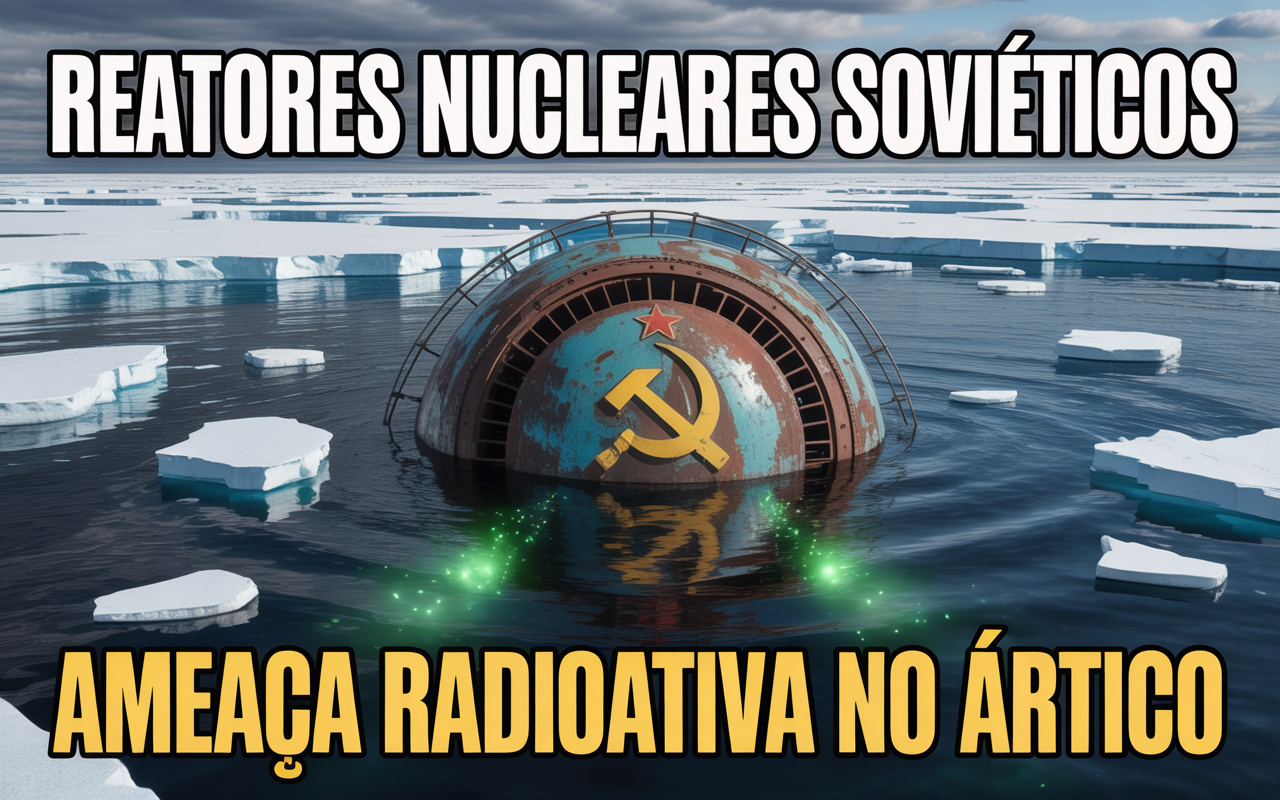
During The Cold War, The Soviet Union Sunk Nuclear Reactors In The Arctic; The Melting Ice Now Threatens To Release Radiation In One Of The Most Sensitive Oceans On The Planet.
For Decades, The Frozen Bottom Of The Arctic Was Treated As A “Natural Vault” To Hide One Of The Most Delicate Chapters Of The 20th Century Nuclear Race. Between The 1950s And 1980s, The Soviet Union Deliberately Sank Nuclear Reactors, Entire Submarines, And Tons Of Radioactive Waste In The Northern Seas, Mainly In The Kara Sea, A Strategic Region For The Soviet Military Fleet. At The Time, The Logic Was Simple: Deep Waters, Permanent Ice, And Distance From Large Human Populations Would Make The Problem Invisible For Generations.
What Has Changed Is The Climate. With The Accelerated Melting Of The Arctic, Scientists Have Begun To Revisit These Disposal Sites And Found That Containers Previously Considered Stable Are Deteriorating Faster Than Expected. The Risk, Now, Is No Longer Theoretical.
The Soviet Nuclear Disposal In The Arctic During The Cold War
Documents Released After The Collapse Of The USSR Revealed That Disposal Was Not Limited To Barrels Of Radioactive Waste. According To Surveys Recognized By The International Atomic Energy Agency (IAEA) And Norwegian Authorities, At Least 17 Nuclear Reactors Were Sunk In The Arctic, Some Still Containing Nuclear Fuel.
-
The Argentine government celebrates the lowest poverty rate in 7 years, but experts warn that the methodology has changed, real wages have fallen, unemployment has risen, and the number of people on the streets of Buenos Aires has increased by 57% since Milei took office.

-
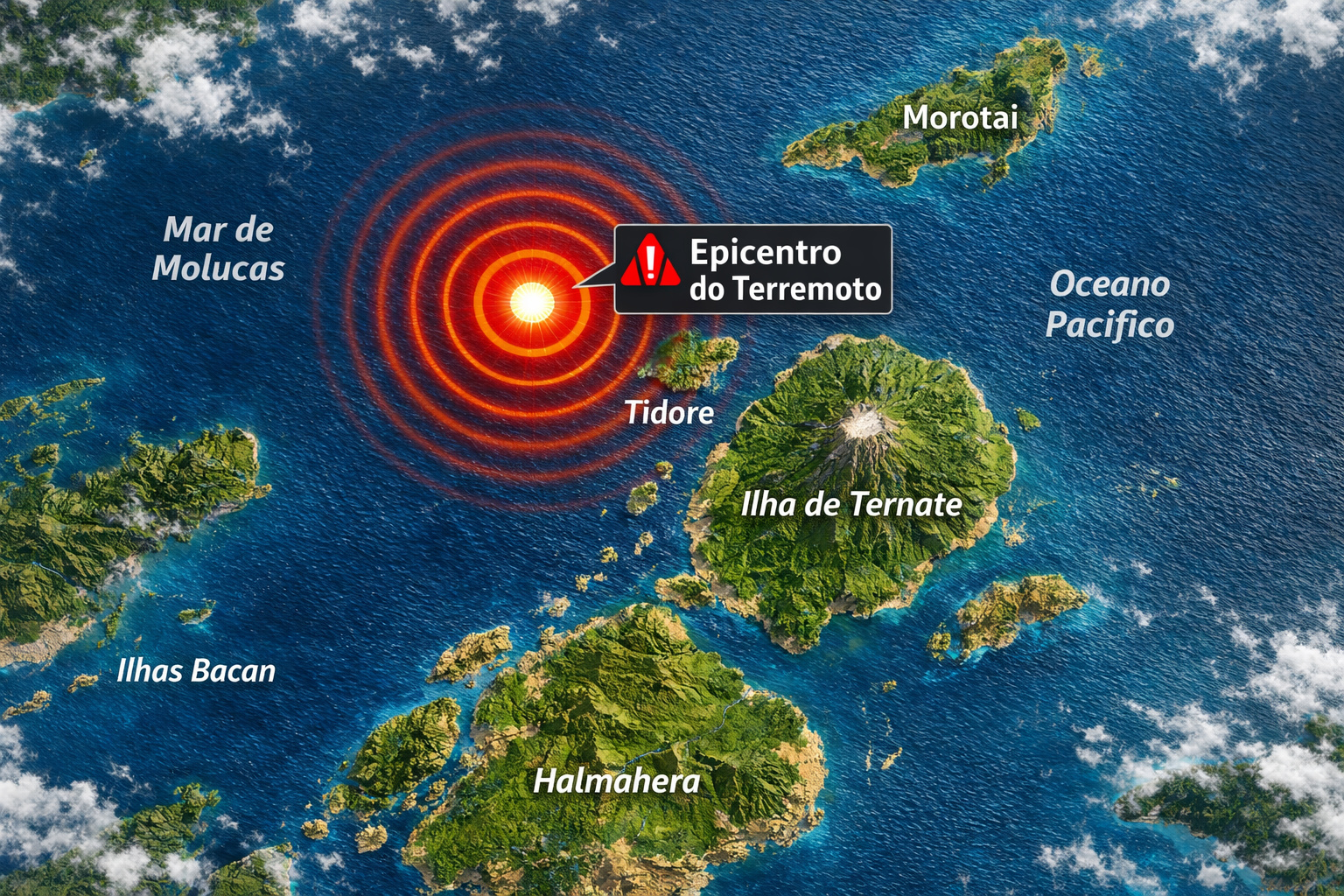
7.8 magnitude earthquake in Indonesia frightens the population, triggers tsunami alert, and hits an island with over 200,000 inhabitants this Thursday.
-
Google will finally let you change that embarrassing Gmail address you created in your teenage years without losing any accounts, logins, or old emails: the feature is already available in the United States.

-
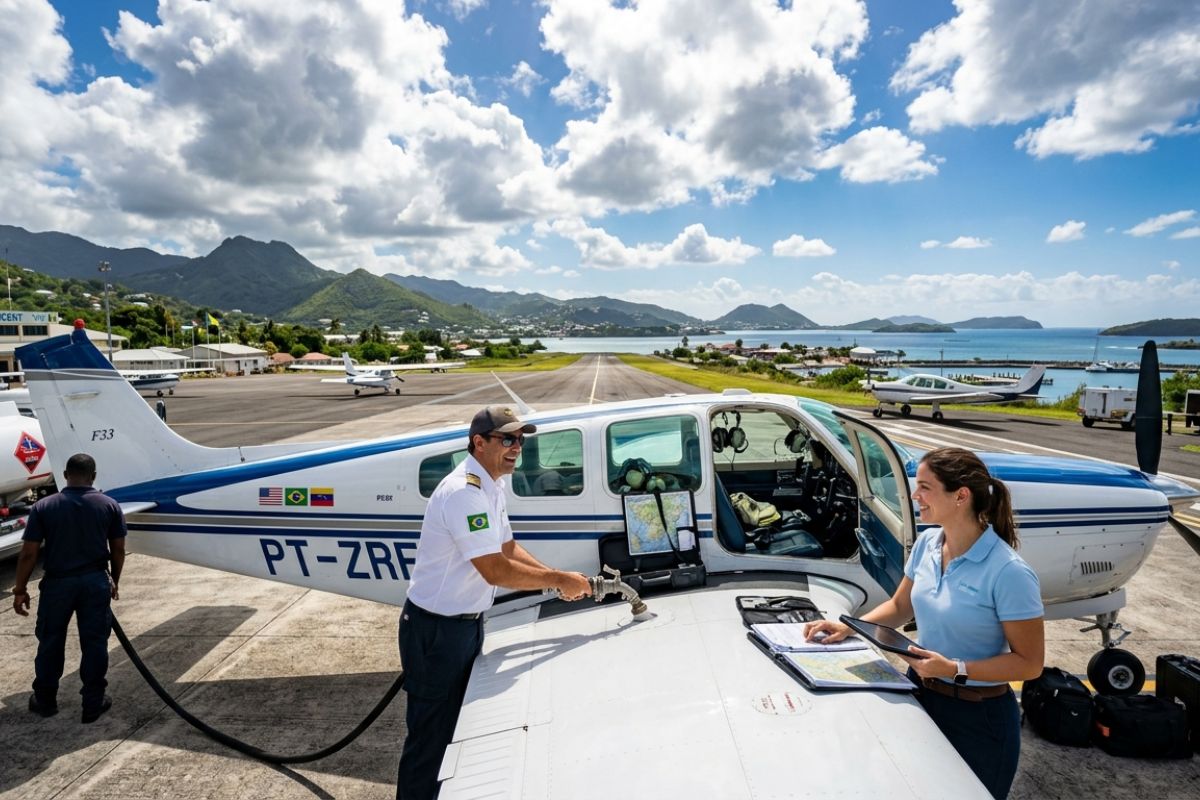
Heading to Brazil in a Bonanza F33 single-engine aircraft: a couple departs from Florida on a visual flight, makes technical stops in the Caribbean to refuel and organize paperwork, and begins the staged crossing until they reach the country.


In Addition To Isolated Reactors, Entire Nuclear Submarines, Sections Of Vessels, And Thousands Of Containers With Liquid And Solid Radioactive Waste Were Thrown Into The Sea. The Kara Sea Became The Main “Nuclear Cemetery,” Chosen For Being Isolated, Deep, And Covered By Ice For Most Of The Year.
In The Military Logic Of The Time, Submarine Disposal Seemed Safer Than Keeping Waste On Solid Ground, Where Accidents Or Espionage Could Expose Strategic Secrets.
Why The Kara Sea Became A Nuclear Depot
The Kara Sea Lies Between The Northern Coast Of Siberia And Russian Arctic Archipelagos. During The Cold War, It Was Practically Isolated From International Traffic And Protected By Thick Ice. The Soviet Union Believed That The Low Water Circulation Would Reduce The Dispersion Of Contaminants.
This Decision Is Now Seen As A Serious Mistake. Subsequent Studies Showed That Ocean Currents Connect The Kara Sea To The Arctic Ocean And, Indirectly, To The North Atlantic, Creating Potential Routes For The Transport Of Radioactive Particles.
Arctic Melting Reignites Scientific Alert
The Turning Point Came In The Last Two Decades. The Arctic Is Warming About Three To Four Times Faster Than The Global Average, Drastically Reducing Sea Ice Coverage. This Exposes Disposal Sites To Conditions For Which They Were Never Designed.
With Less Ice, There Is More Dissolved Oxygen In The Water And Greater Movement Of Currents, Factors That Accelerate The Corrosion Of Metal Hulls And Containment Vessels. Research Conducted By Norwegian And Russian Institutes Confirms That Some Of These Materials Already Show Advanced Signs Of Degradation.
The Central Fear Is That, With Structural Collapse, Radioactive Elements Such As Cesium-137, Strontium-90, And Plutonium Are Gradually Released Into The Marine Environment.
What Has Been Found By Scientists
Scientific Missions Conducted With Submersible Vehicles And Radiation Sensors Detected Locally Elevated Levels Of Radioactivity Near Some Of The Disposal Sites. Although These Values Are Still Below Limits Considered Critical On A Large Scale, Experts Warn That The Risk Is Cumulative And Long-Term.
The Problem Is Not An Explosive Leak, But A Slow And Continuous Release, Capable Of Entering The Marine Food Chain. Fish, Crustaceans, And Arctic Mammals May Bioaccumulate Radionuclides, Affecting Fragile Ecosystems And Human Populations That Depend On These Resources.
Potential Impact On The Ocean And Fishing
The Arctic Is Not An Isolated Ocean. It Influences Global Maritime And Climatic Circulation Systems. Persistent Contamination Can Spread To Fishing Areas In The North Atlantic, Affecting Economies And Food Security.
Countries Such As Norway, Iceland, And Even More Distant Nations Are Closely Monitoring The Issue. The Concern Is Not Only Environmental, But Also Economic And Geopolitical. A Serious Incident Could Generate International Disputes Over Historical Responsibility And Mitigation Costs.
Historical Responsibility And Political Stalemate
Although Russia Officially Acknowledges The Existence Of The Disposals, There Is No Robust International Program For The Removal Or Neutralization Of These Sunken Reactors. The Technical Complexity Is Enormous: Removing Radioactive Structures From Deep Waters In An Arctic Environment Involves High Risks And Billion-Dollar Costs.
Moreover, There Is A Political Stalemate. The Disposals Occurred Under A State That No Longer Exists, But The Waste Remains The Responsibility Of Modern Russia. International Cooperation Advances Slowly, Limited By Geopolitical Tensions And Sanctions.
Why Has This Problem Been Hidden For So Long
For Decades, The Topic Was Classified As A State Secret. Even After The Cold War, There Was A Lack Of Technological Resources And Political Interest To Deeply Investigate The Arctic Floor. Only Recently, With Advances In Submersible Sensors, Robotics, And Climate Urgency, The Topic Has Returned To The Center Of Scientific Debate.
Today, What Was Once Treated As “Frozen Waste In Time” Is Now Seen As An Active Nuclear Legacy, Threatened By A Warming Planet.
A Nuclear Legacy That Ice Can No Longer Hide
The Story Of The Nuclear Reactors Sunk By The Soviet Union Shows How Decisions Made Under Military Logic Can Generate Environmental Consequences For Centuries. The Melting Of The Arctic Did Not Create The Problem, But It Has Removed The Veil That Hid It.
The Greatest Risk Is Not Only In What Has Already Leaked, But In What May Still Happen As Corroded Structures Cross A Point Of No Return. The Bottom Of The Arctic, Once Silent, Begins To Tell A Story That Ice Has Kept Buried For Almost Half A Century.









-

3 pessoas reagiram a isso.