





 Portuguese
  English
  Spanish
  3 min of reading
  0 comments


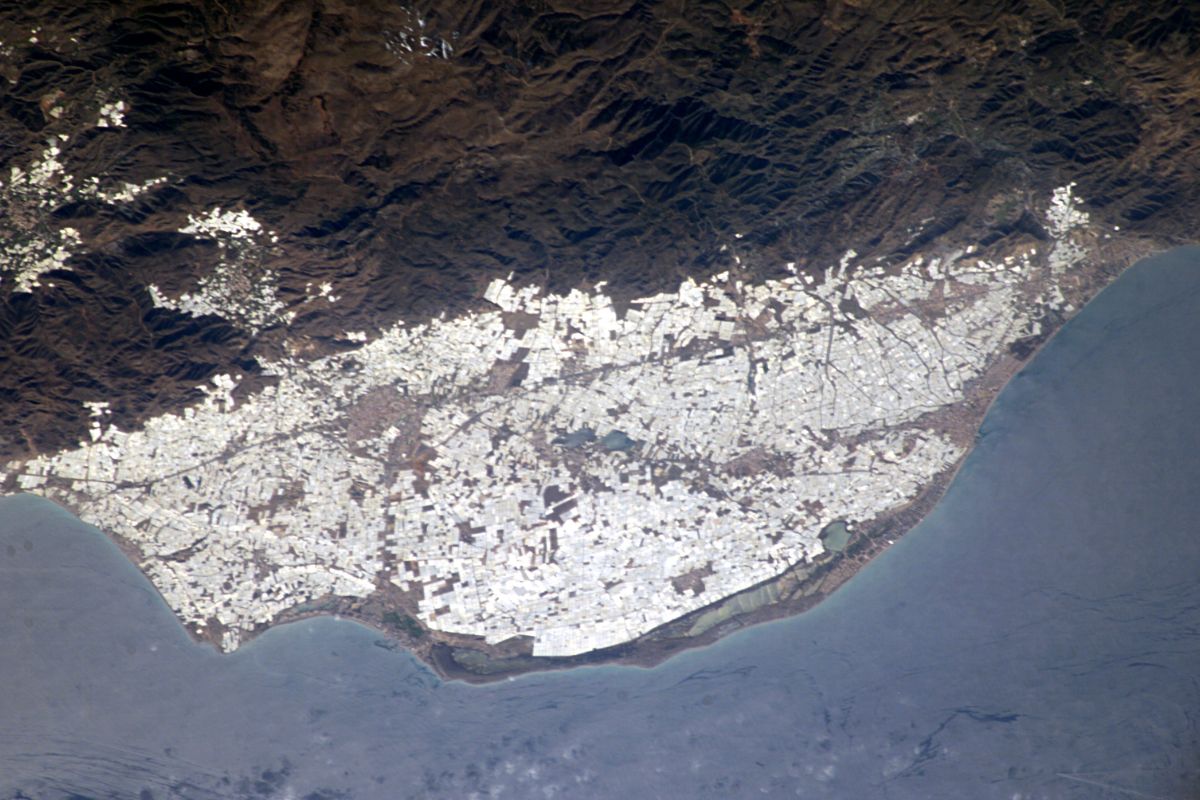
NASA Satellite Images in 2022 Revealed a Vast White Area in Southern Spain, Resulting from a Massive Discovery by Farmers: a Complex of Greenhouses Visible from Space.
In July 2022, the United States Space Agency (NASA) released satellite photos that caught global attention. Captured between May of that year, the images showed a huge white spot in southern Spain, a dramatically different landscape from the predominant green of previous decades. This is the story of the farmers’ discovery that transformed the region.
For the Spanish, the blot was no surprise: it is the “Sea of Plastic”, a gigantic concentration of greenhouses in Almeria, responsible for supplying a large part of Europe with food. What surprised was the dimension of the alteration in the landscape observed from space, a result of this ingenious farmers’ discovery.
Satellite Images Reveal Unusual White Spot in Southern Spain
The photographs from the Landsat satellite, released by NASA, showed an almost unique structure formed by numerous white spots. The comparison with old records highlighted a radical transformation in the Almeria region, once known for its beaches and for being home to the only desert in Europe, the Tabernas Desert, which even served as a backdrop for western films.
-
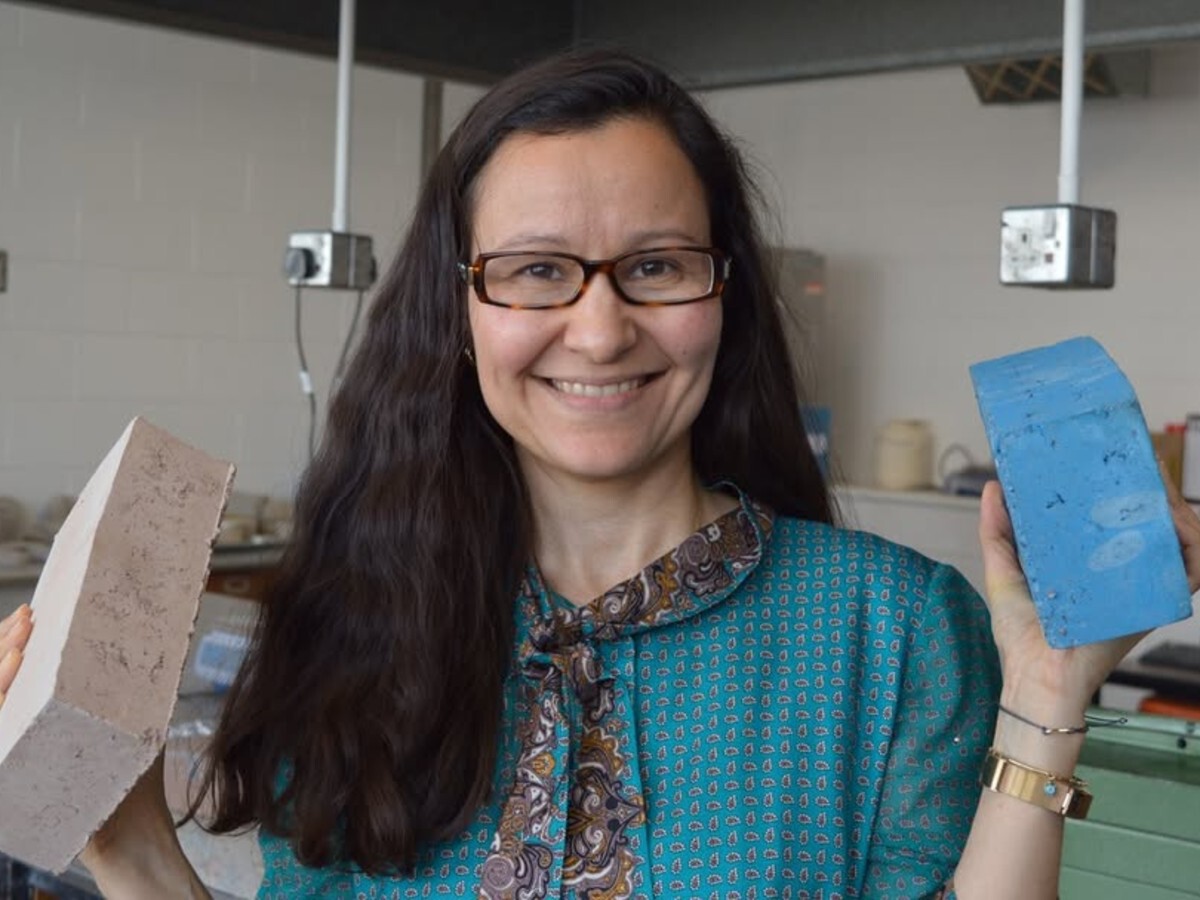
Goodbye to waste: a Brazilian created a revolutionary brick that uses construction debris, has already entered the markets of the United Kingdom and the USA, and promises to shake up the global construction industry.
-
China has created a mass-produced hypersonic missile that costs the same as a Tesla, and this is changing everything in modern warfare because the United States cannot defend itself without spending millions.

-
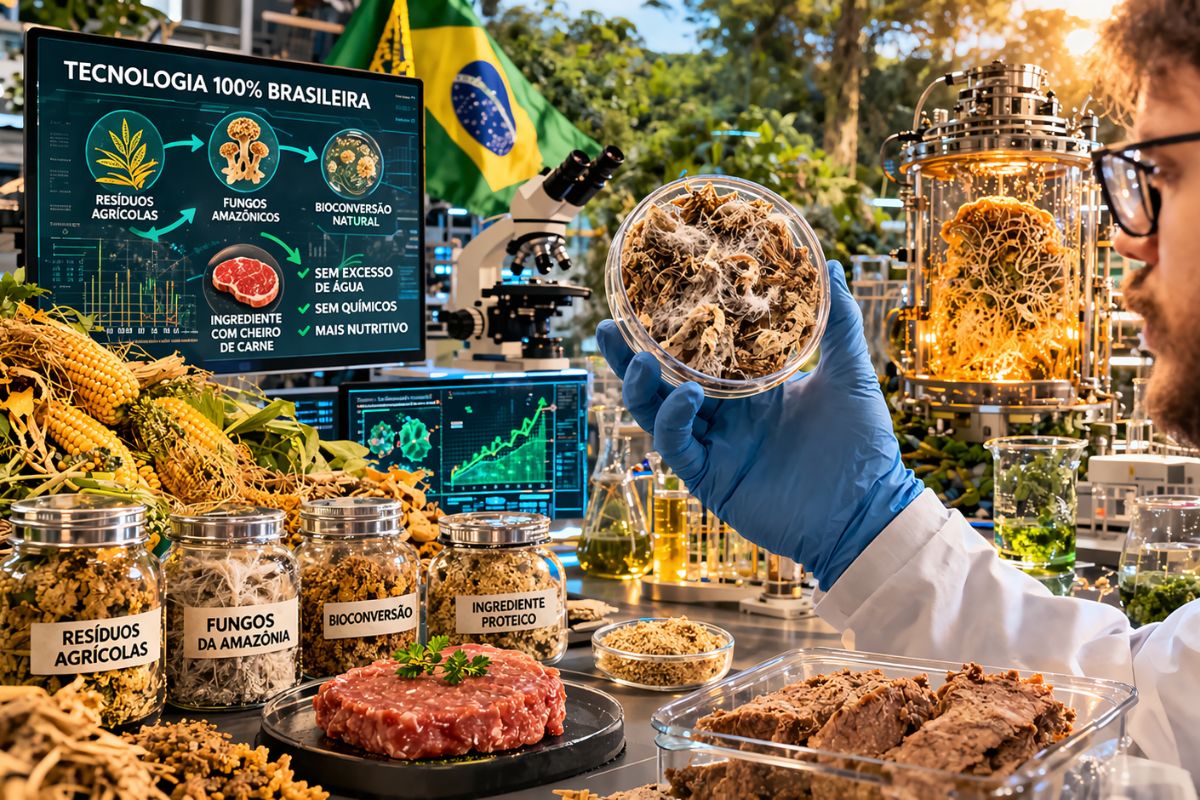
100% Brazilian technology transforms agricultural waste into a meat-scented ingredient using fungi from the Amazon rainforest. The process does not use excessive water or chemicals, and it also increases the nutritional value of the final product.
-
Psychology reveals that adults who avoid conflicts at all costs are not balanced individuals, but rather children who learned in the worst way that expressing emotions brought punishment and now live paralyzed by the fear of expressing themselves.


The Origin of the “Sea of Plastic”: an Agricultural Transformation in Almeria

Despite the arid surface, Almeria has significant reserves of groundwater. Large-scale exploitation began around 1920, with the arrival of electric power. By the 1950s, the region was already producing olives, barley, and table grapes. The major change began in 1963, with the construction of the first greenhouse, a simple structure made of wood and plastic.
Initially, there was resistance, but a heavy rain in 1973 that destroyed crops spurred the adoption of greenhouses with government assistance. Gradually, the cultivation of tomatoes, cucumbers, and other vegetables replaced grapes, and the area covered by greenhouses grew exponentially, especially from the 1980s onwards.
Impact and Controversies of the Farmers’ Discovery
Today, there are over 40,000 hectares of greenhouses in Almeria, forming what many consider the largest man-made structure on Earth, visible to the naked eye from the Moon. This impressive farmers’ discovery transformed El Ejido into the fastest-growing city in Europe for a time and turned the region into the “garden of Europe”, exporting over 80% of its produce.
Greenhouse agriculture represents 13% of the GDP of the province of Almeria, reaching 40% when related activities are considered. Surprisingly, the majority of the approximately 12,500 farms are family-owned. However, success comes at a price: the high water consumption threatens groundwater reserves, and the generation of plastic waste is an environmental issue, with some ending up in the Mediterranean Sea. There are also serious allegations of the exploitation of immigrant labor in precarious conditions.
A Local Climatic Phenomenon and the Debate About the Future of Greenhouses


Interestingly, scholars at the University of Almeria discovered that the region is the only one in Spain that has not recorded a temperature increase since 1980. In the last five years, local temperature even slightly decreased, an effect attributed to the reflection of sunlight by the greenhouses.
This agricultural model generates intense debate in Spain, opposing economic benefits and regional development to environmental and social impacts. The “farmers’ discovery” that caught NASA’s attention continues to be a complex example of the transformations that human activity can impose on the planet.









-

Uma pessoa reagiu a isso.