





 Portuguese
  English
  Spanish
  3 min of reading
  0 comments


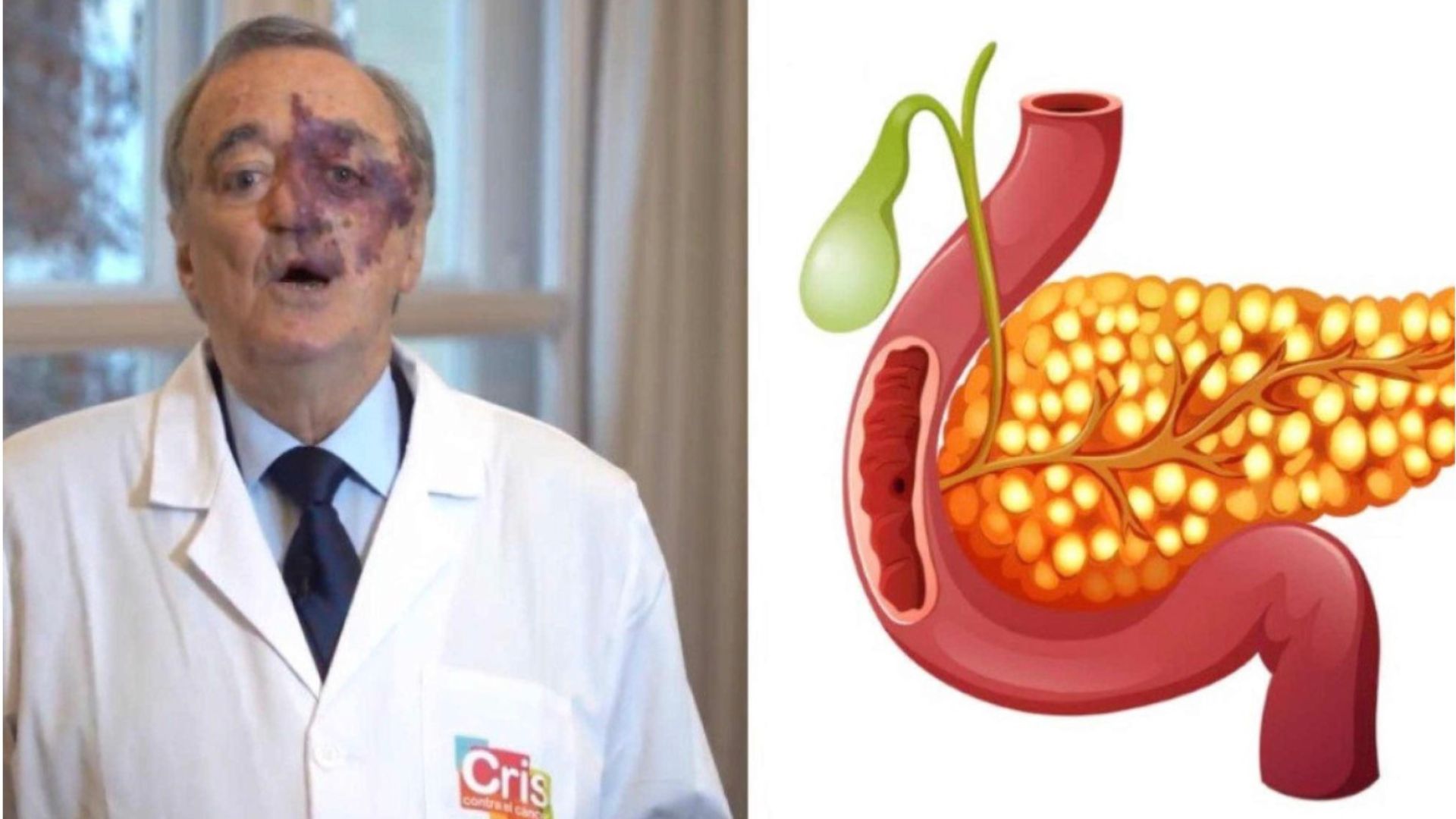
New Research Published In International Scientific Journal Shows Total And Durable Remission Of The Most Lethal Tumor In Oncology In Animal Models, Rekindling Hope For A Future Cure
The global oncology community is closely monitoring a study that could represent a historic turning point in the fight against pancreatic cancer. Spanish researchers completely eliminated pancreatic ductal adenocarcinoma, the most common and aggressive type of the disease, in experimental animal models. Furthermore, the results demonstrated prolonged effect and low toxicity, something rare in therapies against this type of tumor.
The information was disclosed by the scientific journal PNAS, one of the most respected in the world, according to a study led by Mariano Barbacid, a researcher at the Cris Against Cancer Foundation in Spain. According to the authors, the experiment registered for the first time a total and lasting remission in animal models for this specific type of cancer.
Still, the scientists themselves emphasize that the data refers to laboratory animals and not humans. However, the scientific impact of the work has already changed the way medicine may confront the disease in the future.
-
A cold front advances through the South this Saturday and reaches the Southeast on Easter Sunday with heavy rain and a drop in temperature, while the North and Northeast face the risk of storms and flooding throughout the holiday.

-
Brazil is about to inaugurate the largest maritime surveillance system in its history, with radars, infrared cameras, and autonomous sensors installed on Ilha Grande to monitor the entire Brazilian coast in real time.

-
Archaeologists discover in China a 5,000-year-old tomb with over 350 artifacts, nearly 200 jades, and signs of intentional destruction, in a discovery that could be the gateway to a lost prehistoric kingdom.

-
A vacuum robot with a five-axis mechanical arm capable of picking up objects from the floor, avoiding obstacles in real time, and continuing to clean on its own inaugurates a new generation of appliances that see, think, and act within the home.


How Science Managed To Completely Eliminate Pancreatic Cancer In Animal Models
Differently from many studies that seek new drugs, this study adopted a distinct strategy. Instead of attacking the tumor through a single pathway, the scientists opted for a combined and simultaneous approach, targeting three fundamental mechanisms for the survival of cancer cells.
The treatment simultaneously blocked the oncogene KRAS, responsible for the uncontrolled growth of the tumor, the protein EGFR, linked to cell proliferation, and the protein STAT3, considered one of the main shields of resistance of pancreatic cancer against conventional therapies.
According to the scientific report, by preventing the combined action of these three pillars, the tumor cells lost their adaptability. As a consequence, they could not survive or develop resistance to treatment.
Furthermore, the researchers tested the strategy on advanced models called PDX (Patient-Derived Xenografts), in which actual tumors from human patients are implanted in animals. Even in these settings, considered closer to clinical reality, the results remained consistent.
Results Impress With Total Remission, Duration Of Effect, And Safety
The data presented drew attention from the international scientific community. In all tested models, the tumors completely disappeared after the combined treatment. More than that, the effect was maintained over time.
According to the study, more than 200 days after the end of therapy, the animals remained free of the disease, with no signs of relapse. This factor gains importance, as pancreatic cancer often returns even after aggressive treatments.
Another relevant point involves safety. Differently from many experimental therapies, the protocol demonstrated low toxicity and did not cause severe side effects in the laboratory animals. This advancement reduces one of the main barriers faced by intensive treatments, which often cause severe damage to the body.
For this reason, the authors emphasize that the strategic combination of targets surpasses isolated approaches and may offer greater tolerability to the patient.
What This Discovery May Change In The Future Of Disease Treatment
Although Mariano Barbacid stresses that results in mice do not guarantee success in humans, the study changes the paradigm of pancreatic cancer treatment. Traditionally, doctors diagnose the disease at advanced stages, and tumors resist single therapies.
In this context, the research suggests that the cure may depend on a coordinated, simultaneous, and multidirectional attack, rather than the search for a single drug. Consequently, the work opens the way for new clinical trials and combined therapeutic strategies.
If tests in humans confirm the efficacy observed in the lab, this approach could represent the greatest evolution in the treatment of this neoplasia in recent decades. Still, experts urge caution and reinforce that the transition to clinical practice requires time, validation, and additional studies.
Finally, the study rekindles a realistic hope, based on solid science, for one of the most lethal cancers today.
Do you believe that combined approaches like this can finally transform pancreatic cancer into a treatable disease in the future?







Seja o primeiro a reagir!