





 Portuguese
  English
  Spanish
  5 min of reading
  1 comment


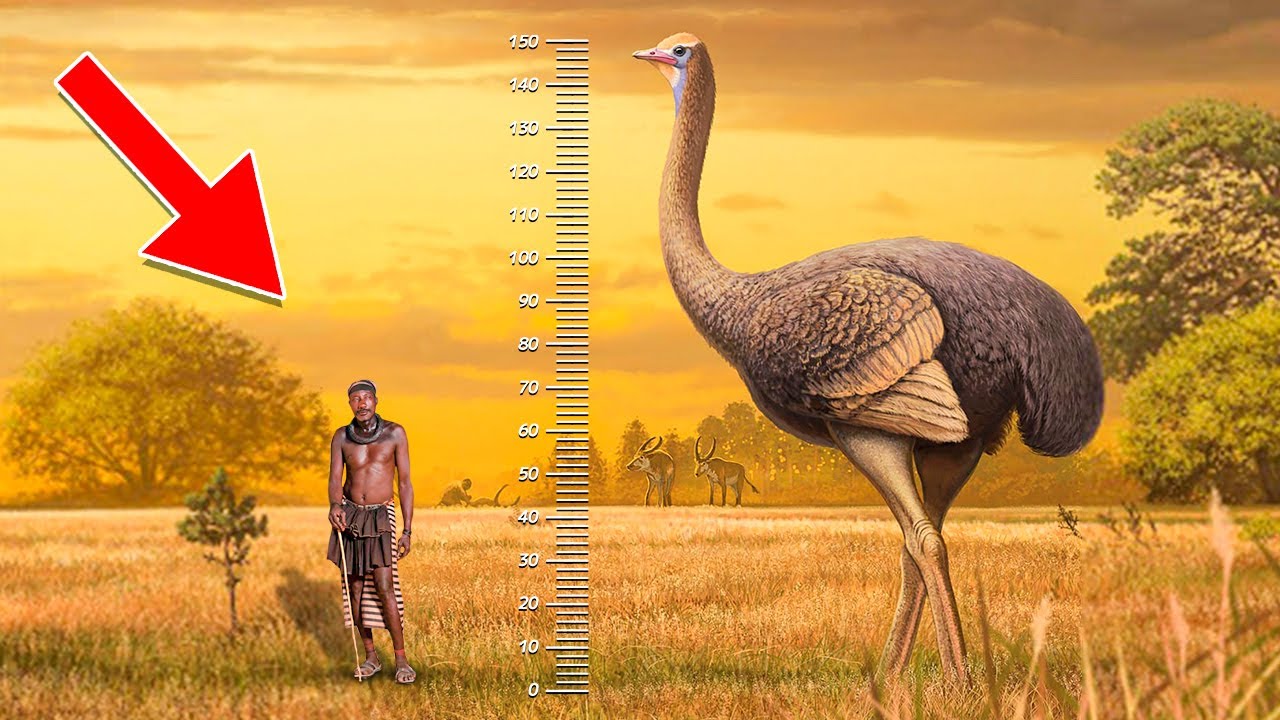


Discovered in Madagascar, the Vorombe Titan Reached Nearly 3 Meters and Over 700 kg, Surpassing All Known Birds and Redefining the Limits of Animal Evolution.
Long before modern humans dominated large territories, nature had already produced a true colossus on two legs. In Madagascar, an island marked by extreme biological isolation, lived what is now recognized as the largest terrestrial bird to have ever existed throughout the planet’s history: the Vorombe Titan. The name is no exaggeration. In Latin, “Vorombe” literally means “big bird,” and the suffix “titan” makes clear its size beyond any known standard. Unlike giant flying birds of the past, such as Argentavis, the Vorombe was a totally terrestrial animal, incapable of flight, but with body proportions that rivaled those of large mammals.
The scientific evidence confirming the existence and size of the Vorombe Titan was published only in 2018, when an international team of paleontologists reanalyzed giant bird bones found over decades in Madagascar. Until then, many of these fossils were generically attributed to the so-called “elephant birds,” but more detailed measurements revealed something even larger than was previously imagined.
Who Was the Vorombe Titan and Where Did It Live
The Vorombe Titan lived exclusively in Madagascar during the Late Holocene, probably until about a thousand years ago, which means it coexisted with the first humans who inhabited the island.
-
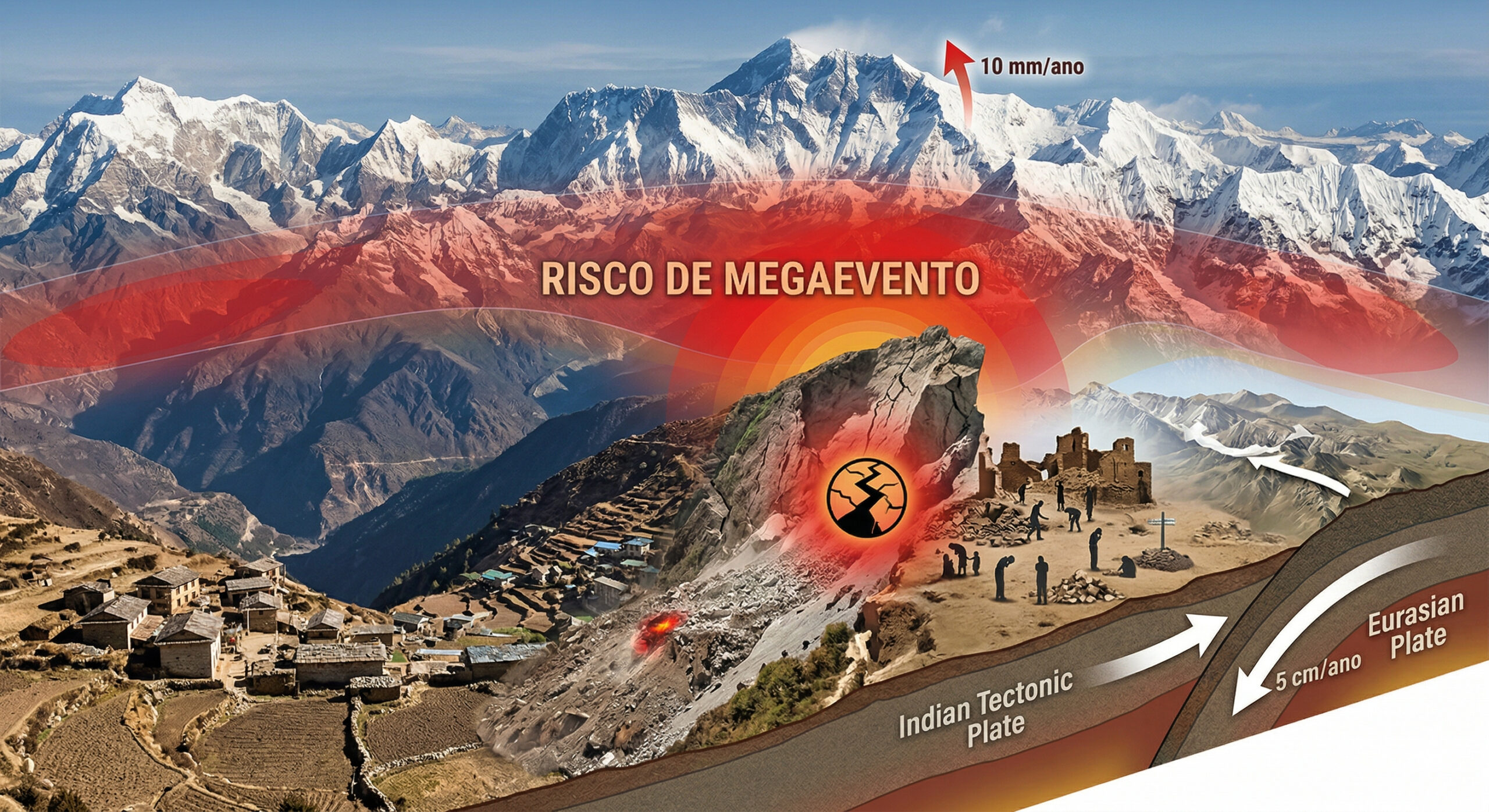
The Himalayas continue to grow to this day, with tectonic plates advancing 5 cm per year, mountains rising up to 10 mm annually, and the 2015 earthquake that killed 9,000 people may have increased the risk of an even larger seismic mega-event.
-
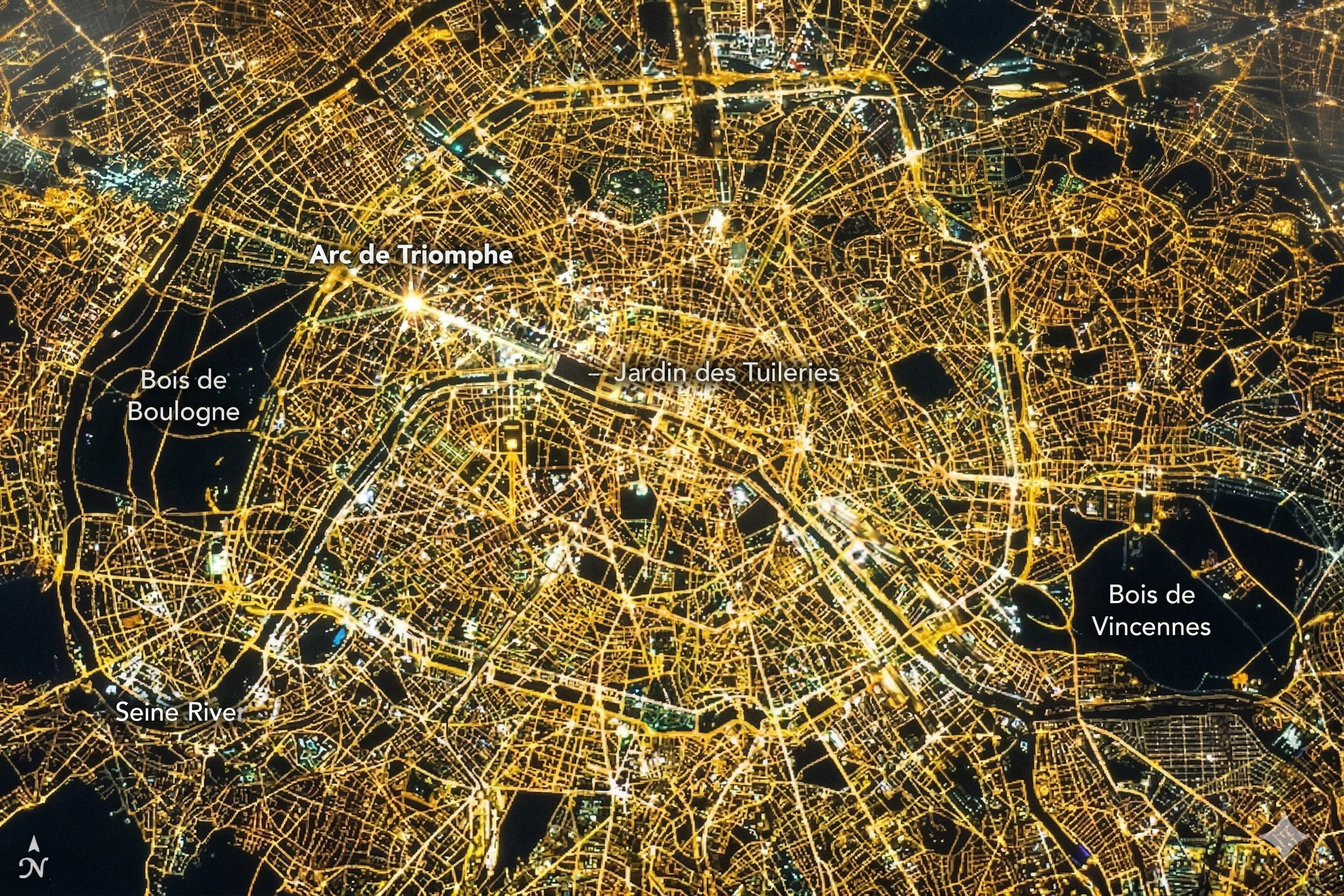
At an altitude of 400 km by astronauts from the International Space Station, Paris transforms at night into a golden mesh so precise that it reveals the outline of the Seine River, avenues, and entire neighborhoods like a luminous map drawn over the Earth.
-
iPhone 17 reaches historic low price with 256 GB, 120 Hz display, and drops to R$ 5,703 on Shopee, featuring A19 chip, dual 48 MP cameras, battery life of up to 30 hours, and advanced AI features.

-
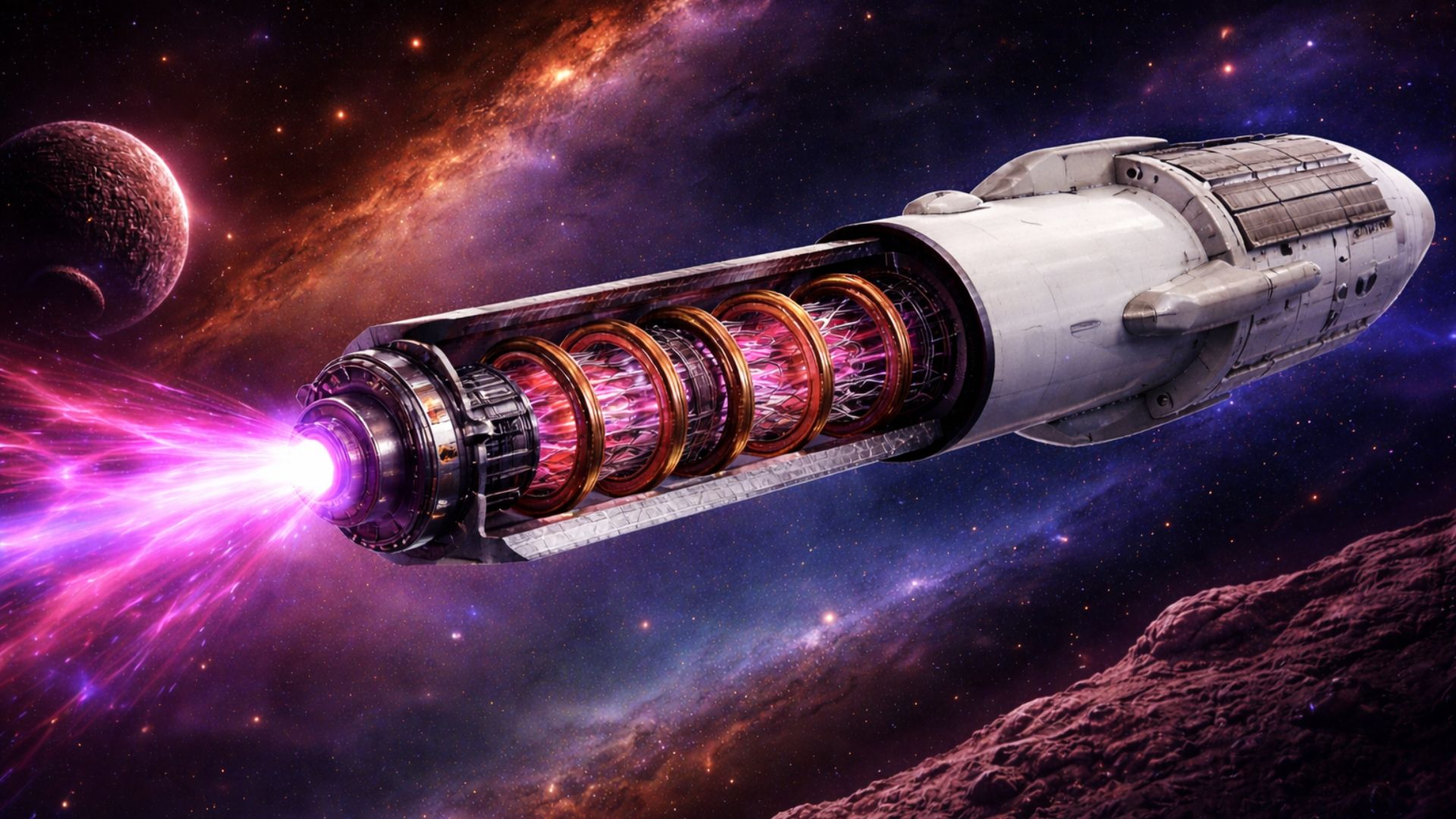
Trip to Mars getting closer: Pulsar Fusion, from the UK, advances with plasma ignition in fusion engine and could drastically reduce space travel time, making crewed missions faster, safer, and economically viable.

Madagascar, due to its long separation from the African continent, functioned as an isolated evolutionary laboratory, allowing the emergence of giant animals without equivalents in other parts of the world.
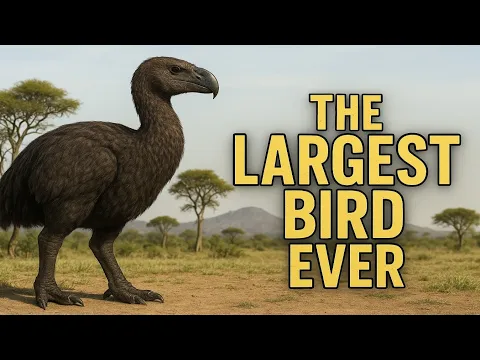

This bird was part of the elephant bird group, distant relatives of ostriches, emus, and kiwis, but took this lineage to an extreme level. While a modern ostrich can reach about 2.7 meters in height and weigh up to 150 kg, the Vorombe Titan easily surpassed any comparison, both in height and, especially, in body mass.
Dimensions That Defy Imagination
Scientific reconstructions indicate that the Vorombe Titan could reach between 2.7 and nearly 3 meters in height, with weight estimates ranging from 650 to over 730 kg. This makes it, by a wide margin, the heaviest bird ever recorded.
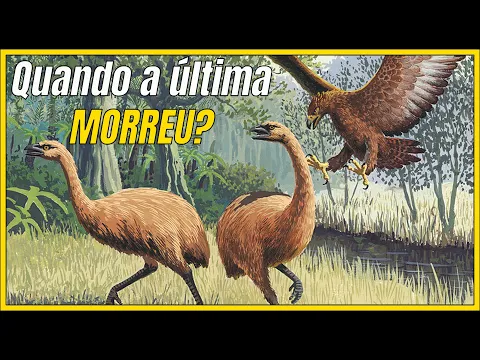
For comparison, it weighed four to five times more than an adult ostrich and even surpassed the giant moa from New Zealand, which for a long time was considered the largest known terrestrial bird.
The leg bones, especially the femur and tibia, are extremely thick and dense, indicating an animal adapted to support a colossal weight. The bone structure suggests a low center of gravity and extremely stable posture, essential for an animal of that mass to move without collapsing its own joints.
How a Bird of This Size Managed to Survive
Despite its intimidating size, the Vorombe Titan was not a predator. Like its modern relatives, it seems that it had a herbivorous diet, based on fruits, leaves, seeds, and possibly roots.
Madagascar, before intense human activity, possessed vast areas of forests and savannas rich in vegetation, capable of sustaining an animal with such high energy demands.
The evolutionary strategy of the Vorombe was not speed, but mass. Its size served as a natural defense against any potential predator on the island. No other terrestrial animal in Madagascar would realistically threaten a healthy adult of this species.
Comparison with Other Giant Birds in History
Throughout evolution, various giant birds have emerged in different parts of the world, but none achieved the extreme balance between height and weight of the Vorombe Titan. The giant moa from New Zealand was taller in some estimates but much lighter.
The Aepyornis maximus, another member of the elephant bird group, was impressive but still smaller than the Vorombe when considering the largest individuals.
Giant flying birds, such as Argentavis magnificens, had enormous wingspans but relatively light bodies to allow flight. The Vorombe took the opposite path: it completely gave up the ability to fly to become the largest avian body ever supported on solid ground.
The Role of the Vorombe Titan in Madagascar’s Ecosystem
This giant was not only a biological spectacle but also a key player in the ecosystem. Animals of this size often act as environmental engineers, dispersing seeds of large fruits, opening natural clearings in vegetation, and shaping the landscape over time.
The extinction of the Vorombe Titan likely caused profound impacts on the island’s plant dynamics, some of which may still be felt today.
There is evidence that certain plants in Madagascar evolved large and resilient fruits specifically to be consumed and dispersed by elephant birds. With the disappearance of these animals, these plant species lost their main dispersal agents.
Why the Vorombe Titan Went Extinct
The extinction of the Vorombe Titan is strongly associated with the arrival of humans in Madagascar. Direct hunting, collection of giant eggs, and especially the destruction of natural habitats drastically reduced the populations of this bird in a short geological timeframe.
Its eggs, which could have the volume equivalent to more than 150 chicken eggs, were an extremely attractive caloric source.
Unlike smaller animals, giant species tend to have slow reproduction and naturally reduced populations, which makes them very vulnerable to human pressure. In just a few hundred years, an animal that had dominated the island for millennia disappeared completely.
A Colossus That Redefines the Limits of Evolution
The Vorombe Titan is not just the largest bird that ever existed. It represents the known maximum limit of what evolution has produced within the group of terrestrial birds.
Its size challenges concepts of biomechanics, metabolism, and environmental adaptation, showing how far life can go when there are no efficient predators or direct competition.
Today, its fossils help retell the lost history of Madagascar and serve as a powerful reminder of how entire megafaunas can disappear in a surprisingly short time span.
The existence of the Vorombe Titan proves that nature was once capable of creating true titans on Earth and that many of them were lost before being fully known to science.









Totalmente destruídos pelos homens.