





 Portuguese
  English
  Spanish
  7 min of reading
  2 comments


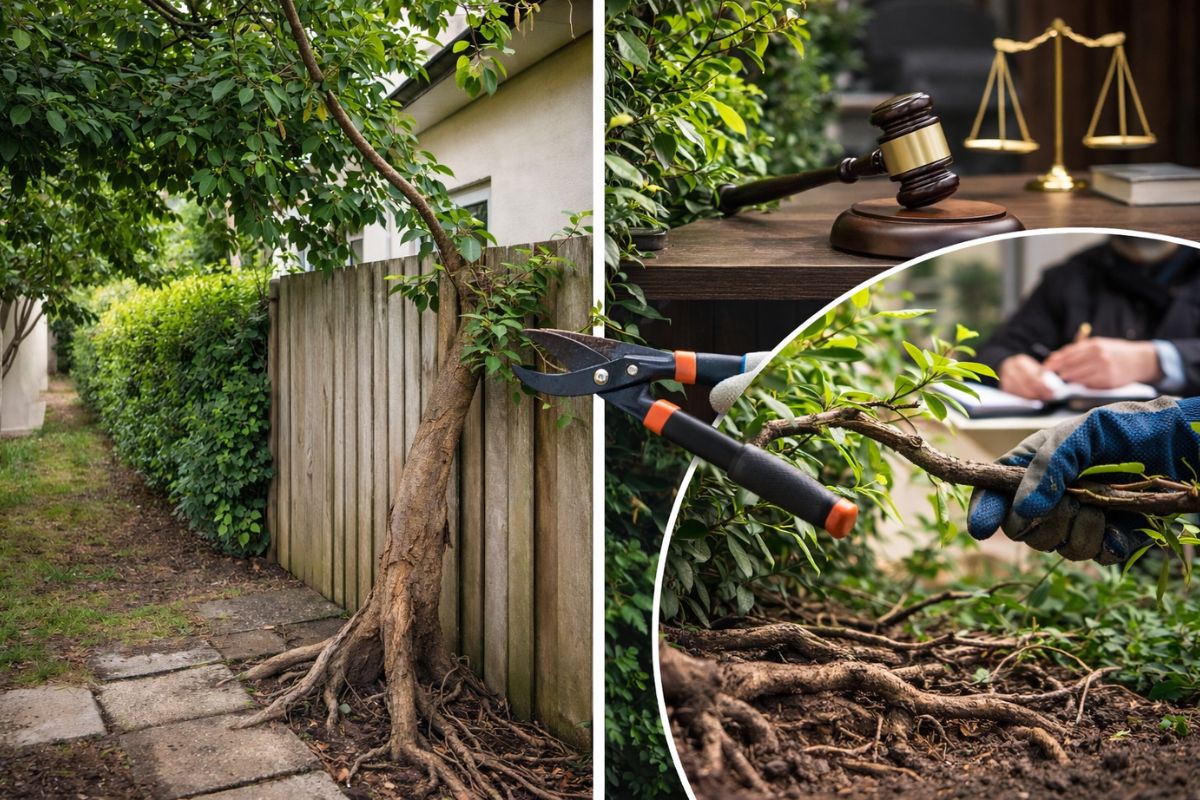


With The Beginning Of March, Pruning And Planting Intensify And Reopen The Fight For Borders: Tree Or Hedge Less Than Two Meters From The Boundary May Require Immediate Pruning, Under Fine, And Invasive Branches Or Roots Allow Cuts Until The Mark Without Entering The Other Property
March usually concentrates the moment when many people look at their yard with more attention, reorganize the garden, plant, fertilize, and prune. It is also when the word fine moves from the realm of abstract threats to neighborhood conversations, because trees and hedges near the boundary become a practical problem, with shade, leaves, moisture, and risk of damage.
Starting in March, property owners with trees or hedges less than two meters from their neighbor may be required to prune, under penalty of fine, and the reason is predictable: branches and roots that extend beyond the property line create rapid conflict. What begins as routine annoyance can escalate to notification, report, formal request, and, in persistent cases, judicial involvement.
What Changes In Practice When Garden Maintenance Becomes A Border Issue
As pruning and planting increase, the chance that someone will notice that the canopy is already over the roof next door, that leaves are clogging someone else’s gutters, or that the hedge has leaned against the wall also increases.
-
The noise law will no longer be in effect at 10 PM starting in June with a new rule valid during the 2026 World Cup.

-
The Chamber opens a debate on driver’s licenses at 16 years old as part of a reform that includes around 270 proposals to change the Brazilian Traffic Code and may redesign rules for licensing, enforcement, and circulation in the country.

-
The new Civil Code could revolutionize marriages in Brazil with “express divorce” and changes that could exclude spouses from inheritance.
-
Banco do Brasil sues famous influencer for million-dollar debt and intensifies debate on delinquency, risks of seizure, and direct impact on Gkay’s credibility.


The boundary is a physical limit and also a limit of responsibility, and the natural growth of plants often does not respect what is on the property record.
From there, the conflict stops being subjective. Excessive shade, falling leaves, permanent moisture on walls, and damage to structures are cited as typical risks.
And there’s one factor that speeds everything up: in certain places, the rule is straightforward—it states that if the tree or hedge is too close, pruning may be required under penalty of fine, with the plant owner having to act before the situation worsens.
Minimum Distance, Size of The Plant And Why Size Changes The Rule
The logic behind distances is simple: the larger the size, the greater the potential impact on the neighboring land. A tall tree does not only generate shade.
It can increase moisture on walls, project branches over roofs, press on wiring, and increase the amount of leaves and fruits that fall outside the lot where it was planted. This becomes a recurring cost for the neighbor and, in some cases, a safety risk.
For this reason, regulations often differentiate large trees from shrubs and woody hedges, requiring greater setbacks for tall species and smaller ones for low plants.
In many places, the neighbor can demand the removal of specimens planted in violation of the distances, especially when the planting is recent and disrespects local regulations, which can pull the issue into oversight and fine.
Brazil In 2026, Civil Code And The Point That Usually Decides The Conflict
In Brazil, in 2026, the heart of the discussion remains anchored in the classic rules of the Civil Code regarding trees on property boundaries, particularly Article 1.283, as well as municipal regulations on pruning and removal.
In real life, it is the combination of general rule and local rule that defines what can and cannot be done.
When branches or roots extend beyond the property line, the affected resident may cut them up to the boundary without the tree owner’s permission, provided that they do not enter the other property and do not compromise the stability of the plant in an abusive manner.
This detail, which seems small, changes the dynamics of the conflict: the affected person gains an immediate outlet, but if there is excess, the case may return as a discussion about abuse, compensation, and fine in judicial decisions.
Recommended Setbacks, Technical Risks And The Invisible Cost Of Poorly Positioned Planting
Even when there is no exact measurement defined for urban areas in the Civil Code, the legal and technical recommendation cited is clear: plant small trees, up to about 6 meters in adult height, at least 3 meters from the boundary, and large trees about 10 meters away.
The word recommendation matters because it often appears in reports, assessments, and decisions as a parameter of prudence.
The reason is damage prevention, not aesthetics. Setbacks help reduce risk to walls, foundations, sidewalks, roofs, and water or sewage networks. Roots can press on pipes and foundations, and branches can fall on vehicles, roofs, and wiring.
When this happens, the general rule is that the property owner where the tree is planted is responsible, and in case of repeated violations or risk, judges may determine pruning, lowering the canopy, or removal, under penalty of daily fine.
Branches And Roots Invading The Neighboring Lot, What Is Usually Allowed Without Escalation
Even respecting distances, natural growth may lead branches of trees or hedges into the roof, yard, or neighboring garden. The most common path, before arguing, is to request the cut of the part that invades the space.
In the case of roots threatening pipes or foundations, many regulations allow for cutting within the affected area, always carefully so as not to turn an adjustment into a bigger damage.
There is also a technical aspect that few people consider before conflict erupts. Cutting branches indiscriminately can destabilize the tree, alter its center of gravity, increase the risk of falling, and create a problem that is even more costly.
This is why disputes over hedges and trees near the boundary often end up involving reports, risk discussions, and when one party insists on ignoring, the topic returns as a pruning order with deadlines and the possibility of fine.
Median Trees, Boundary Marker And Why Cutting Down Almost Always Is Another Level
Not every tree on a boundary is an ordinary tree. When it comes to a median tree or one used as a boundary marker, there is usually a logic of co-ownership.
In this scenario, drastic cuts, such as complete removal, generally require the agreement of both neighbors, except in immediate risk situations or legal exceptions.
This is where many disputes become prolonged. One neighbor may want to remove it out of fear of damage, while the other may resist due to shade, privacy, emotional value, or considering the tree a landmark.
When there is no dialogue, evidence comes in. Photos, reports, records of infiltration, cracks, clogged gutters, and a history of falls become the basis of what will be discussed, and the outcome may involve a judicial decision, obligation to act, and fine to ensure compliance.
Evidence, Formal Communication And Why Small Conflicts Become Big Processes
In persistent conflicts, the practical recommendation is to document the problem with photos, reports, and formal communication to the owner before seeking legal support.
This organizes the chronology and reduces the game of versions, especially when the damage is progressive, such as moisture on walls, cracks, or recurring clogging due to leaves.
The central point is to avoid the costliest step. When the case reaches the Judiciary, the focus shifts from just pruning to responsibility for damages, risk, and noncompliance.
From there, requests for problem resolution, tree removal, hedge remodeling, and possible compensation for material and moral damages, and to ensure enforcement, orders with deadlines and daily fines can come into play.
Municipal Regulations, Oversight And The Domino Effect Of Ignoring The Problem
In addition to general neighborhood rules, many municipalities enact land use regulations that detail maintenance duties for gardens, yards, and hedges. These regulations aim to reduce safety risks, prevent pests, falling branches, and fires, avoiding that private areas harm the community.
Local regulations often bring clear requirements: maximum heights and minimum setbacks at boundaries and sidewalks, the need for prior authorization for drastic pruning, transplantation, or suppression of certain species, and progressive fines for noncompliance, with the possibility of compulsory enforcement by the municipality. For those near boundaries, the message is clear: acting preventively costs less than debating later.
March serves as a trigger because it brings together garden maintenance, accelerated plant growth, and rediscovery of the limits between properties. The practical rule is simple: if branches and roots invade, the conflict moves quickly, and the fine appears as a tool to force correction when common sense fails. The difference between a resolved conversation and a process usually lies in what was done beforehand: preventive pruning, correct setbacks, organized evidence, and formal communication.
To conclude, I want personal answers, not generic ones: in your street or neighborhood, what has been the most common conflict involving trees, hedges, and boundaries, shade, roots on sidewalks, or branches on the roof? And do you think it’s fair for the fine to exist to mandate pruning, or should this be resolved only through dialogue between neighbors?










É nesse mundo o ser humano se diz dono de tudo uma árvore que dá frutos e sombra para os dois lados se torna pivô de uma encrenca,quando morre nao leva nem o CPF pq não tem mais o valor ainda deixa lembrança para quem fica de ter sido avarenta,mesquinha etc ,se acham dono do mundo ,mas na realidade esquece que apodrece igual a tudo ,quando se perde a vida ,
onde posso entrarvem contato para ver esta pota ou retirada da árvore