





 Portuguese
  English
  Spanish
  3 min of reading
  0 comments


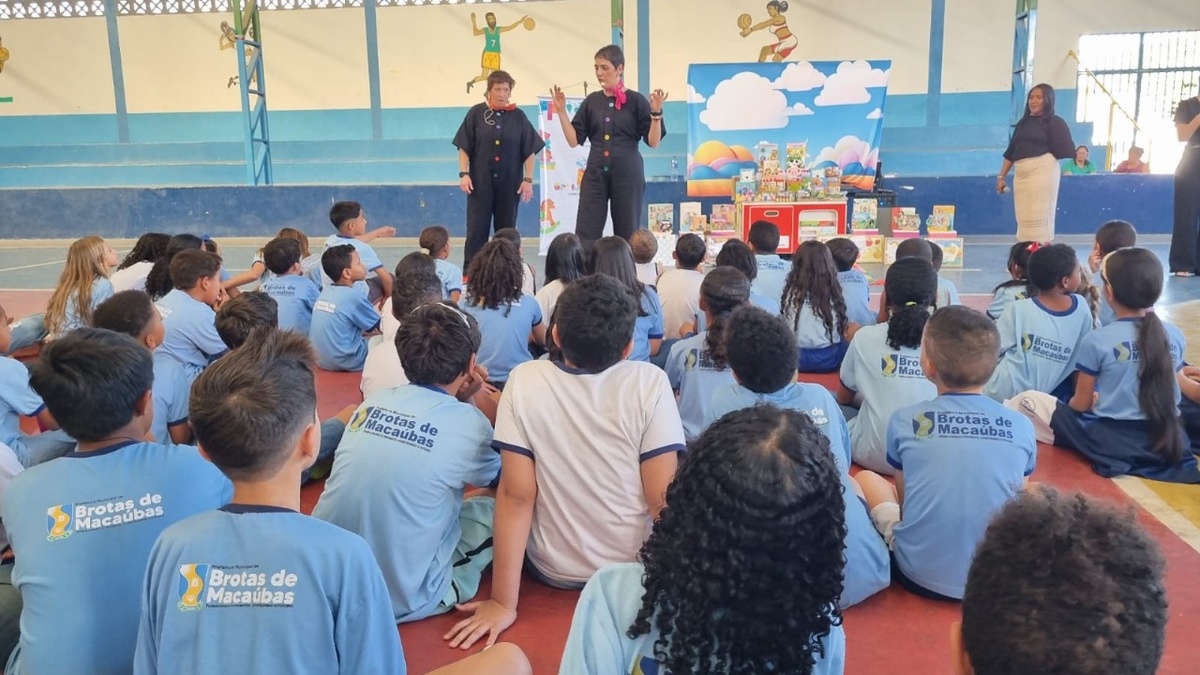
Statkraft Brazil Announced the Result of the Tax Incentive Notice 2025–2026, Confirming the Selection of Seven Socio-Environmental Projects That Will Be Executed in 14 Municipalities Across Three States Where the Company Operates in the Country
Initially, Statkraft Brazil informed, objectively and transparently, the selection of seven socio-environmental initiatives, defined after a selection process that evaluated more than 240 registered projects. Thus, after technical analysis stages and document verification, the proposals were selected for execution over the biennium 2025 and 2026, respecting the criteria established in the notice.
Subsequently, the company detailed that the investments will be made through tax incentives, thus utilizing legal instruments provided by Brazilian legislation. Therefore, resources will be distributed through the Culture Incentive Law, the Sports Incentive Law, as well as the Child and Adolescent Fund (FIA) and the Senior Fund, mechanisms that allow directing resources to projects with proven social impact.
At the same time, the selected initiatives encompass cultural, educational, sports, and social actions, as they include artistic performances, technical training, revitalization of educational spaces, regular martial arts classes for youth, as well as ophthalmological exams and donation of prescription glasses for seniors in situations of social vulnerability. Thus, the projects operate in an integrated manner to strengthen the communities served.
-
Oncorp wins auction and enables biodiesel and gas thermal plants in Brazil, with strategic projects in Suape and Xavantes Aruanã.
-
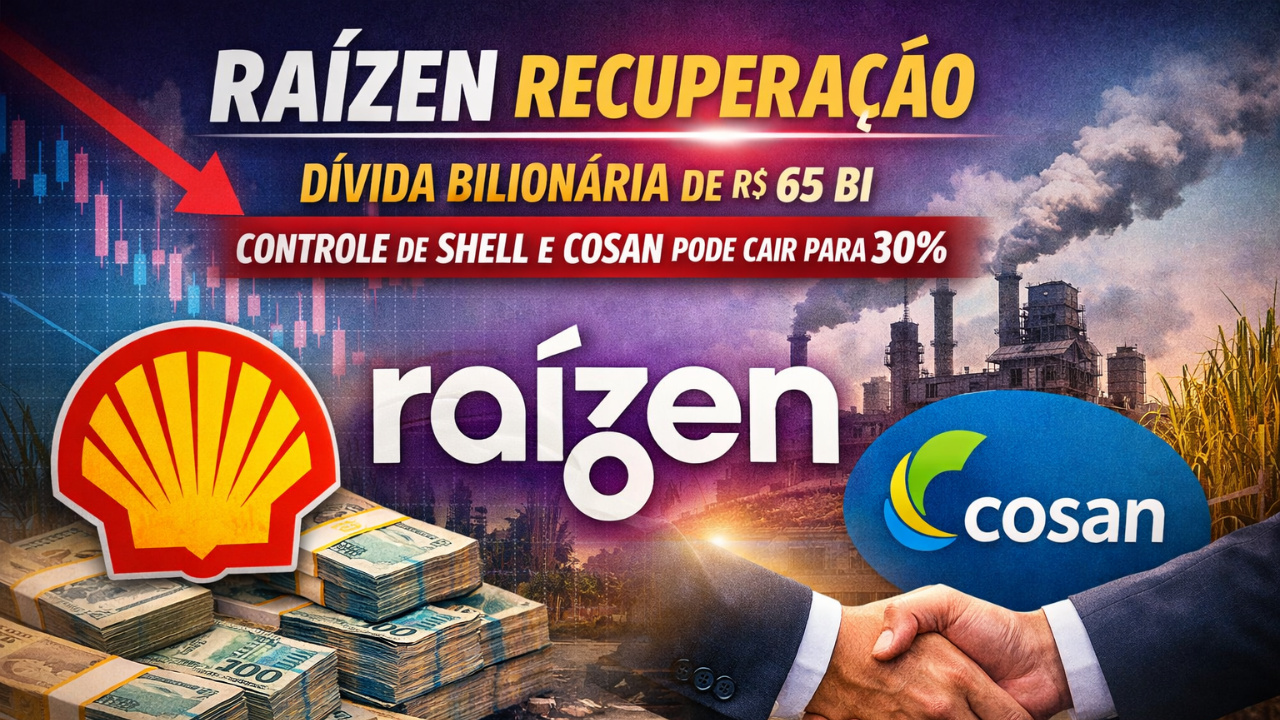
Raízen Recovery: Shell Cosan May Reduce Control After R$ 65 Billion Debt
-
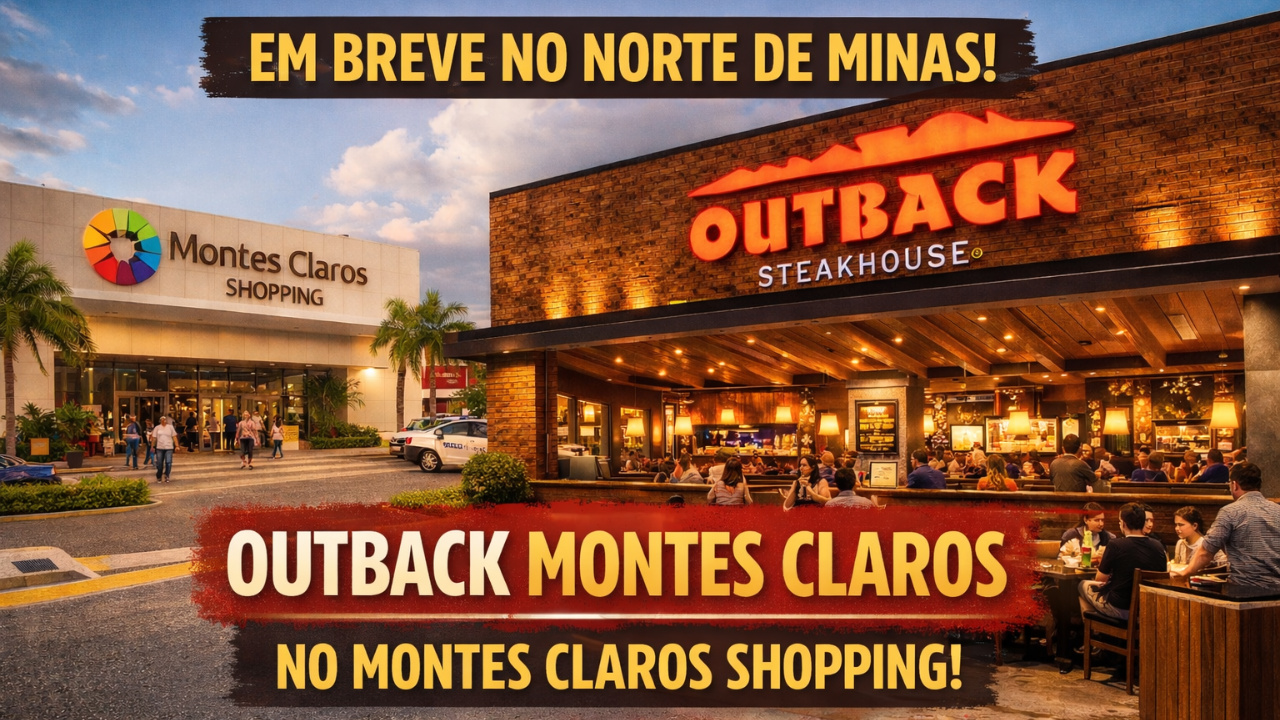
Outback Montes Claros: Chain Confirms First Unit in Northern Minas in 2026
-
Inpasa Creates Advisory Council and Brings José Olympio to Strengthen Corporate Governance

Afterward, Statkraft Brazil emphasized that the selected projects are aligned with the Sustainable Development Goals of the 2030 Agenda, established by the United Nations (UN). In this sense, the actions directly interact with SDG 4 (Quality Education), SDG 7 (Affordable and Clean Energy), SDG 8 (Decent Work and Economic Growth), SDG 11 (Sustainable Cities and Communities), SDG 13 (Climate Action), SDG 15 (Life on Land), and SDG 16 (Peace, Justice, and Strong Institutions).
Meanwhile, the company clarified that the implementation of partnerships will depend on the submission of the required documentation, as provided in the rules of the notice. Thus, only after this administrative stage, the actions will be formally initiated, respecting the legal deadlines set for the 2025–2026 cycle.
In the cultural field, under the Culture Incentive Law, the projects The Magician and the Environment, operating in Rio Grande do Norte and Rio Grande do Sul, as well as the Cultural Business Program – 2nd Edition, developed in Bahia, and the project Bibi – Library We Built, Energy We Transform (4th Edition), also implemented in Bahia territory, were selected.
On the sports axis, through the Sports Incentive Law, Statkraft Brazil approved the project Judo Transforms – 2nd Edition, as well as Educa Sports Bahia, both focusing on training and developing youth through sports in the state of Bahia.
In turn, under the Child and Adolescent Fund, the project Solar Youth: Turning the Sun into Opportunity was selected, with actions planned in Rio Grande do Norte. Additionally, through the Senior Fund, the project Vision for Inclusion will operate in the same state, focusing on ophthalmological care and social inclusion for the elderly.
Thus, Statkraft Brazil consolidates its socio-environmental investment strategy for 2025 and 2026, aligning tax incentives, social responsibility, and sustainable development, based on technical criteria, institutional transparency, and adherence to public policies and international sustainability guidelines.






Seja o primeiro a reagir!