





 Portuguese
  English
  Spanish
  4 min of reading
  0 comments


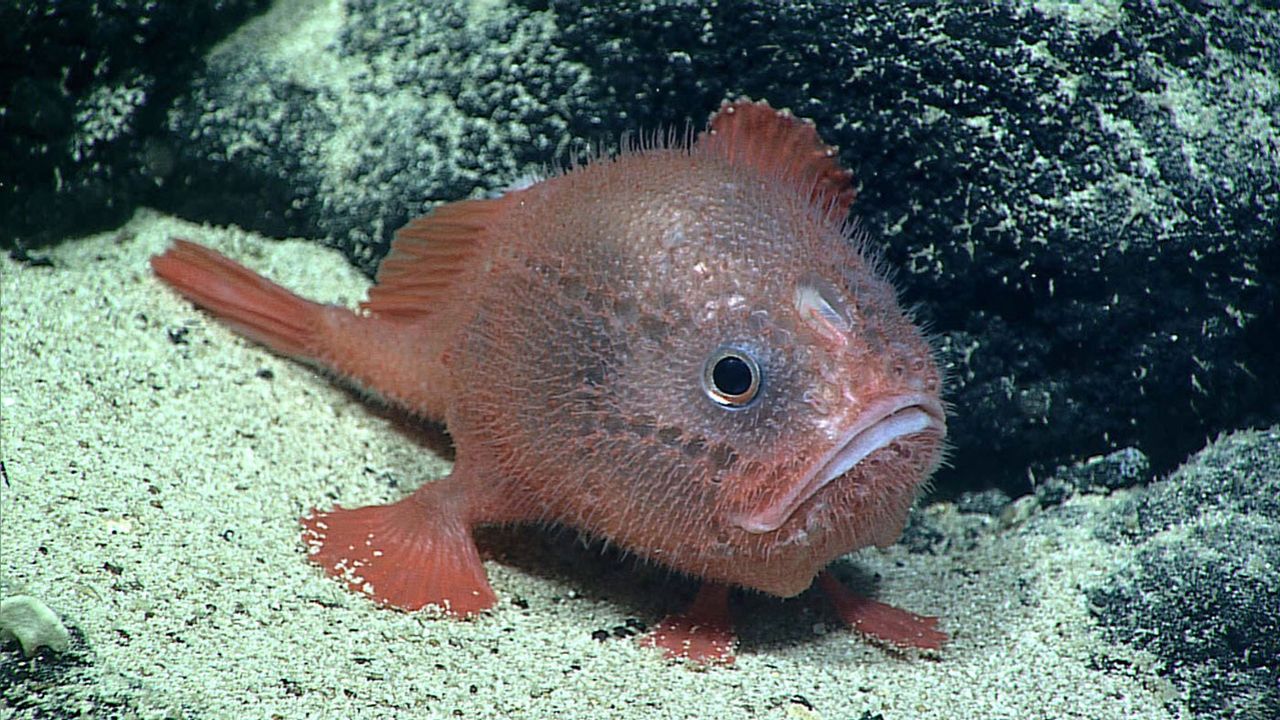
Coffinfish, An Abysmal Fish, Surprises Scientists By Inflating Its Body, Optimizing Breathing, And Saving Energy At Great Depths.
The coffinfish, afish that lives in the depths of the ocean, has returned to the spotlight of science after researchers identified a novel adaptation related to breathing.
The study was conducted by scientists from the United States, analyzed in the laboratory and in underwater images, and recently published in a scientific journal.
The discovery occurred through dissections and observations at depths of up to 2.5 kilometers, revealing how this animal can inflate its body and hold its breath for several minutes.
-
With a cost per shot close to zero, the DragonFire laser could change naval warfare in 2027 and provide British ships with nearly unlimited defense against drones.

-
A British startup creates tires that generate electricity in electric vehicles when passing over potholes, speed bumps, and cracks.

-
Scientists have created robots made with living cells that have their own nervous system, swim on their own, explore the environment, and self-organize without any genetic engineering, and now they want to do the same with human cells.

-
Students create a solar-powered ambulance that operates without a plug, without fuel, and still keeps medical equipment running in remote areas.


The reason, according to experts, may be related to energy conservation in an environment where food and oxygen are scarce.
Right from the start, researchers explain that the coffinfish uses special chambers in its gills to expand its body with seawater.
This way, it increases the uptake of oxygen and reduces the need to breathe frequently. This behavior has never been documented in a fish in this manner.
How Does The Coffinfish Inflatable Breathing Work?
Unlike other fish, the coffinfish has inflatable gill chambers that increase its body volume by up to 30%.
In practice, this allows the animal to absorb more oxygen at once. As a result, it can hold its breath for up to four minutes.
According to Stacy Farina, assistant professor of biology at Howard University, this mechanism is unique.

In the meantime, she explains that other fish, like the pufferfish, would inflate their stomachs, not their gills. Therefore, this represents a completely different evolutionary solution.
This adaptation draws attention because breathing requires effort. By reducing breathing frequency, the coffinfish can conserve energy, something vital at the ocean floor.
A Fish Made To Walk, Not To Swim
The coffinfish belongs to the order Lophiiformes and is found in oceans worldwide. Unlike most fish, it rarely swims. Instead, it “walks” along the seafloor using adapted fins.
According to Nick Long, co-author of the study, the animal is fully adapted to life at the ocean floor. This includes a compact body, slow movements, and strategies to survive long periods without food.
There are more than 20 known species of coffinfish. All share this discreet, almost motionless lifestyle, which reinforces the importance of conserving energy and optimizing breathing.
How The Scientists Made The Discovery
To reach these conclusions, researchers analyzed specimens in the laboratory and images of living animals.
The dissections and tomographies were conducted at the Comparative Zoology Museum of Harvard University.
Additionally, recordings made by underwater drones from the Okeanos Explorer vessel, operated by the National Oceanic and Atmospheric Administration, were studied. The images showed the coffinfish inflating its body and remaining still for long periods.
The results were published in the journal Journal of Fish Biology, reinforcing the scientific relevance of the discovery.
Holding The Breath: Energy Conservation or Defense?
The ability to hold its breath intrigued researchers. This behavior is common in animals with lungs but rare in fish.
Nonetheless, there are occasional records in species like catfish, usually in low-oxygen environments.
In the case of the coffinfish, the main hypothesis is energy conservation. As food is not always available, reducing respiratory effort can be a decisive advantage for survival.
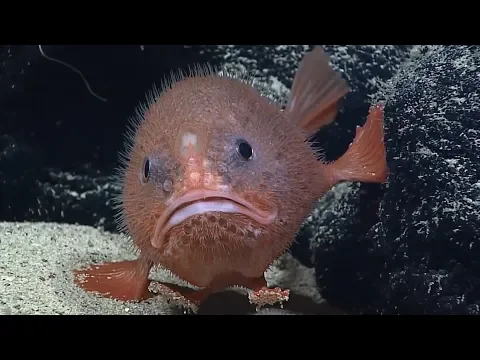

On the other hand, some scientists suggest that inflating its body could serve as a defense against predators, similar to the pufferfish. However, this idea generates debate.
Scientific Debate About The Coffinfish
John Caruso, emeritus professor at Tulane University, praised the study but raised a caveat. According to him, the coffinfish may have held its breath in response to the drone’s bright lights, rather than as part of its normal behavior.
Hsuan-Ching Ho, from National Dong Hwa University, expresses skepticism regarding the defensive function of body inflation.
For him, as the gill chambers remain open, water would easily escape in case of an attack.
Still, scientists agree on one point: understanding the coffinfish helps reveal how evolution shapes life in extreme environments. Therefore, new observations in deep waters will be essential to confirm the role of this surprising breathing strategy.
With information from National Geographic.








-

-

-

-

-

-

23 pessoas reagiram a isso.