





 Portuguese
  English
  Spanish
  4 min of reading
  1 comment





The Janka Hardness Test Reveals Which Woods Are the Hardest in the World, with Species That Exceed 5,000 Lbf and Explains Extreme Uses in Construction, Industry, and High-Value Items
The hardest wood in the world, according to the Janka scale, is the Australian buloke, with approximately 5,060 lbf, surpassing traditional species and explaining why these woods are strategic for construction, flooring, instruments, and high-strength applications across different continents.
The hardness of wood is measured by the Janka hardness test, an international standard that indicates how much force is required to embed a steel ball halfway into a sample, allowing for objective comparisons of resistance, density, and structural performance among species.
The Australian Buloke Leads the World Ranking of Hardness
The Australian buloke, scientifically identified as Allocasuarina luehmannii, is often cited as the hardest wood in the world, reaching about 5,060 lbf on the Janka test, a value rarely matched by other known species.
-
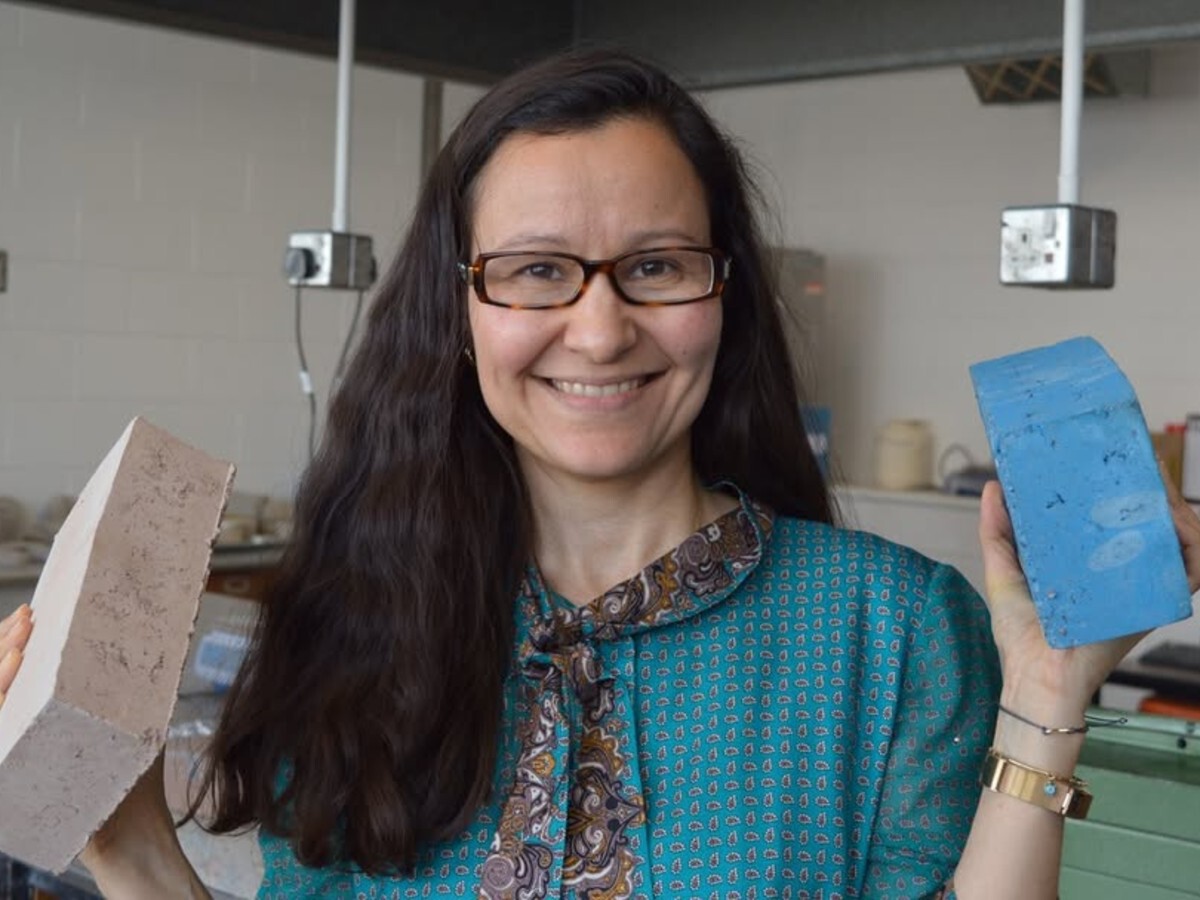
Goodbye to waste: a Brazilian created a revolutionary brick that uses construction debris, has already entered the markets of the United Kingdom and the USA, and promises to shake up the global construction industry.
-
China has created a mass-produced hypersonic missile that costs the same as a Tesla, and this is changing everything in modern warfare because the United States cannot defend itself without spending millions.

-
100% Brazilian technology transforms agricultural waste into a meat-scented ingredient using fungi from the Amazon rainforest. The process does not use excessive water or chemicals, and it also increases the nutritional value of the final product.

-
Psychology reveals that adults who avoid conflicts at all costs are not balanced individuals, but rather children who learned in the worst way that expressing emotions brought punishment and now live paralyzed by the fear of expressing themselves.


Native to Australia, this flowering plant is recognized for its extreme density and durability, being so resilient that it is often compared to the South American wood known as quebra-machados, famous for its ability to damage tools during cutting.
South American Quebracho Combines Extreme Hardness and Commercial Use
Trees of the genus Schinopsis, originating from South America, produce quebracho, one of the hardest commercially available woods, with a Janka hardness exceeding 4,500 lbf, maintaining high resistance even in humid environments.
This wood is widely used in civil construction and the manufacturing of railway sleepers, precisely due to its resistance to water and deterioration, characteristics that explain its long lifespan in demanding structural applications.
Lignum Vitae Combines Historical Tradition and High Resistance
Lignum vitae, belonging to the genus Guaiacum, is a rare hardwood with historical records of use in shipbuilding and tool manufacturing, achieving up to 4,500 lbf on the Janka scale.
The very name, meaning “wood of life,” reflects its reputation for extreme durability, although it is now considered an endangered species, limiting its use to luxury items and musical instruments.
Snakewood Is Noted for Aesthetics and High Density
Known as snakewood, the wood Brosimum guianense has a reddish-brown color with prominent black streaks, making it highly sought after for decorative applications and high-value goods.
In addition to its unique appearance, it is extremely dense and expensive, with high demand for knife grips and musical instrument bows, where mechanical strength and stability are essential requirements.
Brazilian Ipe Combines Hardness, Durability, and External Use
Ipê wood, from the genus Handroanthus, reaches about 3,600 lbf on the Janka scale, being widely recognized for its resistance to water, insect attack, and durability in outdoor environments.
Popularly called Brazilian walnut, ipê is commonly used in decks and outdoor constructions, maintaining structural performance even under prolonged exposure to the elements.
African Ebony Combines Economic Value and Craftsmanship Precision
African ebony, identified as Dalbergia melanoxylon, is considered one of the most expensive woods in the world, with a high Janka rating and significant appreciation in the international market.
Despite its extreme hardness, this wood allows for intricate carvings and can be polished to a glossy finish, being widely used in high-quality musical instruments, although it is also an endangered species.
Desert Ironwood Is Valued for Natural Durability
Desert ironwood, Olneya tesota, grows in the Sonoran Desert and features remarkable durability, with a dark, rich color and high resistance to deterioration over time.
Since it is not commonly used for flooring, this wood is more sought after for sculptures and luxury items, where its density and stability ensure longevity in the pieces produced.
Cumaru and Other Species Broaden the Spectrum of Hardwoods
Brazilian teak, known as cumaru, has a Janka hardness of approximately 3,300 lbf, offering high density and water resistance, traits that make it a favorite for flooring and heavily used furniture.
Other species such as Osage orange, with over 2,000 lbf, and black acacia, resistant to deterioration and insects, reinforce the diversity of hardwoods used in specific applications around the world.
Understanding the Janka Test and the Importance of Hardness
The Janka hardness test measures how many pounds-force are needed to embed a sphere of steel into the wood, with higher ratings indicating greater resistance to wear and everyday impacts.
While common woods like oak have around 1,300 lbf, the hardest woods in the world exceed 5,000 lbf, directly influencing durability, water resistance, and performance in furniture, flooring, and tools.
The choice of suitable wood affects everything from structural performance to final aesthetics, and while softer species have specific applications, the hardest woods stand out for their resistance, prestige, and longevity.








Eu vou prara no lbf. Acho ridículo lguém escrever um artigo em língua portuguesa e usar termos como libras, milhas, galões, e não kg, km, litros. Um estrangeirismo em medidas que não há necessidade de manter no original. Não é o Brasil, é o resto do mundo que não usa tais medidas, inclusive o Reino Unido. Como um outro: brasileiro chamando onça pintada de “leopard”. Não é nem “leopardo” (que ela não é), mas “leopard”. É prciso amudurecer e parar de enfeitar textos e conteúdes de vídeos com estrangeirismo desnecessários.