





 Portuguese
  English
  Spanish
  6 min of reading
  0 comments


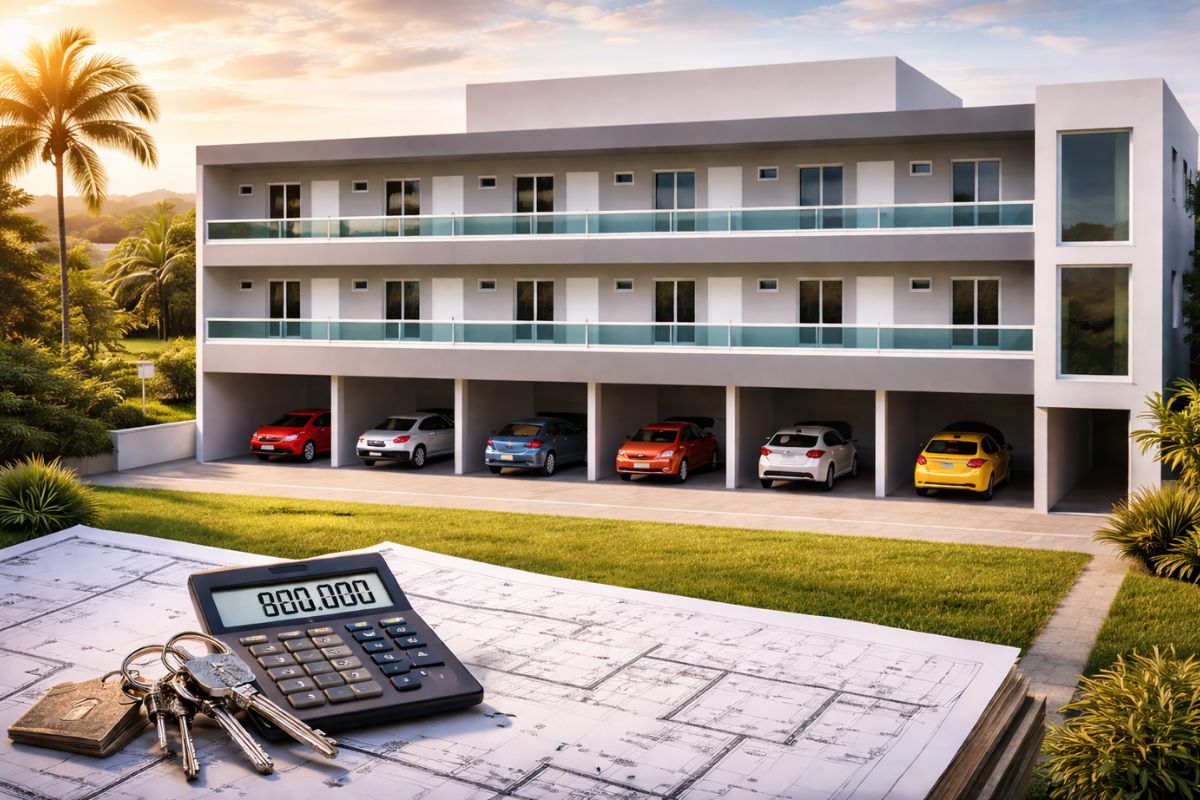
With Repeated Layout and Central Circulation, the Kitnet Project in a 14-Unit Building Transforms a 12 by 30 Lot into a Streamlined Operation, Combining Controlled Estimated Cost, Renting as Cash Flow, and Income of 10 Thousand per Month as a Reference, Without Discarding Fractional Sale.
The proposal brings together numbers that catch the attention of those analyzing compact rentals because it combines 14 units of 27 m² in a single building with parking on the ground floor and presents income of 10 thousand per month as a return reference, in addition to an alternative exit through individual sales.
On a standard lot of 12 by 30 meters, the arrangement prioritizes construction repetition, central circulation, and two identical residential floors, reducing execution complexity. The most significant point in the analysis is not just the design, but the relationship between estimated cost, occupancy, and monetization strategy.
Lot, Implementation, and Utilization Logic

The implementation is based on an objective foundation. The lot has 12 meters of frontage by 30 meters of depth and reserves the first floor for circulation, access, and parking spaces. This decision organizes the flow of residents and vehicles without competing for usable area with the units, helping to maintain the standard of the apartments on the upper floors.
-
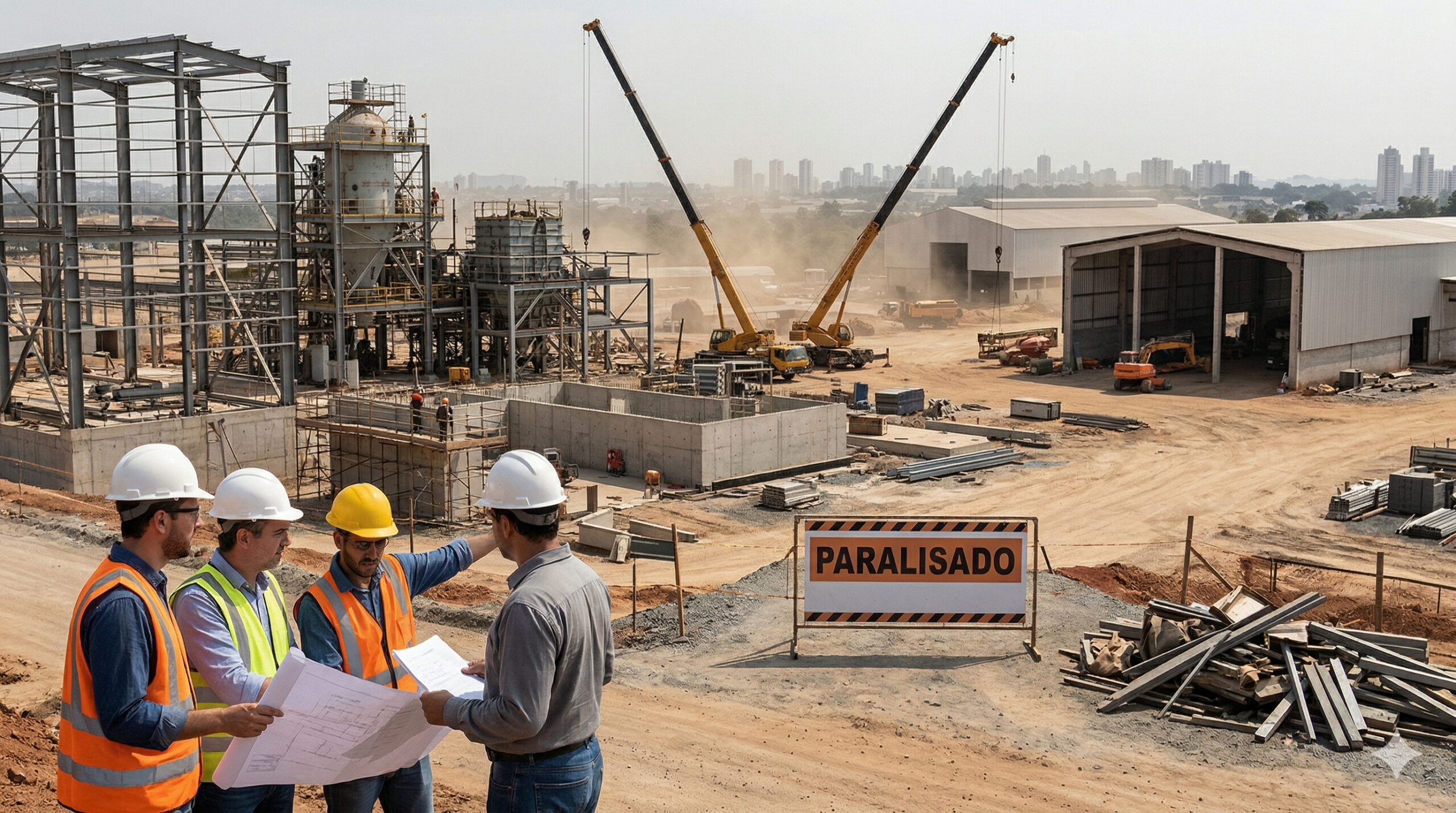
The lack of welders, electricians, and operators becomes a structural threat in 2025, with the construction industry and manufacturing already suffering from delays, cost pressures, and labor shortages in Brazil.
-
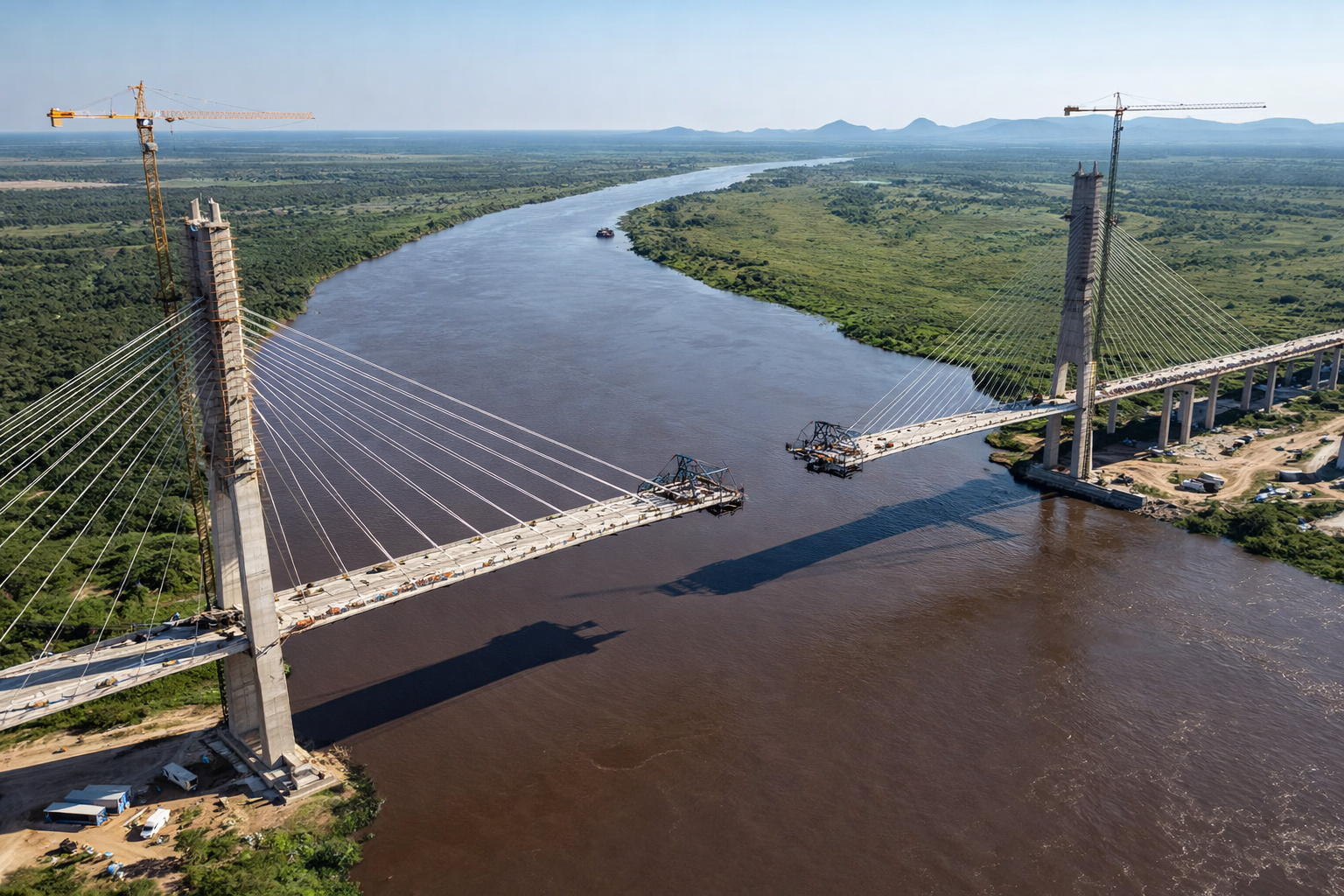
Brazil and Paraguay are just 46 meters away from a historic union on the bioceanic bridge that promises to revolutionize trade between the Atlantic and the Pacific.
-
With 55 km over the sea, a cost of US$ 20 billion, and enough steel to build 60 Eiffel Towers, China’s largest project has connected Hong Kong, Zhuhai, and Macau in a colossal bridge that defies the logic of engineering.

-
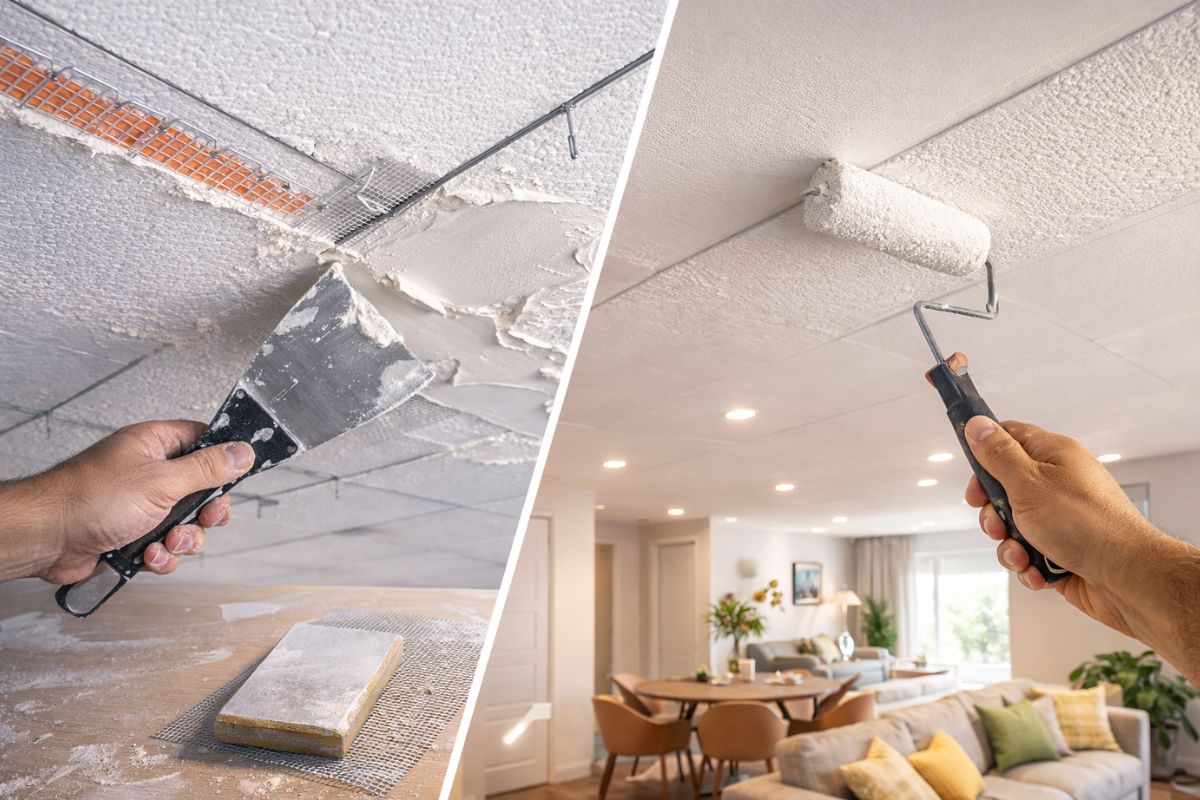
A trick with joint compound transforms a Styrofoam ceiling into a plaster-like ceiling: leveled panels, wires and mesh at the joints, sand, paint, and change the environment while spending little today.

The set was designed to repeat structure and simplify construction, with columns extending from the ground to the top of the building. This type of repetition tends to be decisive in compact developments since it reduces variations in execution, facilitates compatibility, and tends to lower construction costs compared to solutions with more setbacks, volumes, and changes in modulation.
On the ground floor, the design provides for seven car spaces and, as an alternative use of the space, the possibility of also accommodating motorcycles in the gaps between columns. This does not eliminate a sensitive point, which is the difference between the number of units and the number of spaces, but shows a practical attempt to compensate for the common limitation in this type of product.
There is also a functional solution for mail entry, meters, and lateral accesses, in addition to a front closure with a gate. This care with daily use elements weighs more than it seems, as it reduces improvisations after delivery and directly influences the perception of organization of the building.
Distribution of the 14 Kitnets and Construction Standards

The residential operation takes place on the two upper floors, with seven kitnets per floor. The repetition of the same arrangement on the second and third levels is one of the project’s strongest points because it concentrates gains in efficiency in form, structure, installations, and finishes.
In practice, the building avoids costly inventions. The facade works with reliefs, texture, and color contrast to give visual identity without requiring complex solutions. This is a choice consistent with the low-cost proposal, as it enhances the external appearance without shifting the budget towards items that do not increase the functionality of the units.
The top with a parapet and shelter for reservoirs maintains a clean language and reinforces the intention of controlling expenses. At the same time, the choice to limit the building’s height avoids the need for an elevator, a point cited as a factor that would greatly increase construction costs and completely alter the return calculation.
This detail changes the financial reading of the set. In small developments, the elevator is not just a technical item; it is a cost line that impacts installation, maintenance, and condominium fees. By being out of the project, the building preserves potential margin, but also adopts the profile of the audience that accepts a building without this equipment.
27 m² Floor Plan and Internal Efficiency of the Unit
Each unit was designed with 27 m², with a living room, kitchen, bedroom, and bathroom in a compact organization that tries to maintain minimal comfort for up to two people. The internal circulation is simple and the floor plan seeks to utilize walls to position furniture without excess lost areas.
The mentioned design includes a living room with a sofa and TV, an integrated kitchen with a dining table, a bedroom with a bed and wardrobe, a bathroom, and a laundry room ventilated at the back. This composition is relevant because it responds to the real use of compact rentals, which relies more on intelligent distribution than on high square footage.
The standardization of the 14 units also helps with finishing costs, material purchases, and execution rhythm. When all the kitnets repeat the same logic, the entrepreneur gains predictability in construction and later in maintenance. Replacing doors, frames, fixtures, and installation points tends to be simpler.
At the same time, the compact floor plan requires attention in choosing the audience. If the proposal aims for long-term rentals to singles, childless couples, or mobile workers, the format makes sense. If the local demand is concentrated in larger families, the risk of vacancy increases, even with a building that is efficient on paper.
Estimated Cost, Monthly Income, and Resale Scenario
The central number of the proposal is the estimated cost of at least 800 thousand to execute the work in this configuration. This value serves as a reference for reading the project and needs to be treated as an initial estimate, not as a fixed price, because the final cost depends on finishing standards, foundation, labor, and local context.
From this cost, the projection of income of 10 thousand per month in rent arises. This point makes the venture attractive to those thinking about cash flow, but the calculation only holds with consistent occupancy, controlled delinquency, and well-measured operational expenses. Projected income is not guaranteed income, especially in compact properties with high turnover.
There is also the alternative of selling the units, using 100 thousand per kitnet as a reference. In this scenario, total sales would reach 1.4 million for the 14 units. The difference between this amount and the estimated cost of 800 thousand points to a potential gross margin of 600 thousand, before considering taxes, fees, documentation, commercialization, and possible construction adjustments.
This second path changes the profile of the investment. Instead of prioritizing income of 10 thousand per month, the entrepreneur seeks turnover and realization of capital in a shorter timeframe, if there is a market to absorb 14 units at the proposed ticket. In some areas, resale can be quicker. In others, rental may be more secure.
Where the Project Seems Strong and Where the Risk Lies
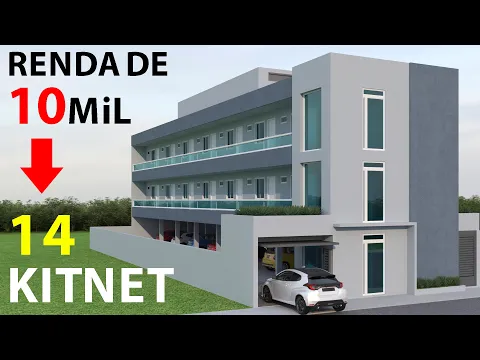

The project is strong in three fronts. First, due to construction repetition, which facilitates execution. Second, by utilizing the 12 by 30 lot with parking on the ground floor and two residential floors. Third, by combining two monetization routes, rental or sale, without radically changing the building’s structure.
Another positive point is the clarity of the product. There is no promise of luxury or universal solutions. It is a compact building, with compact units, designed for price, functionality, and scale. This positioning tends to be more robust than projects that try to please all audiences at the same time.
However, the risks are concrete and need to be included in the analysis from the start. The first is local demand. A building with 14 kitnets depends on a market capable of absorbing this volume, whether through rental or sale. Without neighborhood studies, average income of the audience, and competition analysis, the figures may look good on paper but halt in operation.
The second risk is operational. Managing 14 units involves maintenance, billing, tenant replacement, and controlling the use of common areas. In addition, the relationship between parking spaces and apartments can become a point of friction if residents’ profiles require cars. In high-utilization projects, operational details weigh as much as the construction.
The presented set stands out because it condenses, in a single lot, an equation that many small investors seek: controlled costs, replicable product, and the possibility of earning through monthly cash flow or resale. The promise of income of 10 thousand per month exists as potential but depends on disciplined execution and a compatible market.
In the end, the most important question is not just how much it can yield, but which strategy makes the most sense for your scenario, recurring rental with 14 units of 27 m² or fractional sale to capture margin sooner. If this building were to be implemented in your city, would you see more strength in monthly rental or in selling the kitnets, and why?









-

-

-

-

-

17 pessoas reagiram a isso.