





 Portuguese
  English
  Spanish
  4 min of reading
  0 comments



Research Suggests That An Obstetric Condition Associated With The Placenta And High Blood Pressure May Have Affected The Fertility Of Neanderthals, But Experts Warn Of The Limits Of Available Evidence
The mysterious extinction of Neanderthals, our closest evolutionary relatives, continues to intrigue scientists and the public for decades. Now, a new hypothesis adds an unexpected element to this debate: the possibility that pre-eclampsia, a serious pregnancy complication characterized by dangerously high blood pressure, may have contributed to the reproductive collapse of this extinct human population. The proposal, however, divides opinions and raises important questions about how far science can go in reconstructing events that occurred tens of thousands of years ago.
The information was disclosed by Live Science, based on a scientific article published on January 30, 2026 in the Journal of Reproductive Immunology. The study was authored by an international group of neonatologists and obstetricians, who argue that disorders such as pre-eclampsia and eclampsia had never been seriously considered in the hypotheses about the reproductive biology of Neanderthals and their eventual disappearance.
How Pre-Eclampsia May Affect The Survival Of A Species

Pre-eclampsia is a serious medical condition that involves dangerously high blood pressure during pregnancy or in the post-partum period. In addition, it can overload vital organs of the pregnant woman, such as the heart, kidneys, and liver. Currently, it is estimated that the condition affects up to 8% of human pregnancies, which can progress to eclampsia, an even more severe condition that includes seizures and, in some cases, brain damage.
-
Motorola launched the Signature with a gold seal from DxOMark, tying with the iPhone 17 Pro in camera performance, Snapdragon 8 Gen 5 that surpassed 3 million in benchmarks, and a zoom that impresses even at night.

-
Satellites reveal beneath the Sahara a giant river buried for thousands of kilometers: study shows that the largest hot desert on the planet was once traversed by a river system comparable to the largest on Earth.

-
Scientists have captured something never seen in space: newly born stars are creating gigantic rings of light a thousand times larger than the distance between the Earth and the Sun, and this changes everything we knew about stellar birth.

-
Geologists find traces of a continent that disappeared 155 million years ago after separating from Australia and reveal that it did not sink, but broke into fragments scattered across Southeast Asia.

From an evolutionary perspective, researchers highlight that pre-eclampsia may be related to a unique feature of the human placenta. In species with large brains, such as modern humans — and possibly Neanderthals — the fetus presents exceptional metabolic demands, especially during the third trimester of pregnancy, when the brain grows rapidly. To meet these needs, a deep implantation of the placenta in the uterus occurs, ensuring greater nutrient transfer between mother and fetus.
However, when this implantation is inadequate or superficial, the placenta tries to compensate for the deficiency by increasing maternal blood pressure. As a result, cases of pre-eclampsia, fetal growth restriction, and higher risks of maternal and neonatal mortality arise. According to the authors of the study, this mechanism could have been particularly harmful to small and dispersed Neanderthal populations.
Evolutionary Hypothesis Divides Specialists In Paleoanthropology
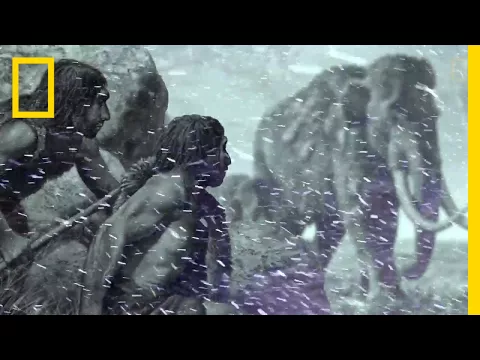

Based on these arguments, researchers suggest that pre-eclampsia may have represented an additional and underestimated selective pressure on Neanderthals, contributing to their extinction. They raise the hypothesis that the Neanderthals may not have possessed a maternal protective mechanism against pre-eclampsia — a system that, according to previous studies by the authors themselves, may have evolved in modern humans.
If this protection were indeed absent, the impact would be significant: higher maternal mortality, frequent reproductive losses, and gradual reduction of fertility, factors that could accelerate population decline over time. Nevertheless, the authors themselves acknowledge that this idea remains highly speculative, as no specific genetic mechanism has been identified to date.
This interpretation, however, finds resistance among experts in Neandertal archaeology and genetics. Patrick Eppenberger, co-leader of the Group of Evolutionary Pathophysiology and Mummy Studies at the Institute of Evolutionary Medicine in Zurich, stated that the framing of “pre-eclampsia condemned the Neanderthals” goes far beyond the available evidence.
Although Eppenberger agrees that pre-eclampsia is a uniquely human condition and linked to the evolution of the placenta, he stresses that it is extremely difficult to support that the disease was more frequent or more lethal in Neanderthals than in early populations of Homo sapiens. This becomes even more problematic when considering that Neanderthals persisted for over 300,000 years in hostile and highly varied environments.
The Extinction Of Neanderthals Remains A Complex Puzzle
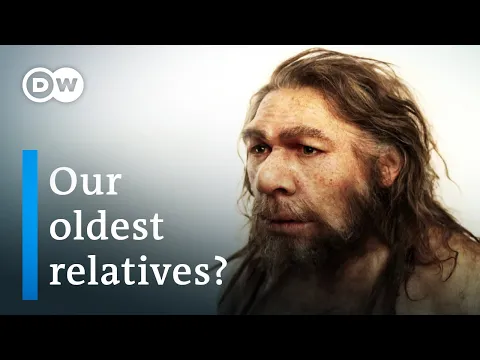
Other researchers share this caution. April Nowell, a Paleolithic archaeologist at the University of Victoria in Canada, pointed out that the extinction of Neanderthals is a topic that fascinates precisely because there is no single cause or a clearly identifiable “mercy shot”. According to her, many scientists look for a decisive factor, but the reality likely involves a combination of environmental, demographic, genetic, and cultural variables.
Nowell acknowledges that if modern humans indeed developed a mechanism capable of mitigating the effects of pre-eclampsia, it could have provided a significant reproductive advantage. However, she reminds us that there is ample evidence of genetic exchange between Neanderthals, Denisovans, and Homo sapiens. Therefore, it is equally plausible that these groups shared similar biological mechanisms to deal with reproductive challenges.
Eppenberger adds that the study works better as a theoretical experiment of evolutionary medicine rather than as a definitive explanation. He points out that future research could investigate genes related to maternal-fetal immune interaction and the regulation of placental and fetal growth. Still, even with genetic advances, it will be challenging to confirm the presence of pre-eclampsia in Neanderthals in the same way that modern clinical data allows.
The authors of the study, titled Why Reproduction Has Probably Been Very Problematic In Neanderthals: The Fabulous History Of (Pre)eclampsia, did not respond to requests for comment prior to publication.
Scientific Source
Robillard, P.-Y., S. Saito & G. Dekker. (2026). Why Reproduction Has Probably Been Very Problematic In Neanderthals: The Fabulous History Of (Pre)eclampsia. Journal of Reproductive Immunology, volume 174. DOI: 10.1016/j.jri.2026.104852.







-

-

-

-

7 pessoas reagiram a isso.