





 Portuguese
  English
  Spanish
 6 min of reading
  0 comments


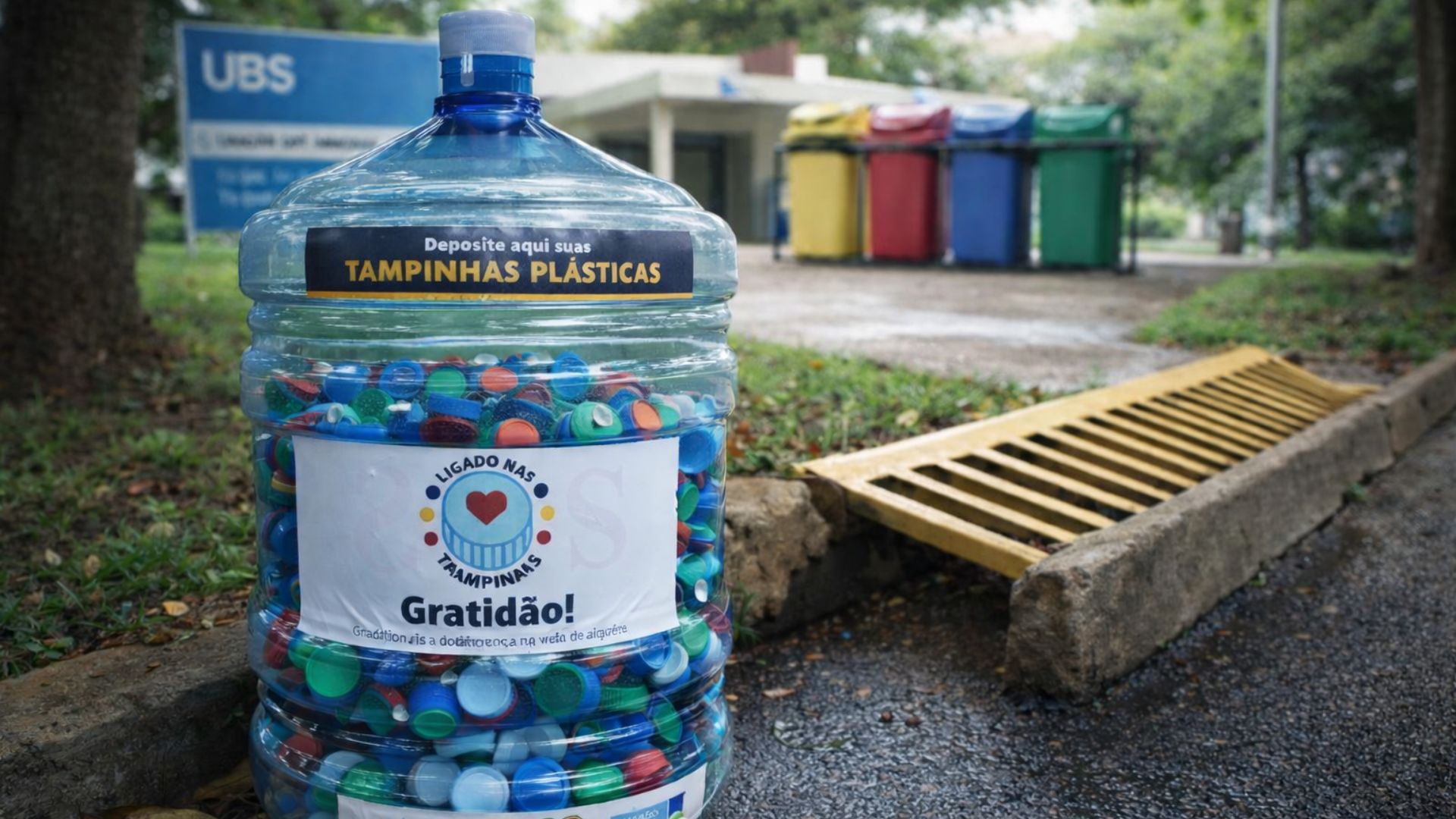
The Sustainable Initiative of UBS in Vila Planalto Mobilizes the Community with the Collection of Caps and Seals, Batteries, and Medications, Promoting Proper Disposal, Environmental Education, and Reduction of Urban Environmental Problems That Impact Public Health Directly.
The sustainable initiative implemented by UBS 3 in Vila Planalto has consolidated itself as a practical strategy for environmental education and promotion of public health. The unit began to collect about ten gallons filled with caps and seals from bottles monthly, in addition to batteries and expired medications, encouraging proper disposal and contributing to the reduction of environmental problems urban.
According to a publication by the Health Department of the Federal District on February 26, the action occurs in an area with approximately 22 thousand residents served by the unit. The project combines information, example, and adequate structure to stimulate behavioral changes. By integrating sustainability into the routine of primary care, UBS expands the concept of health and reinforces the direct relationship between a balanced environment and quality of life.
Sustainable Initiative of UBS in Vila Planalto Transforms Unit Routine into an Environmental Education Tool
Right from the first contact with the initiative, the user realizes that the proposal goes beyond traditional selective collection. It is a continuous, organized practice aligned with the guidelines of the National Solid Waste Policy, which establishes shared responsibility for the life cycle of products and encourages reverse logistics.
-
Embrapa’s discovery reveals an unexpected advancement by allowing the production of seedlings from the caatinga using brackish water, opening a new frontier for farmers to face drought more efficiently.
-
6 sources of free fertilizer that you are throwing away every day and can transform your garden without spending anything.
-
With a water crisis on the radar, Sabesp invests in reclaimed water for data centers and transforms sewage treatment into a solution that saves millions of liters and protects public supply.

-
Foresea achieves 100% offshore waste reuse in 2025, eliminates landfill disposal, and consolidates sustainable strategy with 1,500 tons recycled.
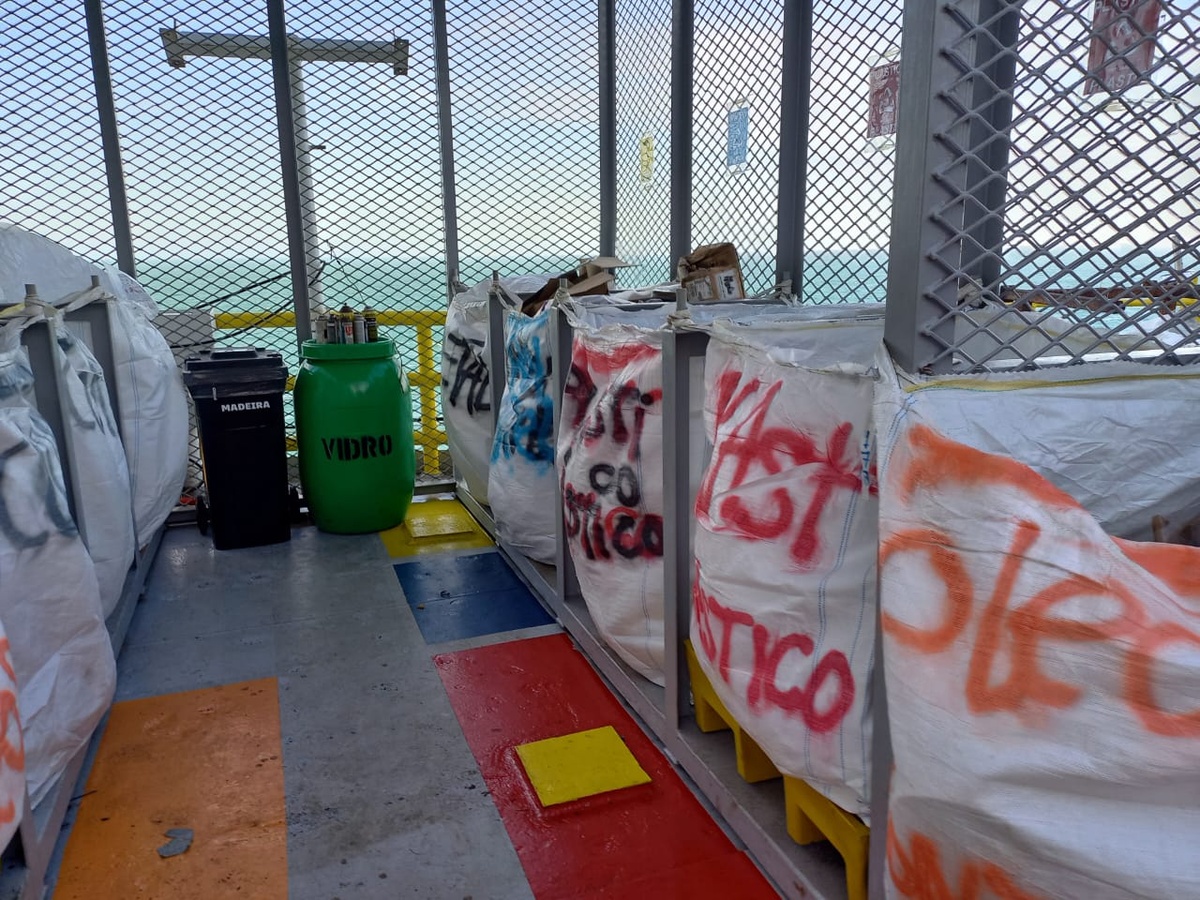

The sustainable initiative of UBS 3 in Vila Planalto integrates a set of measures aimed at the correct segregation of waste. Specific collectors have been installed in strategic and high-traffic points, facilitating the disposal of caps and seals, batteries, and expired medications.
According to the unit manager, Evelyn Heinzen, preserving the environment through proper waste separation is a basic step toward a sustainable planet, as well as contributing to vector control and, consequently, to disease prevention. The relationship between accumulated garbage and the proliferation of transmitting insects is recognized by health authorities throughout the country.
By keeping the city cleaner, the community reduces risks such as clogged drains, flooding, and sewage overflow caused by accumulated waste. These factors are directly linked to environmental problems urban that impact collective health.
Monthly Collection of Caps and Seals at UBS in Vila Planalto Reinforces the Fight Against Environmental Problems
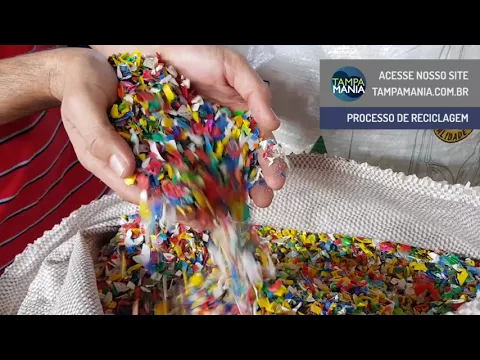
One of the most visible results of the sustainable initiative is the monthly collection of about ten gallons full of caps and seals. Although small individually, these plastic and metallic materials represent a significant volume when disposed of improperly.
According to the Brazilian Association of Public Cleaning and Special Waste Companies (Abrelpe), Brazil generates millions of tons of urban solid waste per year. Part of this total still receives inadequate disposal, contributing to environmental problems such as soil pollution, water contamination, and overloading landfills.
By correctly directing the caps and seals, UBS prevents these wastes from ending up in public roads, watercourses, or drainage systems. The disposal is done through a non-profit organization responsible for the proper utilization of the material, strengthening recycling practices and the circular economy.
UBS Expands Sustainable Initiative with Responsible Disposal of Batteries, Batteries, and Medications
The sustainable initiative is not limited to caps and seals. UBS in Vila Planalto also provides specific collectors for batteries, batteries, and expired medications, waste that requires different handling due to the potential for contamination.
The National Solid Waste Policy provides for reverse logistics for batteries and batteries. Improper disposal of these items can release toxic substances into the soil and water resources, increasing environmental problems and risks to human health.
In the case of medications, disposal in common trash or sewage can result in the presence of pharmaceutical residues in bodies of water. Research conducted by Brazilian institutions has already identified traces of these substances in the environment, reinforcing the importance of collection points such as those offered by UBS.

Vila Planalto and the Multiplicative Effect of Environmental Awareness Promoted by UBS
Located in Vila Planalto, UBS 3 serves approximately 22 thousand residents. The community’s adherence to the sustainable initiative has been considered positive by the management team. Residents report that they have started to separate waste at home after learning about the project.
This multiplicative effect is essential to face environmental problems urban in a structured way. Environmental education based on daily practice tends to generate more lasting changes than sporadic campaigns.
The responsible nurse, Daniela Matias, creator of the action, highlights that health goes beyond the physical aspect. The so-called environmental health involves habits that preserve nature and reduce negative impacts on the surroundings. When there is no accumulation of garbage, cases of diseases transmitted by vectors like the dengue mosquito decrease, for example.
Sustainable Initiative Integrates Segregation of Organic and Recyclable Waste at UBS
Another relevant point is the clarification that health units do not produce only contaminated waste. According to manager Evelyn Heinzen, there are organic waste that can be used in projects such as agroforestry gardens, as well as recyclable materials that can be reused.
This approach broadens the reach of the sustainable initiative by demonstrating that the correct management of waste is possible even in environments traditionally associated with hospital waste. Proper separation prevents recyclable materials from being unnecessarily sent to landfills, reducing environmental problems related to inadequate final disposal.
The presence of selective trash cans at UBS reinforces the daily practice of segregation. When the user sees clear disposal options, the likelihood of adherence increases, contributing to consolidating new habits.
Public Health and Environment: How UBS in Vila Planalto Reduces Urban Environmental Problems
The relationship between solid waste and public health is direct. The accumulation of garbage favors the proliferation of insects and rodents, in addition to contributing to obstructions in urban drainage. In periods of heavy rain, clogged drains can cause flooding and sewage overflow.
By encouraging the separation of caps and seals and other waste, UBS acts preventively. The sustainable initiative reduces potential breeding grounds for vectors and helps minimize environmental problems that directly impact the population.
This integration between health and sustainability strengthens the role of primary care as a strategic space for social transformation. The unit ceases to be just a clinical care location and becomes a center for community mobilization.
The Collective Impact of the Sustainable Initiative in Vila Planalto
The experience of UBS 3 in Vila Planalto demonstrates that local actions can generate significant results when there is organization and engagement. The monthly collection of about ten gallons of caps and seals, combined with the collection of batteries, batteries, and medications, evidences a continuous commitment to reducing environmental problems.
The project reinforces the importance of shared responsibility as foreseen in Brazilian legislation. Public authorities, institutions, and citizens play complementary roles in waste management.
By stimulating conscious consumption and proper disposal, the sustainable initiative broadens the perception that small individual actions produce significant collective impacts. In an area of approximately 22 thousand residents, every action counts.
The experience shows that environmental health and quality of life go hand in hand. When the community actively participates, pressure on the health system is reduced, environmental damage is avoided, and the culture of sustainability is strengthened. The journey of UBS in Vila Planalto confirms that changing habits is possible when information and practice meet in the daily lives of the population.








Seja o primeiro a reagir!